
How to Rent a Zipcar in New York City

How to Rent a Zipcar in New York City
Estimated reading time: 4 minutes

If you live in New York City but don’t own a car, Zipcar can be a convenient way to rent a car for a few hours or a day.

Unlike a traditional rental car, you don’t need to go to a rental counter. You can reserve a car through the Zipcar app, pick it up at a nearby location, and unlock it with your phone.

How Does Zipcar Work?

The process is simple:

1. Sign up

Create an account through the Zipcar Website or app. You will need a valid driver’s license and payment method.

2. Find a car

Open the app and search for a Zipcar near you. Choose the date and time you need it.

3. Reserve the car

Choose your car and reserve it by the hour or day. Check the total price before confirming.
4. Pick up the car

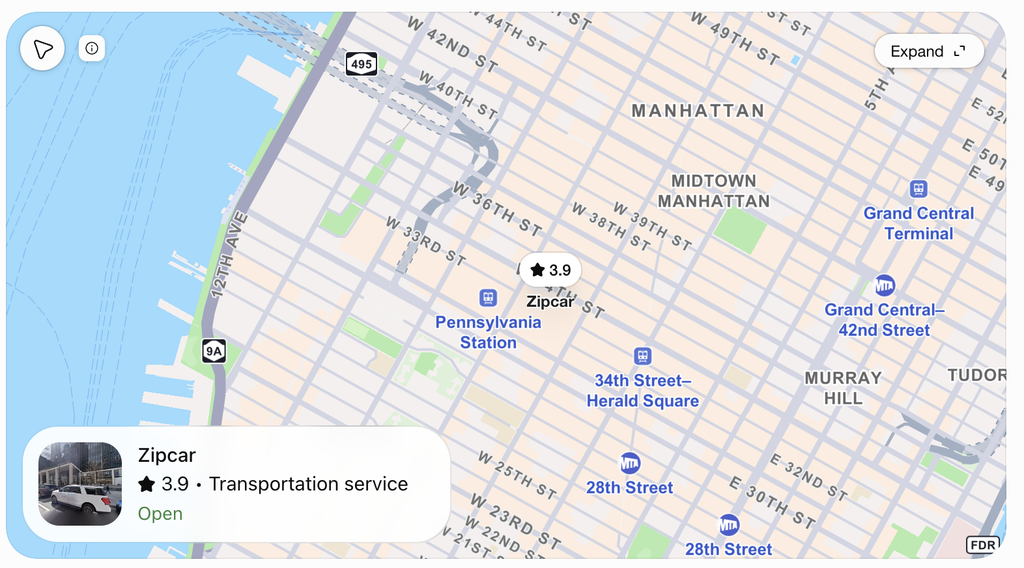
Go to the designated parking location at your reservation time. Use the app to unlock the car.

Before driving, take a quick look at the car and report any damage you notice.

5. Drive!

You can use the car for grocery shopping, errands, visiting friends, or getting out of the city.

Gas is generally included, although tolls and some other charges may apply.

6. Return the car

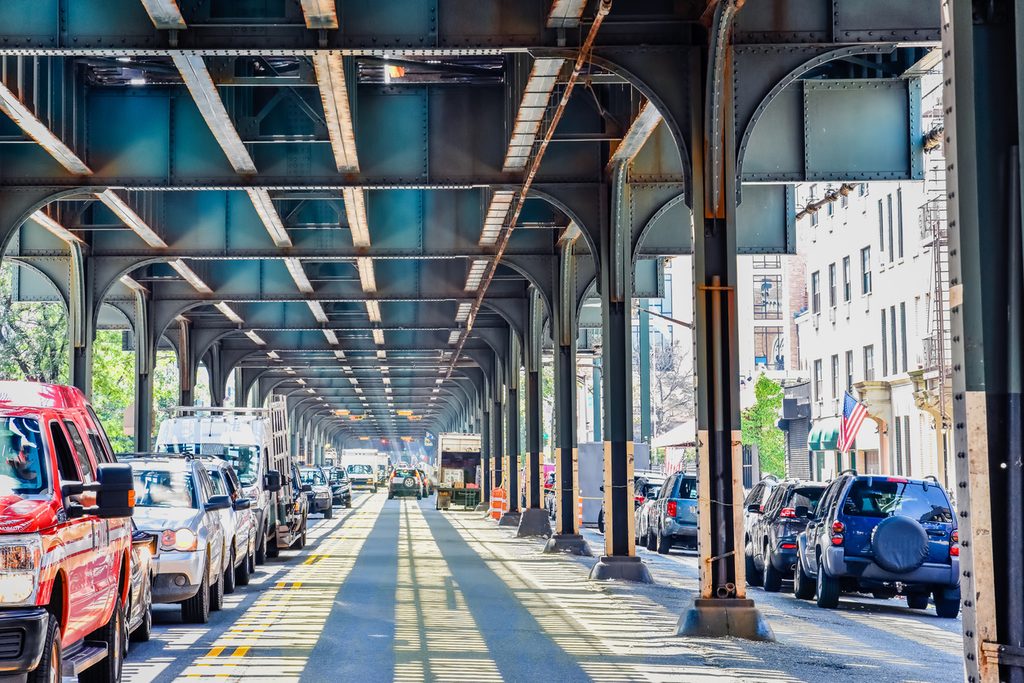
This is important: Zipcars usually need to be returned to their original parking location. Try to return the car on time. NYC traffic can be unpredictable, so give yourself some extra time. Otherwise, they will charge you extra fees.

Why I Like Using Zipcar

I like Zipcar because we don’t really need a car in New York City.

New York has an excellent public transportation system, so we can use the subway, buses, and trains for most of our everyday activities. There isn’t much reason to own a car just for daily life in the city.

But sometimes, it’s nice to have a car.

I usually book a Zipcar on weekdays, when I find it can be cheaper than weekends. You can do grocery shopping at places like Trader Joe’s and Whole Foods without having to carry everything home on public transportation.

I also like using Zipcar to visit Japanese grocery stores in Westchester.

And one of my favorite things about having a car occasionally is being able to escape the city and enjoy nature in Upstate New York. – such as Apple picking !

For me, this is the best part of car sharing. I can enjoy a road trip or a day surrounded by nature without having to own a car all year.

Much Cheaper Than Owning a Car

Owning a car in the New York City area can be expensive.

You have to pay for:

  • Car payments
  • Insurance
  • Gas
  • Parking – this is the hardest part in NYC !
  • Maintenance
  • Registration and taxes

With Zipcar, I only pay when I actually need a car.

For someone who mainly uses public transportation, renting a car occasionally can make much more financial sense than owning one.

How Much Does Zipcar Cost?

The price depends on the car, location, time, membership plan, mileage, and other fees.

There is also currently a $25 non-refundable application fee for membership.

Because Zipcar prices and plans can change, check the current price in the app before making your reservation.

Is Zipcar Worth It in NYC?

If you live in New York City and mostly use public transportation, I think Zipcar can be a great option.

You can use public transportation for everyday life and rent a car when you want to explore somewhere that is difficult to reach by train or bus.

For example:

  • Grocery shopping
  • Visiting Japanese grocery stores outside NYC
  • Visiting the suburbs
  • Taking a day trip
  • Exploring Upstate New York
  • Spending time in nature

You don’t necessarily need to own a car to enjoy the freedom of having one occasionally.

My NYC Tip

If you are flexible with your schedule, try booking a Zipcar on a weekday. I often find weekdays more convenient and less expensive than weekends.

And don’t underestimate NYC traffic. Give yourself enough time to return the car.

For me, Zipcar offers the best of both worlds: public transportation for everyday life and a car when I want to escape the city.

Check current Zipcar rates and membership options

Back to Home

The Appeal of Capital One Bank: Popular Café-Integrated Service in New York

Capital One Bank in New York: Why It’s So Popular

ニューヨークキャピタルワンの店内の画像

Hello! I’m Maegami, the author of the “Goddess’s Bangs” blog, based in New York. For those living in the U.S. or New York, which bank do you use? There are various banks depending on the state. I personally use Bank of America and Capital One Bank.

What I Love About Capital One Bank

What I think is the best feature of Capital One Bank is that transferring money from another bank is free. For example, if I transfer $500 from Bank of America to this bank, there’s no fee. The same applies if it’s the other way around. There are many other great points, so today, I’d like to share them with you.

Why Capital One is Popular

  1. Simple and Easy-to-Understand Banking Services

For me, the most appealing aspect of Capital One is its simplicity. As I mentioned earlier, their “simplicity” is key. Their 360 Performance Savings and 360 Checking accounts are great for first-time account holders because they come with no minimum balance requirement, making it easy to start. I personally only have a savings account, but I’m also interested in the checking one.

  1. Excellent Online Banking

In New York, where every day is busy, Capital One’s app makes checking your balance and transferring money incredibly easy and free. There’s no need to visit the branch. The online banking at Bank of America is a bit complicated, which can be a hurdle for those who aren’t proficient in English. But Capital One is user-friendly even for those who don’t speak much English.

  1. Popular Credit Cards

When you think of Capital One, you think of credit cards. The Capital One Venture Rewards card is especially popular because it allows you to earn points quickly when traveling and also provides lounge access benefits. However, this card might be better for those traveling frequently within the U.S. rather than internationally.

Capital One Café: A Relaxing Space

What I’m particularly recommending today is the “Capital One Café,” where you can enjoy coffee while at the bank. It’s amazing that you can now drink real coffee at a bank! Previously, cafés would offer instant coffee, but I never tried it since I knew it wouldn’t taste good. Most banks have a stiff atmosphere, but Capital One Café is more of a “chill café.”

  1. Stylish and Relaxing Atmosphere
ニューヨークキャピタルワンの店頭展示の画像
店内の様子の画像
キャピタルワンの入口を入っての店内画像

The café has a modern, sophisticated design that is very much in tune with New York. The interior is relaxing, and there are bright window-side seats and sofa seating where you can take a break if you’re tired from walking around the city. The shop displays at the entrance are also cute.

  1. High-Quality Coffee
キャピタルワンのコーヒーカップの画像

At the café, you can enjoy delicious coffee from Peet’s Coffee. If you have a Capital One credit card or Capital One Checking account, you can get 50% off your drink. Unfortunately, I couldn’t use this benefit since I only have a savings account, which is a downside.

  1. Kind and Helpful Service

The café offers free Wi-Fi and charging stations, making it perfect for working or meeting friends. There are also bank staff on-site, so you can easily get advice on things like mortgages and credit cards. It’s a bit surprising how far banking has evolved.

My Favorite Capital One Cafés

There are several Capital One Cafés in New York, but my two top recommendations are:

  • Union Square Location Perfect for when you want a bright, relaxing atmosphere. The large windows let in plenty of natural light, which really boosts your mood! Address: 853 Broadway, New York, NY 10003
  • Chelsea Location I recommend this location for art lovers. The walls are decorated with works by local New York artists, making it feel more like an art gallery than a bank. Address: 114 7th Ave, New York, NY 10011

Summary

Capital One is a little different from other banks in the U.S. It’s a bank that’s all about “simplicity,” and that’s what makes it so easy to understand. Their café is a “relaxing space” with “convenient financial services.”

Capital One Bank Website

Related Articles

Top 10 Recommended Cosmetics from Trader Joe’s

Top 10 Recommended Cosmetics from Trader Joe’s

Hello! This is Maegami from the blog The Goddess’s Bangs. Today, I’m bringing you another installment of the Trader Joe’s recommendation series!

[word_balloon id=”1″ size=”M” position=”L” radius=”true” name=”” balloon=”talk” balloon_shadow=”true”]

Trader Joe’s cosmetics are amazing!

[/word_balloon]

Trader Joe’s isn’t just about groceries — it’s also a hidden gem for high-quality cosmetics. Their skincare and body care products are made with natural ingredients at affordable prices, making them popular among beauty enthusiasts. Here are 10 must-try cosmetics from Trader Joe’s!

1. Rose Water Facial Toner

This rose water-based facial toner hydrates and refreshes your skin. It’s perfect for adding a quick burst of moisture to dry skin.

2. Ultra Hydrating Gel Moisturizer

A lightweight gel moisturizer that provides deep hydration. It’s ideal for oily or combination skin types.

3. Coconut Body Butter

This rich body butter with a coconut scent deeply nourishes your skin, leaving it soft and smooth. A winter essential!

4. Micellar Cleanser & Makeup Remover Towelettes

Convenient cleansing wipes that remove makeup and cleanse your face in one go. Perfect for on-the-go touch-ups.

5. Enrich Moisturizing Face Lotion SPF 15

A moisturizing face lotion that also offers SPF 15 protection. Its light texture makes it easy to include in your daily routine.

6. Tea Tree Tingle Shampoo & Conditioner

Infused with tea tree oil, this shampoo and conditioner refresh and invigorate the scalp. Ideal for oily hair types.

7. Lavender Salt Scrub

This lavender-scented salt scrub gently exfoliates dead skin cells, leaving your skin silky smooth. It’s perfect for a relaxing bath time.

8. Vitamin E Oil

Packed with nourishing Vitamin E, this versatile oil soothes dry or damaged skin. Use it for facial care, body care, or even cuticle care.

9. Trader Joe’s Daily Facial Sunscreen Broad Spectrum SPF 40

A lightweight sunscreen with a smooth finish — no greasy residue! It’s great for wearing under makeup.

[word_balloon id=”1″ size=”M” position=”L” radius=”true” name=”” balloon=”talk” balloon_shadow=”true”]

I’m using this sunscreen too, and I love it!

[/word_balloon]

10. Rich Hydrating Face Sheet Mask

A luxurious sheet mask that deeply hydrates your skin. It’s perfect for a quick skincare boost, even on busy days.

Conclusion

Trader Joe’s cosmetics are a fantastic option for those looking for natural, budget-friendly skincare. Give these products a try and incorporate them into your daily beauty routine!

Related Articles


How to Get Global Entry | A Complete Guide for New York Residents

How to Get Global Entry | A Complete Guide for New York Residents

If you live in New York—or anywhere in the U.S.—and have recently become a U.S. citizen or received your green card, the Global Entry program can make your international travel much smoother. In this guide, we’ll explain what Global Entry is, who qualifies, and how you can apply step by step.

Estimated reading time: 3 minutes

What Is the Global Entry Program?

Global Entry is a trusted traveler program managed by U.S. Customs and Border Protection (CBP). It allows pre-approved, low-risk travelers to use automated kiosks at airports and skip long immigration lines when entering the United States.

My husband and I applied for Global Entry, and within a few months we were approved and received our Global Entry ID. Since then, re-entering the U.S. after international travel has been much faster and stress-free.

Eligibility Requirements for Global Entry

To apply for Global Entry, you must meet the following conditions:

  • Be a U.S. citizen or lawful permanent resident (green card holder)
  • Have no criminal record

In addition, citizens from several partner countries can also apply, including:

  • Germany
  • Singapore
  • Mexico
  • Colombia
  • Panama
  • South Korea
  • New Zealand
  • Canada
  • Australia
  • Argentina
  • India
  • Switzerland
  • Taiwan

How to Apply for Global Entry

  1. Submit an application online through the official Global Entry website.
  2. Provide personal details such as employment history, vehicle information, passport details, and criminal history.
  3. Pay the $100 non-refundable fee, valid for 5 years.

The Global Entry Interview

Once your application is conditionally approved, you’ll receive an email notification. You’ll then need to schedule an interview at an enrollment center.

I completed my interview at JFK Airport, Terminal 4. Even if your green card hasn’t arrived yet, bringing proof of your permanent residency application fee receipt is usually sufficient.

Things to Remember After Approval

Once you have Global Entry, keep these points in mind:

  • At check-in, notify the airline that you’re a Global Entry member.
  • Use the TSA PreCheck security lane, which is included with your membership.
  • Global Entry also works for connecting flights from countries like Canada.

Benefits of Global Entr

Here are the main advantages of joining the Global Entry program:

  • Save time at immigration when re-entering the U.S.
  • Skip long security lines with TSA PreCheck access.
  • Less stress and fatigue after long flights.
  • Better chance of making tight connections between international and domestic flights.

Conclusion

For New Yorkers who travel abroad often—especially new green card holders and U.S. citizens—the Global Entry program is a game-changer. By reducing wait times and simplifying security checks, it makes international travel smoother and more enjoyable.

If you’re planning to travel frequently, applying for Global Entry is definitely worth considering!

You wanna visit the Guggenheim Museum

What is the Guggenheim Museum?

It is a modern and contemporary art museum. Its exterior and interior are famously shaped like a snail shell. It was designed in 1943 by Frank Lloyd Wright, a master of American modern architecture.

The museum is located on the east side of Central Park, at the intersection of 88th Street and Fifth Avenue. Two blocks north, you’ll find the Cooper Hewitt Museum.

What’s on Display at the Guggenheim Museum?

The most famous art museum in New York, the Metropolitan Museum of Art, exhibits everything from ancient art to contemporary works. For example, it displays African and Egyptian art from as far back as the BC era, moving through Impressionism and Modern art, and even has a section dedicated to the development of musical instruments. Its scale is so large that one day wouldn’t be enough to explore it all.

In contrast, the Guggenheim Museum focuses on modern and contemporary art. It showcases the political and cultural concepts expressed by artists who are still active today. Through art, it reflects the complexity of current global social issues. The Guggenheim allows you to experience the ever-changing nature of art in real time, and this is one of its defining features.

Difference Between the Guggenheim and MoMA

I haven’t introduced MoMA (the Museum of Modern Art) yet, but the differences between the two are clear. MoMA is for those who love modern design. The Guggenheim, on the other hand, is more about experiencing art in the broader sense, including contemporary concepts.

For example, if you’re someone who enjoys stylish designs, graphic art, and fashion, MoMA would be a great fit. You could also stop by MoMA’s shop to buy trendy kitchen furniture or small souvenirs.

The Guggenheim, however, offers a deeper experience if you can understand the content and concepts behind the art. It makes you think deeply and might even lead to personal insights. So, instead of just looking at the artwork, it encourages contemplation.

Personal Reflection

Even though I’ve lived in New York for 20 years, I only visited the Guggenheim Museum for the first time recently. I wonder why I kept putting it off—maybe it felt intimidating, or perhaps I wasn’t sure if it was a place I belonged. Also, the entrance fee is higher than the Metropolitan Museum of Art.

Perks for New Yorkers

The Metropolitan Museum of Art and the Natural History Museum (which has removed its Native American exhibits; here’s an article from the NY Times) allow New York residents to enter with a donation instead of paying full price. So, I was able to visit for just one or two dollars.

However, the Guggenheim Museum doesn’t allow entry through donations. This is probably because the modern art displayed is by living artists, which makes it a paid exhibition. The general entry fee is $30 (about 4300 yen). While children can visit, I personally think the Guggenheim is not ideal for very young children.

Where is the Guggenheim Museum?

It’s located on Fifth Avenue and 88th Street in the Upper East Side. It might seem far from areas like Times Square, but Manhattan is quite walkable. For instance, I’ve walked all the way from the Upper East Side to the East Village (laughs).

You can take the green subway lines 4 and 5 (Express) or the 6 line (Local) from Grand Central to the 86th Street station. Alternatively, you can take an Uber, Lyft, or yellow taxi, or use CitiBike, although I would not recommend biking for tourists due to safety concerns (there have been incidents with European tourists in the past).

Must-See Highlights at the Guggenheim Museum #1: The Tannhäuser Collection

The Tannhäuser Collection is a collection of paintings gathered by a German art collector and dealer named Tannhäuser. It includes rare works by artists such as Van Gogh, Picasso, Manet, Monet, and Renoir.

One example is Pablo Picasso’s ambitious painting “Moulin de la Galette” (1900), created when he was just 19 years old. This painting is featured in the New York Times article, and I encourage you to read it if you’re interested. I was particularly struck by the woman’s mouth in the painting, which seems to draw attention.

Another highlight is Van Gogh’s “Mountains at Saint-Rémy,” painted during his time in a psychiatric hospital. The details of the sunflowers in the painting make you reflect on why they are depicted in such a manner.

There are many more fascinating works in this collection, along with explanations about the artists’ circumstances at the time. I think it’s important to be able to read English to fully enjoy this aspect.

Must-See Highlights at the Guggenheim Museum #2: Inspiring Visitors

For me, one of the most inspiring things about the museum was seeing the people around me. I think one of the joys of living in New York is experiencing its unique atmosphere. Of course, visiting iconic landmarks like the Statue of Liberty and Times Square is great, but there’s also a unique vibe to New York’s cool and artistic crowd. You’ll often spot stylish, monochromatic-dressed people. You can get a taste of this vibe in the short video below, accompanied by Philip Glass’s piano music.

Must-See Highlights at the Guggenheim Museum #3: The Museum Café

I also visited the café inside the museum, which I highly recommend to New Yorkers as well. It’s the perfect place to get your artistic mindset elevated.

Summary

In this post, I introduced the Guggenheim Museum. I didn’t mention this in the highlights, but the current exhibition theme is “Going Dark.” This exhibition features works by black, Middle Eastern, and indigenous women artists, exploring the theme of visibility. Each piece expresses their experiences in a society where their presence is often barely seen. The conceptual representations are thought-provoking, and some of the works are truly striking. If you’re interested, I highly recommend you visit the museum!

Lost Items on the Shinkansen- visita Iida Bashi[飯田橋駅]

Lost Items on the Shinkansen

I left my e-book on the Shinkansen during my travels in Japan this summer while using the Japan Rail Pass. After a wonderful trip, I was carrying a lot of souvenirs, which made my hands full, and I must have forgotten the e-book on the train. I suspect that when I tried to put it into my bag, it slipped and fell out. I remember placing it into my bag, so I assumed it had fallen somewhere under the seat of the Shinkansen, which I remembered being in the 1st car. With that memory, I figured there was a good chance I could find it. Here’s how the e-book made its way back to me.

Registering Through the Chat

First, I visited the lost item notification page. Once there, I started a chat with the Shiba Inu mascot.

However, I found out that I couldn’t use the lost item chat from the U.S. (since I was overseas), so I had to explain the process in text instead. Here’s how the process works:

Lost Item Chat Description

The Shiba Inu mascot will ask you a few questions. First, you’ll need to provide the location and date you lost the item. Since I remembered the exact spot where I lost it, I gave the train type, date, and seat number, along with detailed descriptions of the item, including the color. You can select from available options, but I recommend writing the specific color in the input field. Even if the category doesn’t match exactly, it’s not a problem, as there’s a section for you to explain in your own words.

After Completing the Chat Registration

Once you’ve completed the chat, you’ll receive a registration number via email. It may take a few days for them to search for your lost item, as they are careful, especially if it’s a high-value item, to ensure they match it correctly.

JR Tokyo Station Lost & Found Center

If your lost item is found, you will be notified that something similar to your description has been located. The item will be moved to the Lost & Found Center at Tokyo Station. However, the items are only kept for a limited period, so if you are traveling outside Tokyo, you may not be able to pick it up right away. In my case, I couldn’t make it to Tokyo Station in time before the storage period expired.

Visiting the Lost & Found Center at Iidabashi

When the holding period at Tokyo Station expires, the lost items are transferred to the Iidabashi Police Station’s Lost & Found Center. It’s quite easy to get there: I took the JR Yamanote Line and got off at Iidabashi Station. There are large signs directing you to the Lost & Found Center.

What to Do if You Forget Your ID

Since I live overseas, my passport serves as my ID. Unfortunately, I forgot to bring it with me. However, I was able to use my credit cards as ID. The key is to describe the lost item as specifically as possible. In my case, it was an English-language e-book, which made it easier to identify since there weren’t many similar examples. For items like wallets or valuables, it’s best to bring your ID and be prepared to explain the contents and condition of the lost item.

Summary

In this article, I explained the steps for dealing with lost items on the Shinkansen. If you can’t pick up your item at Tokyo Station, you can go to the Iidabashi Lost & Found Center. Don’t give up if you lose something—head to Iidabashi to pick it up!

飯田橋遺失物センターの入り口の写真

My Rental Experience with Steinway & Sons

My Rental Experience with Steinway & Sons

rent a piano image

Estimated reading time: 3 minutes

Once upon a time, I rented a small piano in my small apartment in Lower East Side. I chose a studio-type upright from the Boston brand, which is owned by Steinway & Sons. I selected it because the sound quality is close to that of a grand piano.

At the time, I had no U.S. credit history, so I paid a cash deposit of about $900 and rented it for $97 per month.

Piano Showrooms on 58th Street

Most major piano showrooms are located around West 58th Street in Manhattan. Steinway’s showroom is now near Midtown, not far from Times Square. I looked and tried all upright piano on every stores on this street.

Types of Upright Pianos

Alt="types of upright pianos"

There are four main types of upright pianos:

  1. Spinet Piano
  2. Console Piano
  3. Studio Piano (the type I rented)
  4. Professional Upright

The studio upright has a richer, more resonant sound. It’s a great choice if you want something closer to a grand piano but don’t have the space. So I chose one of studio pianos from Steinway & Sons.

Piano Moving Costs

Steinway works with professional piano movers who carefully handle transportation. My move cost about $300 plus tip. If your building doesn’t have an elevator, expect extra fees—often charged per staircase step!

Affordable Option: Piano Piano

If you’re looking for a more budget-friendly rental, I recommend Piano Piano. You can rent a Yamaha piano for around $155 per month, which is a great value.

Conclusion

That was my experience renting a piano in New York City. If your child wants to start learning piano, I highly recommend renting a real acoustic piano rather than a digital keyboard. A beautiful sound helps develop finger strength, train the ear, and boost motivation.

Playing on a real instrument brings joy—and makes practice more inspiring.

Return to Home

Hazardous Waste Disposal NYC: Event Details

Hazardous Waste Disposal NYC: Event Details

Estimated reading time: 4 minutes

Every year, New York City holds special events to safely collect hazardous household waste.

We are not allow to leave hazardous trash outside of your building. This article explains how to properly dispose of these materials through the NYC Sanitation SAFE Disposal Event, held twice a year.

What Is the SAFE Disposal Event?

The SAFE Disposal Event (Solvents, Automotive, Flammables & Electronics) is organized by the NYC Department of Sanitation (DSNY) twice a year. More Details


Every year, New York Residents receive a postcard notification about one month before the event.

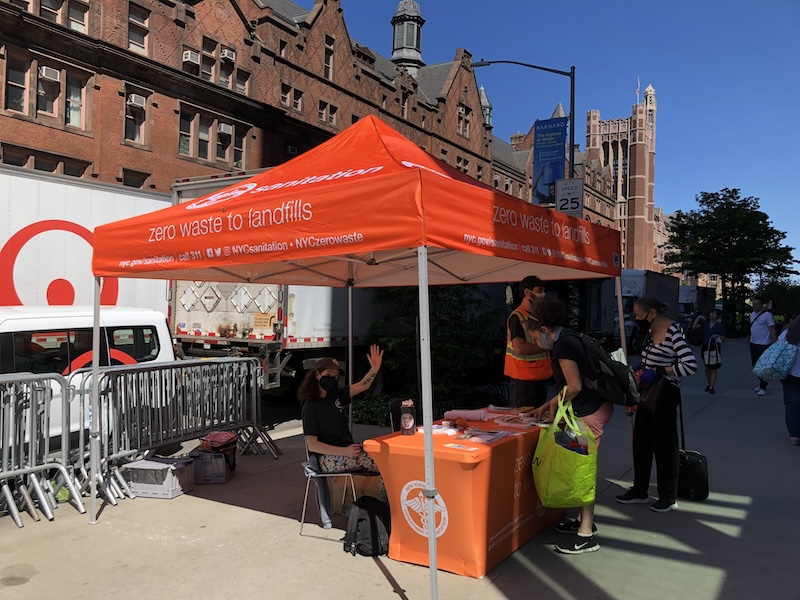
For example, if you live in Upper Manhattan, your event location might be near Columbia University’s Teachers College – but the location is changeable every year.

What Can You Bring?

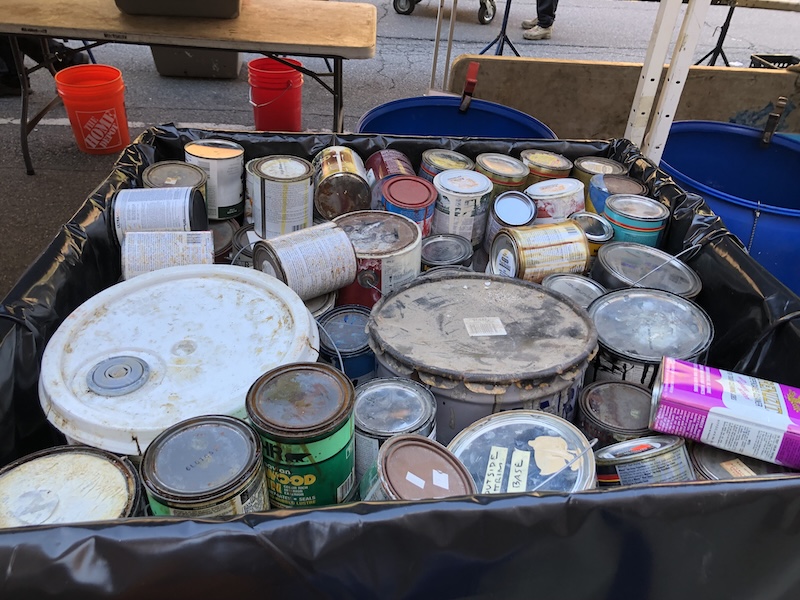
You can bring various household hazardous materials, including:

  • Automotive products: motor oil, transmission fluid, car batteries
  • Expired medicines or chemicals: including cosmetics and nail polish
  • Sharps (needles/syringes): place them in a labeled sharps container or a tightly closed metal can
  • Thermometers and batteries
  • Household cleaners and chemicals: bleach, pesticides, paint, Ajax, toilet cleaners, etc.
  • Compact fluorescent bulbs (CFLs)
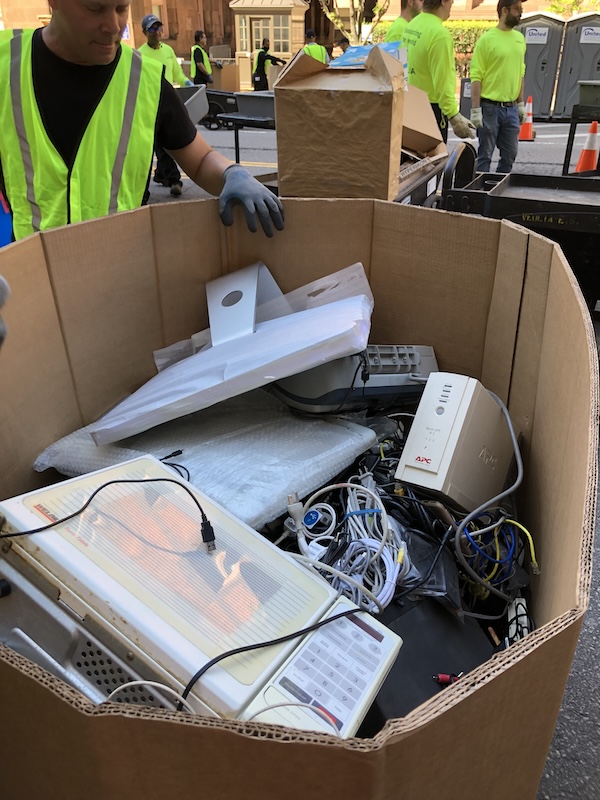
  • Electronics: computers, televisions, and broken devices

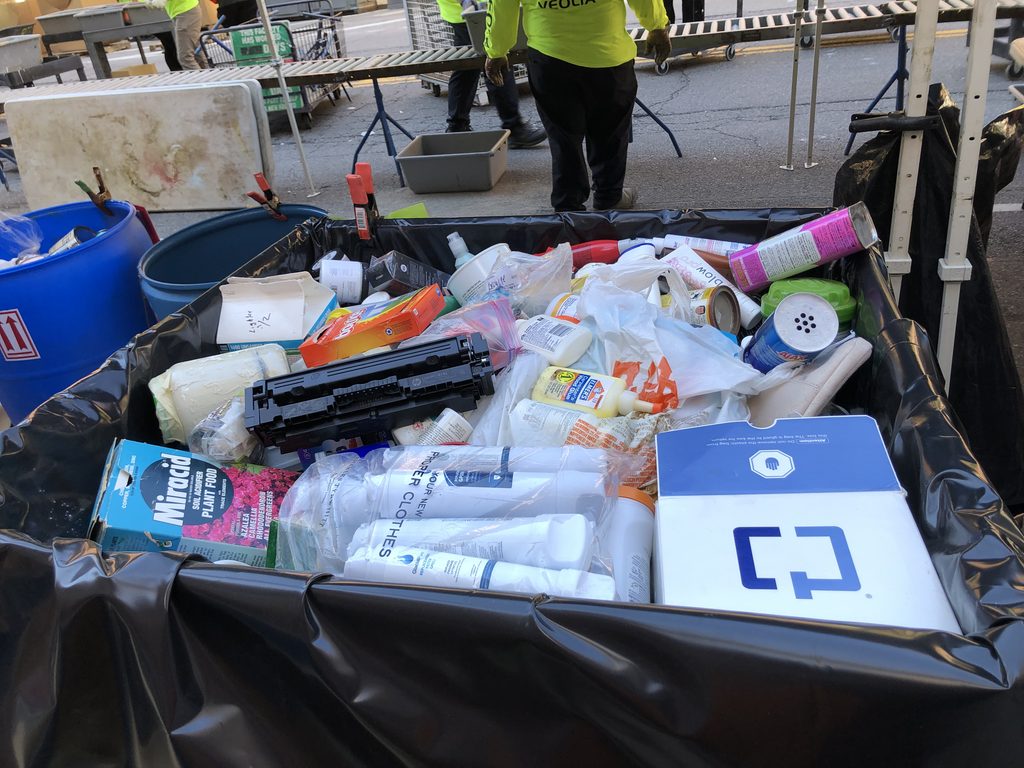
Important: Do not mix items together. Make sure that you make double-bagged with absorbent material like paper towels or newspaper.

What Happens at the Event

You will see multiple tents at the site. Staff and volunteers guide participants on where to drop off each type of item. Smoking or open flames are strictly prohibited for safety reasons.

The DSNY team also provides information pamphlets and eco-friendly shopping bags made from recycled materials. If you want to responsibly dispose of leftover paint, chemicals, or electronics, this is the perfect opportunity.

Don’t Throw Electronics in the Trash!

Throwing away computers or batteries in your building’s trash area can result in fines.
These must be dropped off at SAFE events or through official recycling programs.
After collection, electronics are sent to facilities like ERI for proper dismantling and refurbishing.

NYC’s Goal: Zero Waste to Landfill by 2030

For decades, New York City sent its trash to the Fresh Kills landfill in Staten Island.
After it closed, waste was redirected to other states like New Jersey, leading to environmental issues such as water pollution and unpleasant odors.

Now, NYC is working toward its ambitious “Zero Waste by 2030” goal.
Participating in programs like SAFE Disposal is a vital step toward a cleaner, greener city.

For Business Owners: Tax Benefits

If you operate a business in NYC, you can benefit from city-sponsored sustainability programs such as:

These not only support the environment but may also provide tax-saving opportunities.

Summary

Properly disposing of hazardous waste is crucial for keeping New York City clean and safe.
The SAFE Disposal Event only happens twice a year, so mark your calendar early and don’t miss it!

Unlike Japan, New York’s waste disposal rules are more relaxed, so it’s up to each resident to act responsibly. Together, we can help NYC move closer to a zero-waste future

Back to Home

Is the Japan Rail Pass Worth It in 2025? A Complete Guide for American Travelers

Is the Japan Rail Pass Worth It in 2025? A Complete Guide for American Travelers

What is the Japan Rail Pass?

The Japan Rail Pass (JR Pass) –Website-is a special ticket designed for foreign tourists. It allows unlimited travel on most JR trains — including Shinkansen (bullet trains) — within a set period (7, 14, or 21 days). However, note that it cannot be used on Nozomi or Mizuho services. Seat reservations are possible, which is especially useful during peak seasons.

For travelers who want to explore Japan by train, this pass can be a convenient option. But with the major price increase in October 2023, many are asking: is it still worth it in 2025?

Latest Japan Rail Pass Prices (2025)

As of 2025, the official JR Pass prices are:

  • 7-day Ordinary: ¥50,000 (~$330)
  • 14-day Ordinary: ¥80,000 (~$535)
  • 21-day Ordinary: ¥100,000 (~$670)

Green Car (First Class):

  • 7-day: ¥70,000
  • 14-day: ¥110,000
  • 21-day: ¥140,000

💡 Note: USD amounts depend on the exchange rate.

When Does the JR Pass Make Sense?

For American travelers, the pass is most valuable if you:

  • Plan multi-city travel: Tokyo → Kyoto → Hiroshima → Osaka.
  • Take several long-distance rides within a short time.
  • Want the freedom to hop on and off JR trains without buying separate tickets.

Example:

  • Tokyo → Kyoto round-trip (~$220)
  • Kyoto → Hiroshima (~$90)
  • Hiroshima → Tokyo (~$180)
    Total = ~$490 → A 7-day JR Pass ($330) saves you money.

When the JR Pass May Not Be Worth It

  • If you mainly stay in one city (Tokyo, Osaka).
  • If your trip is slow-paced with limited long-distance travel.
  • If regional passes (like Kansai or JR East) cover your itinerary more cheaply.

Buying the JR Pass in the U.S.

You must purchase the pass before arriving in Japan. In New York and other U.S. cities, you can buy from travel agencies such as:

  • Amnet
  • HIS
  • IACE Travel

Some agencies may offer slightly cheaper prices in USD. For example, one traveler bought a 7-day pass via Amnet for $220, picking it up directly at their Manhattan office.
Special Case: Japanese Nationals Living Abroad

Though intended for foreign tourists, some Japanese nationals abroad can qualify if they:
  • Hold a U.S. Green Card for 10+ years (valid only for U.S., Canada, Brazil).
  • Provide a Certificate of Overseas Residence proving 10 years abroad.
  • Submit a copy of the Residence Registration (在留届の写し) from the Japanese consulate.

If you don’t meet these, you may not be eligible.

Tips for Using the JR Pass

  • Activate wisely: Start your pass on the day of your first long-distance trip.
  • Reserve seats: Shinkansen can get crowded, especially during holidays.
  • Bring documents: Passport is always required when using the pass.
  • Compare costs: Sometimes, regional passes or single tickets are cheaper.

Conclusion

The Japan Rail Pass remains one of the most convenient ways to explore Japan — but after the 2023 price increase, it’s not always the automatic money-saver it once was. For Americans planning to visit multiple cities, it can still offer great value. The key is to calculate your route costs and decide if the pass is right for you.

Apple Card 2025: Features, Savings, APR, and How to Open an Account

Apple Card 2025: Features, Savings, APR, and How to Open an Account.

Apple Card isn’t just a credit card — it’s part of Apple’s growing financial ecosystem, created in partnership with Goldman Sachs. In 2023, Apple launched its Apple Card Savings account, offering competitive interest rates for iPhone users. As of January 2024, the APY reached 4.5%, higher than typical U.S. bank savings accounts.

In this guide, we’ll cover everything about Apple Card in 2025: credit card features, Daily Cash, APR, savings account setup, pros/cons, and practical tips for maximizing interest and rewards.

Key Updates for 2025

  • Variable APR: 18.24%–28.49% depending on creditworthiness (check Wallet app for your exact rate).
  • Apple Card Savings APY: 4.5% as of early 2024; slightly lower than peak 2023 rates but still competitive.
  • Issuer news: Goldman Sachs continues to issue Apple Card; JPMorgan Chase has been reported in talks to potentially take over the portfolio, though nothing is finalized.
  • Regulatory matters: Apple and Goldman Sachs have faced CFPB enforcement actions regarding transaction and dispute handling.

Apple Card Features

Daily Cash

Cash back is credited daily depending on the merchant and payment method:

  • 3% on Apple purchases
  • 2% with Apple Pay
  • 1% on physical card purchases

Apple Card Monthly Installments (ACMI)

0% APR financing for eligible Apple products. Taxes/shipping may not be included. Standard APR applies if not using ACMI.

Family & Co-ownership

Share an Apple Card with up to five family members, allowing credit building and limit management.

How to Open an Apple Card Savings Account

Apple Card holders in the U.S. can open a savings account with up to 4.5% APY, FDIC-insured via Goldman Sachs. Here’s a step-by-step guide:

1. Requirements

  • Latest iOS version (16.4.1 or newer)
  • Apple device
  • U.S. residency

2. Daily Cash Selection

  • Open Wallet → tap Apple Card → More Options → Daily Cash → next screen.

3. Setup Screen

  • Tap Set Up → Continue → Agree to Terms and Conditions
  • Answer tax-related questions correctly

4. Linking Bank Accounts

  • Add cash from linked bank account
  • Withdraw to any U.S. bank no fee

5. Deposit Limits

  • Single deposit: $10,000
  • 7-day cumulative: $20,000
  • Max balance: $250,000 (excluding Daily Cash or earned interest)

6. Interest Growth

  • Interest compounds monthly
  • Daily Cash can be automatically deposited into savings
  • Small deposits can add up to substantial interest over time

FDIC Coverage

Goldman Sachs membership ensures deposits are protected in case of bank failure.

Pros and Cons

Pros

  • Seamless Apple ecosystem integration
  • Daily Cash is convenient
  • No annual or foreign transaction fees

Cons

  • High APR for carried balances
  • Savings APY decreased slightly in 2025
  • Regulatory and issuer uncertainty

Practical Tips

  1. Use ACMI for eligible Apple products to enjoy 0% financing
  2. Pay balances in full to avoid high APR
  3. Deposit Daily Cash into Apple Savings for compounding interest
  4. Monitor deposit limits to maximize interest growth

Who Should Get Apple Card

Best for: iPhone users who pay their balance in full, value Daily Cash, and want excellent Wallet integration.
Not recommended for: People who carry balances and want the lowest APR or balance transfer options.

Summary

Apple Card 2025 combines a modern credit card with high-yield Apple Savings, Daily Cash rewards, and strong ecosystem integration. While Japanese users cannot open accounts yet, U.S.-based Apple users can enjoy convenience, FDIC protection, and competitive interest rates. Use Daily Cash strategically to build savings and maximize rewards over time.