Monthly Archives: July 2022

Ivy league college name list

Want to Get Into the Ivy League? Start with Graduate School

Want to Get Into the Ivy League? Start with Graduate School

Ivy league college name list

Dreaming of an Ivy League education? For many international students and professionals, applying to graduate school is the most effective path. Learn why graduate-level Ivy League degrees matter for careers in law, medicine, business, and the arts.

Estimated reading time: 4 minutes

Why Graduate School Is the Smart Path to the Ivy League

In the U.S., your final degree matters most when it comes to careers and salary. Statistics show that people with a master’s or doctoral degree tend to earn more. That’s why, if you want a prestigious academic background, applying to the Ivy League at the graduate level is a highly recommended strategy.

Is New York City a Society Obsessed with Credentials?

It depends. In Manhattan, the answer is often yes. Your alma mater can strongly influence how people perceive your skills and potential.

For elite professions such as:

  • Law
  • Medicine
  • Finance and Investment
  • Scientific Research
  • IT, Arts, and Literature

—an Ivy League degree can be a huge advantage.

For example, an American friend studied Japanese Literature at the University of Pennsylvania and is now working in education in Asia. Graduating from the Ivy League not only builds expertise but also boosts confidence.

Why Ivy League Training Matters in Law

One of my piano students in New York is a Columbia University–educated corporate lawyer. He explained that becoming a top legal advisor requires the intense training, resources, and discipline that only top universities provide.

He emphasized the importance of:

  • Strong skills in document preparation
  • Organizational abilities
  • Rigorous training to avoid errors
  • Access to rich legal resources and networks

This confirmed my belief that for law and similar professions, Ivy League training is invaluable.

The Ivy League Circle in Manhattan

Most of my adult piano students in Manhattan are professionals—lawyers, doctors, professors—and many are Ivy League graduates. It’s common in certain New York circles for parents to have graduated from schools like Columbia, Harvard, Yale, or top California universities such as UC Berkeley or UCLA.

The Ivy League often signals a certain level of achievement, especially in elite fields.

Companies That Invest in Graduate Education

Graduate school is not just about personal ambition. In many cases, U.S. companies will sponsor tuition if the degree helps build necessary expertise.

For instance, one of my friends worked at the School of Visual Arts in New York, and later pursued a graduate degree at Columbia University’s Teachers College—with tuition fully covered by the institution.

This shows that Ivy League graduate study isn’t only for the wealthy—it can also be supported by employers who see it as an investment.

Is Graduate School Worth It

From personal experience, I believe the answer is yes. Graduate school deepens your expertise in ways that an undergraduate degree cannot. It allows you to:

  • Focus on specialized research
  • Build professional networks
  • Gain access to resources and mentors at the highest level

For those aiming for elite careers or international opportunities, an Ivy League graduate degree can be transformative.

Final Thoughts

If you want to enter the Ivy League, consider graduate school as your path. While undergraduate admission can be extremely competitive and sometimes linked to wealth or family background, graduate programs focus more on merit, research interests, and professional goals.

With the right preparation, funding opportunities, and career alignment, an Ivy League graduate degree can open doors to careers in law, medicine, business, research, and beyond.

Return to Home
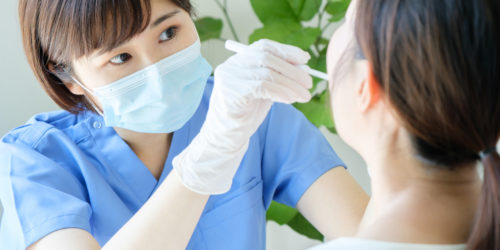
dentists in Japan

Dentist in Japan Without Insurance: My Experience

Dentist in Japan Without Insurance: My Experience

dentists in Japan

Visiting the dentist in New York can cost a fortune, but in Japan, even without National Health Insurance, dental cleaning is surprisingly affordable. Discover the costs, tips for better brushing, and why going to the dentist in Japan is worth it.

Estimated reading time: 3 minutes

Why I Went to the Dentist in Japan

During a short trip back to Japan, I decided to visit a dentist. Living in New York, dental treatments often come with shocking bills—sometimes even a simple cleaning can cost around $300–$350 (about ¥40,000).

This time, I wanted to save money by getting dental care in Japan—and it was absolutely worth it. Not only did I spend much less, but I also learned updated tips on how to take better care of my teeth.

How Much Does It Cost Without National Health Insurance?

Even without Japan’s National Health Insurance, the price difference compared to the U.S. is huge.

Here’s what I paid during my visit:

  • Dental cleaning: ¥4,500
  • Gel toothpaste: ¥700
  • Floss: ¥300
  • Total: ¥5,500 (about $37)

In comparison, the same cleaning in New York would easily be around ¥40,000.

Updated Brushing Techniques I Learned

Every time I visit a dentist in Japan, I’m impressed by how carefully they teach brushing techniques. This time, the dental hygienist also explained how oral health affects overall health.

I learned that before surgeries, doctors often recommend dental treatment first—because gum disease and plaque can negatively impact your body. Keeping the spaces between teeth clean and “breathable” is essential for long-term health.

Here are the key tips I received:

  • Apply fluoride toothpaste on floss before use.
  • Floss each tooth one by one, gently rubbing.
  • Use interdental brushes—and also apply fluoride toothpaste to them.
  • Focus on cleaning the triangular spaces between teeth, not just the surface.
  • Brush while looking in a mirror.
  • Divide your mouth into four sections and brush systematically: upper right → upper left → lower right → lower left (inside, surface, outside).
  • Avoid brushing within 1 hour after meals (your mouth is more acidic).
  • Electric toothbrushes are not always the best.
  • For back teeth, keep your mouth half open and relaxed to reach deeper.
  • Slight amounts of fluoride are safe, but poor brushing habits are far more harmful.
  • Coffee and wine don’t cause tartar buildup—bad brushing does.

These tips completely changed the way I care for my teeth.

If you’re looking for high-quality dental care products, I recommend BOKA. Their toothpaste and brushes are designed with enamel safety in mind. You can check out their website.

Final Thoughts

For those living in the U.S., I strongly recommend visiting a dentist in Japan if you get the chance. Even without National Health Insurance, the cost is much lower than in America, and the service is more thorough.

I hope these brushing tips from a Japanese dental hygienist help you keep your teeth and gums healthy. A little extra care now can prevent big dental bills later—especially in New York!

Return to Home

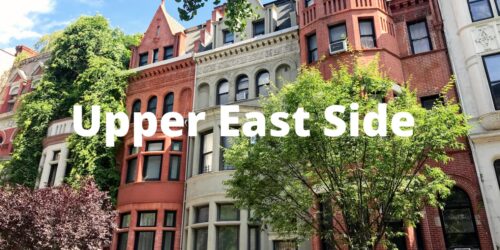
Upper East Side Cover photo

Upper East Side NYC: A Local’s Experience Explained

Upper East Side NYC: A Local’s Experience Explained

Having lived in the United States for 20 years, I’d like to share what I loved most about living in Manhattan’s Upper East Side. Back then, I lived near York Avenue, one of the easternmost avenues in Manhattan.

Estimated reading time: 4 minutes

The Upscale Atmosphere of the Upper East Side

The Upper East Side stretches from Central Park to the East River. This area, especially near Central Park and Madison Avenue, is home to some of the wealthiest people in New York. On one occasion, I even saw Robert De Niro in Central Park! I saw him one time!

Rent in the Early 2000s

Rent in the Upper East Side decreases as you move closer to the highways, but even “cheaper” rates are still high by Japanese standards. Around 20 years ago, rent was approximately $1,000–$1,500 per month, but today it can reach $3,000–$4,000 per month now and even more.

Back then, I shared an apartment with three roommates and paid about $500 per month. Over the years, residents in Manhattan have aged, and properties near Central Park have likely become multi-million-dollar assets.

Walkable and Scenic

What the most I enjoyed living that neighborhood was Walking through the Upper East Side, especially in spring, is refreshing. From any point in the neighborhood, you can reach Central Park on foot. Imagine strolling between European-style brick buildings and blooming flowers in the early spring—it’s truly delightful. In autumn, the fall foliage is stunning and inspiring.

Safe and Convenient Transportation at Night

The Upper East Side was also home to Carrie Bradshaw from Sex and the City. Remember those scenes where she returned home by yellow cab late at night? That was everyday life before Lyft and Uber arrived.

Courtesy: Sex and the City

Today, Lyft and Uber allow ride-sharing, but taxis are still reliable in the Upper East Side. Even after midnight, you can always find a ride—a convenience not guaranteed in other parts of Manhattan. If you live in a different borough, sometime, it’s hard to catch one.

Running Along the East River Greenway

The Upper East Side features a beautiful running route along the East River, from 71st to 89th Street. You can see Roosevelt Island and Queens across the river. Spring and autumn runs are especially enjoyable. Summer may be too hot, but winter running is refreshing. I used to walk there just to be relaxed from all the matters.

Walk or Bike, No Subway Need

If your workplace is in Manhattan, living here allows you to commute without relying on the subway. Citi Bike stations are abundant and allow flexible pick-up and drop-off.

Convenient Japanese Grocery Delivery

Sunrise Mart is the most famous Japanese grocery store in NYC. In the Upper East Side, purchases over $50 can be delivered directly to your home. Back then, I did my weekly shopping this way—it was extremely convenient. This area also has many Japanese restaurants and bars, making it popular among expatriates.

Summary

Living in the Upper East Side was extremely efficient. Everything was within walking distance, allowing me to complete daily tasks within 30 minutes. In contrast, living in other areas often meant spending an hour or more commuting due to subway construction or delays. For those seeking convenience, safety, and a scenic environment, the Upper East Side is a top choice.

Back to Home

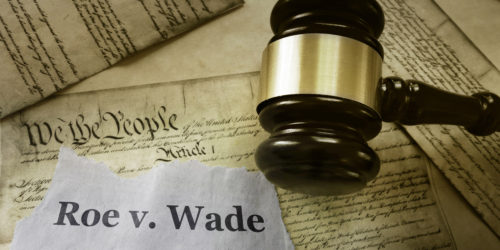
Understanding Roe v. Wade: The U.S. Abortion Debate Explained

Understanding Roe v. Wade: The U.S. Abortion Debate Explained

The abortion issue in the United States has become one of the most debated topics in recent years. Many states now limit a woman’s ability to make decisions about her own body, and this issue has played a significant role in recent U.S. presidential elections.

What Happened on June 24, 2022

On Friday, June 24, 2022, the U.S. Supreme Court ruled that abortion is illegal after a fetal heartbeat is detected (around six months of pregnancy) even if the woman is healthy. This means that in some states, women cannot legally terminate an unwanted pregnancy, even in cases of rape.

However, this is a federal decision, and some states—like New York and California—still protect the right to choose abortion. In contrast, eight states, including Texas, now ban most abortions. Women seeking abortions in restrictive states face major financial and logistical challenges.

Roe v. Wade: Who Were Roe and Wade?

In the U.S., court cases are often named after the people involved.

  • Roe: Norma McCorvey, who used the pseudonym “Jane Roe” to hide her identity. She filed the case in the early 1970s after an unwanted pregnancy. Norma came from a difficult background, having faced poverty and assault. Though her initial case allowed her to legally seek an abortion, she ultimately gave birth to the child.
  • Wade: Henry Wade, the district attorney of Dallas, Texas. He became widely known due to this case and also handled the prosecution related to the assassination of John F. Kennedy.

In 1973, Roe won her case based on the interpretation of the 14th Amendment’s right to privacy, which protects a woman’s right to make decisions about her own body. This became the legal foundation for abortion rights in the U.S.

Why the Supreme Court Reversal Matters

The recent Supreme Court decision overturned Roe v. Wade, stating that abortion is not protected under the 14th Amendment’s privacy clause. Some reasons for the ruling include:

  • Protection of the mother’s health and religious interpretations
  • Conservative ideology influencing the judiciary

The current Supreme Court has 9 justices:

  • 3 Democratic-leaning
  • 6 Republican-leaning, including 3 appointed by Trump, such as Amy Coney Barrett, known for her conservative stance

This shift in the Court means major U.S. policies may lean conservative, affecting not only abortion but also issues like:

  • Gun control
  • Immigration policies
  • Diversity and civil rights protections

State-Level Impact

Texas

Abortion is now heavily restricted. Doctors performing abortions may face harsh penalties, including up to 10 years in prison or large fines. Hospitals have paused abortion procedures to comply with state law.

New York

While New York currently protects abortion rights, federal changes may influence regulations in fertility treatments, IVF, or pre-implantation diagnostics.

Why This Matters Beyond the U.S

Even for Japanese citizens living in the U.S., this issue is relevant. Laws can directly affect personal safety, medical access, and women’s rights. It also highlights how the law can shift national policies based on the ideology of appointed judges, a lesson for all democracies.

Conclusion

The Roe v. Wade reversal is a significant legal and social event in the United States. While it may seem distant to some, understanding this decision is crucial for anyone living in the U.S., studying there, or following global women’s rights movements.

Return to Home