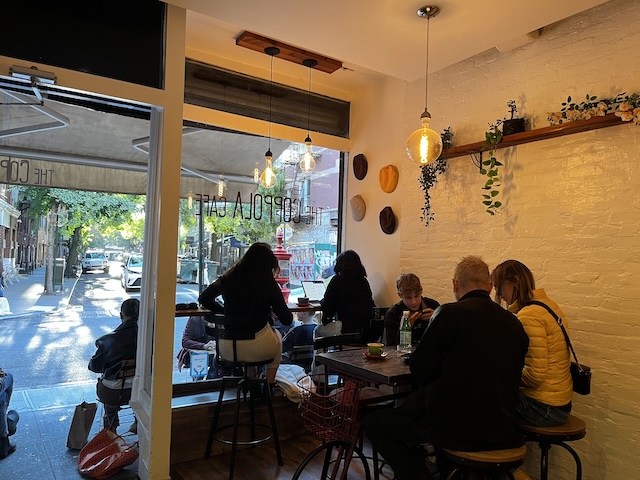
Café Coppola: A Hidden Gem in New York’s West Village

Café Coppola: A Hidden Gem in New York’s West Village
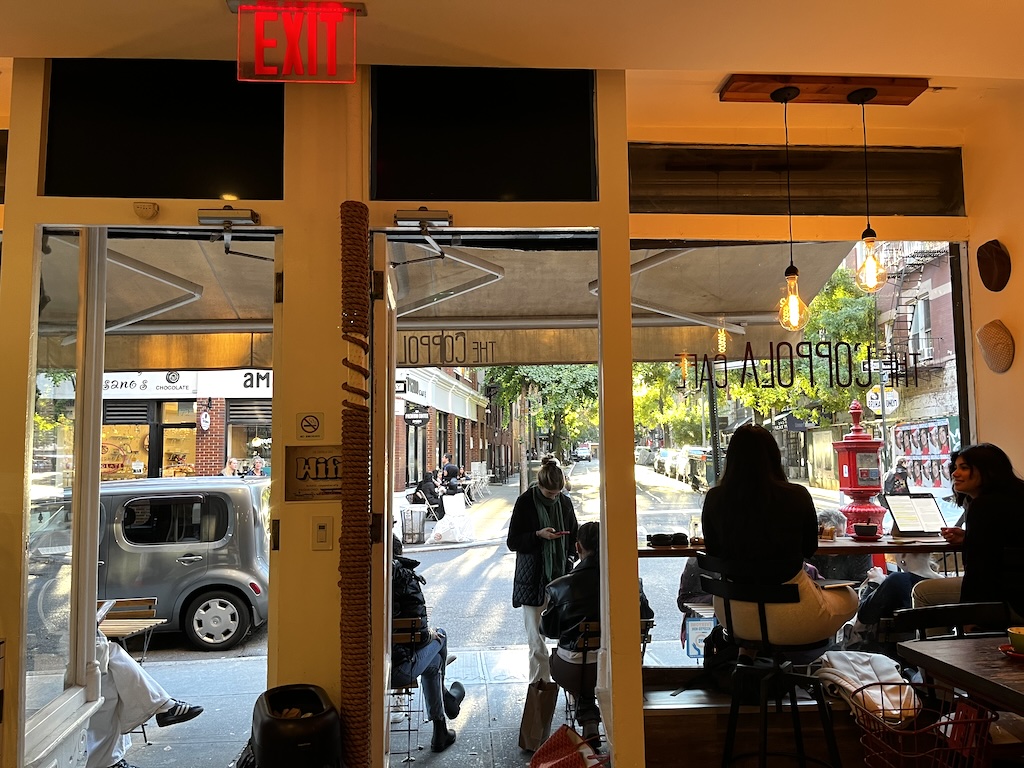
カフェコッポラの写真

Estimated reading time: 4 minutes

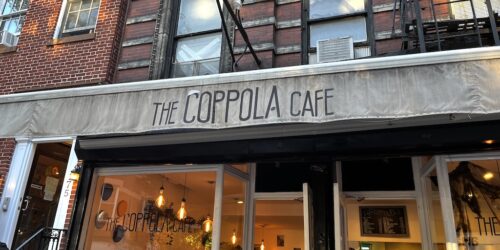
It’s been a while since my last café-hopping article in New York, and today I’m excited to introduce a charming little spot in West Village — Café Coppola.

The History and Charm of Café Coppola

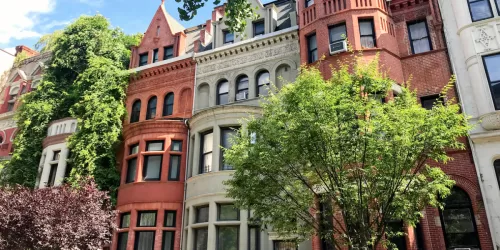
Located in the heart of West Village, Café Coppola is a cozy hideaway loved by both locals and tourists. Established in the 1980s, it has grown alongside the neighborhood’s vibrant cultural and artistic scene.

The café’s name comes from the legendary Italian-American filmmaker Francis Ford Coppola, making it a favorite spot for movie lovers as well. Personally, I also adore Sofia Coppola’s films, so visiting this café feels extra special.

Cozy Atmosphere with an Italian Touch

One of Café Coppola’s biggest charms is its warm, homey vibe. Antique furniture and soft, rustic décor transport you straight to a small family café in Italy. It’s the perfect place to relax, enjoy a cup of coffee, and soak in the neighborhood’s artistic spirit.

What’s on the Menu?
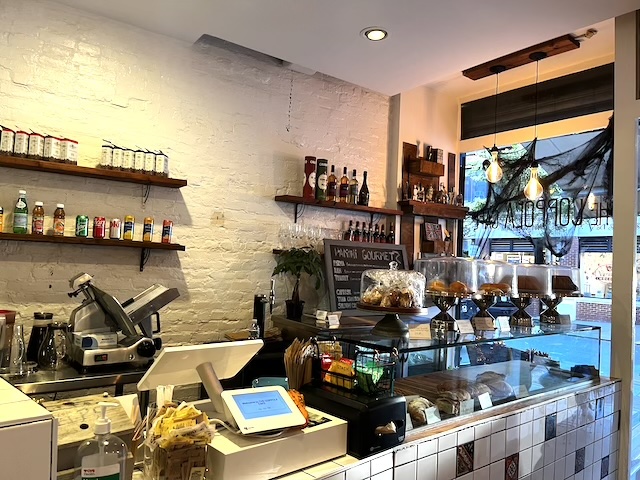
Café Coppola offers a wide variety of authentic Italian coffee — from espresso and cappuccino to creamy lattes. For breakfast and brunch, their croissants and paninis are popular.

Must-try favorites:

  • Coppola Special Latte – A perfect balance of smooth espresso and rich, frothy milk.
  • Prosciutto & Mozzarella Sandwich – Savory prosciutto paired with fresh mozzarella, served on crunchy baguette.

The café also caters to different dietary needs, with vegan and gluten-free options available.

Location and Access

You’ll find Café Coppola right in the center of West Village, surrounded by art galleries and unique boutiques.

Address: 171 West 4th Street, New York, NY 10014
Nearest subway: Christopher St – Sheridan Sq (Line 1), about a 5-minute walk.

The cobblestone streets and historic buildings nearby make it a lovely area for a leisurely stroll before or after your coffee break.

Follow them on Instagram: The Coppola Cafe

Final Thoughts

If you’re looking for a relaxing hidden gem in West Village, Café Coppola is the place to be. With its rich history, Italian-style coffee, and cozy charm, it’s the perfect spot to enjoy quality time with friends — or even just with a good book.

Next time you’re in New York, treat yourself to a cup of coffee at Café Coppola and experience the true essence of West Village.

Back to Home

Why Japan’s Old English Methods Failed — And What Really Works Now

Why Japan’s Old English Methods Failed — And What Really Works Now

why Japanese failed learning English

One of the reasons I started writing my blog in English is to help Japanese people improve their English reading skills.

When I browse through Japanese blogging communities — especially on Blog Mura — I notice that most posts are written entirely in Japanese, especially in the “English learning” sections. Of course, we only have 24 hours a day. If we spend most of that time surrounded by Japanese content, our exposure to English stays very limited.

That’s why I decided to write in English — so readers can experience English naturally, not just study it through translations or textbooks.

Why Do Japanese People Struggle with English?

It’s no secret that Japanese people tend to have lower English proficiency compared to many of our Asian neighbors. Over the last twenty years, I’ve seen this gap grow. People from Taiwan, Indonesia, Malaysia, and even Mongolia often speak English more comfortably than we do.

Among my musician friends in Japan, only a few can speak English well — and even fewer can read it confidently. I include myself in this; I’ve had to work hard to catch up. But why is this happening?

1. The TOEFL Test Has Become Harder

International English standards have risen. Exams like TOEFL and IELTS now require natural communication skills, not just grammar knowledge. Unfortunately, Japan’s English education system hasn’t evolved fast enough to keep up.

I also believe the recent decrease in Japanese students studying abroad isn’t only because of the yen–dollar exchange rate. The TOEFL iBT exam itself has become a real barrier — it filters out many Japanese students who haven’t had enough training in practical English communication.

2. The Education System Focuses Too Much on Grammar and Vocabulary

Most Japanese schools teach English in Japanese. Students spend years memorizing words and grammar rules, but they rarely use English to think or communicate. This creates a “translation mindset” — always converting English into Japanese instead of understanding it directly.

3. Lack of Critical Thinking and Expression Training

This issue goes deeper than just English. In Japan, students don’t often get the chance to discuss, debate, or express personal opinions — even in Japanese. So when it comes to English, we not only lack words but also the confidence and habit to express ourselves.

Before we can speak well in English, we need to practice speaking up in Japanese, too.

So How Can We Improve?

1. Read in English

Reading is the foundation. Blogs, articles, even short social media posts — try reading in English every day. Start small, but do it consistently. Your brain needs English input to think in English.

2. Speak — But Don’t Force It

Many people say, “Find foreigners to speak English with.” That’s helpful, but not the whole answer. The real problem is that Japanese people are not used to expressing opinions clearly, even in Japanese.
We need to build a culture — both in schools and in society — where open discussion and self-expression are encouraged.

3. Write — Even Short Notes

With AI tools improving, writing practice is becoming easier. You can write blog posts, journal entries, or even social media captions in English. Use tools like ChatGPT or Grammarly to check your writing and learn from it.

4. Listen and Watch in English

This is the easiest way to stay immersed. Watch movies, YouTube videos, or listen to podcasts in English. You don’t need to understand everything — just keep your ears used to the rhythm and sound of natural English.

Final Thoughts

Improving English isn’t about talent; it’s about exposure and mindset. The old methods — memorizing grammar and vocabulary lists — don’t work anymore.

If we start reading, writing, and thinking in English little by little every day, Japanese learners can absolutely catch up. Let’s move beyond the classroom and create our own English environment — one blog post, one thought, one word at a time.

Back to Home

Zohran Mamdani: NYC’s First Asian Muslim Mayor (2025)

A Historic Moment for New York City

Zohran Mamdani has made history as the first Asian Muslim mayor of New York City, elected on November 4, 2025. His victory represents a milestone for diversity and progressive leadership in one of the world’s most influential cities.

Born in Uganda, Africa, Mamdani moved to the United States when he was five years old. Both of his parents are highly accomplished — graduates of Harvard and Columbia University. His mother is a well-known filmmaker, and Zohran himself attended Bronx High School of Science, one of New York’s most prestigious public schools, comparable to Hunter College High School, which I mentioned in a previous post.

My Political Stance: Liberal, but Not Far-Left

I consider myself a liberal, but I don’t fully align with the far-left socialism that Zohran Mamdani and many of his supporters represent.

Still, I’m genuinely happy about his election — my husband even voted for him! Yet, we must remain realistic and see how much he can actually deliver on his promises.

On Capitalism and the Wealth Gap in New York City

Zohran Mamdani’s criticism of capitalism is one area where I disagree with him.

It’s true that capitalism has deepened the gap between the rich and people with low-income. Walking through the city, it’s heartbreaking to see the rising number of homeless and drug-addicted individuals. This is an urgent social issue that must be addressed.

However, I believe that capitalism can also be part of the solution — if wealthy people are willing to share their resources generously. New York City’s economy thrives because many wealthy individuals still give back through philanthropy, investment, and community support. Not everyone who succeeds financially is an enemy of social progress.

Instead of fighting the rich, I believe we should encourage more generosity among them.

How My Perspective Changed by Working in Manhattan

Over the years, my ideas have changed greatly through my experiences working in Manhattan.

I believe that where you work and where you study strongly shape your ideology. When I studied at CUNY, I was surrounded by many students from working-class backgrounds. That environment influenced me to think like a far-left liberal, with strong beliefs in equality and social justice.

However, once I began running my own business and meeting wealthy clients and professionals, my perspective started to evolve. I realized that many of them are not bad people — in fact, many contribute significantly to society. I also came to understand why they feel the need to protect their assets.

Still, I noticed two very different kinds of wealthy families: those who genuinely care about society and those who don’t.

That’s why I hope Mayor Zohran Mamdani will go deeper into this issue — to work closely with socially conscious wealthy individuals, and also to educate those who are not yet aware of their potential role in building a fairer, more compassionate city.

A Conversation That Changed My Perspective

Recently, I attended a concert at Lincoln Center. During the intermission, a man sitting next to me started a conversation. His family was quite loud, and though he seemed pleasant, I was surprised to learn that he was a Trump supporter.

He claimed that Columbia University had become a dangerous place because of the pro-Palestine protests earlier this year. Since I am part of the university community, I knew that wasn’t true. The demonstrations were peaceful — no one was hurt — and even Orthodox Jewish students participated. This reminded me how misinformation can spread so easily.

The man, an immigrant from Greece and a real-estate businessman in Queens, had become wealthy but lacked understanding of broader social realities. He spoke negatively about undocumented immigrants, even though it was the previous administration that welcomed them before policy changes took place. How can someone feel happy seeing others suddenly detained or relocated to harsh camps?

This experience showed me how education and empathy are just as important as wealth or success.

What I Hope Mayor Zohran Mamdani Will Do

I hope Mayor Mamdani focuses on educating and engaging wealthy New Yorkers who may lack awareness of social inequality. We need leadership that bridges divides — not only between rich and poor, but also between communities, ideologies, and generations.

New York City deserves a future where economic opportunity and compassion coexist. Zohran Mamdani’s election is a symbol of progress — but the real work begins now, in how he brings people together to make change happen.

Final Thoughts

Zohran Mamdani’s rise to leadership is a historic milestone for Muslim and immigrant representation in American politics. As a liberal, I support his vision of equality — even as I remain cautious about his economic ideology.

In the end, leadership isn’t about ideology alone; it’s about uniting people to build a fairer city for all.

The cover image is from Zohram Mamdani’s website. Photographer Kara McCurdy

Back to Home

Japanese Hair Products for Healthy Locks

Japanese Hair Products for Healthy Locks

Asia beautiful hair

Estimated reading time: 4 minutes

Living in New York City means battling harsh, dry weather almost year-round, and the water can really take a toll on your hair. My hair used to feel brittle, frizzy, and dehydrated no matter how much I conditioned it with other products.

Eventually, I returned to Japanese hair products after learning about them from my hairstylist at a popular salon in the Lower East Side, and they have completely restored my hair to its normal, healthy condition. These products not only nourish and hydrate but also help maintain smoothness and shine—even in the driest weather.

Why I Use Japanese Hair Products

The main purpose of my hair care routine is hydration and overall hair health. Japanese shampoos and conditioners are renowned for their high-quality ingredients, light formulas, and long-lasting effects. By choosing products I trust and have personally tested, I ensure that my hair stays manageable, healthy, and soft without feeling weighed down.

1. Milbon Shampoo & Conditioner

Milbon is a staple in my hair routine. Its lightweight yet nourishing formula keeps my hair hydrated without any buildup. After using Milbon, my hair feels smooth and soft, even after blow-drying. I’ve been using this product for a very long time.

Its main purpose is to cleanse your scalp. Most Japanese beauty hair salons use this product, and I learned about it from my hairstylist. It’s expensive, but it lasts a long time because you only need a small amount. My stylist also said it’s okay to use a different conditioner. She recommended Tsubaki, but it didn’t work for me. You’ll see it listed below.

Benefits:

  • Long-lasting hydration
  • Smooth and frizz-free hair
  • Strengthens hair from roots to tips

Check Milbon on Amazon

Disclosure: This post contains Amazon affiliate links. As an Amazon Associate, I earn from qualifying purchases at no additional cost to you.

2. NatureLab. TOKYO Hair Care

NatureLab.TOKYO products are perfect for keeping hair healthy, especially in dry climates. Their gentle formulas help repair damage while leaving hair naturally shiny. The shampoo and conditioner are mostly chemical-free, so they’re great for sensitive skin. That said, my stylist pointed out that a tiny bit of chemicals can actually be helpful—fully organic shampoos can sometimes leave hair dry or fragile. Overall, I’ve found Tokyo Lab to be effective and gentle, making it a solid choice for maintaining healthy, shiny hair.

Benefits:

  • Prevents hair breakage
  • Adds shine and softness
  • Ideal for daily use
  • Non chemical

NatureLab.TOKYO on Amazon

3. Tsubaki Shampoo & Conditioner

Tsubaki is a classic Japanese brand, loved for its nourishing oils and silky finish. It’s great for restoring moisture to dry hair while keeping it light and manageable. However, it’s not ideal for people with oily hair—like me—or for those who sweat a lot. If you have extremely dry hair, it’s definitely worth trying. Just keep in mind that it’s not the best for your scalp, as it can sometimes clog pores for certain people.

Benefits:

  • Deeply hydrates dry hair
  • Smooth texture and natural shine
  • Silky hair

Check Tsubaki on Amazon

Disclosure: This post contains Amazon affiliate links. As an Amazon Associate, I earn from qualifying purchases at no additional cost to you.

Conclusion

Maintaining hydrated and healthy hair in NYC’s dry climate is a challenge, but Japanese hair products make it easier. Whether you try Milbon, NatureLab.TOKYO, and Tsubaki. These shampoos and conditioners have transformed my hair care routine. It is totally fine to combing using. The stylist said that it is important to consider your purpose of using specifically.

By investing in high-quality Japanese hair products, you can enjoy soft, shiny, and manageable hair every day.

Back to Home

Hatsuhana: A Taste of Traditional Edomae Sushi in the Heart of Manhattan

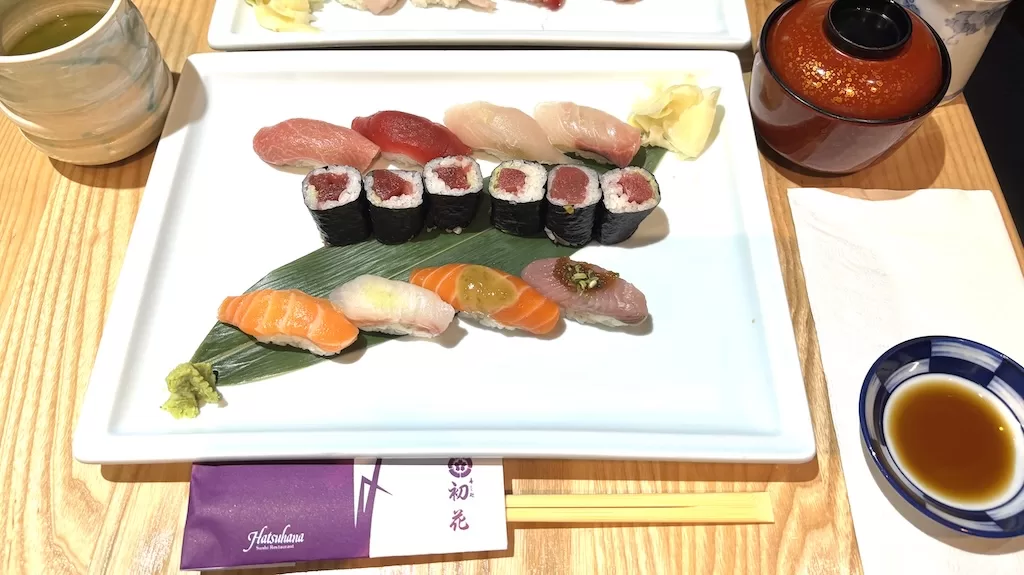
hatsuhana sushi delax menu

Hey everyone! It’s been a while—hope you’re doing well.
I, Maegami, am back here with a new update!

Last week, I had the chance to visit Hatsuhana Restaurant (website) now that the pandemic is finally behind us. The last time I was there was so long ago, I honestly don’t even remember when it was!

I found myself wondering what it’s like these days, so I decided to stop by with my husband.

The quality was just as amazing as I remembered, and I thought it was worth sharing here—especially if you’re looking for a Japanese-owned sushi restaurant in New York.

Hatsuhana

If you’re looking for truly authentic sushi in New York City—something refined, serene, and deeply rooted in Japanese tradition—Hatsuhana is the kind of place that quietly takes your breath away.

Tucked just off Fifth Avenue in Midtown Manhattan, this understated gem has been serving classic Edomae-style sushi since 1976, making it one of the city’s oldest and most respected Japanese restaurants.

The Menu – Really Decent

Recently, I’ve noticed that sushi in New York City is getting smaller. I’m not sure if it’s a trend or just a quiet shift across the scene—but Hatsuhana is thankfully keeping the traditional portion size.

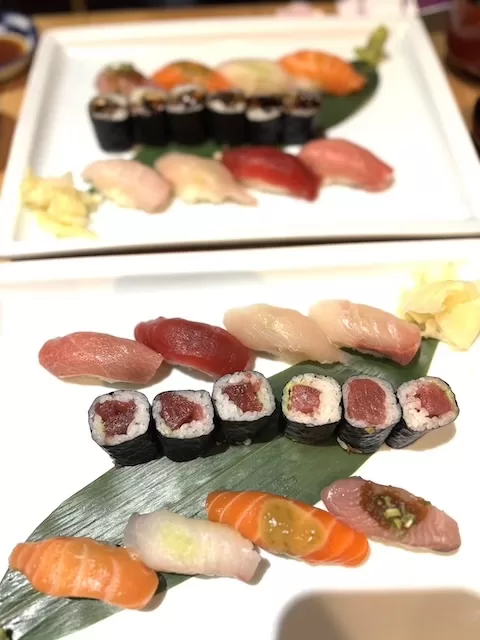
We ordered the Sushi Deluxe, which includes a choice of one roll from a set list.
Each plate is $36 + tax—exceptionally reasonable for this level of quality in Manhattan.

(Just for context, the last time we paid $500 for omakase elsewhere—but I won’t name names, because unfortunately, the quality didn’t meet our standards.)

Surprisingly, they haven’t raised the price. What I did notice, though, is that they’ve added more tables since my last visit.
It seems like they’ve found a smart way to maintain their authenticity and integrity while still adapting to the times.

Hatsuhana sushi picture

A Restaurant with a Quiet History and Deep Roots

The name Hatsuhana means “first flower of spring,” a poetic nod to the fleeting beauty and delicate artistry that define both Japanese culture and sushi itself.

Its founder, Katsuhide Sato, moved to the U.S. in the 1960s and opened Hatsuhana after facing a personal health crisis that prevented him from continuing as a sushi chef. But instead of leaving the culinary world behind, he created a space where his vision could continue—one where the focus would always remain on simplicity, freshness, and technique.

At a time when sushi was still a novelty in America, Hatsuhana offered the real thing. And it still does.

Simple. Elegant. Unforgettable.

At Hatsuhana, the menu avoids trends and flashy presentations. Instead, it leans into purity and tradition. Fish is flown in from Tokyo (Toyosu – Tsukiji moved to a new location in Tokyo) and sourced locally as well, ensuring every bite reflects the highest standards of freshness.

One of their most iconic offerings is the “Box of Dreams”, a lacquered bento-style box filled with a stunning selection of sushi. It’s delicate, elegant, and surprisingly satisfying—perfect for anyone who wants to try a bit of everything. I couldn’t believe they still have this on the menu, and I’m definitely planning to order it next time.

Unlike many modern sushi restaurants like Tsumo Sushi that only serve omakase, Hatsuhana also welcomes guests to order à la carte (“okonomi” style), making it accessible whether you’re a sushi connoisseur or a curious first-timer.

A Sanctuary in the City

The restaurant spans two levels:

  • The first floor offers calm, spacious table seating—perfect for a quiet lunch or a peaceful dinner.
  • The second floor features an intimate sushi bar, where you can watch the chefs at work and enjoy a more immersive experience.

Everything here feels intentional: the lighting, the decor, the flow of service. It’s a reminder that dining can be a meditative experience, not just a meal.

A Perfect Place for Solo Dining or Special Occasions

As a woman dining alone in the city, I’ve always appreciated restaurants that strike the right balance between warm hospitality and quiet elegance. Hatsuhana is exactly that kind of place. Whether you’re treating yourself to a solo sushi moment, catching up with a friend, or celebrating a birthday, it delivers a sense of calm and grace that’s hard to find in busy Manhattan.

Final Thoughts

If you’re searching for the best sushi in NYC that’s quiet, authentic, and rooted in history, Hatsuhana should be at the top of your list. It’s a restaurant that doesn’t try to impress with noise or gimmicks. Instead, it quietly wins your heart—with craftsmanship, quality, and timeless simplicity.

Add it to your New York dining list—you’ll walk out feeling nourished, body and soul.

Back to Home

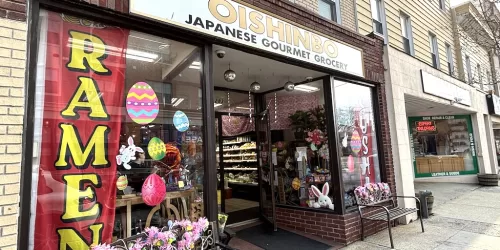
Discover Oishinbo Japanese Store in Harrison: A Hidden Gem for Authentic Japanese Goods

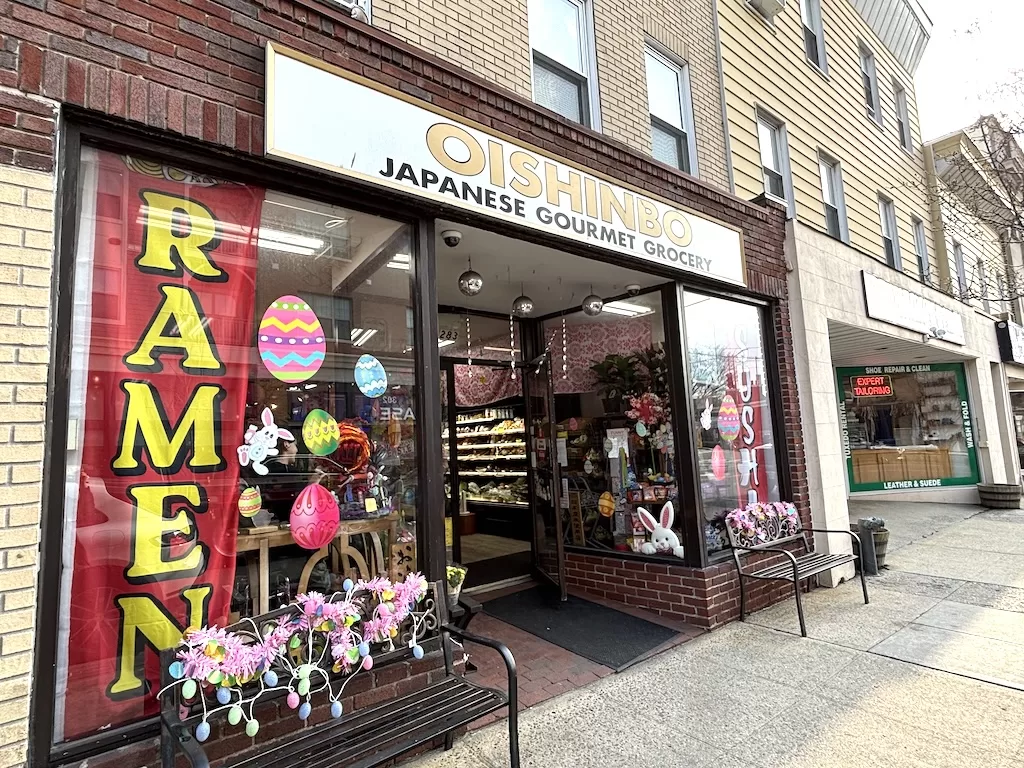
Oishinbo Japanese Store in Harrison, NY

Oishinbo Japanese store in Harrison

Estimated reading time: 3 minutes

If you’re a fan of Japanese cuisine, culture, or unique Japanese goods, Oishinbo Japanese Store in Harrison is a must-visit destination. Located just a short drive from New York City, this charming store offers a wide variety of authentic Japanese products that will transport you straight to Japan. Whether you’re a foodie or simply looking for something special, Oishinbo provides an unmatched experience.

Yelp link of Oishinbo

Why Oishinbo Japanese Store is a Must-Visit in Harrison

Oishinbo Japanese Store stands out for its carefully curated selection of Japanese food, snacks, kitchenware, and cultural items. Whether you’re preparing for a Japanese-themed dinner at home or looking for a unique gift, you’ll find something special here. The store is a favorite among locals and visitors alike, providing top-notch products that ensure you experience Japan’s rich culture from the comfort of your own home.

Check Japanese food cooking pages also !

What You Can Find at Oishinbo Japanese Store

  1. Authentic Japanese Snacks and Ingredients Oishinbo offers an impressive range of snacks, from savory rice crackers to sweet mochi, as well as all the essential ingredients to create your own Japanese meals at home. You’ll find premium soy sauce, miso, rice, noodles, and spices that make Japanese cooking a breeze.
  2. Japanese Kitchenware and Tableware For those who appreciate fine craftsmanship, Oishinbo carries a stunning selection of Japanese kitchenware and tableware. From delicate teacups to high-quality knives, these products not only serve as functional tools but also as beautiful works of art.
  3. Gifts and Cultural Items If you’re looking for unique souvenirs or gifts, the store features a variety of traditional Japanese items like kimonos, origami paper, and handcrafted pottery. These items make for thoughtful gifts and perfect keepsakes.

Oishinbo’s Commitment to Quality

One of the things that sets Oishinbo apart is its dedication to quality. Every item in the store is handpicked, ensuring that only the best products are offered to customers. Whether it’s their authentic Japanese tea or premium-quality knives, you can trust that you’re getting the real deal when you shop here.

The Convenient Location in Harrison

Oishinbo is conveniently located in Harrison, making it easily accessible for those in the Westchester area or those coming from New York City. The cozy, inviting atmosphere of the store makes it a wonderful stop for anyone looking to explore Japanese culture and bring a piece of Japan back home.

Customer Reviews: What People Are Saying About Oishinbo

Customers rave about the friendly and knowledgeable staff, the extensive product range, and the authentic feel of the store. Many appreciate the store’s attention to detail and its commitment to providing high-quality goods. It’s a top spot for foodies, collectors, and anyone looking to dive deeper into Japanese culture.

Conclusion: A Slice of Japan in Harrison

Whether you’re a local or a visitor, Oishinbo Japanese Store is a hidden gem that offers an authentic Japanese shopping experience. With its wide selection of foods, kitchenware, and cultural items, it’s the perfect place to explore the flavors and craftsmanship of Japan. Stop by and experience Japan like never before.

Back to Home

The Cooper Union: History, Founder, and How to Get In

The Cooper Union: History, Founder, and How to Get In

Hello, this is Maegami from the blog Goddess’ Bangs.Today, I’d like to introduce one of New York’s most prestigious universities: The Cooper Union for the Advancement of Science and Art, commonly known as The Cooper Union. This unique school is famous for offering top-quality education in art, architecture, and engineering, and historically, it was tuition-free.

What is The Cooper Union?

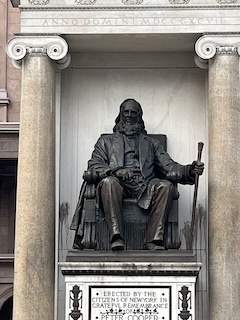
Located in Manhattan’s East Village, The Cooper Union was founded in 1859 by Peter Cooper, a businessman, inventor, and philanthropist. His vision was to create a place where anyone, regardless of background, could access higher education.

Peter Cooper’s daughter, Sarah Cooper Hewitt, later established the Cooper Hewitt Museum, further extending the family’s impact on arts and design.

Peter Cooper’s Vision

Peter Cooper grew up in poverty and never had access to a full education, an experience that shaped his lifelong mission. He dedicated his success in industry and invention to creating a school where education was free and open to all.

His vision is similar to Andrew Carnegie, who also rose from poverty to become one of America’s great philanthropists.

The Cooper Union in U.S. History

The school is not only an academic institution but also a place of historic importance. In 1860, Abraham Lincoln delivered his famous anti-slavery speech at Cooper Union’s Great Hall. This powerful speech helped him secure the presidency. Since then, the Great Hall has been a gathering place for many important lectures, debates, and cultural moments.

Fusion of Art, Architecture, and Engineering

Cooper Union has three main schools:

  • Art – known for its avant-garde curriculum and notable alumni.
  • Architecture – offering a highly respected program.
  • Engineering – blending theory and practice in innovative ways.

This combination makes Cooper Union a hub where art and science meet.

How to Apply to The Cooper Union

Admission to Cooper Union is highly selective. Here’s a breakdown of the process:

1. Application

All applications are submitted online via the official Cooper Union website. Depending on the program, additional materials such as portfolios may be required.

2. Entrance Exams

Each school has different requirements:

  • Art: portfolio and creative assessment.
  • Architecture: portfolio, essays, possibly interviews.
  • Engineering: academic exams, essays, and interviews.

3. Portfolio Submission

For Art and Architecture, a high-quality portfolio is essential. This should showcase your creativity, technical skills, and unique style.

4. Interviews

Some programs require interviews, giving students the opportunity to explain their motivation, vision, and how they plan to use their education after graduation.

5. Scholarships & Tuition

Originally, all students received a full scholarship, making tuition free. While that is no longer the case, Cooper Union still offers generous financial aid and scholarships, making it more affordable than most private universities.

Conclusion

The Cooper Union remains one of the most respected universities in New York, with a deep history rooted in educational equality, innovation, and cultural impact. For students passionate about art, architecture, and engineering, it offers a challenging but rewarding path.

Preparing for admission requires dedication, but if you’re ready to take on the challenge, The Cooper Union can be life-changing.

Related Articles

Kura Sushi in Scarsdale, New York: A Dining Report

Hello, this is Maegami from “Megami’s Bangs.” Today, I continue my New York restaurant series with a review of Kura Sushi in Scarsdale.

I used to think, “If I want real sushi, I’ll wait until I go back to Japan.” But recently, while exploring Upstate New York, I discovered a Kura Sushi. Living in New York, sushi is something you inevitably crave, so this became my third Kura Sushi report.

Past reviews: Kura Sushi Newport and Kura Sushi Fort Lee.

Where is Kura Sushi Scarsdale?

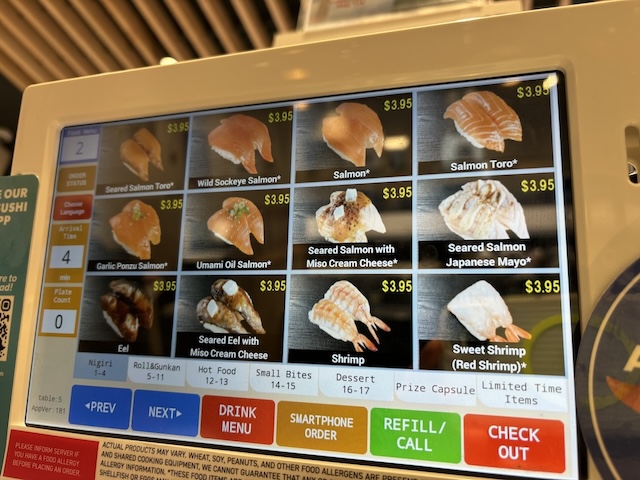
Alt"a sushi ordering price board at Kura Sushi Scarsdale"

Scarsdale is an affluent suburb about 30 minutes north of Manhattan by car. Many Japanese expats live in the area, so it’s not surprising that Kura Sushi chose this location.

Prices at Kura Sushi New York

When I visited Kura Sushi in New Jersey, each plate was $3.00.
In Scarsdale, however, the price had gone up to $3.95 per plate — about ¥600 in Japanese yen! A bit expensive compared to Japan, but I decided to try it anyway.

What I Ate at Kura Sushi Scarsdale

Kura Sushi isn’t just about sushi; you can enjoy other Japanese-style small plates as well. Here’s what I ordered:

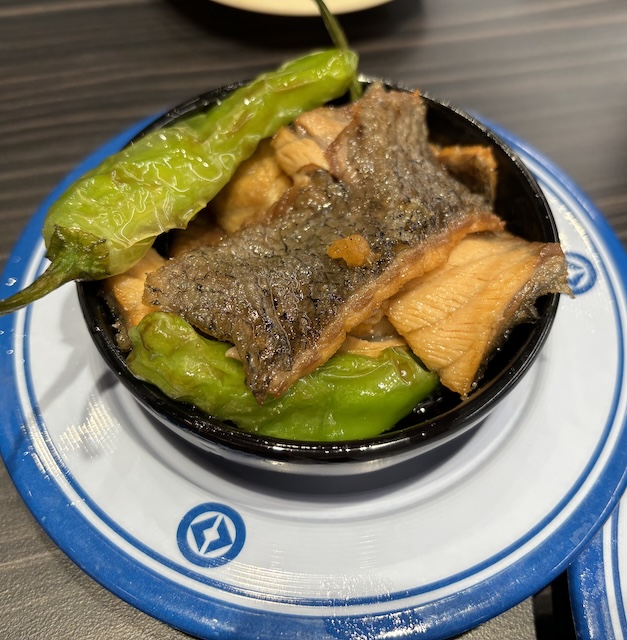
  • Grilled Butter Salmon – rich and savory, though surprisingly served on a sushi plate.
  • Vegetable Tempura ($9) – a bit thin, but lightly fried.
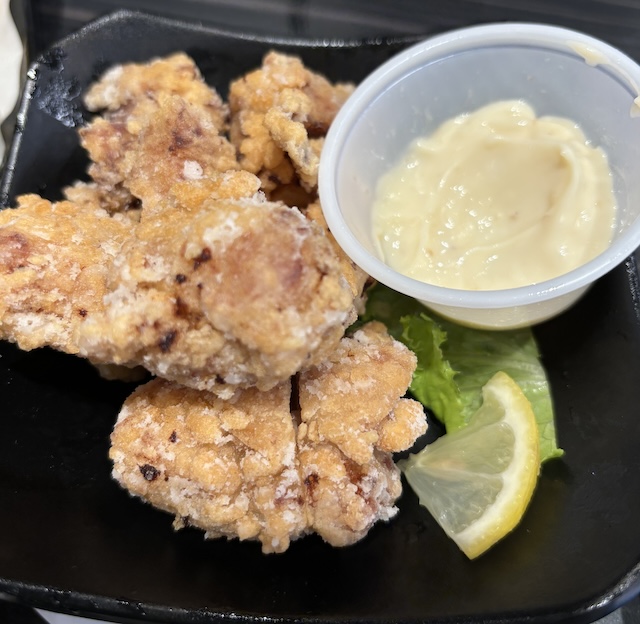
  • Karaage (fried chicken) – crispy and satisfying.
  • Mysterious diced gunkan – possibly octopus, interesting but unusual.
  • Scallops – fresh and delicious, reminding me of Hokkaido flavors.
  • Negitoro – looked unusual, almost like chicken meatballs, but edible.
  • Kumamoto Beef – served cold and crispy, but not quite what I expected.

In total, with tip included, the bill came to about $100 (¥14,500).

Craving Fresh Sushi in New York?

While Kura Sushi is fun and convenient, if you’re craving truly fresh sushi, I recommend visiting Hashi Market in Tribeca.

Conclusion

Kura Sushi in Scarsdale offers a casual sushi experience, but at a higher price compared to other New Jersey locations. Perhaps the upscale neighborhood explains the markup. Still, I hope to see improvements in freshness and quality.

Kura Sushi in Scarsdale, New York: A Dining Report

Hello, this is Maegami from “Megami’s Bangs.” Today, I continue my New York restaurant series with a review of Kura Sushi in Scarsdale.

I used to think, “If I want real sushi, I’ll wait until I go back to Japan.” But recently, while exploring Upstate New York, I discovered a Kura Sushi. Living in New York, sushi is something you inevitably crave, so this became my third Kura Sushi report.

Past reviews: Kura Sushi Newport and Kura Sushi Fort Lee.

Where is Kura Sushi Scarsdale?

Scarsdale is an affluent suburb about 30 minutes north of Manhattan by car. Many Japanese expats live in the area, so it’s not surprising that Kura Sushi chose this location.

Prices at Kura Sushi New York

When I visited Kura Sushi in New Jersey, each plate was $3.00.
In Scarsdale, however, the price had gone up to $3.95 per plate — about ¥600 in Japanese yen! A bit expensive compared to Japan, but I decided to try it anyway.

What I Ate at Kura Sushi Scarsdale

Alt="salmon grill with vegetables'

Kura Sushi isn’t just about sushi; you can enjoy other Japanese-style small plates as well. Here’s what I ordered:

Alt="kara-age chiken with mayo"
  • Grilled Butter Salmon – rich and savory, though surprisingly served on a sushi plate.
  • Vegetable Tempura ($9) – a bit thin, but lightly fried.
  • Karaage (fried chicken) – crispy and satisfying.
  • Mysterious diced gunkan – possibly octopus, interesting but unusual.
  • Scallops – fresh and delicious, reminding me of Hokkaido flavors.
  • Negitoro – looked unusual, almost like chicken meatballs, but edible.
  • Kumamoto Beef – served cold and crispy, but not quite what I expected.

In total, with tip included, the bill came to about $100 (¥14,500).

Craving Fresh Sushi in New York?

While Kura Sushi is fun and convenient, if you’re craving truly fresh sushi, I recommend visiting Hashi Market in Tribeca.

Conclusion

Kura Sushi in Scarsdale offers a casual sushi experience, but at a higher price compared to other New Jersey locations. Perhaps the upscale neighborhood explains the markup. Still, I hope to see improvements in freshness and quality.

– Discover Oishinbo Japanese Store in Harrison: A Hidden Gem for Authentic Japanese Goods

Rising Rent Prices in New York City – 2024 Update

Rising Rent Prices in New York City – 2024 Update

Hello! This is Maegami from the blog Megami no Maegami. Today, I’d like to share useful information for anyone considering moving to New York City. One of the biggest concerns? Rent prices. Let’s take a look at the current rental situation in NYC.

Estimated reading time: 3 minutes

The Reality of NYC Rent

New York City has always been known for its high cost of living. In 2024, rent prices continue to rise, putting financial pressure on many residents. Students, in particular, often have no choice but to live in shared apartments.

For newcomers, another challenge is the credit history requirement. Many landlords ask for proof of credit history, which can be a disadvantage for those who are new to the U.S.

Average Rent Prices in New York City (2024)

Here’s a snapshot of average monthly rent for a one-bedroom apartment across the boroughs:

  • Manhattan – Around $4,500 (¥670,000). Luxury areas are often higher.
  • Brooklyn – Around $3,500 (¥520,000) and rising quickly.
  • Queens – About $2,800 (¥420,000), considered more affordable but still expensive.
  • Bronx & Staten Island – More budget-friendly, averaging $2,000 (¥300,000).

→ Read more about living in the Bronx here

Why Are NYC Rents So High?

Several factors are driving the ongoing rent hikes:

  1. Increased demand – Post-pandemic, more people have moved back to NYC, creating housing shortages.
  2. Inflation & higher costs – Rising taxes and maintenance costs have led landlords to increase rent.
  3. Remote & hybrid work – More people want to live closer to Manhattan or Brooklyn, pushing prices higher.

Rent Control in NY

Some New Yorkers are protected by Rent Control and Rent Stabilization policies, which limit sudden rent increases. However, these rules also reduce available housing and make the open market even more competitive.

Many long-term Japanese residents in NYC (myself included) benefit from rent-stabilized apartments.

Tips for Finding an Apartment in NYC

If you’re planning to rent in New York, preparation is key. Here are some tips:

  • Use an agent – They can provide updated listings and negotiation support.
  • Research rent prices – Know the average cost by neighborhood before signing.
  • Check the contract carefully – Always confirm extra fees and terms.
  • Leverage your network – Sometimes, friends share information about rent-stabilized apartments.

Final Thoughts

As of 2024, NYC rent remains extremely high, especially in popular areas like Manhattan and Brooklyn. If you’re planning to move here, careful budgeting, thorough research, and a smart rental strategy are essential.

New York is exciting, but it’s important to understand the true cost of living before making the leap.

Yuval Noah Harari and Vipassana Meditation

Yuval Noah Harari and Vipassana Meditation

Hello! This is Maegami from the blog Goddess’ Bangs. Recently, I joined a 10-day Vipassana meditation retreat. During my stay, I met a woman from Israel who had also come to practice.

When speaking about Israel, the first thing that comes to mind is last year’s Hamas attack and the ongoing military actions by the Netanyahu government in Gaza and the West Bank. Naturally, she opposes the current administration. While fighting back tears, she told me something unforgettable:

“If everyone practiced Vipassana meditation, there would be peace.”

She also introduced me to the Vipassana Center in Israel, where, to my surprise, one of the teachers is none other than Yuval Noah Harari.

[word_balloon id=”1″ size=”M” position=”L” radius=”true” name=”” balloon=”talk” balloon_shadow=”true”]

You might know him

[/word_balloon]

Who Is Yuval Noah Harari?

Yuval Noah Harari is a world-renowned historian and thinker from Israel. His bestselling books include:

  • Sapiens: A Brief History of Humankind
  • Homo Deus: A Brief History of Tomorrow
  • 21 Lessons for the 21st Century

Sapiens on Amazon → https://amzn.to/3VPi42f

Homo Deus on Amazon → https://amzn.to/4gPdnz2

21 Lessons for the 21st Century on Amazon → https://amzn.to/4pXzS9m

Through these works, Harari explores humanity’s past, present, and future from a unique perspective. His insights into technology, ethics, and the risks posed by artificial intelligence have influenced global leaders, scholars, and intellectuals.

In New York, among my musician friends and intellectual circles, his books are almost required reading.

Harari and Vipassana Meditation

Harari has openly shared that Vipassana meditation is central to his intellectual and creative process. This ancient Indian practice involves observing the mind and body with clarity and calm, cultivating self-awareness and inner peace.

He dedicates two months every year to complete silence and intensive Vipassana practice. According to him, this period of retreat provides the mental clarity to step back from the noise of modern life and gain deep insights about himself and the world.

Why Vipassana Matters in Harari’s Work

Harari argues that rapid technological progress—especially in AI—demands more ethical awareness and mindfulness. Meditation, for him, is a tool to steady the mind and face these challenges with clarity.

Many of his profound reflections on AI, human identity, and future ethics stem directly from his meditation practice.

What Is Vipassana Meditation?

Vipassana, meaning “clear insight”, was taught by the Buddha more than 2,500 years ago. It involves observing sensations, thoughts, and emotions objectively to understand the root of suffering and move toward liberation.

Unlike religious rituals, Vipassana is a universal practice—anyone can join, regardless of faith. Harari himself is Jewish, but he emphasizes that meditation transcends religion.

Harari’s Message for Modern Society

In today’s information-saturated world, Harari reminds us that silence, focus, and self-reflection are more essential than ever. His books, combined with his Vipassana practice, offer practical wisdom for navigating the challenges of the 21st century.

Vipassana is not just a meditation technique—it’s a way to cultivate resilience, ethical clarity, and balance in an age of constant distraction.

Conclusion

Yuval Noah Harari is not only a brilliant historian but also a dedicated Vipassana meditator. His writings and practice together provide powerful insights into the present and future of humanity.

If you haven’t read his works yet, I recommend starting with Sapiens or 21 Lessons for the 21st Century. For me, reading them in English was even easier than in Japanese! Next on my list is Nexus.

Return to Home