
Monthly Archives: June 2022

Apple Credit Card Features You Should Know

Apple Credit Card Features You Should Know

The Apple Credit Card is not the same as an Apple Gift Card. This titanium Mastercard is issued in the U.S. by Apple in partnership with Goldman Sachs. However, as of January 1, 2024, Apple may end its partnership with Goldman Sachs, with a possible transition to American Express (Amex) or another issuer in the future.

Estimated reading time: 3 minutes

Key Features and Benefits

High-Yield Savings Account

When you open an Apple Credit Card, you can also set up an Apple high-yield savings account. As of 2026, the annual interest rate is 3.50% APY. While slightly lower than in previous years, it still remains well above the national average for U.S. savings accounts, making it an attractive option for Apple Card users.

Titanium Design & Contactless Payments

  • Durable titanium card with minimalist Apple design
  • Works as a physical card where Apple Pay isn’t available
  • Supports Apple Wallet for contactless payments via Apple Pay

Other Notable Features

  • Simplify your finances with one card
  • Accepted worldwide through Mastercard network
  • Instant transaction and balance updates in Wallet
  • Apple customer support via Wallet messages
  • 3-digit security code (CVV) that changes regularly
  • No printed card number or expiration date for higher security
  • Compatible with iPhone and Apple Watch via Apple Pay
  • Up to 3% cashback at Apple and select merchants
  • 2% cashback on Apple Pay purchases at most merchants
  • 1% cashback when using the physical titanium card

For details on the Apple Savings Account setup, see: How to Open an Apple Savings Account

How to Apply for the Apple Credit Card

To apply, you must meet the following conditions:

  • U.S. Citizen or Green Card Holder – You must be a citizen or permanent resident.
  • Visa Holders in the U.S. – Some valid visa holders may also apply.
  • U.S. Address – Required for application and card delivery.
  • Apple Pay-Compatible Device – Such as iPhone or iPad.
  • Good Credit History – A strong credit score is essential for approval.

Using the Apple Credit Card in Japan

The Apple Credit Card is also usable in Japan, since it runs on Mastercard’s global network. However, here are some important notes:

  • Card Unlock – Before inserting the titanium card into a payment terminal in Japan, make sure it’s unlocked in Apple Wallet.
  • Apple Pay Contactless Payments – Widely supported in Japan and recommended for convenience.
  • Foreign Exchange Fees – May apply for overseas transactions. Check terms carefully.
  • Lost or Stolen Cards – Disable immediately in Apple Wallet and request a replacement.

Conclusion

The Apple Credit Card offers:

  • Enhanced security with rotating CVV codes
  • High-yield savings account (3.50% APY) – it changes based on the interest rates.
  • Cashback rewards (up to 3%)
  • Seamless Apple Pay integration

However, it requires meeting specific eligibility criteria, including U.S. residency and good credit history. For frequent Apple users and those who value security and savings, the Apple Credit Card remains a strong option worth considering.

Return to Home
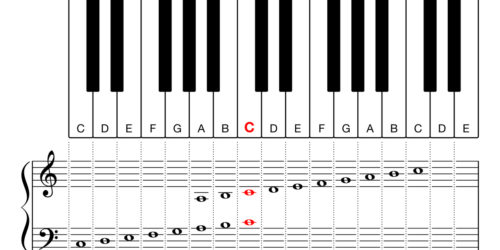
the image of where is the middle c

Best Piano Books in the U.S.: Piano Adventures & John Thompson

Best Piano Books in the U.S.: Piano Adventures & John Thompson

Estimated reading time: 2 minutes

Learning piano is a wonderful journey, but choosing the right teaching method can make all the difference. In the United States, two of the most popular and highly recommended piano method books are Piano Adventures and John Thompson’s Teaching Books. Both are beginner-friendly, widely used by teachers, and loved by students worldwide.

1. Piano Adventures – Modern & Fun Approach

Piano Adventures, created by Nancy and Randall Faber, is one of the most widely used piano method series in the U.S. Its strength lies in combining traditional techniques with modern, fun songs that kids and adults enjoy learning.

  • Step-by-step lessons with clear progression
  • Creative exercises that build strong fundamentals
  • Engaging pieces, from classical to popular styles

This series is ideal for young beginners but also offers advanced levels, making it a comprehensive method for long-term learning.

2. John Thompson’s Teaching Books – Classic & Time-Tested

John Thompson’s Modern Course for the Piano has been a trusted choice for generations of piano learners. Known for its clear structure and straightforward exercises, it provides a solid foundation in technique and reading skills.

  • Easy-to-follow step-by-step lessons
  • Focus on sight-reading and finger strength
  • A classic method that many teachers still rely on today

For learners who appreciate a more traditional approach, John Thompson remains a timeless option.

Which Piano Book Should You Choose?

Both methods are excellent, but your choice depends on your learning style:

  • Piano Adventures → Fun, modern, and engaging for younger students or those who enjoy variety.
  • John Thompson → Structured, traditional, and excellent for building strong technical skills.

If possible, many teachers recommend combining both books to get the best of both worlds.

Return to Home
Hungarian Pastry Shop New York: Iconic Pastries Await

Hungarian Pastry Shop New York: Iconic Pastries Await

ザ ハンガリアン ペストリーショップの一口の画像

Estimated reading time: 4 minutes

When it comes to cozy cafés in New York City, The Hungarian Pastry Shop stands out as one of the classics. Established in 1978, this Upper West Side café has long been a haven for writers, students, and anyone looking for a quiet place to focus.

Unlike many cafés that didn’t survive the pandemic—or even before due to low turnover—this shop has continued to thrive. And yes, their European-style pastries are just as famous as the café itself.

Where Is The Hungarian Pastry Shop Located?

The Hungarian Pastry Shop sits near Columbia University, making it a favorite spot for students and professors alike. Across from the Cathedral of St. John the Divine, a short walk from the 110th Street station on the red 1 train from Times Square, it’s an easy subway ride uptown. The neighborhood is peaceful, with bookstores and cultural landmarks adding to the charm.

Related: Tom’s Restaurant and Suzanne Vega

A Café That Hasn’t Changed With Time

Hungary Pastry Cafe inside

Step inside, and you’ll immediately notice the old New York atmosphere.

  • No Wi-Fi: people focus on writing, reading, or deep conversations.
  • Payment: credit cards and Apple Pay now accepted.
  • Ambience: always full, with laptops and notebooks scattered across tables.

Despite the serious vibe, the café has a warm community feel.

Famous Pastries Worth Trying

A picture of Hungarian Pastry menues
Pastry

Unlike the polished look of French or Italian desserts, Hungarian pastries may appear rustic at first. But don’t let that fool you—the flavors are rich, layered, and unique.

Fun fact: The Hungarian Pastry Shop has even been featured in The New York Times.

Some highlights include:

  • Classic strudels
  • Nut-filled cakes
  • Seasonal specialties

The Experience: Indoors and Outdoors

Most days, the café is packed, with serious-looking students and writers hard at work. If you visit with friends, you might find yourself whispering not to disturb the creative atmosphere.

ザ ハンガリアン ペストリーショップの外の画像
Outside seats

I ordered an iced latte and enjoyed people-watching from my seat.

The Hungarian Pastry and Iced Latte I ordered
Ice Latte and a small treat

Outdoor seating is also available, especially on weekends when the street becomes pedestrian-only. On mild days, it’s the perfect spot to enjoy coffee and pastries in the open air.

Why Visit The Hungarian Pastry Shop?

Unlike Starbucks, Ralph’s Coffee, or trendy modern cafés, The Hungarian Pastry Shop is part of New York’s immigrant heritage. Handed down through generations, it represents the city’s authentic café culture—unchanged for decades. If you’re looking for a true “old New York” experience, this is a must-visit.

Conclusion

On your next trip to the Upper West Side, skip the chains and step into The Hungarian Pastry Shop. Whether you’re there to write, read, or simply enjoy a slice of Hungarian cake, you’ll feel part of a New York tradition that’s been alive since 1978.

Return to Home
大麻の広告の画像

Cannabis Legalization in New York: What You Need to Know

Cannabis Legalization in New York: What You Need to Know

大麻は21歳を過ぎてからと書かれた看板の画像

Estimated reading time: 3 minutes

In New York City, you might notice a new type of subway ad: “Cannabis is for adults 21 and over.”
Yes—cannabis means marijuana. Until recently, I didn’t even know the English term and had to look it up in the dictionary. Judging from the design, I guessed it was about marijuana—and I was right.

Since March 2021, both New Jersey and New York State have legalized cannabis, and now it’s openly advertised—even in the subway. For long-time residents like me, it’s still surprising to see.

The Smell of Cannabis in New York

Walking around New York, especially in the evening, you may notice the scent of marijuana drifting through the air. Personally, I’m sensitive to smoke, so I dislike it as much as cigarettes. But of course, some people enjoy the smell.

Cannabis Is Now Treated Like Alcohol and Cigarette

After 20 years of living in New York, I’ve witnessed a big cultural shift. Cannabis is now regulated like alcohol and tobacco.

  • Federal government stance: Still opposed, especially under Republican influence.
  • State stance: Laws vary by state. In Democrat-leaning New York, cannabis is legal.

This contradiction—legal on a state level but illegal federally—creates a unique situation.

Public Awareness and Safety Campaigns

Subway ads and billboards don’t just promote cannabis—they also remind people to use it responsibly.

Is legalization about boosting the economy? Or is it a way to reduce crime?
Supporters argue that legalization can:

  • Reduce illegal drug trade
  • Generate tax revenue
  • Normalize safer usage

Rethinking Cannabis: From “Bad” to Understanding

In my generation, cannabis was taught as something purely “bad.” That education created a strong bias. But recent studies show that alcohol may actually cause more harm than cannabis.

Of course, it’s important to approach this topic critically and study verified information before forming conclusions.

Cannabis and the Economy

Like alcohol and tobacco, cannabis is taxed, bringing revenue to the state. Tobacco has especially high taxes due to its health risks. In that sense, New York’s approach seems logical: regulate, tax, and educate.

Side Effects of Cannabis

Cannabis, like alcohol, affects the brain. Studies show it may reduce memory function. Some musicians use it for relaxation, but for people who rely heavily on memory—like myself when memorizing music—it could be harmful.

What About Japanese Residents in New York?

The Japanese Consulate in New York has issued warnings:
Even though cannabis is legal in New York, it remains illegal for Japanese citizens under Japanese law. That means Japanese people should avoid using it, even abroad.

Conclusion

Seeing a subway sign saying “Cannabis is for adults” reminded me how much New York has changed.The key takeaway: it’s important for us to have accurate knowledge about cannabis, free from old prejudices. By understanding both its benefits and risks, we can make more informed decisions.

Return to Home
natto image

How to Make Homemade Natto with an Instant Pot

How to Make Homemade Natto with an Instant Pot

Estimated reading time: 5 minutes

Recently, natto has been getting renewed attention for its incredible health benefits. Known as one of the top 5 healthiest foods for your body, natto is cheap and easy to find in Japan with many varieties available.

But for those of us living overseas, natto is often frozen, expensive, and sometimes disappointing. In New York, the price of natto can be more than three times higher than in Japan.

I love natto so much that I decided to make it myself at home. By using organic soybeans and an Instant Pot, you can easily make delicious homemade natto right in your own kitchen.

What is an Instant Pot?

The Instant Pot is a popular electric multi-cooker in Canada and the U.S. It’s not just for stews and steaming—it can also be used to make fermented foods like yogurt, natto, shio-koji, and amazake. You can find it at an affordable price on Amazon. – Buy here

Disclosure: This post contains Amazon affiliate links. As an Amazon Associate, I earn from qualifying purchases at no additional cost to you.

How to Make Homemade Natto in an Instant Pot

1: Prepare the Soybeans

  • Beginners can start with 250g of soybeans.
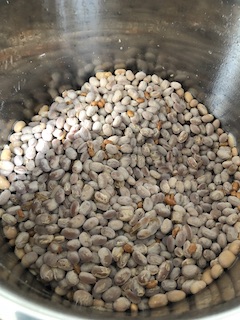
  • Soak them in water for about 8 hours. The beans will double in size.

2: Steam the Soybeans

  1. Place soaked soybeans in a stainless strainer.
  2. Put the strainer on the roasting rack inside the Instant Pot.
  3. Add about 5mm of water to the bottom.
  4. Set to Steam Mode for 60 minutes.

Pressure Settings for the Steam:

  • High Pressure: softer beans (better for sticky natto).
  • Low Pressure: firmer beans with more bite.

My preference: 500g beans at High Pressure for 60 minutes.

Experiment Results:

  • 20 min: Hard beans, mild smell, fewer sticky strings.
  • 45 min: Softer, stronger aroma, more sticky texture.
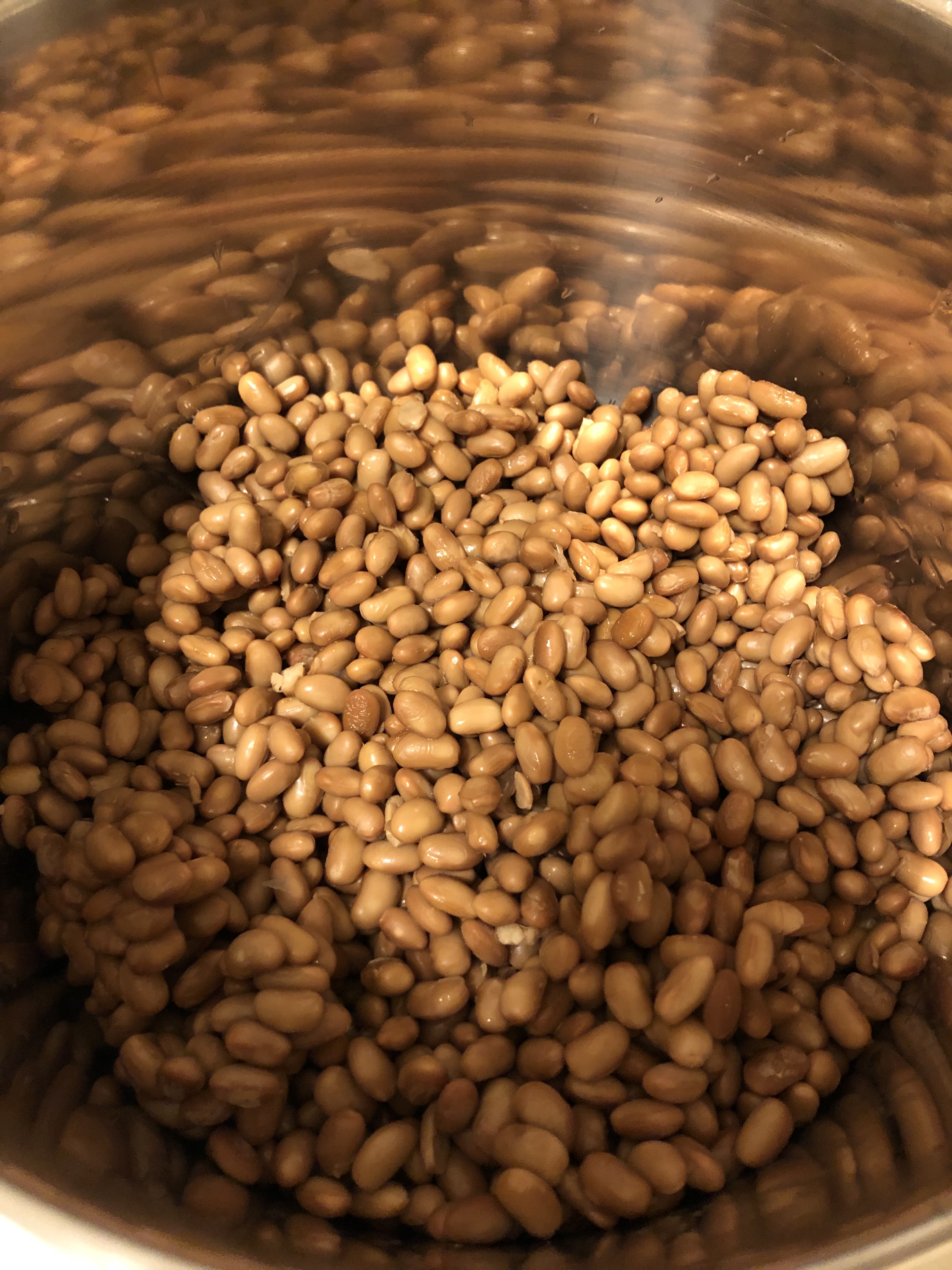
  • 60 min: Brownish beans, perfect stickiness, natto bacteria thrive.

3: Make Natto Starte

  • Mix 1 pack of store-bought natto with a small amount of hot water.
  • Sterilize all tools with boiling water.
  • Mix this “natto starter water” evenly with the steamed soybeans.

4: Set Up for Fermentatio

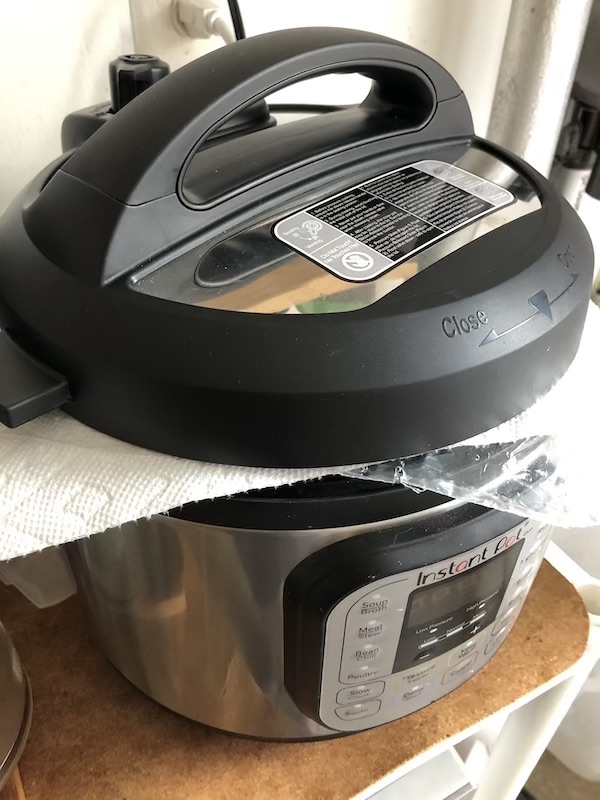
  1. Place beans in a container and cover with a plastic bag with small holes – Air for the Bacteria.
  2. Put a paper towel on top.
  3. Do not close the Instant Pot lid—just place it gently on top.

5: Fermentation

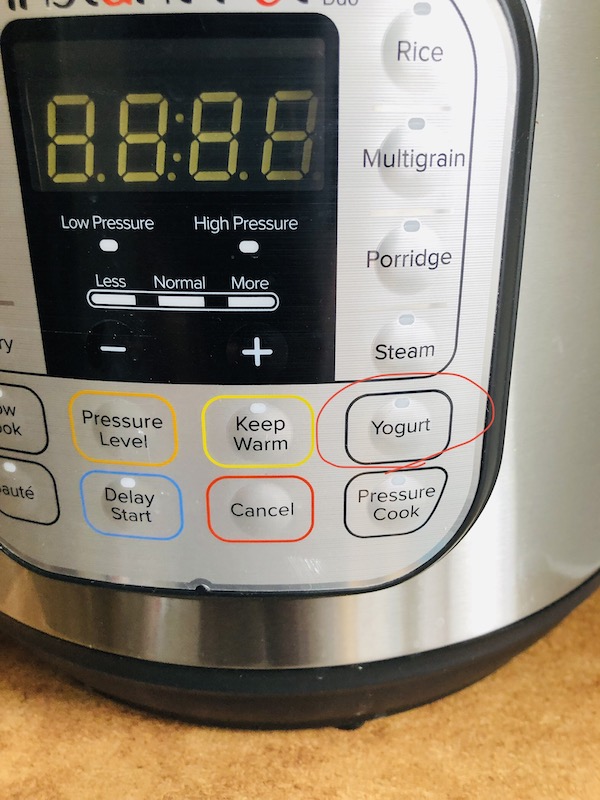
  • Set the Instant Pot to Yogurt Mode for 24 hours.
  • Stir once after 12 hours.

6: Finishing

  • Stir the fermented natto well so the bacteria spread evenly.
  • Transfer to an airtight container and refrigerate.

Natto Smell Tips

Freshly made natto has a strong odor, especially with ammonia notes. If you live with non-Japanese roommates or family, warn them first!

  1. To reduce odor: leave the container slightly open at room temperature for a few hours.
  2. Storing in the fridge will naturally mellow the smell over time.

Storage & Shelf Life

Natto doesn’t spoil easily. Even with 500g (enough for two people), it keeps well for over two weeks in the refrigerator.

Homemade natto is not only healthier but also far more cost-effective than buying expensive imported natto overseas.

Conclusion

That’s how to make homemade natto with an Instant Pot! Compared to store-bought versions, homemade natto has stronger stickiness, better texture, and saves you money if you live abroad.

If you’re a natto lover—or just curious about fermented foods—give it a try!

Back to Home

Tom's Restaurantの入り口の写真

Suzanne Vega’s “Tom’s Diner” and the Timeless Tom’s Restaurant in New York

Suzanne Vega’s “Tom’s Diner” and the Timeless Tom’s Restaurant in New York

スザンナ・ベガがモデルにしたTom's Restaurantの画像
Tom’s Restaurant

Estimated reading time: 3 minutes

If you know Suzanne Vega, the legendary singer-songwriter from New York, you might belong to an older generation than mine. When I was a child, her hit “Tom’s Diner” was even used in TV commercials in Japan—so nostalgic!

Suzanne Vega was born and raised in New York City and studied at Barnard College, part of Columbia University. Her music captures everyday life in New York, and Tom’s Diner is perhaps the best example.

A Personal Memory – How English Songs Sparked My Love of the Language

Back when I was in elementary school, English songs started to appear frequently in Japanese commercials. For me, Vega’s soft pronunciation of “coffee” was unforgettable—it made English sound so pleasant.

My very first CD, a gift from my brother, was Suzanne Vega’s album 99.9F°. I listened to it endlessly, and it became one of the reasons I fell in love with English.

Listening to songs is still one of the best ways to build an interest in a language. If you’re studying English, try letting the rhythm and sound of the lyrics inspire you.

The Real “Tom’s Diner” – Tom’s Restaurant in Morningside Heights

Vega wrote Tom’s Diner while sitting in the iconic Tom’s Restaurant, located on Broadway and 112th Street near Columbia University. The place still exists today and looks almost the same as it did 40 years ago.

That’s the magic of New York: while technology has changed—people now read news on their smartphones instead of newspapers—the city’s diners, coffee culture, and subway rides remain timeless.

Fun fact: Tom’s Restaurant is also famous as the diner seen in the TV show Seinfeld.

New York Icons in the Lyrics

The song captures classic New York imagery:

  • Coffee and diners
  • Newspapers and horoscopes
  • The subway
  • Cathedrals with ringing bells

Even today, if you walk around the Columbia University area, you’ll hear church bells echoing from nearby cathedrals, such as the magnificent Cathedral of St. John the Divine on 112th Street.

Conclusion

Suzanne Vega’s Tom’s Diner is more than just a song—it’s a snapshot of New York life. Coffee, cafes, newspapers, the subway, and the steady rhythm of city mornings.

If you want to feel this atmosphere yourself, take a walk near Columbia University and stop by Tom’s Restaurant. And while you’re there, put on Vega’s song and let the city’s timeless charm surround you.

Return to Home
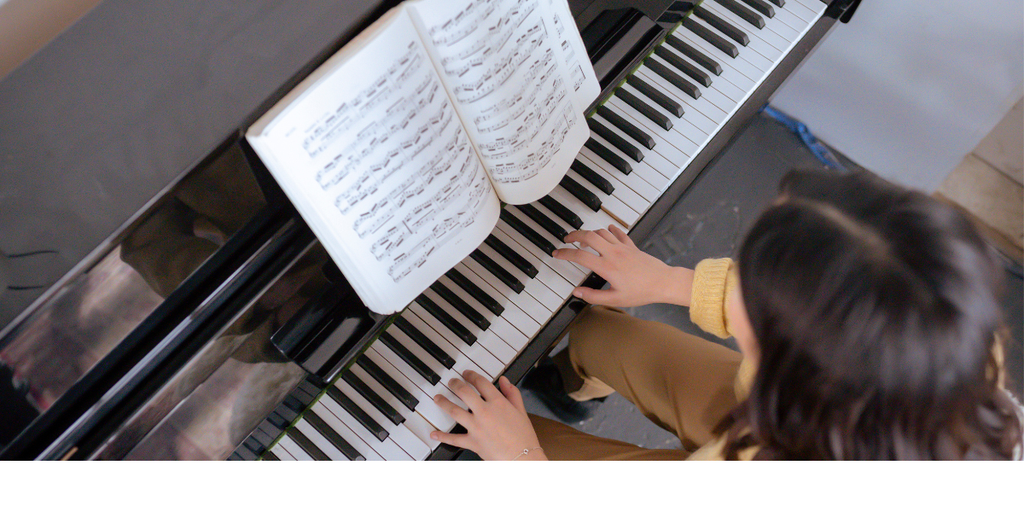
ニューヨークのピアノスクールのイメージ画像

4 Excellent Piano Schools in New York You Should Check Out

4 Excellent Piano Schools in New York You Should Check Out

Estimated reading time: 4 minutes

If you want piano lessons in NYC, here are 4 top non-profit music schools. These schools hire professional working musicians as instructors, so you get high quality instruction.

What to Look For When Choosing a Piano School in NYC

  • Some music schools are more business-oriented; they may hire instructors who are not classically trained pianists (singers, drummers, etc.). Beginners may not mind, but advanced students might hit a ceiling.
  • Think about your goals: Is it for fun? For serious classical training? For performance opportunities?
  • Consider proximity, schedule flexibility, and whether the school offers recitals or performance chances.

How to Tell if a Student Has Musical Potential

Here are signs that a child might thrive in more serious piano study:

  • Expressive playing
  • Able to read sheet music by age 4
  • Able to play by ear
  • Motivated to practice on their own
  • Learns new pieces quickly

Below are four excellent non-profit options. Some of the original ones you mentioned (like Lucy Moses / Kaufman, BKCM, Greenwich House) are real and good; I’ve checked updated details for at least a few.

SchoolHighlightsProgram / Tuition Information & Notes
Lucy Moses School (Kaufman Music Center)One of NYC’s largest community arts schools. Offers classes & private lessons for all ages and levels. Teachers are professional working artists. Has group classes, ensemble opportunities, adult learners, etc. Kaufman Music Center+3Kaufman Music Center+3Kaufman Music Center+3Private lessons in 30 / 45 / 60 / 90 minute lengths. Offers group and adult classes. Registration is year-round. Financial aid & scholarships exist. Located at 129 West 67th St, Manhattan. Kaufman Music Center+3Kaufman Music Center+3Kaufman Music Center+3
Brooklyn Conservatory of Music (BKCM)Rich tradition (127 years), strong non-profit, very broad programs (private lessons, group classes, Suzuki, ensembles) for all ages. Great for children & adults. High quality teachers and many resources. Brooklyn Conservatory of Music+3Brooklyn Conservatory of Music+3Brooklyn Conservatory of Music+3Some sample prices: beginner adult piano class (16 weeks) costs about US$768. Summer private lessons: 30-min ≈ $98, 45-min ≈ $112, 60-min ≈ $132. Brooklyn Conservatory of Music+1
Greenwich House Music SchoolCommunity music school established over a century ago. Has a variety of instructors. Offers piano among many instruments, early childhood music, adult education, multiple faculty of high calibre. WikipediaThey offer private and group lessons, performance opportunities. Tuition is somewhat high but reflects quality and location. (Exact current rates vary; contact them directly.) Wikipedia
Third Street Music School Settlement(Originally in your list) This is also a historic non-profit with deep roots in music education in NYC. They have strong faculty, performance opportunities, outreach programs. (Note: I couldn’t find recent detailed pricing as quickly as Lucy Moses or BKCM in the sources I checked, but it’s a good choice especially for children.)If choosing this school, always check faculty’s performance credentials, student recitals, and whether they offer trial lessons.

Updated Costs / What to Expect (2025)

Tips for Beginners: What to Avoid & What to Prioritiz

Try a few lessons or trial classes before committing long term.

Avoid teachers/schools that pressure you too much before mastering fundamentals. A teacher who is too strict or pushes expensive equipment / gear early can discourage you.

Prioritize: a teacher who inspires you, with performance opportunities, someone who listens, someone whose style you enjoy.

Conclusion

Choosing the right piano school can make all the difference—both in enjoyment and in progress. With one of these non-profit options, you can get excellent instruction without being overcharged. If you can, visit the schools, talk to teachers, try a lesson, and trust your musical instincts.

Return to Home
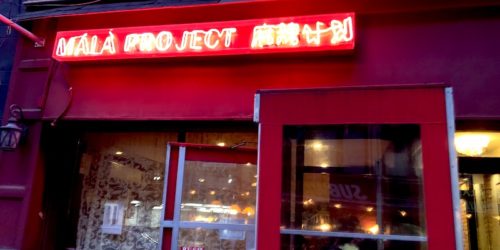
mara project restaurant image

Mala Project: Authentic Chinese Dry Pot in New York City

Mala Project: Authentic Chinese Dry Pot in New York City

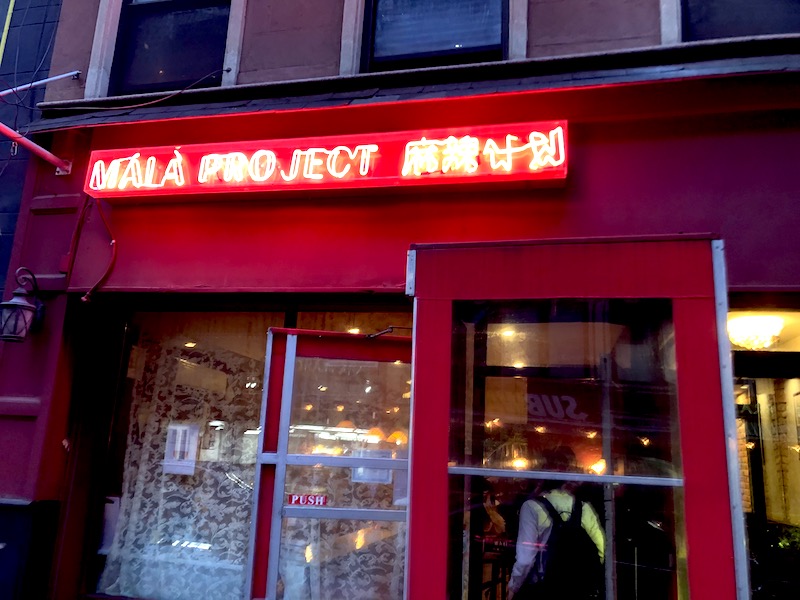
mala project restaurant image

Estimated reading time: 5 minutes

Looking for an authentic and flavorful dining experience in New York? Today, I’m introducing Mala Project, a trendy restaurant loved by young people, especially those from Asian backgrounds. Friends from Indonesia, Thailand, and China often recommend it, saying the flavors are authentic and remind them of home. For international students, it’s a taste of comfort.

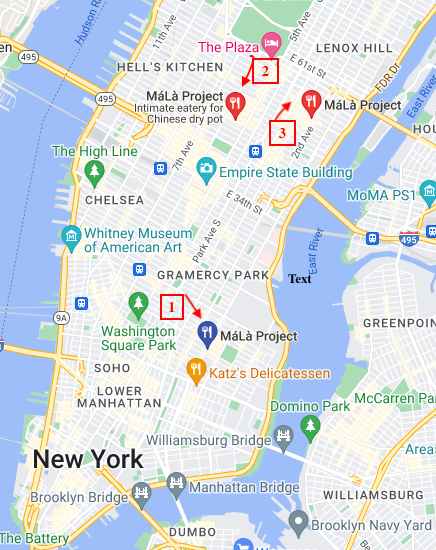
Locations of Mala Project in Manhattan

Mala Project has three locations in Manhattan:

  • East Village – the original branch, opened in 2005
  • Bryant Park – popular among students and Midtown workers
  • 53rd Street – perfect for quick lunches near the business district

This time, I visited the Bryant Park branch, which seems to cater to busy professionals in Midtown. I haven’t been to the East Village location yet, but it’s definitely on my list.

Inside Mala Project

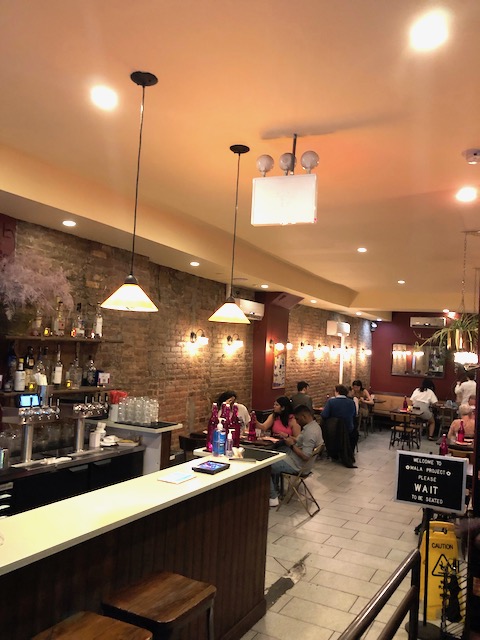
ニューヨークにあるMala Projectの店内の画像
Inside the restaurant

When I arrived with friends, I noticed the restaurant was packed—mostly with Asian diners, which already told me it would be authentic. The interior is lively but comfortable, with a modern vibe perfect for groups or even solo diners.

What Makes Mala Project Special: The Dry Pot

Unlike the more well-known dim sum style where you order many small dishes, Mala Project specializes in dry pot. Think of it as a big wooden bowl of rice topped with your choice of meats, seafood, and vegetables, seasoned with a variety of spices.

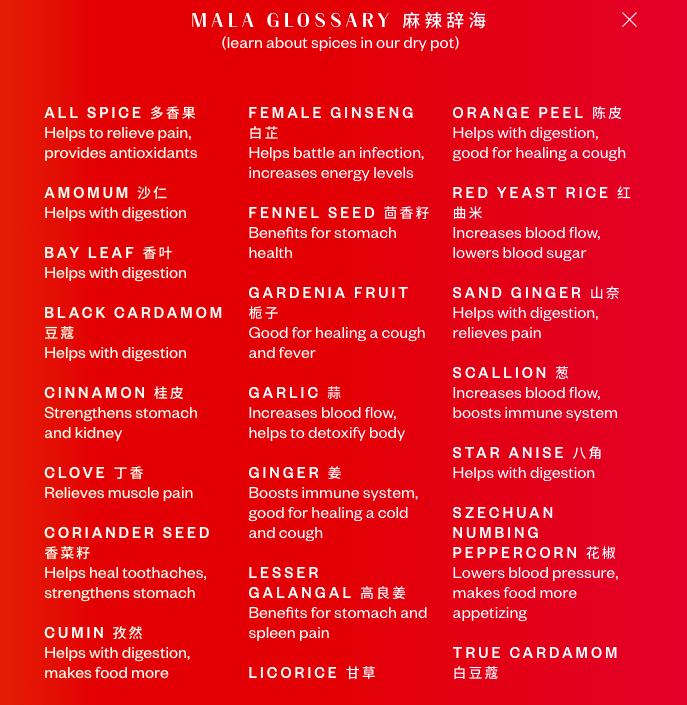
What’s unique is that the staff even explains the spices and their health benefits. With every bite, you can taste layers of flavor—from numbing Sichuan peppercorn to fragrant herbs. It feels both delicious and nourishing.

How to Order Your Dry Pot

  1. Choose your rice:
    • White rice
    • Brown rice
    • Red rice (with azuki beans)
  2. Pick your spice level:
    • No spice
    • Mild (recommended!)
    • Spicy (warning: very hot!)
  3. Select your toppings:
    • Meats: pork belly, beef, or even organ meats for the adventurous
    • Vegetables: broccoli, bok choy, mushrooms, and more
    • Seafood: shrimp, scallops, squid, etc.
レストランのメニュー切り抜き画像

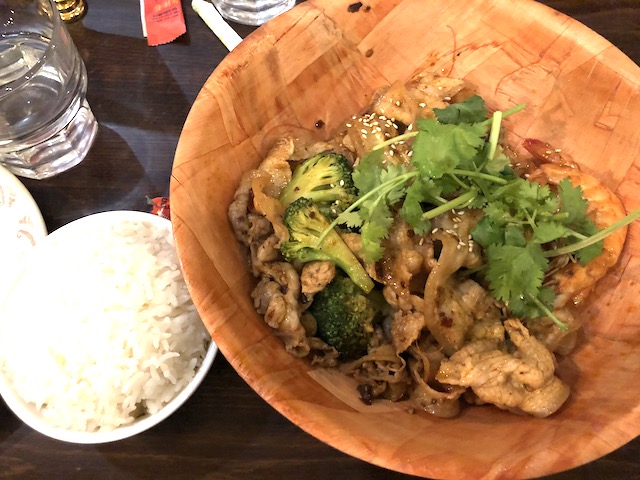
A good balance is 3–4 toppings per person. This time, I chose pork belly, broccoli, and shrimp. The flavor reminded me of home-style Chinese cooking—a rich soy-based taste that pairs perfectly with cilantro on top.

The Flavor Experience

Compared to Japanese food, which uses less spice, Mala Project’s dishes are an explosion of bold flavors. The pork belly was juicy, the broth-like sauce was rich, and the mix of spices gave it a unique depth.

mala projectで食べたdry potの写真
Ordered Dry Pot

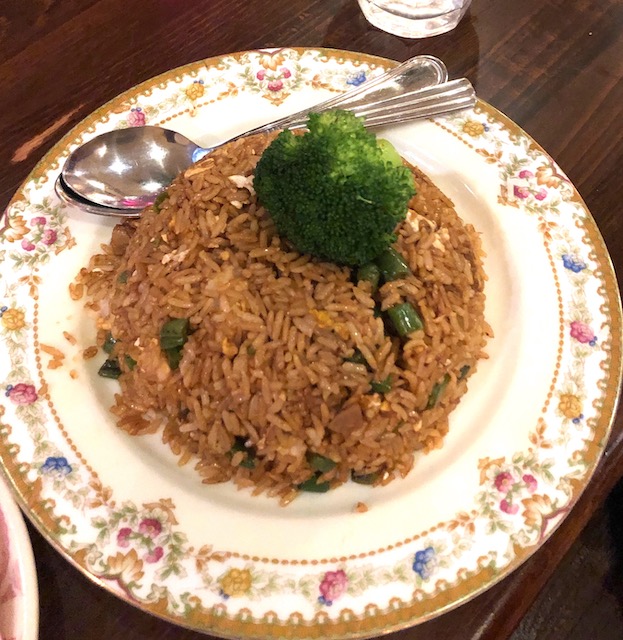
A friend from Venezuela ordered fried rice, which came with a quirky broccoli garnish—it made us laugh, but that’s part of the fun here.

チャーハンの写真

Prices at Mala Project

Like most NYC restaurants, prices have risen with inflation. My meal—a dry pot with three toppings and a Coke—came to $28 including tip (around ¥3,600). The portions are large, so you’ll definitely leave full. Alcohol is also available, though I went non-alcoholic this time.

Conclusion

Mala Project is a must-try for spice lovers and for anyone wanting to step outside the everyday flavors of Japanese or Western food. It’s also welcoming for solo diners. If you’re in Midtown or the East Village, this spot is perfect for a flavorful meal with friends or on your own.

Return to Home