
Monthly Archives: August 2024

John Thompson piano textbook image cover photo

John Thompson Piano Method: The Best Choice for Fast Piano Progress

John Thompson Piano Method: The Best Choice for Fast Piano Progress

John Thompson piano textbook image cover photo

Estimated reading time: 3 minutes

Today I’m sharing from my piano series, where I introduce effective piano learning materials based on my 10+ years of experience teaching piano in the U.S. This time, let’s take a closer look at the John Thompson Piano Method.

Why Choose John Thompson’s Piano Method?

Swan lake a song from the textbook

When you want to build a solid foundation in piano and make progress as quickly as possible, the choice of method book is crucial. Among the many available, the John Thompson Piano Method series stands out. It is widely used not only by children but also by adult learners who want to improve efficiently.

Many learners wonder, Is Piano Adventures too slow? — here’s how it compares to John Thompson.

Efficient Step-by-Step Progress

John Thompson’s books cover the fundamentals while allowing learners to move smoothly to the next level. In particular, the Teaching Little Fingers to Play series keeps hand positions consistent, making it easier for beginners to learn without confusion.

Fun and Engaging Music

These books are filled with beginner-friendly tunes that make practice enjoyable. Each lesson is structured into short, progressive steps that naturally deepen understanding while maintaining motivation. Many students love the playful and sometimes quirky illustrations — I’ve even had my kids color them in for extra fun!

Visual Learning Support

The John Thompson series uses plenty of illustrations and diagrams, making it especially helpful for visual learners and younger children. This visual support helps reinforce rhythm and note reading. The distinctly American-style artwork adds charm and makes the learning experience unique.

Thanks to its systematic curriculum and motivating content, the John Thompson Piano Method has been praised by piano teachers worldwide. For students who want noticeable results in a short period and prefer an efficient learning path, this method is an excellent choice.

Conclusion

The John Thompson Piano Method is ideal for anyone who wants to progress quickly while enjoying the process. It strengthens the basics effectively and has been loved by students for generations. If you’re looking for a proven and engaging piano method, this series is well worth trying!

→ Get John Thompson’s Modern Course for Piano on Amazon

Disclosure: This post contains Amazon affiliate links. As an Amazon Associate, I earn from qualifying purchases at no additional cost to you.

Back to Home
learn english photo

How to Develop an “English Brain”: Effective Steps and Approaches

How to Develop an “English Brain”: Effective Steps and Approaches

Hello! I’m Maegami from the blog Goddess’ Bangs.
In this article, I’ll share how to train your brain to think directly in English — a process that took me over ten years. It’s all about daily habits and incorporating English into your lifestyle.

Estimated reading time: 2 minutes

Want to Speak English Fluently?

To speak English fluently, memorizing grammar and vocabulary isn’t enough. You need to build an English-thinking brain — the ability to understand and use English directly without translating from Japanese.
Here’s how you can do it effectively.

Incorporate English into Your Daily Life

To train your English brain, surround yourself with English in natural ways:

  • Write a diary in English: Start small with simple sentences about your day. Gradually write longer entries.
  • Listen to English news: During commutes or chores, tune in to BBC or CNN.
  • Think in English: Make shopping lists, schedules, or even internal thoughts in English.
  • Read English articles daily: Try The New York Times, The New Yorker, The Washington Post, or BBC News.

Increase Opportunities to Speak English

Speaking is essential for developing your English brain:

  • Join English conversation classes: Choose group or one-on-one lessons that fit your style.
  • Join English-speaking communities: Try Meetup or Facebook groups to connect with native speakers and practice naturally.

Balance Input and Output

Developing an English brain requires a healthy mix of input (listening, reading) and output (speaking, writing):

  • Read English books and articles: Expand your vocabulary and comprehension. Don’t stop at every unknown word — learn from context.
  • Watch movies or shows in English: Watch without subtitles to train your ear and understanding.

When You Start Dreaming in English

One clear sign of developing an English brain is when you begin dreaming in English.
That means your mind is processing English unconsciously — the ultimate goal of immersion.

Summary

To build an English brain, make English part of your daily life.
Speak often, balance input and output, and stay consistent.
Over time, you’ll understand and use English naturally — without translation.
Start today, and you’ll feel the difference!

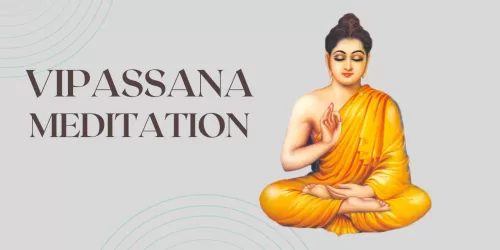
Vipassana Meditation image

What Is Serving in Vipassana Meditation?

What Is Serving in Vipassana Meditation?

Introduction

Estimated reading time: 3 minutes

Hello, I’m Maegami, the author of Goddess Bangs Blog.
Since 2022, I’ve been practicing Vipassana meditation—and I still continue meditating for one hour every day. The benefits of Vipassana are profound. Even if just one person in a family starts this meditation, it can bring a sense of peace and harmony to the whole household.

What Is Vipassana Meditation?

Vipassana meditation is a deep and ancient practice aimed at purifying the mind and cultivating inner peace. This meditation method was spread worldwide by S.N. Goenka, and thousands of people now join Vipassana retreats each year to experience its powerful effects.

One essential aspect of these retreats is serving, also known as “Dāna service” or “Seva.” Serving plays a vital role in supporting meditators and maintaining the spirit of selfless giving.

What Does “Serving” Mean in Vipassana?

Serving refers to offering voluntary support at a Vipassana meditation center during a retreat.
Servers (volunteers) help with practical tasks so that meditators can focus entirely on their inner journey.

Main Responsibilities of Servers

  • Meal Preparation & Service:
    Servers prepare and serve healthy, balanced meals to nourish meditators throughout the retreat.
  • Maintaining the Facility:
    Cleaning, organizing, and keeping the meditation center peaceful and tidy help create a calm environment for meditation.
  • Providing Guidance & Support:
    Servers help answer basic questions about the retreat rules and meditation process, assisting participants when needed.
  • Background Work:
    Tasks such as setting up the meditation hall, washing dishes, or managing logistics—all done silently and mindfully.

This spirit of service resembles the practices in Japanese temples. It’s not about buying spiritual products or belonging to a sect—it’s about training the mind through meditation and giving back by helping others meditate peacefully.

The Benefits of Serving

While meditation alone can transform your life, serving adds another dimension of learning and growth.
Here are some of its key rewards:

The Joy of Service

Serving others fosters humility, love, and generosity. It’s a chance to cultivate a heart of selfless compassion.

Deepening Meditation

Through service, the ego naturally softens, allowing deeper meditation experiences and greater mental clarity.

Building Community

Serving connects you to the Vipassana community—you build meaningful friendships and share a quiet sense of purpose with others on the same path.

How to Apply for Serving

If you feel called to serve, you can apply directly through your local Vipassana center’s official website.
Details about retreat schedules and eligibility are also available online.

In Japan, there are currently two Vipassana centers—one in Chiba and another in Kyoto.

My Experience with Serving

Personally, I’ve completed:

  • Two 10-day meditation courses
  • Two 3-day serving sessions
  • One 10-day serving experience

Think of it as a form of temple training—simple, silent, and deeply transformative.

Conclusion

Serving in Vipassana meditation is a beautiful opportunity to support others, cultivate mindfulness in action, and experience spiritual growth through service.
If you’ve already completed a course, try serving next time—it might change your perspective on life in the most peaceful way.

Related Articles

Return to Home

Getting IDP in New York

How to Get an International Driving Permit (IDP) with a U.S. Driver’s License

How to Get an International Driving Permit (IDP) with a U.S. Driver’s License

Hello, this is Maegami from Goddess’ Bangs.

Estimated reading time: 4 minutes

Earlier this year, I finally got my driver’s license in New York. During the summer, I also obtained an International Driving Permit (IDP) and drove in Japan for the very first time in my life.

In my previous article, I explained how to get a driver’s license in the United States. This time, I would like to share how to obtain an International Driving Permit using a U.S. driver’s license.

For people who hold a U.S. driver’s license, an International Driving Permit can be extremely useful when driving overseas. In this article, I’ll explain how to obtain one and what you should know before driving abroad.

What Is an International Driving Permit (IDP)?

An International Driving Permit (IDP) is essentially a translated version of your U.S. driver’s license. It allows local police officers and rental car companies in foreign countries to understand your driving credentials.

The IDP is recognized by the U.S. Department of Transportation (DOT) and can make overseas travel much smoother for drivers.

Requirements for Obtaining an IDP

To apply for an International Driving Permit in the United States, you must:

  • Have a valid U.S. driver’s license
  • Be at least 18 years old

Where Can You Get an International Driving Permit?

In the United States, IDPs are issued through:

  • AAA (American Automobile Association)
  • AATA (American Automobile Touring Alliance)

How to Apply for an International Driving Permit

1. Prepare the Application Form

Download the application form from the AAA or AATA website.

You can:

  • Print and fill it out in advance
  • Or complete the application form at the office

2. Prepare the Required Documents

You will need:

  • A copy of your valid U.S. driver’s license
  • Two passport-sized photos taken within the last six months
    (Some offices can take photos for you on-site.)
  • Application fee
    (Usually around $20, but check the official website for the latest pricing.)

3. Submit Your Application

Bring the documents and fee to your nearest AAA or AATA office. New York Location

You can also apply by mail by sending the required documents and payment to the designated address.

4. Receive Your International Driving Permit

Once your application is processed, your IDP is usually issued on the same day or within a few days.

Important Things to Know When Using an IDP Abroad

Always Carry Both Licenses

You must carry:

  • Your International Driving Permit
  • Your original U.S. driver’s license

The IDP alone is not valid without your actual license.

Validity Period

An International Driving Permit is generally valid for one year from the date of issue.

If it expires, you will need to apply for a new one.

Renting a Car Overseas

In many countries, rental car companies will ask to see your IDP before allowing you to rent a vehicle.

However, rules vary by country, so it is important to check local regulations before traveling.

Tips for Driving Overseas

Learn Local Traffic Rules

Traffic laws can differ greatly from those in the United States.

Before driving abroad, take time to review:

  • Road signs
  • Speed limits
  • Parking regulations
  • Local driving customs

Insurance Matters

Make sure you have appropriate insurance coverage.

If you are renting a car, it is usually a good idea to purchase insurance offered by the rental car company.

Parking Information

Parking systems and rules vary widely depending on the country.

Research:

  • Parking locations
  • Fees
  • Restrictions
    before your trip to avoid unnecessary stress.

Final Thoughts

Getting an International Driving Permit with a U.S. driver’s license is actually a simple process and can make traveling abroad much easier.

I hope this guide helps you prepare for safe and enjoyable driving overseas.

For the latest information and application details, please check the official AAA or AATA websites before applying.

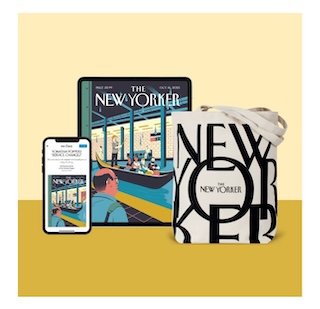
New Yorker Cover

How to Read The New Yorker: A Beginner’s Guide for Japanese Readers

How to Read The New Yorker: A Beginner’s Guide for Japanese Readers

Estimated reading time: 3 minutes

Introduction

Hello everyone, this is Maegami from Goddess’ Bangs 🌸

The New Yorker is a world-famous American magazine featuring essays, fiction, poetry, reviews, and commentary on art, politics, and culture. Its English level is quite high, but don’t worry — in this post, I’ll share how beginners can still enjoy it and make it part of their English-learning journey.

💡 Digital subscription tip:
The annual plan is $109.99, with a discount for the first year — and yes, you get a free tote bag that’s not available anywhere else!

Understanding the Structure of The New Yorker

The New Yorker is divided into several main sections. Knowing what each one contains helps you choose where to start:

  • Talk of the Town — Short essays about New York City’s latest news, culture, and social happenings.
  • Fiction — Short stories from both famous and emerging authors.
  • Poetry — Modern poems by contemporary poets.
  • Profiles — In-depth interviews or portraits of fascinating people.
  • Reviews — Cultural criticism covering books, movies, art, and music.
  • Cartoons — Witty, often satirical cartoons that capture the essence of everyday life.

Decide Your Reading Order

Start with what interests you most. For beginners, I recommend short essays or cartoons first. Once you’re comfortable, move on to longer sections like Fiction or Profiles. That way, you’ll build confidence without feeling overwhelmed.

Tips for Reading The New Yorker

1. Build Some Background Knowledge

Many articles discuss specific events, people, or topics. A quick search online before reading can make the content much easier to understand.

2. Take Notes

If you come across unfamiliar words or interesting phrases, jot them down. Reviewing them later helps strengthen your vocabulary and comprehension.

3. Read with a Relaxed Mind

Don’t worry if you don’t understand every sentence. The New Yorker uses sophisticated language, but the key is to enjoy the process. Read at your own pace, and don’t stress about perfection.

Make the Most of the Digital Edition

Alt="New Yorker digital version image"

You can read The New Yorker online, and the digital version includes full archives of past issues. It’s perfect for exploring specific topics in more depth.

Personally, I subscribe only to the digital version — it’s more affordable, and I can read it on both my phone and tablet with the same account. Super convenient!

Find Reading Companions

Reading with others makes the experience even more rewarding. Join online communities, forums, or book clubs where people discuss The New Yorker. Sharing thoughts in English helps reinforce what you learn and gives you new perspectives.

Conclusion

Today, we explored how to read The New Yorker. Each article can be quite long, and yes, it requires a solid level of English comprehension — but with daily reading, you’ll get used to its rhythm and tone.

The secret is consistency. Read a little every day, even if it’s just one paragraph. Over time, you’ll start understanding naturally — and maybe even begin to think in English.

Keep reading, keep learning, and most importantly, enjoy the journey! ✨

And remember — start learning English as early as possible. It’s never too soon to begin!

Tsumo Omakase in New York: A Reasonably Priced Sushi Omakase Experience

Tsumo Omakase in New York: A Reasonably Priced Sushi Omakase Experience

If you’re looking for a popular sushi spot for young couples in New York, Tsumo Omakase is a must-try.
This restaurant offers a fun, approachable omakase-style sushi experience — where every visit brings something new and special. Let’s explore what makes Tsumo Omakase stand out.

About Tsumo Omakase

Tsumo Omakase is a highly rated sushi restaurant in New York City.
“Omakase” in Japanese means “I’ll leave it up to you,” referring to a dining style where the chef selects the day’s best ingredients to create a personalized menu.

While it may not be exactly like traditional sushi in Japan, the restaurant is run by young, passionate Asian chefs who put great care into every piece they serve.

The Charm of the Omakase Menu

The biggest draw of Tsumo Omakase is its ever-changing chef’s menu.
Each visit brings a new lineup of creative dishes made from the freshest seasonal ingredients.

  • Seasonal seafood: Enjoy fish and shellfish at their peak flavor.
  • Creative dishes: The menu combines classic sushi techniques with modern twists.
  • Perfect balance: Each bite feels thoughtfully balanced in flavor and texture — perhaps thanks to the small sushi portions.
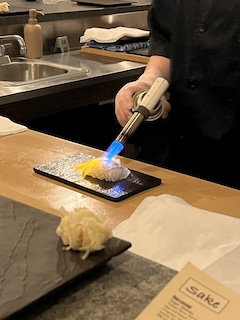
Alt="a chef is cooking a sushi"

Atmosphere and Service

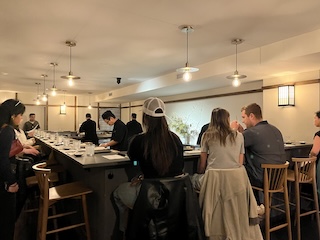
Alt="the inside of Tsumo Sushi restaurant cosy stylish design"

The interior of Tsumo Omakase is modern and stylish, with soft lighting and refined decor creating a relaxed and intimate mood.
At the counter, you can watch the chefs’ precise techniques up close — part of what makes omakase dining so immersive.

The staff are professional, attentive, and provide exceptional service throughout the experience.

Where Is It?

Tsumo Omakase is located in New York City (exact address varies by location).
It’s a cozy, counter-only restaurant — no tables, which adds to its intimate vibe.

Summary

If you want to enjoy an omakase-style sushi experience in New York without breaking the bank, Tsumo Omakase is a fantastic choice.
It’s especially popular among young couples, but perfect for friends too.
With its affordable pricing, relaxed atmosphere, and ever-changing menu, it’s one of New York’s hidden sushi gems.

an image of driving lesson and license

Getting a NYC Driver’s License in New York City

Getting a NYC Driver’s License

Hey everyone, it’s Maegami from The Goddess’ Bangs!

If you’re living in New York and thinking about getting a driver’s license, you might be a little intimidated. Trust me—I was too. I failed my first road test, felt like giving up, but after practicing more, I finally passed. Now I want to share my personal journey, along with practical tips for anyone Japanese (or just new to NYC) who wants to drive in this city.

DMV Website

Step 1: Make Sure You’re Eligible

Here’s the deal:

  • You need to be 16 or older.
  • You must have proof of New York residency (like a utility bill or lease).
  • Non-US citizens, don’t forget your passport or other official ID.

Starting with the basics will save you headaches later.

Step 2: Get Your Learner Permit

The learner permit is your first step. Here’s what I did:

  1. Fill out form MV‑44 online or at the DMV.
  2. Bring your ID documents—the DMV has a handy checklist.
  3. Schedule the written test. You can usually do this online.
  4. Study, study, study the New York Driver’s Manual. Chapters 4–11 are your best friends.

Once you pass, you’ll get your Learner Permit, which allows you to practice driving with someone over 21 in the passenger seat.

Step 3: Practice Driving

NYC streets are intense, so practice is key.

  • I went out 12 times before my road test.
  • Make sure you practice parallel parking—this is where most people fail (including me the first time!).
  • Pay attention to intersections, lane changes, and signaling—NYC drivers are unpredictable, so stay alert.

Step 4: Take the Road Test

When you feel ready:

  1. Schedule your road test online or through a driving school. Schools often provide the car, which is a huge help.
  2. Bring your learner permit and pre-licensing certificate (MV‑278).
  3. Drive like you mean it—but stay calm. The examiner will check your parking, turns, lane changes, and general traffic awareness.

I failed my first test because I wasn’t confident with parallel parking. My advice? Practice until it feels natural, even in tight spots.

Step 5: Get Your Full License

Passed your road test? Congrats! Your NY driver’s license will arrive in the mail in about a week and a half. You’re officially ready to drive around the city!

My Top NYC Road Test Tips for Japanese Residents

  • Study the Driver’s Manual thoroughly—especially road signs.
  • Signal everything and check your mirrors—examiners notice small details.
  • Parallel parking is a must—practice on quiet streets first.
  • Stay calm—even if you make a minor mistake, keep going.
  • Failing isn’t the end—learn from it and try again with confidence.

Why Getting a NY License is Worth It

For Japanese residents, having a New York license is more than just convenience:

  • It helps you navigate NYC’s busy streets safely.
  • You can rent cars or drive in neighboring states without hassle.
  • If you plan to return to Japan, your experience can sometimes help with international driving permits.

Final Thoughts

Getting a NYC driver’s license isn’t easy, but it’s doable. My journey was full of mistakes, practice, and finally, success. If you’re a Japanese resident thinking about driving in New York, take it step by step, practice as much as you can, and don’t give up!

Drive safely, and enjoy the ride.