
Learn English with Trader Joe’s Fearless Flyer!

Learn English with Trader Joe’s Fearless Flyer!

Hello! This is Maegami from the blog Goddess Bangs. Today, let’s explore a fun way to study English using Trader Joe’s unique catalog—the Fearless Flyer.

Studying English with textbooks alone can feel boring and hard to continue. But with the witty and playful Fearless Flyer, you can naturally improve your English vocabulary and expressions while enjoying the process.

What Is the Fearless Flyer?

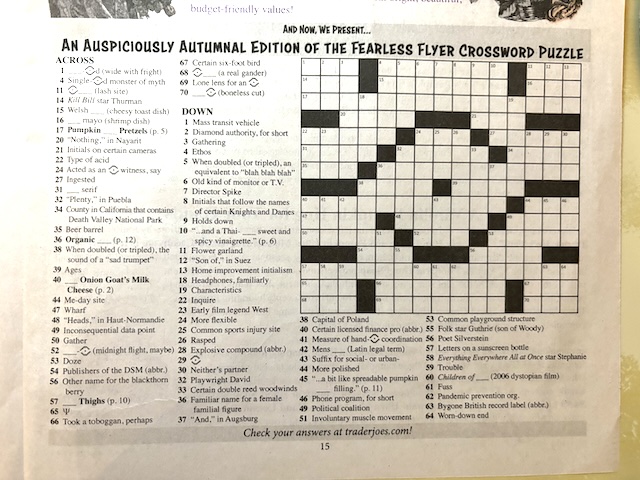
Alt="an excerpt of Fearless Flyer at Trader Joes"

The Fearless Flyer is Trader Joe’s monthly product catalog, available in stores and online. Unlike ordinary catalogs, it’s filled with clever writing, humor, and stylish expressions. By reading it, you’ll naturally pick up practical English phrases you can use in daily conversations.

Why Use the Fearless Flyer for English Learning

Here’s why the Fearless Flyer is perfect for international students and English learners:

  1. Rich Vocabulary
    You’ll find not only food-related words but also everyday phrases and metaphors. It’s a treasure chest of unique expressions!
  2. Casual, Friendly Writing Style
    The text is light, conversational, and close to spoken English, making it easier to understand and apply in real life.
  3. Humor Everywhere
    Studying English doesn’t have to feel stiff. The Flyer is full of jokes and creative comparisons that make learning fun.

How to Study English with the Fearless Flyer

Step 1: Read Aloud
Choose a product description and read it out loud. This helps improve your listening and pronunciation while getting used to natural English rhythm.

Step 2: Note Down Vocabulary
Words like crispy, tangy, or indulgent appear often. Write them down and practice using them in your daily conversations.

Step 3: Enjoy the Humor
Understanding puns and playful wording helps you learn cultural nuances of English. At first it may be tricky, but you’ll gradually catch the meaning.

Example Product Descriptions for Learners

  • Dark Chocolate Peanut Butter Cups
    → Words like indulgent and sinful mean “luxurious” or “decadent,” perfect for describing food or experiences.
  • Organic Roasted Seaweed Snack
    → Described as crispy and savory, useful adjectives for talking about taste and texture.

How to Access the Fearless Flyer

  • Download: Available in PDF format from Trader Joe’s official website.
  • In Store: Pick up a copy when you shop at Trader Joe’s.
  • Online Reading: Click products for detailed descriptions and extra vocabulary practice.
Final Thoughts

Trader Joe’s Fearless Flyer is more than just a shopping catalog—it’s a fun, creative tool to learn English. You’ll expand your vocabulary, get used to natural expressions, and enjoy the humor of American culture.

Next time you visit Trader Joe’s or browse their website, grab the Fearless Flyer and turn your grocery shopping into an English lesson!


Recommended Book – The Power of Language by Viorica Marian

Recommended Book – The Power of Language by Viorica Marian

Hello, this is Maegami from the blog Megami no Maegami! Today, I’d like to introduce one of my favorite English books: The Power of Language by Viorica Marian.

→ Check it out on Amazon

→ Watch Viorica Marian on YouTube (Pivot Official Channel)

A Book That Unlocks the Power of Language

The Power of Language is written by linguist Viorica Marian, who has spent years researching how speaking multiple languages transforms the brain. Her studies reveal how bilingualism and multilingualism improve memory, creativity, and problem-solving skills.

For Japanese readers learning English, this book is an inspiring guide to understanding the benefits of multilingualism and how it can strengthen your “English brain.”

Why Multilingualism Matters

In the book, Marian explains how becoming multilingual keeps the brain more active and flexible. For English learners in Japan, knowing these benefits can boost motivation and make language learning more rewarding.

She also highlights how learning a new language enhances memory, focus, and decision-making skills—all of which can be applied to everyday life.

Key Takeaways for Japanese Reader

Practical advice for learners – If you’re struggling with language study, this book provides insights and steps to become more confident.

Science-backed knowledge – Based on Dr. Marian’s research, the book shares credible data and examples.

Language as a tool for growth – It shows how language influences the way we think, make choices, and even shape our future paths.

Who Should Read The Power of Language?

  • English learners who want to know how language changes the brain.
  • Anyone interested in neuroscience and how language impacts cognition.
  • Self-growth enthusiasts looking for ways to expand their perspective through language.

Final Thoughts

The Power of Language is a must-read for anyone curious about how words shape our minds and lives. For Japanese English learners, it’s not just about studying vocabulary—it’s about unlocking the full potential of multilingualism.

Language is more than communication; it’s a key to personal growth and new perspectives.
Why not pick up this book today and start your journey?

→And if you’re looking for another inspiring read, check out Tara Westover’s Educated.

The Big Leap: How to Break Limits and Step Into Success & Happiness

The Big Leap: How to Break Limits and Step Into Success & Happiness

Hello! This is Maegami from the blog Megami no Maegami. Today, I’d like to introduce a book that can truly change your life. Recently, I read “The Big Leap” by Gay Hendricks, recommended by a friend, and I found it not only easy to read but also filled with powerful insights worth sharing.

Estimated reading time: 3 minutes

[word_balloon id=”1″ size=”M” position=”L” radius=”true” name=”” balloon=”talk” balloon_shadow=”true”]

Interestingly, Vipassana meditation also appears in this book!

[/word_balloon]

Ready to take your own big leap? Check it out here:
The Big Leap on Amazon

What Is The Big Leap?

The Big Leap is a bestselling self-development book written by psychologist and author Gay Hendricks. It explores how we can push beyond our personal limits and unlock both success and lasting happiness.

At the heart of the book lies the concept of the “Upper Limit Problem”—an invisible barrier we create that prevents us from fully embracing joy, success, and growth.

The “Upper Limit Problem”: Breaking Through Self-Imposed Barriers

Hendricks explains that many of us unconsciously sabotage ourselves after experiencing success. For example, after getting a promotion or achieving a major goal, unexpected problems or setbacks may suddenly arise. This is the Upper Limit Problem at work.

To overcome it, Hendricks outlines three key steps:

  1. Recognize your own limits
  2. Identify negative thought and behavior patterns
  3. Develop a mindset that allows greater success and happiness

The “Zone of Genius”: Unlocking Your Full Potential

Another powerful concept introduced in the book is the Zone of Genius. This is the state where your greatest talents and passions come together, allowing you to perform at your highest level while feeling fully alive and fulfilled.

The Big Leap provides practical methods for identifying your Zone of Genius and living in it daily.

Benefits of Reading The Big Lea

  • Overcome self-limitation: Discover how to break free from unconscious patterns that hold you back.
  • Reduce stress and anxiety: Build greater emotional resilience for a healthier, calmer life.
  • Achieve lasting happiness: Move beyond temporary achievements to find deeper fulfillment.
  • Boost your potential: Step into your Zone of Genius and live at your highest level.

Who Should Read The Big Leap?

This book is especially valuable for:

  • Professionals aiming for career growth
  • Anyone interested in self-development
  • People seeking to reduce stress and find everyday happiness
  • Those who want to maximize their true potential

Conclusion

The Big Leap is a powerful guide for anyone who wants to balance success and happiness. By understanding and overcoming the Upper Limit Problem, and by stepping into your Zone of Genius, you can transform your life in profound ways.

It’s also a great book to read in English if you want to improve your language skills. I personally read it in English and found it surprisingly accessible!

How to Develop an “English Brain”: Effective Steps and Approaches

How to Develop an “English Brain”: Effective Steps and Approaches

Hello! I’m Maegami from the blog Goddess’ Bangs.
In this article, I’ll share how to train your brain to think directly in English — a process that took me over ten years. It’s all about daily habits and incorporating English into your lifestyle.

Estimated reading time: 2 minutes

Want to Speak English Fluently?

To speak English fluently, memorizing grammar and vocabulary isn’t enough. You need to build an English-thinking brain — the ability to understand and use English directly without translating from Japanese.
Here’s how you can do it effectively.

Incorporate English into Your Daily Life

To train your English brain, surround yourself with English in natural ways:

  • Write a diary in English: Start small with simple sentences about your day. Gradually write longer entries.
  • Listen to English news: During commutes or chores, tune in to BBC or CNN.
  • Think in English: Make shopping lists, schedules, or even internal thoughts in English.
  • Read English articles daily: Try The New York Times, The New Yorker, The Washington Post, or BBC News.

Increase Opportunities to Speak English

Speaking is essential for developing your English brain:

  • Join English conversation classes: Choose group or one-on-one lessons that fit your style.
  • Join English-speaking communities: Try Meetup or Facebook groups to connect with native speakers and practice naturally.

Balance Input and Output

Developing an English brain requires a healthy mix of input (listening, reading) and output (speaking, writing):

  • Read English books and articles: Expand your vocabulary and comprehension. Don’t stop at every unknown word — learn from context.
  • Watch movies or shows in English: Watch without subtitles to train your ear and understanding.

When You Start Dreaming in English

One clear sign of developing an English brain is when you begin dreaming in English.
That means your mind is processing English unconsciously — the ultimate goal of immersion.

Summary

To build an English brain, make English part of your daily life.
Speak often, balance input and output, and stay consistent.
Over time, you’ll understand and use English naturally — without translation.
Start today, and you’ll feel the difference!

How to Read The New Yorker: A Beginner’s Guide for Japanese Readers

How to Read The New Yorker: A Beginner’s Guide for Japanese Readers

Estimated reading time: 3 minutes

Introduction

Hello everyone, this is Maegami from Goddess’ Bangs 🌸

The New Yorker is a world-famous American magazine featuring essays, fiction, poetry, reviews, and commentary on art, politics, and culture. Its English level is quite high, but don’t worry — in this post, I’ll share how beginners can still enjoy it and make it part of their English-learning journey.

💡 Digital subscription tip:
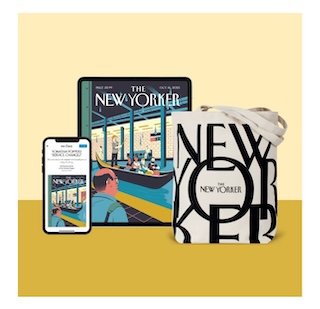
The annual plan is $109.99, with a discount for the first year — and yes, you get a free tote bag that’s not available anywhere else!

Understanding the Structure of The New Yorker

The New Yorker is divided into several main sections. Knowing what each one contains helps you choose where to start:

  • Talk of the Town — Short essays about New York City’s latest news, culture, and social happenings.
  • Fiction — Short stories from both famous and emerging authors.
  • Poetry — Modern poems by contemporary poets.
  • Profiles — In-depth interviews or portraits of fascinating people.
  • Reviews — Cultural criticism covering books, movies, art, and music.
  • Cartoons — Witty, often satirical cartoons that capture the essence of everyday life.

Decide Your Reading Order

Start with what interests you most. For beginners, I recommend short essays or cartoons first. Once you’re comfortable, move on to longer sections like Fiction or Profiles. That way, you’ll build confidence without feeling overwhelmed.

Tips for Reading The New Yorker

1. Build Some Background Knowledge

Many articles discuss specific events, people, or topics. A quick search online before reading can make the content much easier to understand.

2. Take Notes

If you come across unfamiliar words or interesting phrases, jot them down. Reviewing them later helps strengthen your vocabulary and comprehension.

3. Read with a Relaxed Mind

Don’t worry if you don’t understand every sentence. The New Yorker uses sophisticated language, but the key is to enjoy the process. Read at your own pace, and don’t stress about perfection.

Make the Most of the Digital Edition

Alt="New Yorker digital version image"

You can read The New Yorker online, and the digital version includes full archives of past issues. It’s perfect for exploring specific topics in more depth.

Personally, I subscribe only to the digital version — it’s more affordable, and I can read it on both my phone and tablet with the same account. Super convenient!

Find Reading Companions

Reading with others makes the experience even more rewarding. Join online communities, forums, or book clubs where people discuss The New Yorker. Sharing thoughts in English helps reinforce what you learn and gives you new perspectives.

Conclusion

Today, we explored how to read The New Yorker. Each article can be quite long, and yes, it requires a solid level of English comprehension — but with daily reading, you’ll get used to its rhythm and tone.

The secret is consistency. Read a little every day, even if it’s just one paragraph. Over time, you’ll start understanding naturally — and maybe even begin to think in English.

Keep reading, keep learning, and most importantly, enjoy the journey! ✨

And remember — start learning English as early as possible. It’s never too soon to begin!

How to Study English with The New York Times: Build Your English Brain

How to Study English with The New York Times: Build Your English Brain

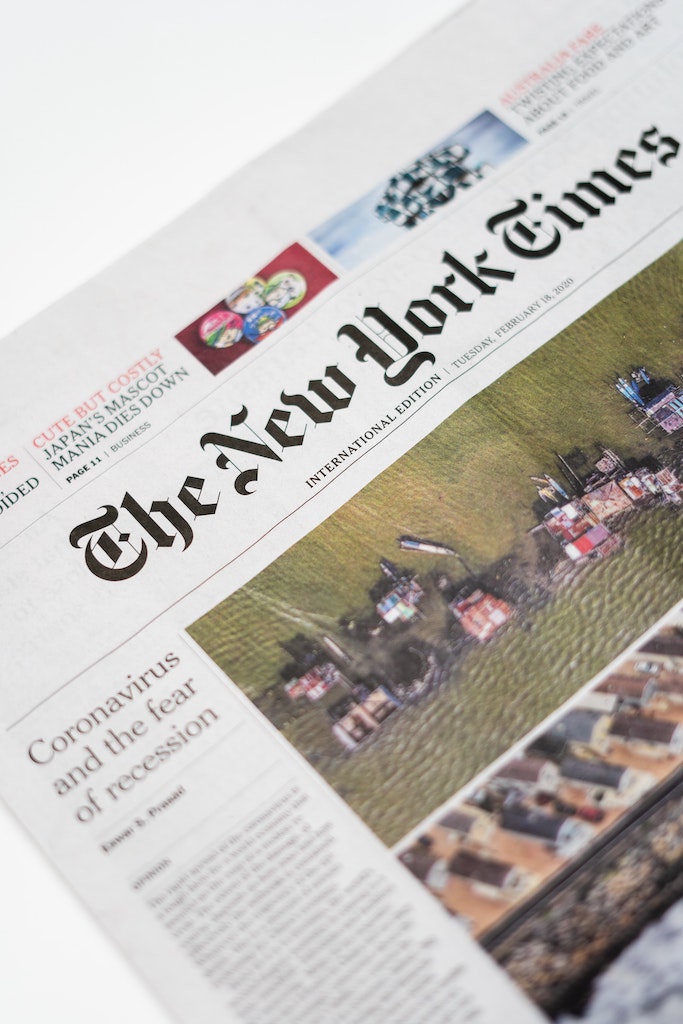
new york times image

Estimated reading time: 4 minutes

Discover how to study English effectively by reading The New York Times. Learn practical tips on improving reading skills, building vocabulary, and training your “English brain” while enjoying real news and culture.

Why Reading The New York Times Helps You Learn English

How do you usually study English? Many Japanese learners start with Japanese textbooks, but relying only on them rarely builds an “English brain.”

The fastest way to think in English is to read authentic English content every day. Don’t worry about understanding everything perfectly. Start with small sections, and you’ll naturally improve. That’s why The New York Times is one of the best resources for learners.

Why Choose The New York Times for English Study?

  • Trusted source: Unlike much of today’s social media, The New York Times fact-checks its articles, making it reliable.
  • Rich vocabulary: Articles expose you to advanced English expressions and current events.
  • Global perspective: You’ll learn about politics, economics, culture, and lifestyle directly from an international viewpoint.

Common Struggles for Japanese Learners

Many learners feel they must read every word from beginning to end. They stop too often to check vocabulary, losing the overall meaning.

The key: focus on main ideas, not every single word.
For The New York Times, the first two paragraphs usually contain the most important information, and the final paragraph offers a summary.

Tips for Reading The New York Times as an English Learne

1. Don’t Read Everything at Once

Even native speakers don’t read every article in full. Choose just one article that interests you—arts, food, lifestyle, or global news—and focus only on the introduction and conclusion.

2. Limit Vocabulary Lookups

Don’t look up every unknown word. Instead, guess the meaning from context. After finishing, check only five new words per article. Write them in a notebook and review them later.

3. Summarize in Your Own Words

After reading, write a short summary (1–5 sentences) in English or Japanese. This helps confirm what you understood and improves memory retention.

4. Treat English as a Tool, Not a Subject

English is not just something to “study”—it’s a tool to access global information. When you think of it this way, reading becomes part of your daily life rather than a heavy task.

Easy Sections to Start With

www.nytimes.com
  • Arts & Culture: Easier vocabulary, fun topics.
  • Food & Lifestyle: Practical, everyday words.
  • Opinion Columns: Great for learning argument structures.

These sections are more approachable and help you stay motivated.

Practical Study Routine

  1. Pick one article from nytimes.com
  2. Read the first 2 paragraphs + last paragraph
  3. Highlight key sentences
  4. Note 5 new words
  5. Summarize in your own words

Repeat daily, and you’ll see progress in both reading speed and vocabulary.

Final Thoughts

Reading The New York Times is one of the best ways to train your English brain. It’s also practical—articles are free for up to 10 per month, or you can subscribe for $17/month.

This method is also used in ESL classes, TOEFL prep, and universities in the U.S. Start today, and make English a natural part of your life.

Return to Home

English Study: Learn Parts of Speech in English

English Study: Learn Parts of Speech in English

In this article, we’ll focus on studying English grammar, specifically Parts of Speech. Think of them as the building blocks of English sentences—similar to the nouns, verbs, and adjectives you learned in school.

To truly understand them, we recommend studying Parts of Speech in English, rather than translating from Japanese. Before diving into the quiz below, you can check out our previous page on Parts of Speech for reference.

What Are Parts of Speech?

Learn Them in English

  • Nouns
  • Pronouns
  • Verbs
  • Adjectives
  • Adverbs
  • Prepositions
  • Conjunctions
  • Other Parts of Speech

All the items above are essential components for building sentences. Learning them in English will help you naturally understand Subject + Predicate structures. For example, answering previously posted quizzes becomes much easier when you can identify the subject and predicate in a sentence. Answers are available on the ANSWER page.

Review: Subject + Predicate

Before practicing Parts of Speech, make sure to read these two articles. Understanding Subject + Predicate is key because Parts of Speech add detail and meaning to sentences. By mastering them, your sentences will become richer and more descriptive.

Quiz: Identify Parts of Speech

To complete this quiz, make sure you first understand what Parts of Speech are.

Parts of Speech are divided into eight groups. Words that don’t fit into the first seven categories belong to “The Other Parts of Speech.” Practicing this way will help you recognize the function of each word in a sentence. Over time, you’ll start noticing these patterns in any English text you read.

Example Sentences

  1. Mike likes bitter chocolates because he finds them healthier.
  2. There are six apples on a dining table.
  3. I went to visit my friend this morning, and I studied this afternoon in the library.
  4. People don’t really know how bad gluten is for the brain. (more challenging)
  5. We need to increase our incomes so that we can live and work for the people who need assistance.

You can categorize these sentences in any way that works for you—by numbering, grouping, or identifying individual words. The important part is to recognize and categorize the components of a sentence.

Recommended Grammar Book

This article is based on a highly readable English grammar book. I personally own it, and it’s extremely clear and beginner-friendly. For Japanese learners who find printed books expensive, the eBook version is a great alternative. Its simple format makes reading English sentences easier and more approachable.

Summary

In this article, we studied Parts of Speech, one of the first steps in learning English grammar. Combine this knowledge with Subject + Predicate practice for a deeper understanding. This blog presents the key points in simple Japanese, so you can cross-reference the recommended book while learning efficiently.

Return to Home

Subject and Predicate: Mastering Sentence Structure

Subject and Predicate: Mastering Sentence Structure

learn English

Today, let’s dive into a key method for improving your English reading skills: understanding Subject + Predicate sentence structures. This skill help you to read articles written in English a lot faster.

For short sentences, splitting them into Subject and Predicate is relatively easy. But once you encounter advanced articles or long-form English texts, reading becomes more challenging. Many learners get frustrated and even develop a dislike for English.

Learning by Understanding Structure is the key

No matter how complex a sentence seems, understanding its structure can solve almost any reading problem. Think of this as applying critical thinking to language learning.

In high school, English grammar classes often taught articles, nouns, and other rules in isolation. Students memorized them for tests, but rarely applied them in writing or reading practice. The brain struggles to retain information without understanding it. Neuroscience even shows that we can only absorb a limited amount of information each day. Information that feels unnecessary is quickly discarded.

Without understanding the structure, it won’t stay in your brain.

Instead, we’ll approach reading backwards: start by looking at the full sentence first, then break it down into its components.

Let’s Look at an Example

Here’s an excerpt from The New York Times:

“A musical about making art and a play about making money dominated the Tony Awards nominations Monday, as Broadway sought to celebrate its best work and revive its fortunes after the lengthy and damaging coronavirus shutdown.”

At first glance, this long sentence may feel intimidating. But can we split it into two parts? Absolutely!

Here’s one way:

Subject + Predicate Split:

  • Subject: A musical about making art and a play about making money
  • Predicate: dominated the Tony Awards nominations Monday, as Broadway sought to celebrate its best work and revive its fortunes after the lengthy and damaging coronavirus shutdown.

Notice that “sought” is the past tense of seek, meaning “tried to” or “aimed to.” Breaking down long sentences like this allows you to focus on meaning without immediately translating into your own language —translation can distort nuance and slow your progress.

Today’s Key Concept: Parts of Speech

From this article and previous quizzes, here’s the next concept to master: Parts of Speech. Think of a long English sentence as a building. Each word is a component, like wood, nails, or screws. Understanding what “parts” make up the sentence is essential.

The main Parts of Speech are:

  • Nouns
  • Pronouns
  • Verbs
  • Adjectives
  • Adverbs
  • Prepositions
  • Conjunctions
  • Other Parts of Speech

Important: You don’t need to memorize all these yet. Just noticing them is enough to activate your brain. First, focus on understanding sentence structure as a foundation.

I highly recommend the book Complete English Grammar Rules. It’s excellent for organizing your thoughts about English grammar. Use a physical book rather than an eBook—writing notes in the margins makes learning more effective. This book is a comprehensive resource, perfect for referring back to when needed.

We’ll start with Nouns in upcoming posts, gradually moving to Verbs and beyond. Remember: don’t focus on translating yet—first, practice identifying Verbs and understanding sentence structure.

Summary

At first glance, the New York Times example might seem intimidating—but breaking it down shows it’s manageable.

Relying solely on your country’s news is limiting. Translation can introduce subjectivity, so reading in English allows you to access more accurate information. The key takeaway today: Parts of Speech. Notice them, think about them, and you’re already making progress.

English learning is about structure first, translation later. Stay curious, and enjoy discovering the components of every sentence!

Return to Home