
Monthly Archives: May 2023

safe disposal cover image

Hazardous Waste Disposal NYC: Event Details
Hazardous Waste Disposal NYC: Event Details

Estimated reading time: 4 minutes

Every year, New York City holds special events to safely collect hazardous household waste.

We are not allow to leave hazardous trash outside of your building. This article explains how to properly dispose of these materials through the NYC Sanitation SAFE Disposal Event, held twice a year.

What Is the SAFE Disposal Event?
The SAFE Disposal Event (Solvents, Automotive, Flammables & Electronics) is organized by the NYC Department of Sanitation (DSNY) twice a year. More Details


Every year, New York Residents receive a postcard notification about one month before the event.

For example, if you live in Upper Manhattan, your event location might be near Columbia University’s Teachers College – but the location is changeable every year.

What Can You Bring?
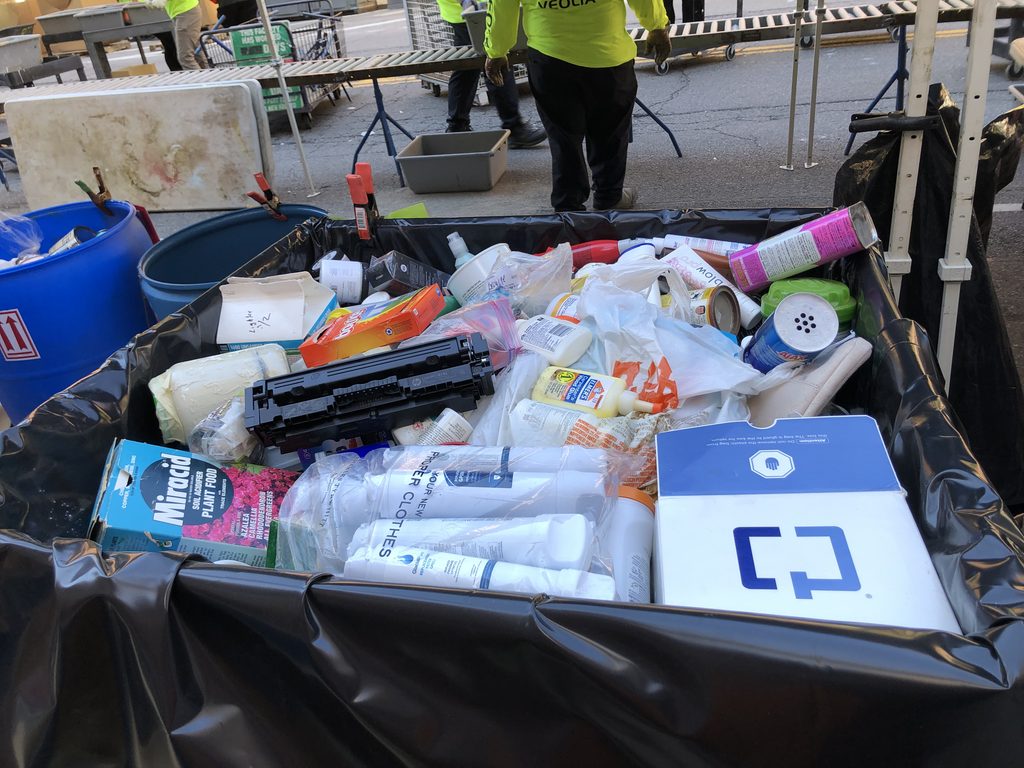
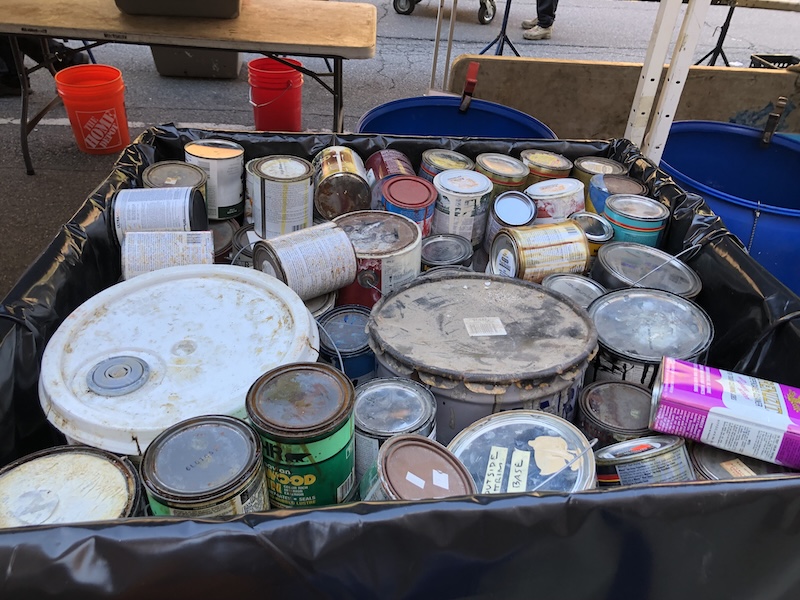
You can bring various household hazardous materials, including:

  • Automotive products: motor oil, transmission fluid, car batteries
  • Expired medicines or chemicals: including cosmetics and nail polish
  • Sharps (needles/syringes): place them in a labeled sharps container or a tightly closed metal can
  • Thermometers and batteries
  • Household cleaners and chemicals: bleach, pesticides, paint, Ajax, toilet cleaners, etc.
  • Compact fluorescent bulbs (CFLs)
  • Electronics: computers, televisions, and broken devices

Important: Do not mix items together. Make sure that you make double-bagged with absorbent material like paper towels or newspaper.

What Happens at the Event
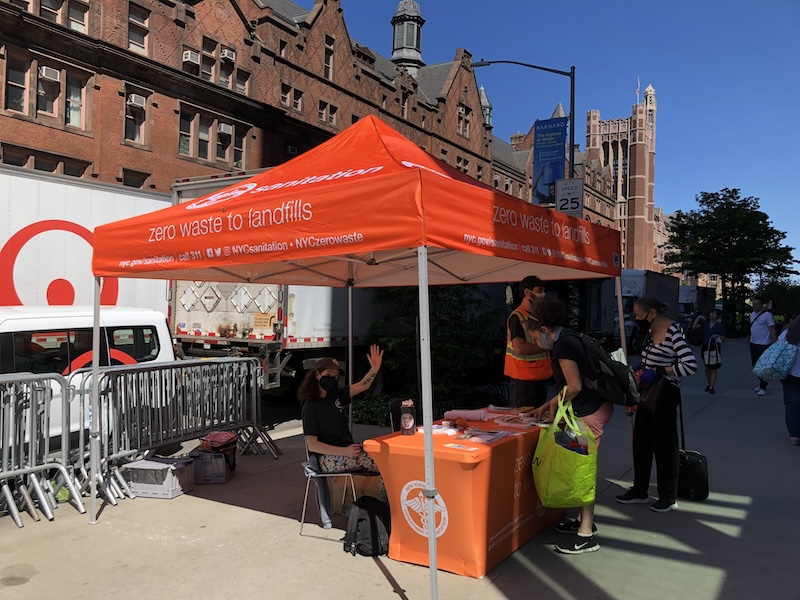
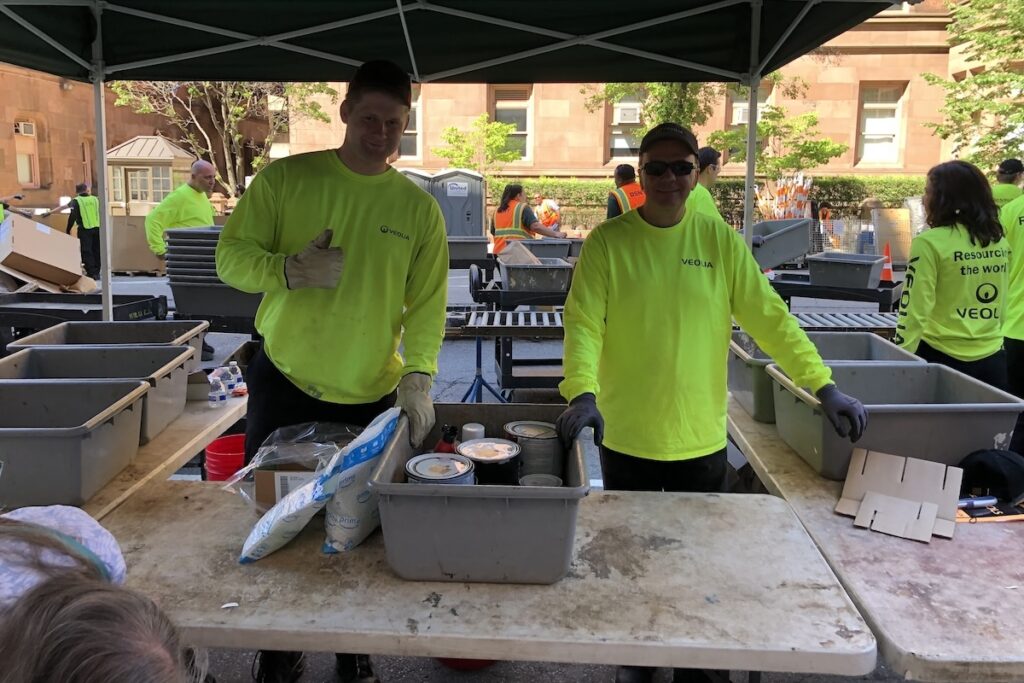
You will see multiple tents at the site. Staff and volunteers guide participants on where to drop off each type of item. Smoking or open flames are strictly prohibited for safety reasons.

The DSNY team also provides information pamphlets and eco-friendly shopping bags made from recycled materials. If you want to responsibly dispose of leftover paint, chemicals, or electronics, this is the perfect opportunity.

Don’t Throw Electronics in the Trash!
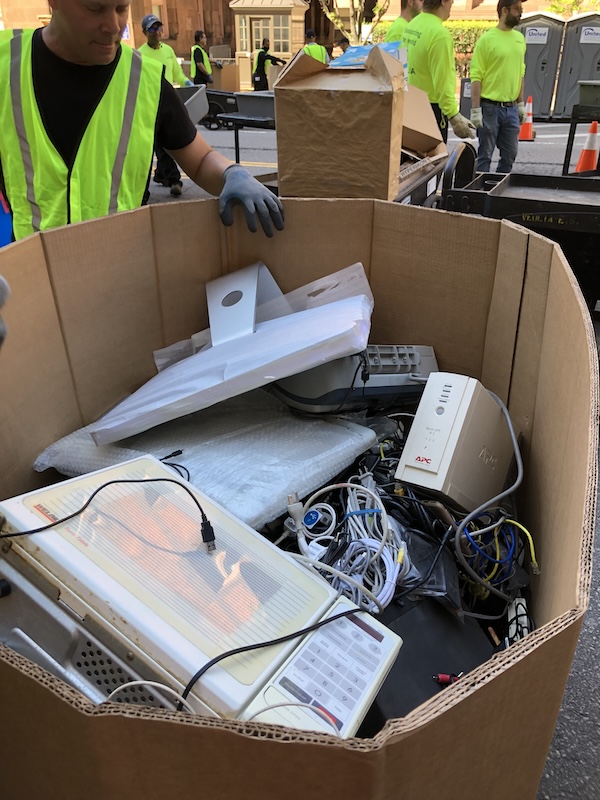
Throwing away computers or batteries in your building’s trash area can result in fines.
These must be dropped off at SAFE events or through official recycling programs.
After collection, electronics are sent to facilities like ERI for proper dismantling and refurbishing.

NYC’s Goal: Zero Waste to Landfill by 2030

For decades, New York City sent its trash to the Fresh Kills landfill in Staten Island.
After it closed, waste was redirected to other states like New Jersey, leading to environmental issues such as water pollution and unpleasant odors.

Now, NYC is working toward its ambitious “Zero Waste by 2030” goal.
Participating in programs like SAFE Disposal is a vital step toward a cleaner, greener city.

For Business Owners: Tax Benefits

If you operate a business in NYC, you can benefit from city-sponsored sustainability programs such as:

These not only support the environment but may also provide tax-saving opportunities.

Summary

Properly disposing of hazardous waste is crucial for keeping New York City clean and safe.
The SAFE Disposal Event only happens twice a year, so mark your calendar early and don’t miss it!

Unlike Japan, New York’s waste disposal rules are more relaxed, so it’s up to each resident to act responsibly. Together, we can help NYC move closer to a zero-waste future

Back to Home

Alt="sushi set at Yasaka restaurant"

Affordable Sushi in New York: Yasaka on the Upper West Side

Affordable Sushi in New York: Yasaka on the Upper West Side

Discovering Sushi Yasaka

Estimated reading time: 4 minutes

One of my favorite go-to sushi spots in New York is Sushi Yasaka. It has been around for years and is always popular—so popular that walking in without a reservation can be risky. Located just off 72nd Street on the Upper West Side, it’s less than a five-minute walk from the nearest subway station.

If you ever think, “I’m craving sushi tonight”, Yasaka is the perfect choice. The prices are incredibly reasonable, and the quality is much better than many chain restaurants—dare I say, even tastier than Kura Sushi, without breaking the bank.

Curious? You can check their official website for the latest menu and reservations.

Where Is Sushi Yasaka Located?

Sushi Yasaka is located on the north side of West 72nd Street, in Manhattan’s Upper West Side. The location is easy to access and makes it a convenient stop for sushi lovers in the neighborhood.

Yasaka’s Famous Affordable Omakase

Alt="sushi delax"

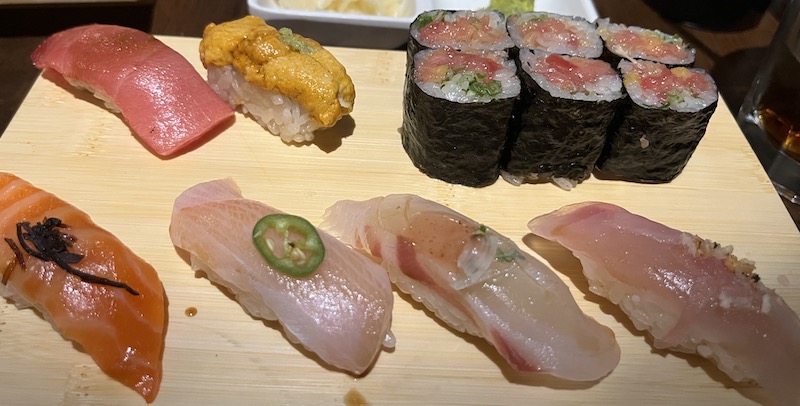
Before the pandemic, Yasaka offered a 12-piece omakase set with a toro-taku roll for just $45. After some changes, the restaurant now features a mini omakase at only $33.

Alt="sashimi delax"

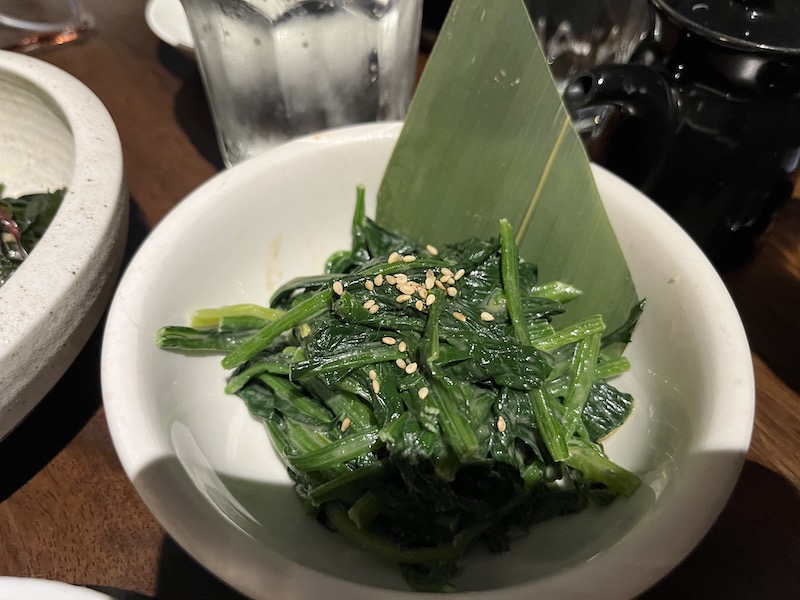
Not only is the sushi delicious, but the appetizers served beforehand are also flavorful and thoughtfully prepared. The portion size is just right—satisfying without being overwhelming.

Fresh Fish, Tasty Appetizers, and More

Alt="small vegetable dish at Sushi Yasaka"
Alt="ankimo dish at Yasaka"
Alt="cooked mushrooms with butter"

On my last visit, I ordered more than I planned—sashimi deluxe, omakase, and several appetizers. The turnover here is quick, which means the fish is always fresh.

Alt="Shrimp tempra dish"

Compared to Kura Sushi, Yasaka might feel slightly pricier, but the quality is worth it. Of course, it can’t quite match the old-school Edokko-style sushi in Japan, but in New York, Yasaka definitely counts as one of the better and most satisfying sushi restaurants.

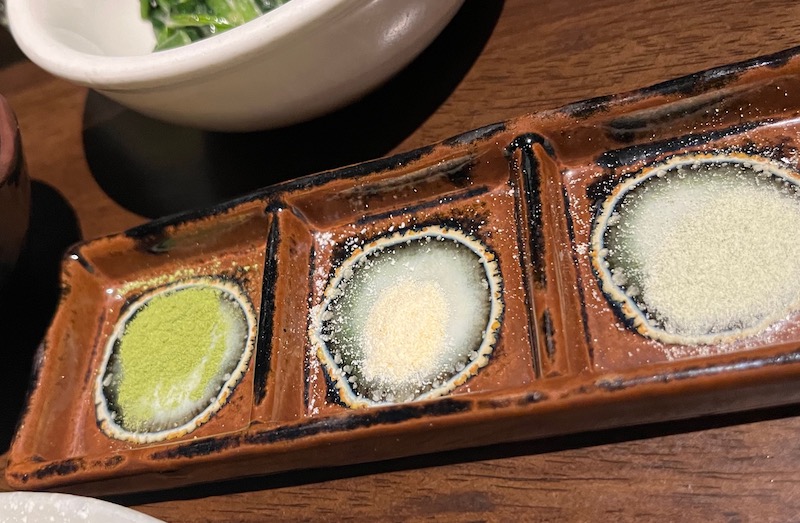
Alt="different flavor salt"

The only catch? Reservations are a must. Without one, you might end up waiting a long time.

And if you’re looking for another high-quality sushi experience in New York, add Tsumo Omakase to your list!

Final Thoughts

For fresh, affordable, and truly satisfying sushi in New York, Sushi Yasaka is a gem. With its cozy location on the Upper West Side, fair pricing, and consistently fresh fish, it’s no surprise the restaurant is always busy.

Whether you’re a local or visiting, Yasaka is the kind of sushi spot that will leave you happy, full, and already planning your next visit.

I-94 image cover photo

Why the U.S. I-94 Travel Record Matters: My Experience with Green Card and Visa Applications

Why the U.S. I-94 Travel Record Matters: My Experience with Green Card and Visa Applications

I-94 image cover photo

Estimated reading time: 3 minutes

Losing an I-94 Form Can Change Everything

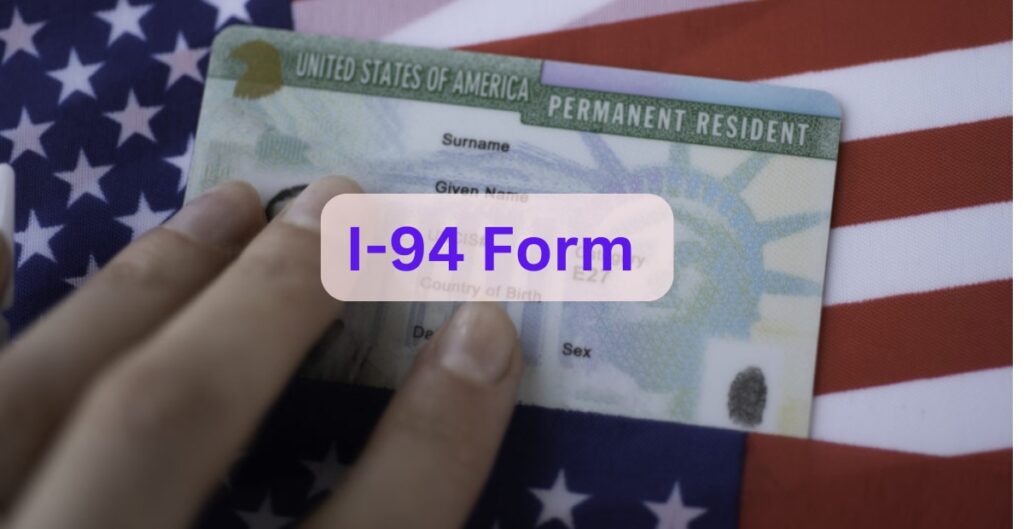
Not long ago, a friend of mine was preparing her green card application when she realized something terrible—she had lost her I-94 Form, the U.S. entry and exit record. Even worse, it was from before 2015, back when the I-94 was a white paper card stapled to your passport.

Today, I-94 records are available online, but only for the past five years. Older records? You’re on your own.

In her case, there was even a gap in her travel history. She had to prove exactly when she had entered the U.S. Luckily, I had entered with her years ago. I wrote a detailed statement about that day, had it notarized, and mailed it to her as supporting evidence. I can only hope it helps her case.

This experience reminded me how important the I-94 truly is—not just a piece of paper or a digital file, but a document that can decide your future in the U.S.

What Exactly Is the I-94 Form?

The I-94 is an official U.S. Customs and Border Protection (CBP) record that shows:

  • The date you entered the U.S.
  • The country you traveled from (Japan, China, etc.)
  • Your authorized period of stay

Before 2015, the I-94 was a physical white slip of paper, often carelessly stapled into passports. After 2015, CBP moved the system online. Now you can retrieve your travel history electronically—but remember, the system only stores the last five years.

Why the I-94 Is So Important

You may be surprised how often this little record is needed:

  • Green card (permanent residency) applications – USCIS often asks for it.
  • Visa renewals – I personally had to provide copies of my old paper I-94s.
  • University procedures – students must show entry and exit records every time they travel abroad.
  • Proof of legal entry – if there are questions about your status, this record can protect you.

In short: without your I-94, you may not be able to prove you are in the U.S. legally.

How to Get Your I-94 Record

If you entered after 2015, the process is simple: go to the official CBP website, enter your passport details, and download your record for free.

But if your entries were before 2015, things get complicated. You may need to show alternative documents or provide sworn statements, like my friend did. That’s why keeping every document safe is so important.

Final Thoughts

Living in another country means respecting its rules—and keeping track of your records. The U.S. I-94 travel record may seem small, but it can have a huge impact on your future.

Whether you are applying for a student visa, an artist visa, or a green card, remember: your I-94 is proof that you entered the U.S. legally. Keep it safe, and know how to access it when needed.

Back to Home