NYC Curbside Composting Comes to Manhattan: Everything Residents Need to Know (2024)

NYC Curbside Composting Comes to Manhattan: Everything Residents Need to Know (2024)

Hello! This is Maegami from the blog Megami no Maegami. Today I’d like to share some important news for all New Yorkers:

Estimated reading time: 3 minutes

Starting October 6, 2024, New York City is rolling out its curbside composting program citywide—including Manhattan for the very first time.

This new initiative is a major step toward a cleaner, greener, and more sustainable future. In this article, I’ll explain how the program works, what items are accepted, and why this matters for residents.

[word_balloon id=”1″ size=”M” position=”L” radius=”true” name=”” balloon=”talk” balloon_shadow=”true”]

Until now, I had to carry my food scraps to a compost bin in a nearby park!

[/word_balloon]

🛒 Recommended composting bags → Amazon link
🛒 Recommended compost bin → Amazon link

What Is NYC’s Curbside Composting Program?

According to Mayor Eric Adams and Sanitation Commissioner Jessica Tisch, NYC will begin free weekly collection of food scraps and yard waste across all five boroughs this October.

The program first proved successful in Brooklyn and Queens and will now finally expand into Manhattan. Food waste and soiled paper will be collected in brown compost bins and later turned into compost or renewable biogas.

(Source: NYC Department of Sanitation)

What Can Be Composted?

Here’s what you can put in your compost bin:

  • Food waste: vegetable and fruit peels, eggshells, leftovers
  • Food-soiled paper: pizza boxes, napkins, paper towels
  • Yard waste: grass clippings, leaves, small branches

Not accepted: plastics, glass, or regular recyclables—these should still go out on your normal recycling day.

How to Prepare Your Food Waste

  • Use the official brown compost bin provided by the city
  • Store food waste inside to avoid odors and pests
  • Place the bin at your curb the night before collection day

This system helps keep NYC streets cleaner and prevents rats and insects from spreading.

Collection Schedule

Each neighborhood’s collection schedule will be announced by the NYC Department of Sanitation. Be sure to check their website or mailers for your pickup day.

Following the schedule ensures efficient service and keeps our city sanitary.

Why This Program Matters

By joining this program, residents will contribute to:

  • Environmental protection: less landfill waste, more compost and renewable energy
  • Cleaner streets: reduced litter and rodent problems
  • Energy efficiency: food waste converted into biogas helps power the city sustainably

Conclusion

With the launch of Manhattan’s curbside composting program, New York City is taking a significant step toward sustainability.

By separating and properly disposing of food scraps, every resident can play a role in keeping NYC cleaner, greener, and healthier.

So, prepare your compost bin, and let’s make this program a success together!

John Thompson Piano Method: The Best Choice for Fast Piano Progress

John Thompson Piano Method: The Best Choice for Fast Piano Progress

John Thompson piano textbook image cover photo

Estimated reading time: 3 minutes

Today I’m sharing from my piano series, where I introduce effective piano learning materials based on my 10+ years of experience teaching piano in the U.S. This time, let’s take a closer look at the John Thompson Piano Method.

Why Choose John Thompson’s Piano Method?

Swan lake a song from the textbook

When you want to build a solid foundation in piano and make progress as quickly as possible, the choice of method book is crucial. Among the many available, the John Thompson Piano Method series stands out. It is widely used not only by children but also by adult learners who want to improve efficiently.

Many learners wonder, Is Piano Adventures too slow? — here’s how it compares to John Thompson.

Efficient Step-by-Step Progress

John Thompson’s books cover the fundamentals while allowing learners to move smoothly to the next level. In particular, the Teaching Little Fingers to Play series keeps hand positions consistent, making it easier for beginners to learn without confusion.

Fun and Engaging Music

These books are filled with beginner-friendly tunes that make practice enjoyable. Each lesson is structured into short, progressive steps that naturally deepen understanding while maintaining motivation. Many students love the playful and sometimes quirky illustrations — I’ve even had my kids color them in for extra fun!

Visual Learning Support

The John Thompson series uses plenty of illustrations and diagrams, making it especially helpful for visual learners and younger children. This visual support helps reinforce rhythm and note reading. The distinctly American-style artwork adds charm and makes the learning experience unique.

Thanks to its systematic curriculum and motivating content, the John Thompson Piano Method has been praised by piano teachers worldwide. For students who want noticeable results in a short period and prefer an efficient learning path, this method is an excellent choice.

Conclusion

The John Thompson Piano Method is ideal for anyone who wants to progress quickly while enjoying the process. It strengthens the basics effectively and has been loved by students for generations. If you’re looking for a proven and engaging piano method, this series is well worth trying!

→ Get John Thompson’s Modern Course for Piano on Amazon

Disclosure: This post contains Amazon affiliate links. As an Amazon Associate, I earn from qualifying purchases at no additional cost to you.

Back to Home

What Is Serving in Vipassana Meditation?

What Is Serving in Vipassana Meditation?

Introduction

Estimated reading time: 3 minutes

Hello, I’m Maegami, the author of Goddess Bangs Blog.
Since 2022, I’ve been practicing Vipassana meditation—and I still continue meditating for one hour every day. The benefits of Vipassana are profound. Even if just one person in a family starts this meditation, it can bring a sense of peace and harmony to the whole household.

What Is Vipassana Meditation?

Vipassana meditation is a deep and ancient practice aimed at purifying the mind and cultivating inner peace. This meditation method was spread worldwide by S.N. Goenka, and thousands of people now join Vipassana retreats each year to experience its powerful effects.

One essential aspect of these retreats is serving, also known as “Dāna service” or “Seva.” Serving plays a vital role in supporting meditators and maintaining the spirit of selfless giving.

What Does “Serving” Mean in Vipassana?

Serving refers to offering voluntary support at a Vipassana meditation center during a retreat.
Servers (volunteers) help with practical tasks so that meditators can focus entirely on their inner journey.

Main Responsibilities of Servers

  • Meal Preparation & Service:
    Servers prepare and serve healthy, balanced meals to nourish meditators throughout the retreat.
  • Maintaining the Facility:
    Cleaning, organizing, and keeping the meditation center peaceful and tidy help create a calm environment for meditation.
  • Providing Guidance & Support:
    Servers help answer basic questions about the retreat rules and meditation process, assisting participants when needed.
  • Background Work:
    Tasks such as setting up the meditation hall, washing dishes, or managing logistics—all done silently and mindfully.

This spirit of service resembles the practices in Japanese temples. It’s not about buying spiritual products or belonging to a sect—it’s about training the mind through meditation and giving back by helping others meditate peacefully.

The Benefits of Serving

While meditation alone can transform your life, serving adds another dimension of learning and growth.
Here are some of its key rewards:

The Joy of Service

Serving others fosters humility, love, and generosity. It’s a chance to cultivate a heart of selfless compassion.

Deepening Meditation

Through service, the ego naturally softens, allowing deeper meditation experiences and greater mental clarity.

Building Community

Serving connects you to the Vipassana community—you build meaningful friendships and share a quiet sense of purpose with others on the same path.

How to Apply for Serving

If you feel called to serve, you can apply directly through your local Vipassana center’s official website.
Details about retreat schedules and eligibility are also available online.

In Japan, there are currently two Vipassana centers—one in Chiba and another in Kyoto.

My Experience with Serving

Personally, I’ve completed:

  • Two 10-day meditation courses
  • Two 3-day serving sessions
  • One 10-day serving experience

Think of it as a form of temple training—simple, silent, and deeply transformative.

Conclusion

Serving in Vipassana meditation is a beautiful opportunity to support others, cultivate mindfulness in action, and experience spiritual growth through service.
If you’ve already completed a course, try serving next time—it might change your perspective on life in the most peaceful way.

Related Articles

Return to Home

How to Get an International Driving Permit (IDP) with a U.S. Driver’s License

How to Get an International Driving Permit (IDP) with a U.S. Driver’s License

Hello, this is Maegami from Goddess’ Bangs.

Estimated reading time: 4 minutes

Earlier this year, I finally got my driver’s license in New York. During the summer, I also obtained an International Driving Permit (IDP) and drove in Japan for the very first time in my life.

In my previous article, I explained how to get a driver’s license in the United States. This time, I would like to share how to obtain an International Driving Permit using a U.S. driver’s license.

For people who hold a U.S. driver’s license, an International Driving Permit can be extremely useful when driving overseas. In this article, I’ll explain how to obtain one and what you should know before driving abroad.

What Is an International Driving Permit (IDP)?

An International Driving Permit (IDP) is essentially a translated version of your U.S. driver’s license. It allows local police officers and rental car companies in foreign countries to understand your driving credentials.

The IDP is recognized by the U.S. Department of Transportation (DOT) and can make overseas travel much smoother for drivers.

Requirements for Obtaining an IDP

To apply for an International Driving Permit in the United States, you must:

  • Have a valid U.S. driver’s license
  • Be at least 18 years old

Where Can You Get an International Driving Permit?

In the United States, IDPs are issued through:

  • AAA (American Automobile Association)
  • AATA (American Automobile Touring Alliance)

How to Apply for an International Driving Permit

1. Prepare the Application Form

Download the application form from the AAA or AATA website.

You can:

  • Print and fill it out in advance
  • Or complete the application form at the office

2. Prepare the Required Documents

You will need:

  • A copy of your valid U.S. driver’s license
  • Two passport-sized photos taken within the last six months
    (Some offices can take photos for you on-site.)
  • Application fee
    (Usually around $20, but check the official website for the latest pricing.)

3. Submit Your Application

Bring the documents and fee to your nearest AAA or AATA office. New York Location

You can also apply by mail by sending the required documents and payment to the designated address.

4. Receive Your International Driving Permit

Once your application is processed, your IDP is usually issued on the same day or within a few days.

Important Things to Know When Using an IDP Abroad

Always Carry Both Licenses

You must carry:

  • Your International Driving Permit
  • Your original U.S. driver’s license

The IDP alone is not valid without your actual license.

Validity Period

An International Driving Permit is generally valid for one year from the date of issue.

If it expires, you will need to apply for a new one.

Renting a Car Overseas

In many countries, rental car companies will ask to see your IDP before allowing you to rent a vehicle.

However, rules vary by country, so it is important to check local regulations before traveling.

Tips for Driving Overseas

Learn Local Traffic Rules

Traffic laws can differ greatly from those in the United States.

Before driving abroad, take time to review:

  • Road signs
  • Speed limits
  • Parking regulations
  • Local driving customs

Insurance Matters

Make sure you have appropriate insurance coverage.

If you are renting a car, it is usually a good idea to purchase insurance offered by the rental car company.

Parking Information

Parking systems and rules vary widely depending on the country.

Research:

  • Parking locations
  • Fees
  • Restrictions
    before your trip to avoid unnecessary stress.

Final Thoughts

Getting an International Driving Permit with a U.S. driver’s license is actually a simple process and can make traveling abroad much easier.

I hope this guide helps you prepare for safe and enjoyable driving overseas.

For the latest information and application details, please check the official AAA or AATA websites before applying.

How to Read The New Yorker: A Beginner’s Guide for Japanese Readers

How to Read The New Yorker: A Beginner’s Guide for Japanese Readers

Estimated reading time: 3 minutes

Introduction

Hello everyone, this is Maegami from Goddess’ Bangs 🌸

The New Yorker is a world-famous American magazine featuring essays, fiction, poetry, reviews, and commentary on art, politics, and culture. Its English level is quite high, but don’t worry — in this post, I’ll share how beginners can still enjoy it and make it part of their English-learning journey.

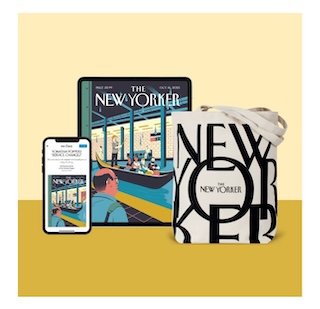
💡 Digital subscription tip:
The annual plan is $109.99, with a discount for the first year — and yes, you get a free tote bag that’s not available anywhere else!

Understanding the Structure of The New Yorker

The New Yorker is divided into several main sections. Knowing what each one contains helps you choose where to start:

  • Talk of the Town — Short essays about New York City’s latest news, culture, and social happenings.
  • Fiction — Short stories from both famous and emerging authors.
  • Poetry — Modern poems by contemporary poets.
  • Profiles — In-depth interviews or portraits of fascinating people.
  • Reviews — Cultural criticism covering books, movies, art, and music.
  • Cartoons — Witty, often satirical cartoons that capture the essence of everyday life.

Decide Your Reading Order

Start with what interests you most. For beginners, I recommend short essays or cartoons first. Once you’re comfortable, move on to longer sections like Fiction or Profiles. That way, you’ll build confidence without feeling overwhelmed.

Tips for Reading The New Yorker

1. Build Some Background Knowledge

Many articles discuss specific events, people, or topics. A quick search online before reading can make the content much easier to understand.

2. Take Notes

If you come across unfamiliar words or interesting phrases, jot them down. Reviewing them later helps strengthen your vocabulary and comprehension.

3. Read with a Relaxed Mind

Don’t worry if you don’t understand every sentence. The New Yorker uses sophisticated language, but the key is to enjoy the process. Read at your own pace, and don’t stress about perfection.

Make the Most of the Digital Edition

Alt="New Yorker digital version image"

You can read The New Yorker online, and the digital version includes full archives of past issues. It’s perfect for exploring specific topics in more depth.

Personally, I subscribe only to the digital version — it’s more affordable, and I can read it on both my phone and tablet with the same account. Super convenient!

Find Reading Companions

Reading with others makes the experience even more rewarding. Join online communities, forums, or book clubs where people discuss The New Yorker. Sharing thoughts in English helps reinforce what you learn and gives you new perspectives.

Conclusion

Today, we explored how to read The New Yorker. Each article can be quite long, and yes, it requires a solid level of English comprehension — but with daily reading, you’ll get used to its rhythm and tone.

The secret is consistency. Read a little every day, even if it’s just one paragraph. Over time, you’ll start understanding naturally — and maybe even begin to think in English.

Keep reading, keep learning, and most importantly, enjoy the journey! ✨

And remember — start learning English as early as possible. It’s never too soon to begin!

Hakata Tonton | Authentic Motsunabe and Okonomiyaki in New York

Hakata Tonton: A Must-Visit Japanese Restaurant in New York

Hello! This is Maegami from Megami no Mae Kami blog. Today, I’m excited to share a restaurant review with you! It’s been about 10 years since I last visited Hakata Tonton in New York, and I was thrilled to experience it again.

Previously located in the West Village, Hakata Tonton has now moved to 35th Street in Midtown Manhattan, an area that’s home to many amazing restaurants. Among them, Hakata Tonton stands out with its delicious Japanese offerings. If you’re a fan of traditional Japanese hotpots and comfort food, this place is definitely worth a visit.

Hakata Tonton Website

Where is Hakata Tonton Located?

Hakata Tonton is conveniently located near the 34th Street subway station, which is serviced by the orange lines (D, M, F) and the yellow lines (N, Q, R). If you exit at 35th Street, you can avoid the busy crowds and enjoy a pleasant walk to the restaurant.

Hakata Tonton Menu: Traditional Japanese Dishes with a Twist

The highlight of Hakata Tonton’s menu is, of course, its Motsunabe (beef offal hotpot), which is rich and flavorful. However, the side dishes here are also a huge draw. One of my personal favorites is the Okonomiyaki (Japanese savory pancake), which is loaded with seafood and packed with flavor. The quality is so high that I’m not sure you could replicate this at home. It’s definitely a dish I’d recommend ordering.

Here are some highlights from their menu:

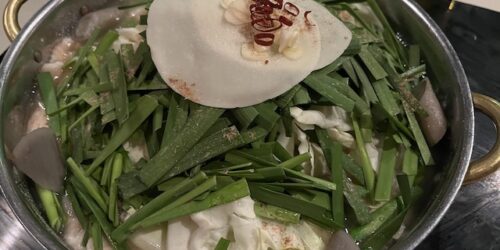
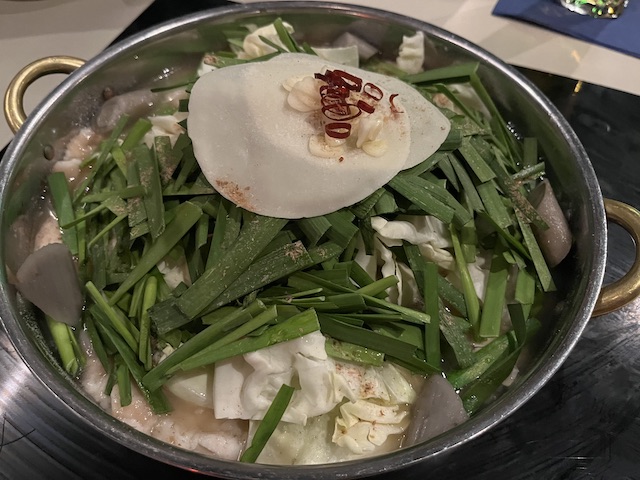
博多とんとん もつ鍋の画像
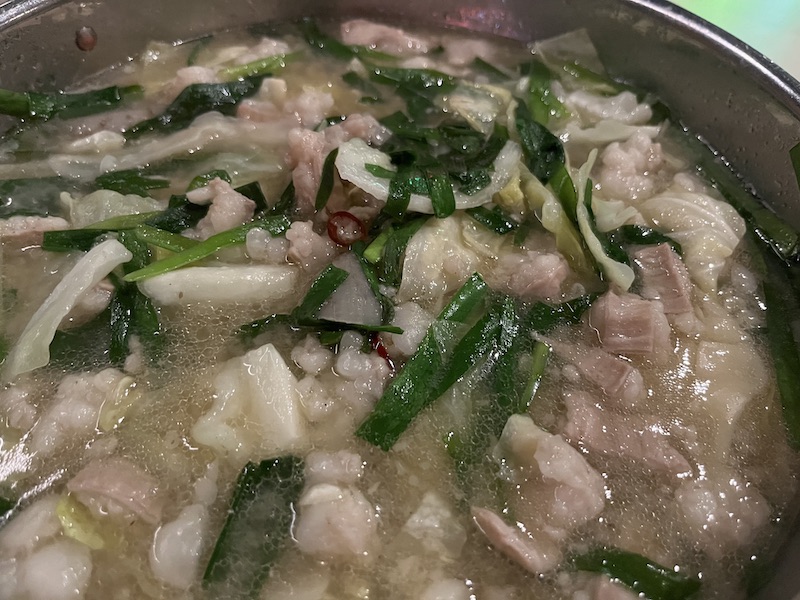
博多とんとん もつ鍋の画像2
  • Motsunabe – A rich, delicious hotpot with perfectly tender beef offal and a unique addition of burdock root. The broth is flavorful yet not too greasy, making it a standout dish in New York’s hotpot scene.
  • Okonomiyaki – This savory pancake filled with seafood is perfect for those who love a hearty meal with a Japanese twist.
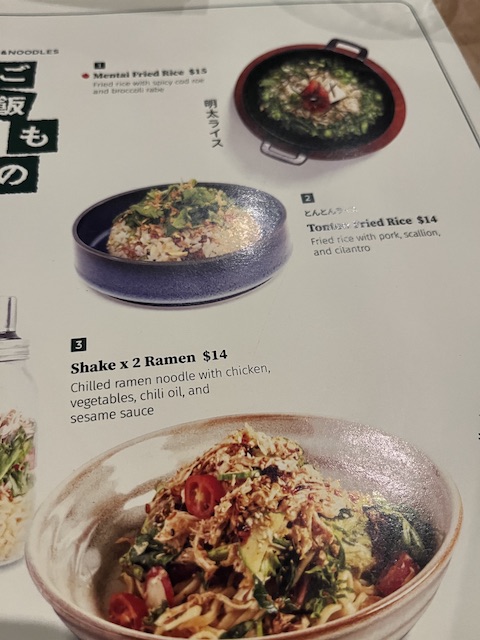
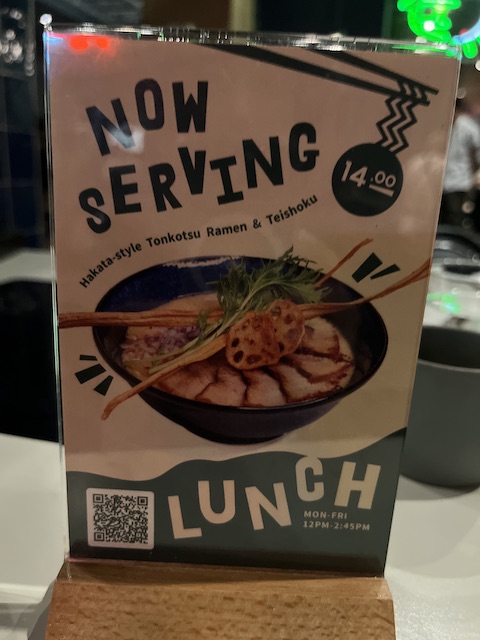
  • Ramen – Though I wasn’t as blown away by the ramen, it’s still worth mentioning, especially for those craving a quick bowl of Japanese noodles.

A Sweet Ending: Desserts at Hakata Tonton

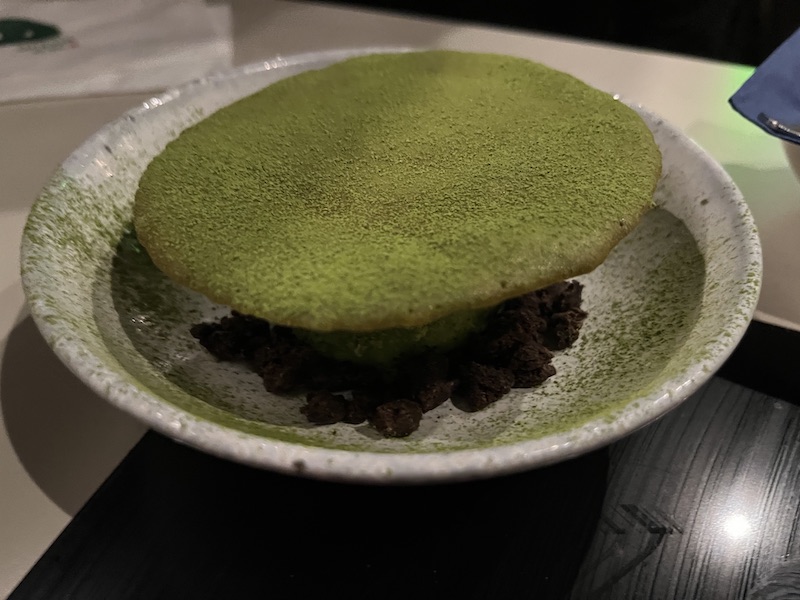
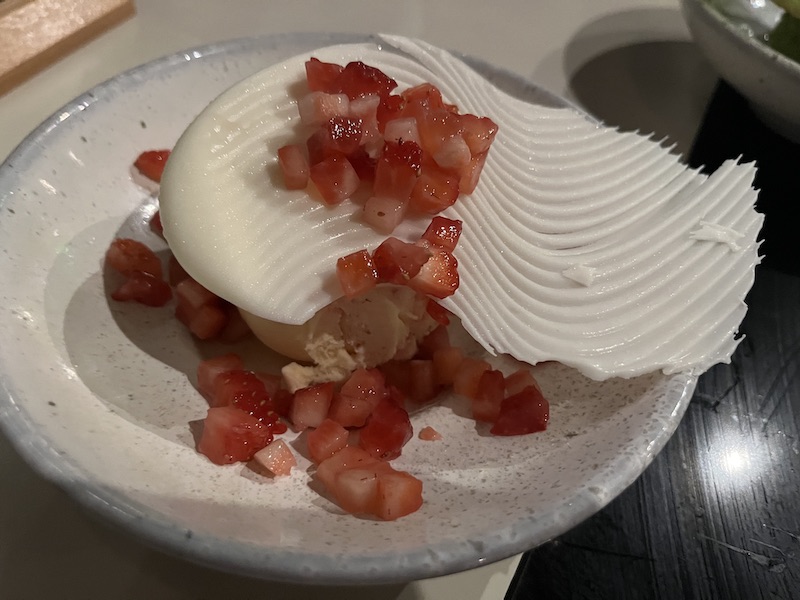
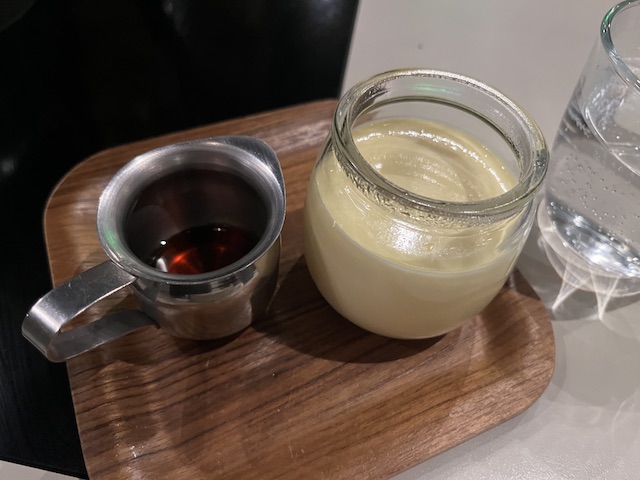
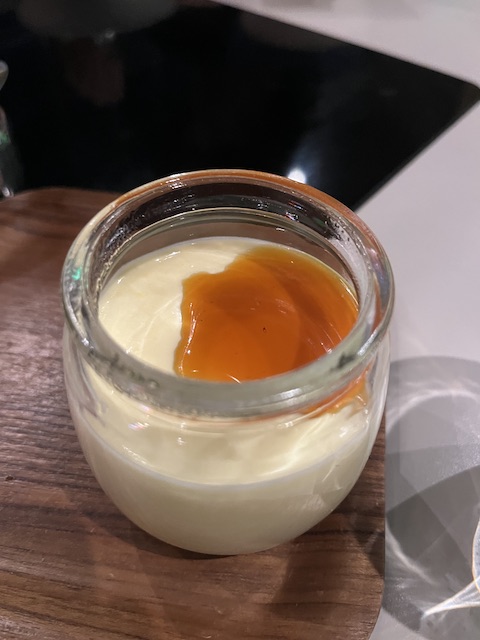
After indulging in the savory dishes, you might think you’re too full for dessert – but the sweets here are too tempting to resist! The dessert menu includes:

  • Matcha Ice Cream
  • Strawberry Ice Cream
  • Pudding with Syrup
博多とんとんの抹茶アイスの画像
Matcha Ice Cream
Strawberry Ice Cream
博多とんとんのデザート
Pudding with Syrup
博多とんとんのスイーツプリン
Pudding with Syrup

These treats offer the perfect end to your meal, and I highly recommend trying them if you have room left!

Lunch Options and Pricing at Hakata Tonton

During the pandemic, prices for ramen and other dishes skyrocketed. However, it seems the prices have settled back to a more reasonable range. A bowl of ramen here is priced at about $14, which is closer to pre-pandemic prices. If you’re looking for a quick and affordable lunch in Midtown, this is a great spot to drop by.

Final Thoughts: Why Visit Hakata Tonton?

It’s been 10 years since I first visited Hakata Tonton, and I can honestly say it was even better this time. The Motsunabe with its unique burdock root addition was absolutely delicious. Whether you’re a fan of traditional Japanese hotpots or looking to try something new, Hakata Tonton has something to offer.

If you’re in New York and craving authentic Japanese comfort food, don’t miss out on Hakata Tonton. The atmosphere is warm, the food is top-notch, and the location on 35th Street makes it an ideal spot for a meal with friends or a solo dining experience. Whether it’s a chilly winter day or a cozy evening out, this restaurant will surely leave you satisfied!

I hope this English blog captures the essence of Hakata Tonton and introduces it to English-speaking audiences. Would you like to adjust anything else or focus on a specific part of the experience?

Return to Home

Applying for an American Artist Visa | Beware of Scam-Like Immigration Lawyers

Applying for an American Artist Visa | Beware of Scam-Like Immigration Lawyers

This time, I’m sharing new information about artist visa applications. In New York, I sometimes hear stories about immigration lawyers who behave almost like scammers, so I hope this helps you avoid trouble.

Currently, I am assisting with an SOS case related to an artist visa application. A young Asian woman in her early 20s, who applied for her O-1 artist visa in New York City, ended up hiring a lawyer who turned out to be scam-like. She is now in danger of having her visa denied. I’ve stepped in to support her application in place of that unethical lawyer. We will respond to the RFE (Request for Evidence) by mid-January, and I will share the results later. Based on this experience, I will explain what happened and the key points to watch out for when choosing an immigration lawyer.

What Happened?

The person who contacted me is an Asian pianist who graduated from a well-known university in New York. She applied for her O-1 visa through a famous lawyer. The law firm has a polished, professional website that ranks high on SEO searches.
After submitting her application, she received an RFE (Request for Evidence). The letter said:

You have performed as a guest pianist with your home country’s philharmonic orchestra.
However, this alone is not sufficient evidence of extraordinary ability.
Your current employment situation is unclear.
Please submit additional documentation.

After receiving the RFE, the lawyer abruptly told her:

“There is nothing more we can do.”

This is absurd.

If this is your first artist visa application, you are rarely denied unless you have a criminal record or dangerous ideology. Receiving an RFE usually means simply that more evidence is needed to meet the O-1 requirements.

Note: “Dangerous ideologies” in the U.S. means things like communism or terrorism.

Reviewing the Files She Submitted

Based on her SOS email:

  • She didn’t know how to respond to the RFE
  • She felt something was very wrong with the lawyer
  • The lawyer told her that if she applied again, she would “definitely be denied”

A terrible situation.
So I met with her a few days later and asked her to bring all the documents.

Shocking File Contents & Lawyer Fees

The 200 pages she brought were alarming.

The most serious mistake:

She applied for O-1B, but the cover letter said O-1A.

This is an unbelievable error for an immigration lawyer.

The filing itself was sloppy, filled with unnecessary documents. The lawyer had simply printed dozens of pages from her university’s website and submitted them as-is.

Paralegals working at law firms typically prepare these documents, so the work may have been done carelessly. Regardless, it is extremely unprofessional.

And the fee? USD $5,000

(About ¥800,000)

We don’t know the exact contract terms, but she cannot get a refund.
And since lawyers know the law, suing them would be extremely difficult.

When I checked the firm’s Google reviews, there were many positive and negative ratings—about half and half. For negative reviews, the lawyer (presumably the owner) aggressively argued back in the comments. A huge red flag.

It appears this lawyer chooses clients who look like easy targets.

Why I’m Convinced This Was a Scam

This lawyer likely didn’t care whether she could actually get the visa.
As mentioned earlier, first-time O-1 applications are rarely denied. Immigration lawyers also want to avoid denials on their record.

This lawyer may have:

  • Accepted any client
  • Submitted minimal documents on purpose
  • Expected an RFE
  • Then abandoned the client, earning money with no responsibility

A predatory pattern.

The Lawyer’s Possible Thought Process

“Submit a handful of university documents, hope it gets approved.
If it gets denied, oh well — sorry.”

The lawyer didn’t send any of her truly important documents to USCIS.

I have the firm’s information, but I cannot reveal it publicly due to legal risks.
Instead, please read the following points carefully.

Tips for Choosing an Immigration Lawyer

The most important section.

What exactly is an immigration lawyer?

This does not apply to all immigration lawyers, but it’s good to know:

A former Ivy League student of a high-level corporate lawyer once told me:

  • Immigration law is considered one of the lower-ranked fields among lawyers
  • Many lawyers want to work in business law or criminal law, but those fields are highly competitive
  • Those who cannot enter those fields often end up in immigration law

(Again, not all immigration lawyers fall into this category.)

As a result, some immigration lawyers come from lower-tier schools with fewer resources and may not have trained properly in legal documentation. This leads to sloppy submissions.

Why You Should NOT Find a Lawyer Online

This pianist found her lawyer through online searches.
The reviews looked mostly positive, and the firm appeared “prestigious,” but she didn’t notice the many negative reviews.

Always choose a lawyer recommended by trusted friends who successfully obtained their visas.

The lawyer I personally recommend is Sindell Law Firm, but note:

  • Good lawyers charge consultation fees (~$300)
  • Good lawyers will clearly say “No” if your materials aren’t strong enough

You Have the Right to Review the Final Documents

Before USCIS submission, ask:

“Can I review the final application packet before you send it?”

If not, the lawyer may submit incomplete or irrelevant materials—like in this case.

Important Documents Missing From Her File

The file lacked a Written Consultation, which is essential.
She submitted 20 recommendation letters, but unfortunately:

  • Recommendation letters alone don’t carry strong weight
  • The more famous the recommender, the more USCIS questions your actual ability
  • Highlighting others’ fame can backfire

Summary

This article covered the dangers of fraudulent immigration lawyers when applying for an artist visa. Her application results will likely come around March. → Result


How to Prepare Beets Easily with an Instant Pot — A Simple Japanese Home Recipe

how to cook beets in an Instant Pot Japanese recipe — A Simple Japanese Home Recipe

Hello everyone! I’m Maegami from the blog Megami no Maegami (Goddess’s Bangs).
Today’s post is from my Home Cooking Series, and we’re talking about a colorful superfood — beets!

Estimated reading time: 5 minutes

You might know beets from the famous Russian soup borscht, but in New York, they often show up in salads. Personally, I used to dislike beets — they tasted earthy, overly sweet, and cold, which didn’t appeal to me. I also assumed they wouldn’t go well with Japanese dishes.

However, after learning that beets are a powerful superfood packed with nutrients, I decided to give them another try — this time, cooking them my way.

Why Use an Instant Pot for Beets?

The method I’ll share today uses the Instant Pot, making beet preparation easy, fast, and delicious.
Once cooked, you can use these beets in any dish — salads, side dishes, or even Japanese-style meals.

If you don’t already own an Instant Pot, it’s one of the best investments for busy home cooks! You can cook rice, beans, soups, and even make Japanese dishes like natto, nimono, and chawanmushi.

Here are a few items I personally use and recommend:

  • Instant Pot Duo 6-Quart 7-in-1 Electric Pressure Cooker
    👉 Check price on Amazon (affiliate link)
  • Instant Pot Stainless Steel Trivet (if yours didn’t come with one)
    👉 See it on Amazon (affiliate link)
  • Organic Beetroot Powder (for smoothies or natural coloring)
    👉 View on Amazon (affiliate link)

💡 As an Amazon Associate, I earn from qualifying purchases. Your support helps keep this blog running — thank you!

[word_balloon id=”1″ size=”M” position=”L” radius=”true” name=”” balloon=”talk” balloon_shadow=”true”]

I’ve finally overcome my fear of beets!

[/word_balloon]

What You’ll Need

  • 3 large beets (or 4–5 small ones — try to choose similar sizes for even cooking)
  • 1 cup of water (about 200ml)
  • Instant Pot + trivet (comes with the pot)

Beets often come with their leaves attached — don’t throw them away!
They’re full of nutrients, and later I’ll show you how to cook them too.

Trim the leaves, leaving about 2 cm of the stems on the beet roots. Keep the leaves aside for later.

Quick and Easy Beet Prep (No Peeling Needed!)

Many recipes tell you to peel and dice beets before cooking — but that takes time and limits how you can use them later.
My version cooks them whole with the skins on, saving time and effort.

You can store the cooked beets in the fridge with the skin on, then peel and slice when needed — the skin slips off easily.

Step-by-Step Instructions

  1. Wash the beets thoroughly. Farmers’ market beets can be quite muddy. Don’t forget to wash the leaves too.
  2. Pour 1 cup of water into the Instant Pot.
  3. Place the trivet inside the pot.
  4. Arrange the beets evenly on the trivet (cut large ones in half if needed).
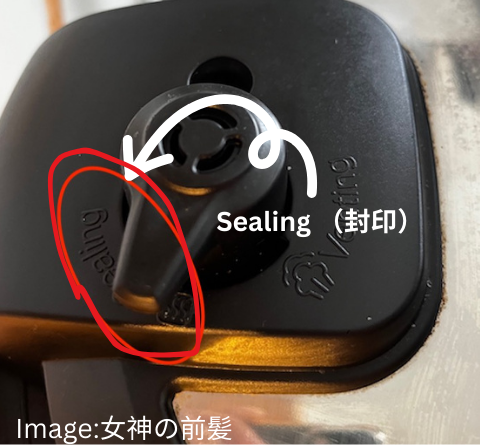
  5. Seal the lid and set the valve to “Sealing.”
  6. Select “Pressure Cook” → “High Pressure” → 20 minutes.
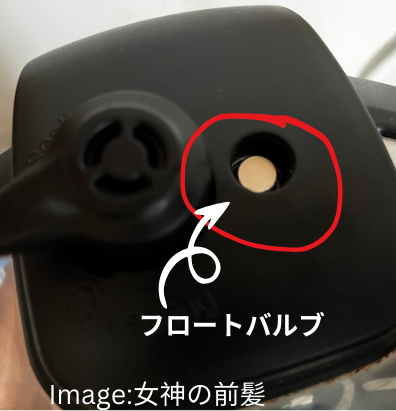
  7. Let the pressure release naturally (wait for the float valve to drop).
  8. Remove the beets and peel the skins — they should slip off easily.
  9. Slice or dice as you like!
インスタントポット の写真
インスタントポット のフロートバルブの写真

Now your beets are ready to use in any recipe — cube them for salads, or slice them thinly for Japanese-style side dishes.

Cooking with Beets and Beet Leaves

Once you’ve prepped the beets, the fun begins!

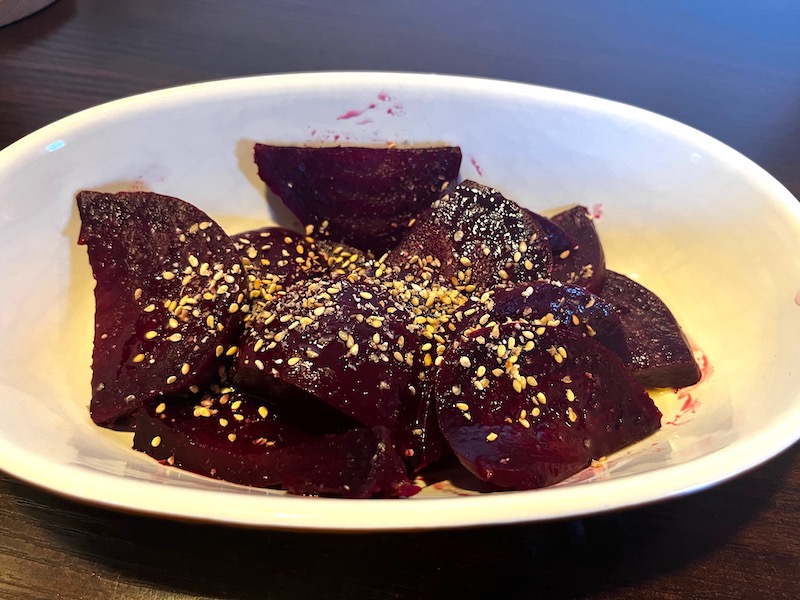
  • For salads: Slice beets, drizzle with sesame oil and salt, then sprinkle sesame seeds on top. The sesame oil removes the earthy smell and pairs beautifully with rice.
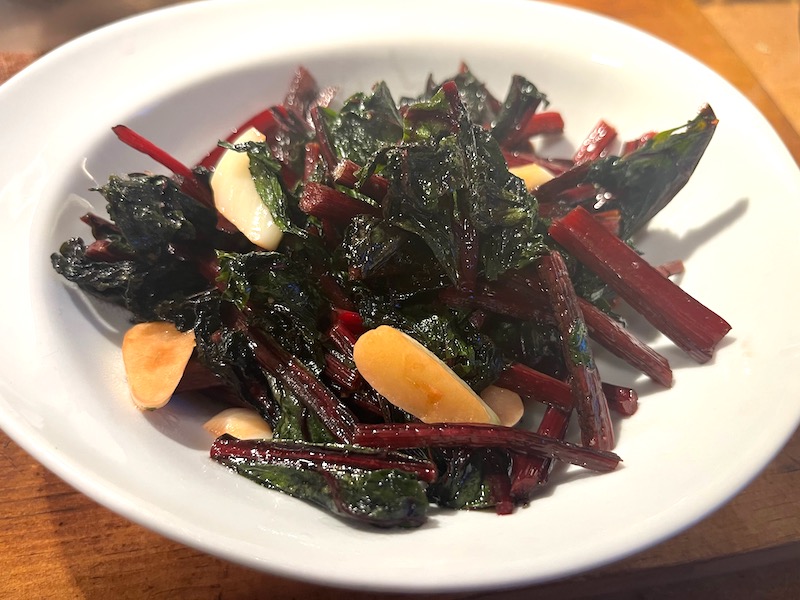
  • For the leaves: Stir-fry with garlic, soy sauce, mirin, and a little avocado oil. It tastes similar to spinach but with a nice crunch from the stems.
ビーツをごま油と塩で和えたお料理の写真
ビーツとニンニクのキンピラの写真

If you’re not a garlic fan, skip it — or add a pinch of shichimi (Japanese chili mix) for extra flavor.

Final Thoughts

That’s it! This is my quick and easy method for preparing beets using an Instant Pot.
The result? Soft, sweet beets that melt in your mouth — nothing like the earthy, cold ones you find in store-bought salads.
Beets are great for your health, but don’t overdo it! Eating too many can turn your urine or stool reddish — that’s just the pigment, not a health issue. But if it happens without eating beets, see a doctor.

I hope this inspires you to try cooking beets at home.
If you enjoyed this post, check out my homemade natto recipe using the Instant Pot — it’s another fun and healthy Japanese dish!

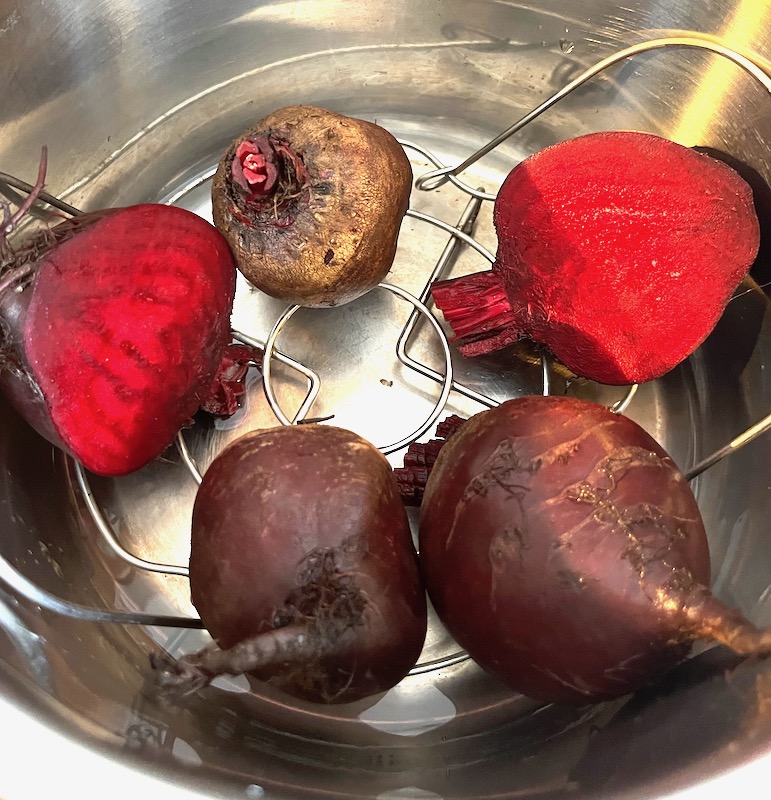
ビーツを蒸した写真
Before cooking
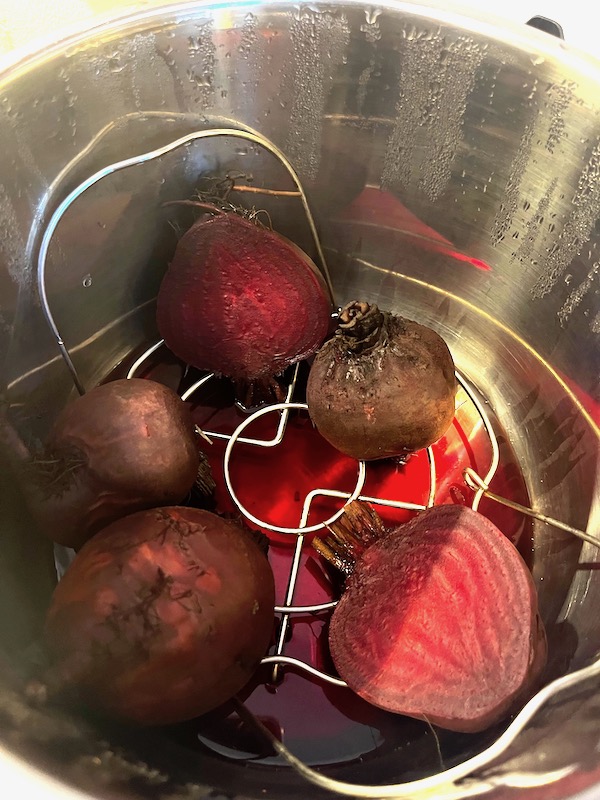
ビーツを調理した後の写真
After cooked

Best Pho in Queens: District Saigon in Astoria, New York

Best Pho in Queens: District Saigon in Astoria, New York

queens pho district saigon

Estimated reading time: 3 minutes

I recently found another pho restaurant in New York that I absolutely loved, so I had to share it. Last month, I visited a spot in Queens, and it instantly became one of my new favorites.

While most people think of Manhattan when searching for Vietnamese food, the truth is that Queens has far more authentic and higher-quality Asian restaurants.

The reason is simple: Queens is home to a large community of Asian immigrants, especially from Southeast Asia, including Vietnam and Malaysia. One of the most popular areas is Astoria, where today’s featured restaurant — District Saigon — is located. They even sell their own tote bags, and I sometimes spot people using them around the neighborhood. Cute and stylish!

Where is it located?

District Saigon is in Astoria, Queens, and it’s easy to reach by subway — just take one of the orange lines (B/D/F/M). I stopped by after visiting the Steinway Factory, and I was so glad I did because the food was amazing. The area is lively and filled with people, making it feel very safe to walk around.

A Modern Vietnamese Restaurant

The restaurant has a stylish, modern atmosphere — the kind of place you could go for a casual dinner or even a date. I find there are generally two types of Vietnamese restaurants: the old-school, traditional ones and the trendy, modern ones. District Saigon is definitely the latter.

Pho and Summer Rolls

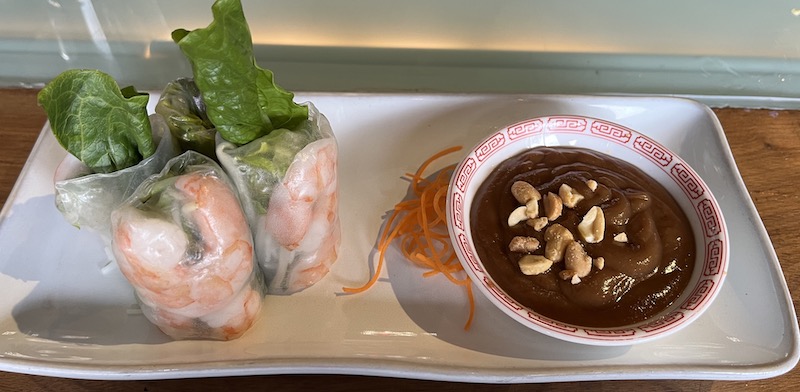
Alt="Saigon District's summer roll"

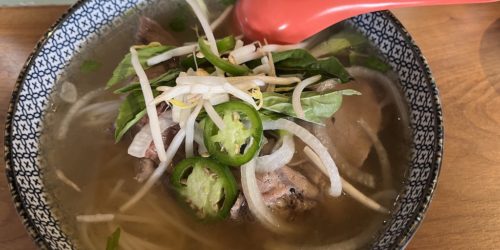
I ordered my usual — a basic beef pho. The broth was rich and flavorful, with a deeper taste compared to other places. I also tried the summer rolls, which came with a dark peanut dipping sauce (most places serve a lighter, miso-colored version). The rolls were packed with shrimp, which made me really happy — and unlike many spots, there was no mint inside.

The total came to about $35 including tip, which is pretty average for New York.

Alt="A beef pho at Saigon District"

Conclusion

Once again, I ended up writing about pho — I can’t help it! Whenever I discover a delicious pho restaurant in New York, I want to share it. I’ll keep posting my top pho recommendations as I find them, especially in Queens and Astoria. If you love Vietnamese food, District Saigon is definitely worth a visit.

Return to Home

What Is Sunrise Mart? A Look at New York’s Famous Japanese Grocery

What Is Sunrise Mart? A Look at New York’s Famous Japanese Grocery

What Is Sunrise Mart in New York?

When it comes to Japanese supermarkets in New York, Sunrise Mart is probably the most famous. Its first store opened in the East Village, though sadly that location has since closed.

Estimated reading time: 5 minutes

When I first came to New York in 2001, Sunrise Mart was a lively Japanese grocery where almost all the staff were Japanese. It truly sparkled as a symbol of Japanese culture in Manhattan.

Sunrise Mart After the Pandemic

Post-pandemic, the Japanese population in Manhattan has decreased significantly. As a result, many of the current staff at Sunrise Mart are international.

In the early 2000s, many Japanese workers were undocumented, but with today’s stricter visa rules, the situation has changed. Still, Sunrise Mart remains a beloved place for both Japanese expats and locals.

Where Is Sunrise Mart Midtown Located?

The Sunrise Mart I’m introducing today is located in Midtown Manhattan, a busy business district filled with white-collar workers.

Since I often visit the nearby New York Public Library, I frequently stop by Sunrise Mart for groceries or a quick bite.

👉 Read about the New York Public Library here

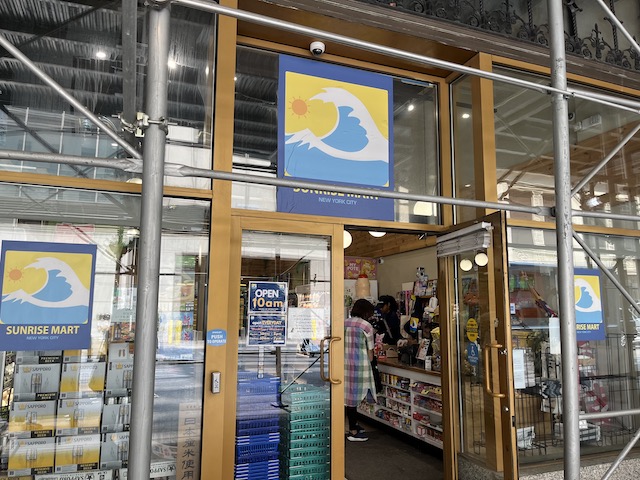
The Entrance of Sunrise Mart Midtown

日系スーパーサンライズマートの入り口の画像
サンライズマートの入り口の画像

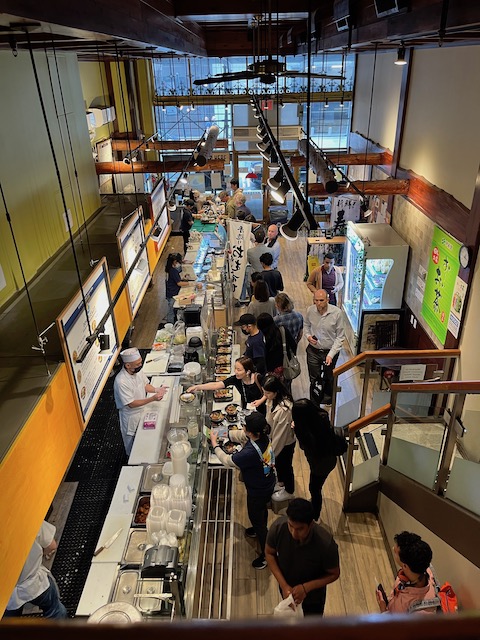
Unlike before, the Midtown store is now divided into two spaces:

  • One for fresh groceries
  • One for prepared meals and dining

If you want to eat, head to the west-side entrance. If you’re shopping for groceries, enter through the east-side entrance. Both look quite similar, so don’t get confused (laughs)

Sunrise Mart Bento Boxes

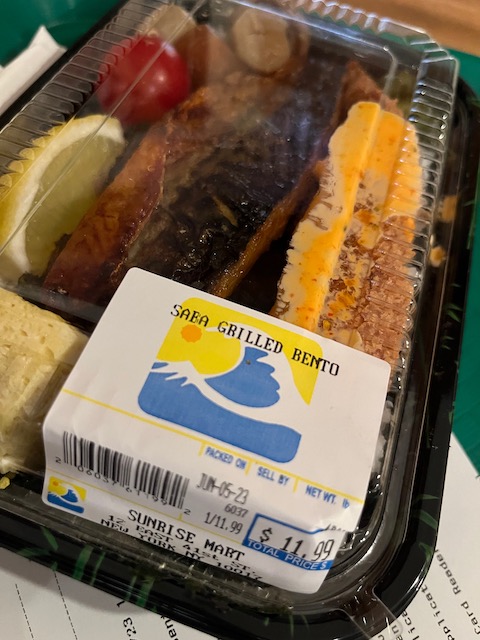
During the 2022 inflation peak, bento prices skyrocketed, reaching nearly $18 per box. Thankfully, prices have come down a bit, though compared to Japan, they’re still shockingly high.

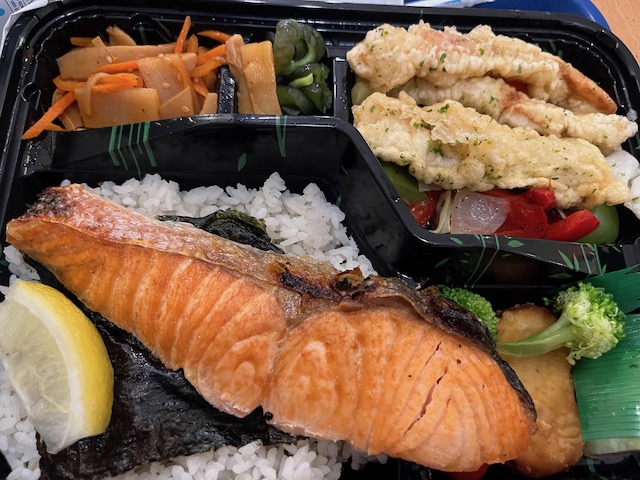
  • Salmon Bento: about $19 (¥1,900)
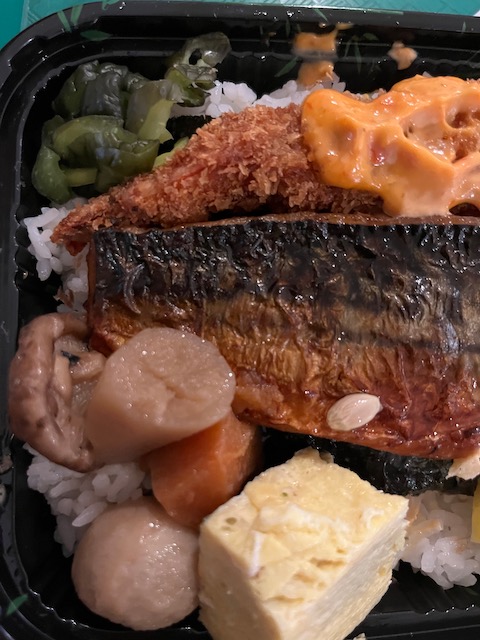
  • Mackerel Bento: about $16 (¥1,600)
サンライズマートの鮭お弁当の画像
サンライズマートの鯖弁当の画像
鮭弁当の画像
筑前煮と鯖の画像

In Tokyo, the same bento would cost around ¥500!

Nutritious and Thoughtful Bento Options

Despite the high prices, Sunrise Mart’s bentos are well-balanced. Alongside salmon or mackerel, you’ll find side dishes like chikuzen-ni (simmered vegetables) and isobe-age (seaweed fried items).

For students or busy professionals living alone, these thoughtful extras provide much-needed nutrition.

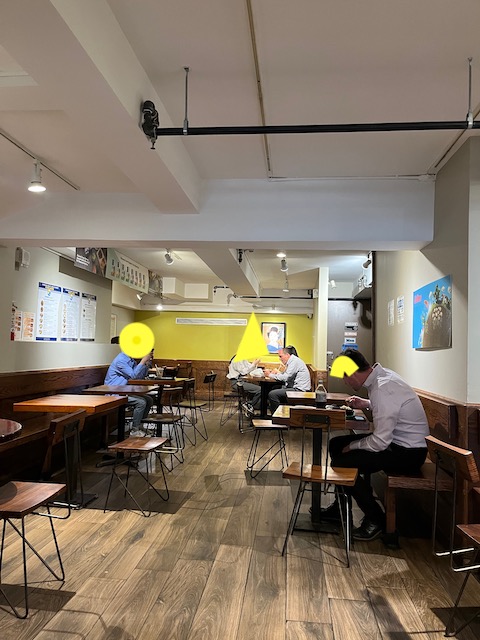
Café Space on the Second Floo

サンライズマートのカフェの画像

The Midtown Sunrise Mart also has a second-floor café-like space. It’s a cozy area where you can sit and enjoy your meal. While it doesn’t offer Wi-Fi, it’s still a relaxing spot to take a break.

Conclusion

In 2023, Sunrise Mart continues to thrive in New York, even though the Japanese community has shrunk since the pandemic. Once a supermarket catering almost exclusively to Japanese expats, it has now become an internationally loved grocery store.

Whether you’re craving a Japanese bento, shopping for imported groceries, or just curious about Japanese food culture in NYC, Sunrise Mart is a must-visit.