Affordable Sushi in New York: Yasaka on the Upper West Side

Affordable Sushi in New York: Yasaka on the Upper West Side

Discovering Sushi Yasaka

Estimated reading time: 4 minutes

One of my favorite go-to sushi spots in New York is Sushi Yasaka. It has been around for years and is always popular—so popular that walking in without a reservation can be risky. Located just off 72nd Street on the Upper West Side, it’s less than a five-minute walk from the nearest subway station.

If you ever think, “I’m craving sushi tonight”, Yasaka is the perfect choice. The prices are incredibly reasonable, and the quality is much better than many chain restaurants—dare I say, even tastier than Kura Sushi, without breaking the bank.

Curious? You can check their official website for the latest menu and reservations.

Where Is Sushi Yasaka Located?

Sushi Yasaka is located on the north side of West 72nd Street, in Manhattan’s Upper West Side. The location is easy to access and makes it a convenient stop for sushi lovers in the neighborhood.

Yasaka’s Famous Affordable Omakase
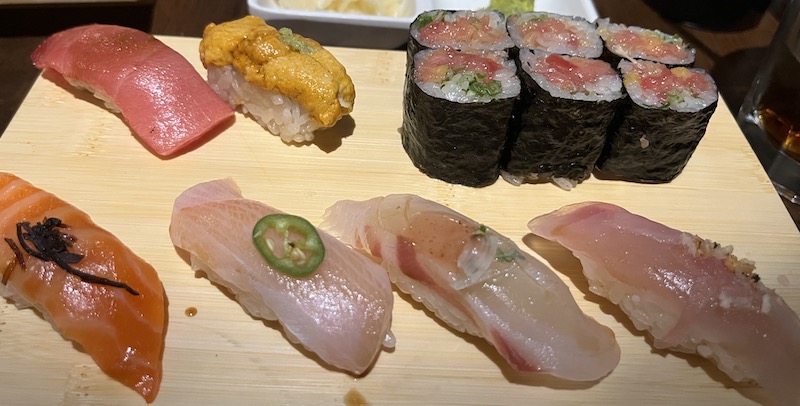
Alt="sushi delax"

Before the pandemic, Yasaka offered a 12-piece omakase set with a toro-taku roll for just $45. After some changes, the restaurant now features a mini omakase at only $33.
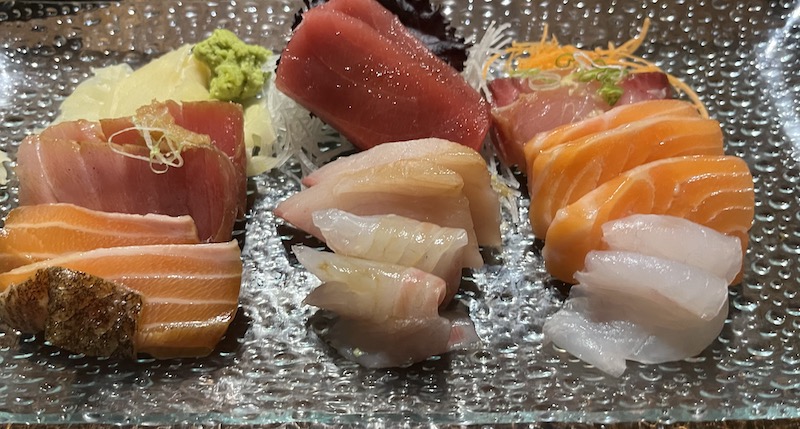
Alt="sashimi delax"

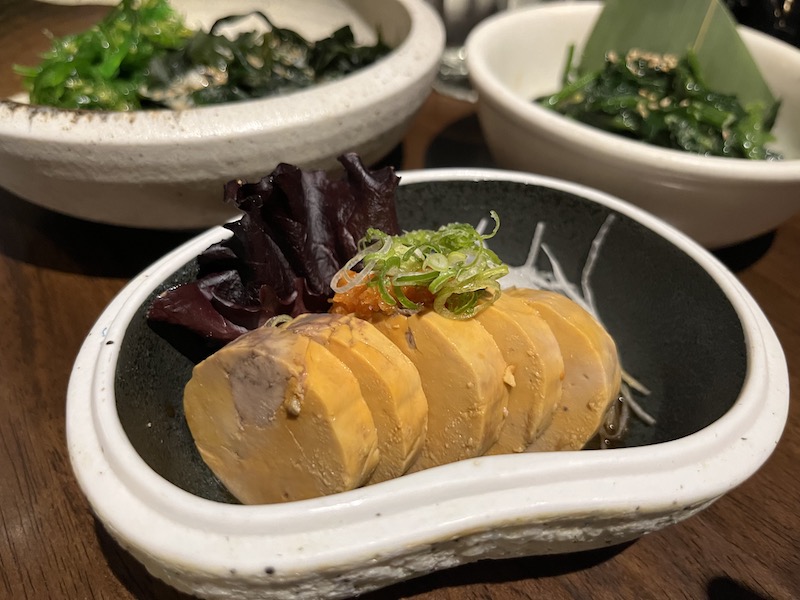
Not only is the sushi delicious, but the appetizers served beforehand are also flavorful and thoughtfully prepared. The portion size is just right—satisfying without being overwhelming.

Fresh Fish, Tasty Appetizers, and More
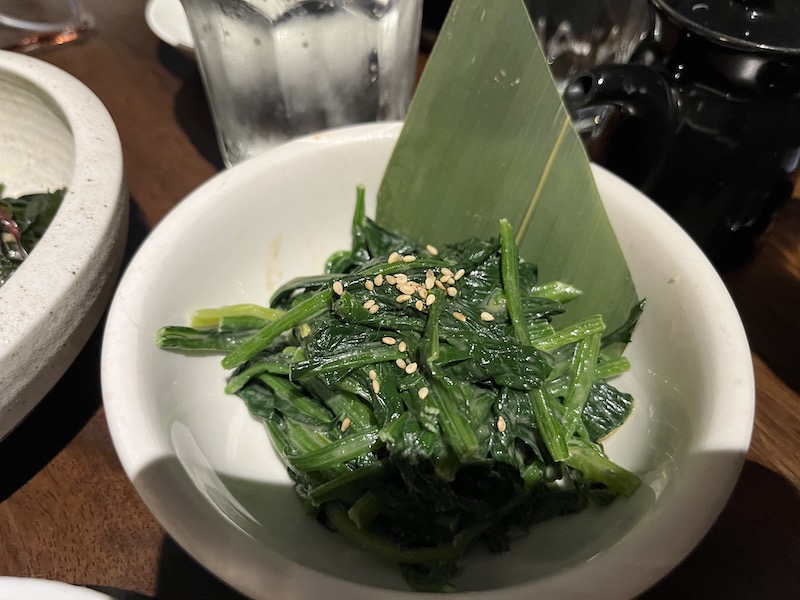
Alt="small vegetable dish at Sushi Yasaka"
Alt="ankimo dish at Yasaka"
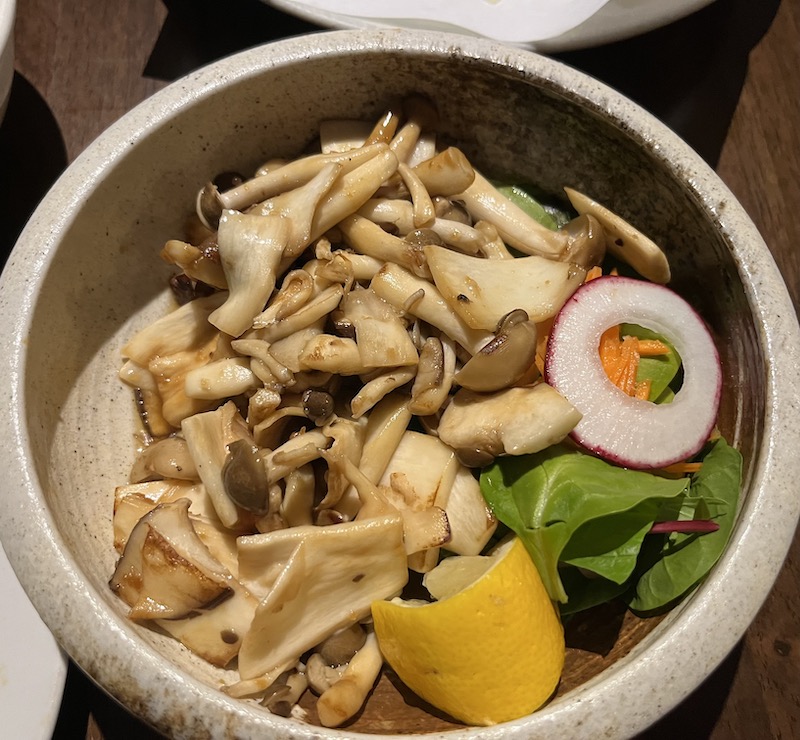
Alt="cooked mushrooms with butter"

On my last visit, I ordered more than I planned—sashimi deluxe, omakase, and several appetizers. The turnover here is quick, which means the fish is always fresh.
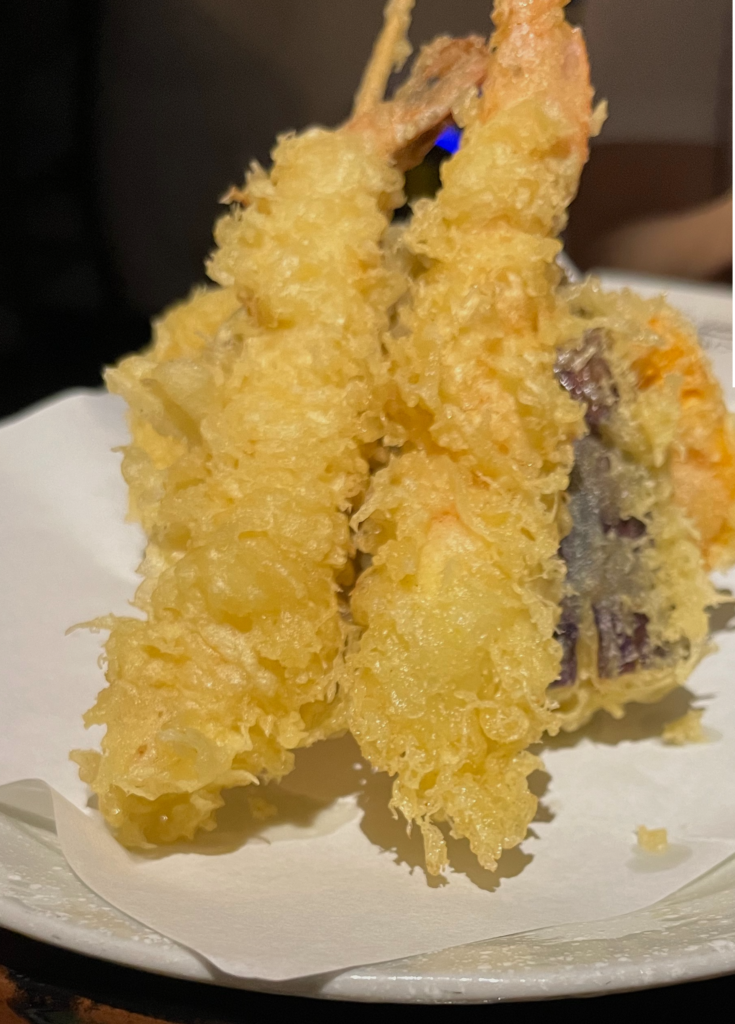
Alt="Shrimp tempra dish"

Compared to Kura Sushi, Yasaka might feel slightly pricier, but the quality is worth it. Of course, it can’t quite match the old-school Edokko-style sushi in Japan, but in New York, Yasaka definitely counts as one of the better and most satisfying sushi restaurants.
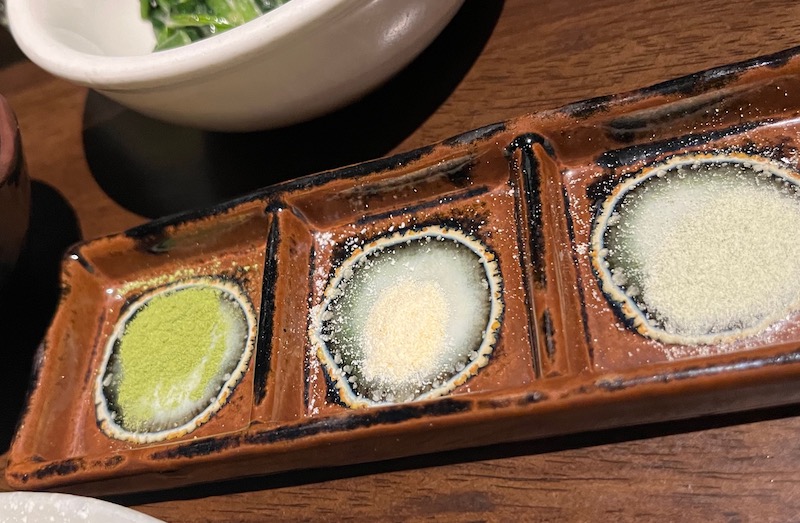
Alt="different flavor salt"

The only catch? Reservations are a must. Without one, you might end up waiting a long time.

And if you’re looking for another high-quality sushi experience in New York, add Tsumo Omakase to your list!

Final Thoughts

For fresh, affordable, and truly satisfying sushi in New York, Sushi Yasaka is a gem. With its cozy location on the Upper West Side, fair pricing, and consistently fresh fish, it’s no surprise the restaurant is always busy.

Whether you’re a local or visiting, Yasaka is the kind of sushi spot that will leave you happy, full, and already planning your next visit.

Apple Card 2025: Features, Savings, APR, and How to Open an Account

Apple Card 2025: Features, Savings, APR, and How to Open an Account.

Apple Card isn’t just a credit card — it’s part of Apple’s growing financial ecosystem, created in partnership with Goldman Sachs. In 2023, Apple launched its Apple Card Savings account, offering competitive interest rates for iPhone users. As of January 2024, the APY reached 4.5%, higher than typical U.S. bank savings accounts.

In this guide, we’ll cover everything about Apple Card in 2025: credit card features, Daily Cash, APR, savings account setup, pros/cons, and practical tips for maximizing interest and rewards.

Key Updates for 2025

  • Variable APR: 18.24%–28.49% depending on creditworthiness (check Wallet app for your exact rate).
  • Apple Card Savings APY: 4.5% as of early 2024; slightly lower than peak 2023 rates but still competitive.
  • Issuer news: Goldman Sachs continues to issue Apple Card; JPMorgan Chase has been reported in talks to potentially take over the portfolio, though nothing is finalized.
  • Regulatory matters: Apple and Goldman Sachs have faced CFPB enforcement actions regarding transaction and dispute handling.

Apple Card Features

Daily Cash

Cash back is credited daily depending on the merchant and payment method:

  • 3% on Apple purchases
  • 2% with Apple Pay
  • 1% on physical card purchases

Apple Card Monthly Installments (ACMI)

0% APR financing for eligible Apple products. Taxes/shipping may not be included. Standard APR applies if not using ACMI.

Family & Co-ownership

Share an Apple Card with up to five family members, allowing credit building and limit management.

How to Open an Apple Card Savings Account

Apple Card holders in the U.S. can open a savings account with up to 4.5% APY, FDIC-insured via Goldman Sachs. Here’s a step-by-step guide:

1. Requirements

  • Latest iOS version (16.4.1 or newer)
  • Apple device
  • U.S. residency

2. Daily Cash Selection

  • Open Wallet → tap Apple Card → More Options → Daily Cash → next screen.

3. Setup Screen

  • Tap Set Up → Continue → Agree to Terms and Conditions
  • Answer tax-related questions correctly

4. Linking Bank Accounts

  • Add cash from linked bank account
  • Withdraw to any U.S. bank no fee

5. Deposit Limits

  • Single deposit: $10,000
  • 7-day cumulative: $20,000
  • Max balance: $250,000 (excluding Daily Cash or earned interest)

6. Interest Growth

  • Interest compounds monthly
  • Daily Cash can be automatically deposited into savings
  • Small deposits can add up to substantial interest over time

FDIC Coverage

Goldman Sachs membership ensures deposits are protected in case of bank failure.

Pros and Cons

Pros

  • Seamless Apple ecosystem integration
  • Daily Cash is convenient
  • No annual or foreign transaction fees

Cons

  • High APR for carried balances
  • Savings APY decreased slightly in 2025
  • Regulatory and issuer uncertainty

Practical Tips

  1. Use ACMI for eligible Apple products to enjoy 0% financing
  2. Pay balances in full to avoid high APR
  3. Deposit Daily Cash into Apple Savings for compounding interest
  4. Monitor deposit limits to maximize interest growth

Who Should Get Apple Card

Best for: iPhone users who pay their balance in full, value Daily Cash, and want excellent Wallet integration.
Not recommended for: People who carry balances and want the lowest APR or balance transfer options.

Summary

Apple Card 2025 combines a modern credit card with high-yield Apple Savings, Daily Cash rewards, and strong ecosystem integration. While Japanese users cannot open accounts yet, U.S.-based Apple users can enjoy convenience, FDIC protection, and competitive interest rates. Use Daily Cash strategically to build savings and maximize rewards over time.

Café Maman NYC: A Charming Coffee Spot in the Upper East Side

Café Maman NYC: A Charming Coffee Spot in the Upper East Side

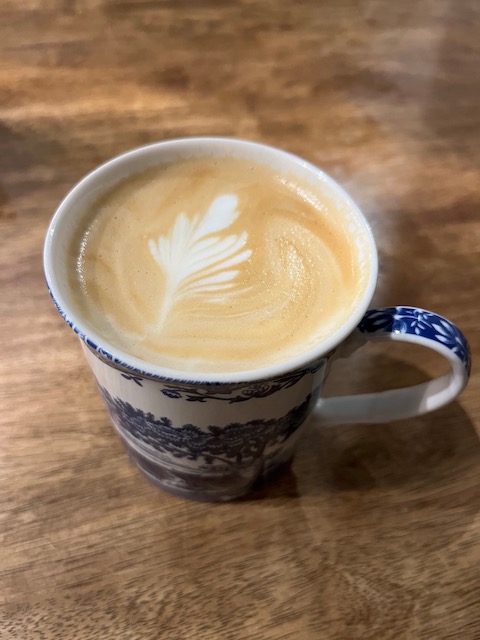
This time on my New York café-hopping series, I’m excited to introduce Café Maman. I recently visited their Upper East Side location, and it turned out to be one of the most delightful café experiences in Manhattan. From beautiful latte art to their unique tableware, Café Maman is a place that feels both stylish and comforting.

Where is Café Maman Located?

To my surprise, Café Maman has multiple locations across Manhattan, not just one shop. It seems that in New York today, it’s difficult for cafés to survive with only a single location, so many have expanded into boutique chains.

The Upper East Side branch I visited was once Irving Farm Café, but it was recently taken over and transformed into Maman.

Tip: There are also branches in SoHo, Tribeca, Nomad, and other Manhattan neighborhoods — perfect if you want to try it wherever you are in the city.

Atmosphere Inside Café Maman

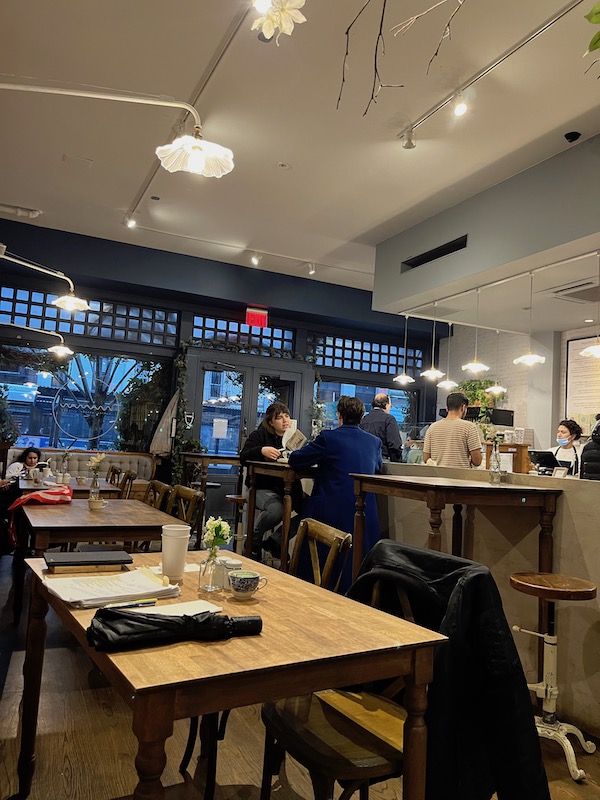
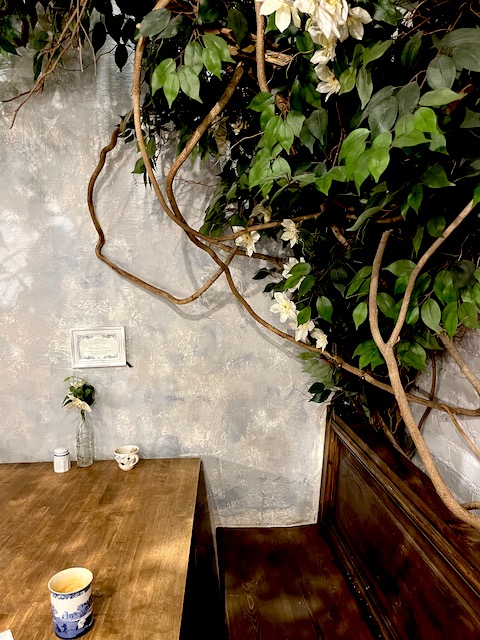
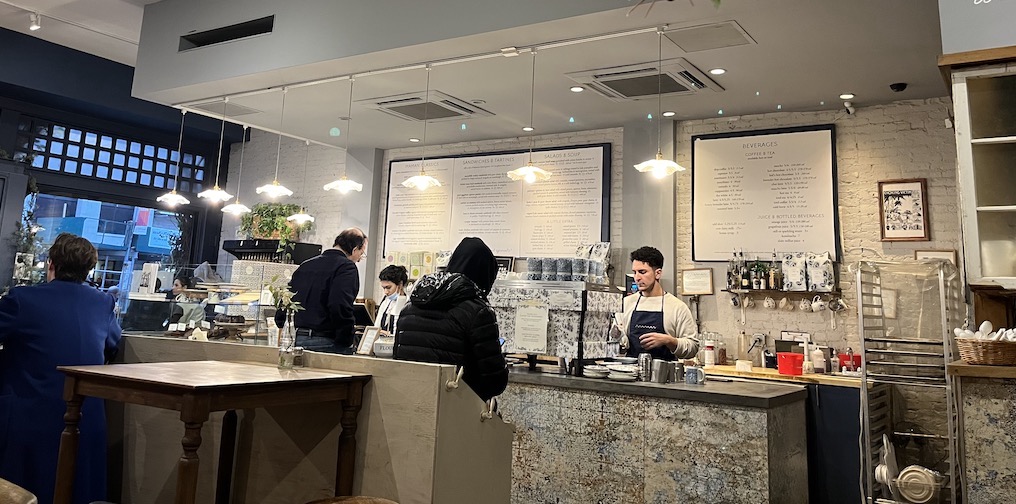
From my seat, the view was just adorable. Each corner of the café is thoughtfully decorated, creating a warm and inviting space.

But what caught my eye most were the dishes and mugs.

Unique Tableware That Stands Out

Have you ever walked into a café and noticed the cups they serve your coffee in?
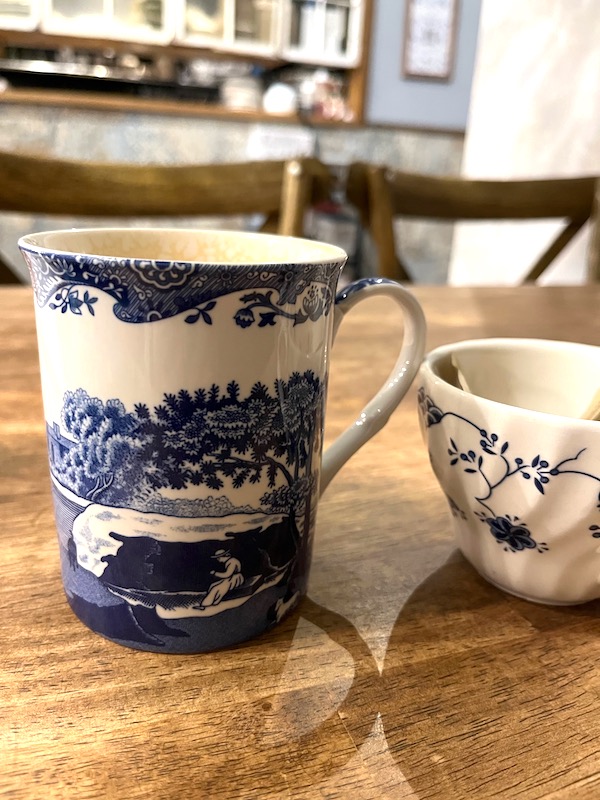
In New York, many cafés use plain white mugs or oversized latte cups. But Café Maman surprised me with something different — beautiful blue-and-white patterned tableware.

Their mugs and plates are from the Spode Blue Italian collection, a classic British brand. The designs are elegant, almost like looking at a piece of art. I immediately thought about buying a cup for myself — just seeing the patterns was soothing.

Bonus: Along with the coffee, they create lovely latte art that makes your drink even more enjoyable.

Final Thoughts

Café Maman is more than just another coffee shop. With its cozy atmosphere, signature blue tableware, and multiple locations across Manhattan, it brings a little charm and elegance to your everyday coffee break.

In today’s New York, many cafés are becoming chains, which sometimes feels a little bittersweet. Still, Café Maman manages to keep a personal and artistic touch.

Next time you’re in Manhattan, stop by Café Maman for a coffee that feels like a treat for both your taste buds and your eyes.

Don’t miss my post on another unique one-location café:
The Hungarian Pastry Shop in NYC

Spode Blue Italian – get in on Amazon buy it now

Back to Home

Cha Pa’s Pho Might Be the Best in Manhattan

Cha Pa’s Pho Might Be the Best in Manhattan

I’m a huge fan of pho, and I’ve written before about Saigon Shack in West Village. But recently, I discovered a Vietnamese restaurant that might be even better: Cha Pa’s.

Estimated reading time: 4 minutes

[word_balloon id=”1″ size=”M” position=”L” radius=”true” name=”” balloon=”talk” balloon_shadow=”true”]

Probably it’s the best so far but less potion is cons.

[/word_balloon]

Surprisingly, many Vietnamese spots in Chinatown aren’t as good anymore. Instead, Midtown, the Upper West Side, and the Upper East Side now offer higher-quality Vietnamese food. This shift probably comes from the growing Asian community thriving in Manhattan. And Cha Pa’s is a standout.

Where is Cha Pa’s?

You’ll find Cha Pa’s Vietnamese Kitchen near 52nd Street and 8th Avenue in Manhattan—just a short walk from Times Square. I actually came from Columbus Circle, walking down 8th Avenue, which was a nice stroll before a satisfying meal.

First Impressions

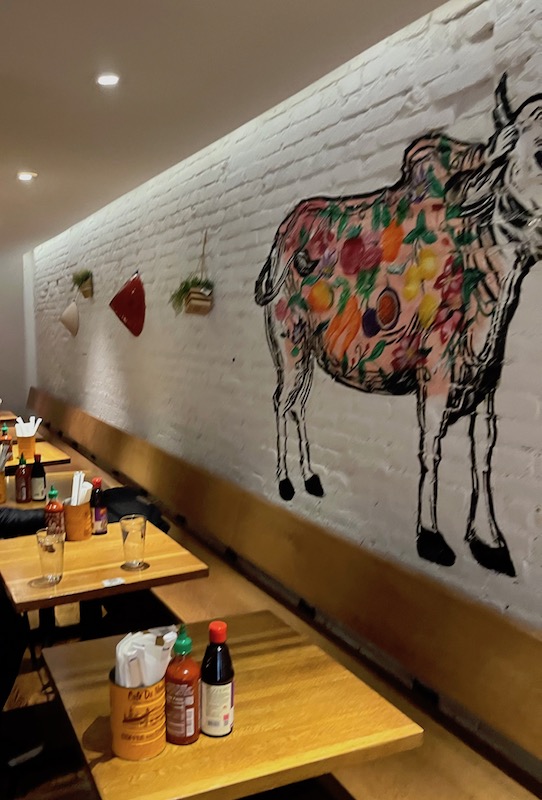
Alt="a picture of inside of Cha Pa's restaurant"

I arrived right at opening time, around 11 a.m., and within minutes the restaurant was packed with customers. The vibe is clean, modern, and welcoming—very different from the typical Chinatown pho spots. Even the décor, like the cute cow illustrations, adds charm.

The Menu: Pho and More

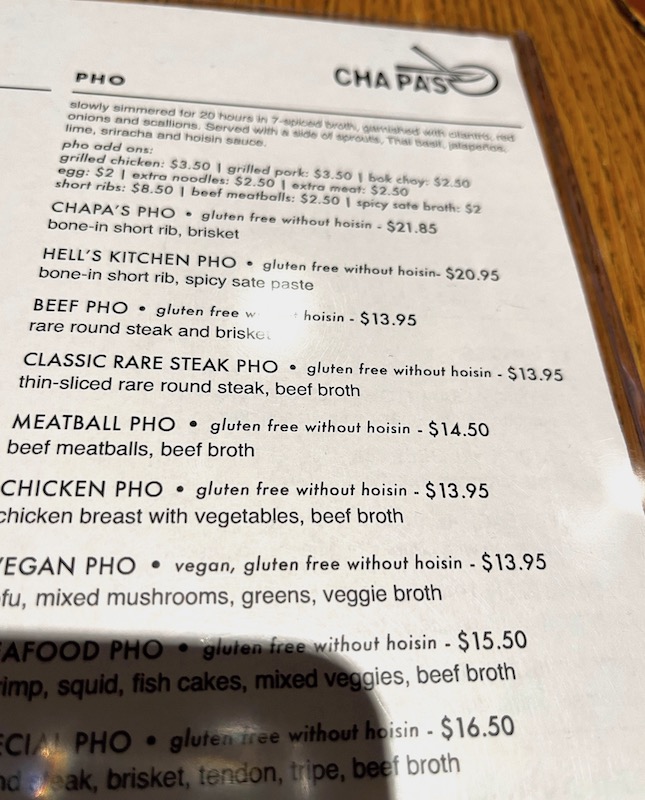
Alt="The menu of Cha Pa's'

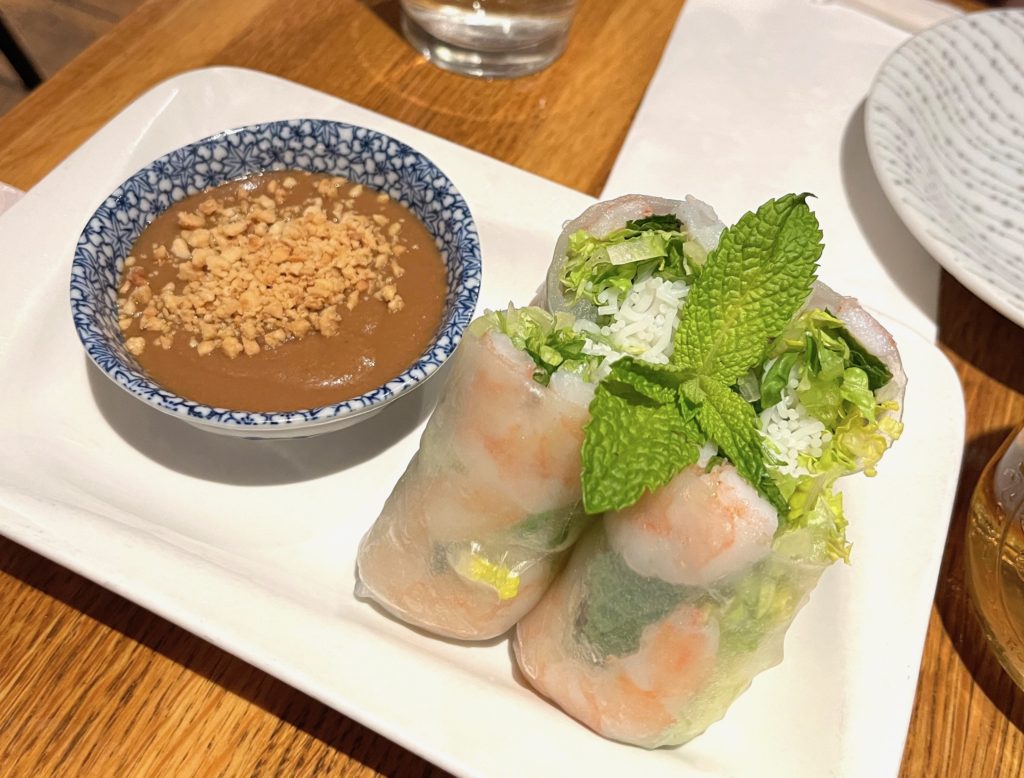
Cha Pa’s offers a wide variety of pho options, which immediately impressed me. But before diving into the soup, I tried their summer rolls—and wow.

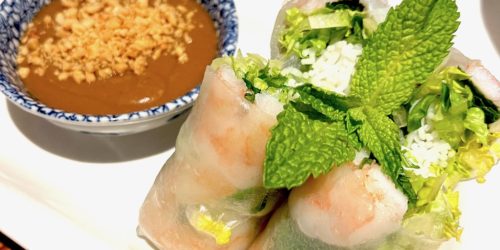
These were the most carefully prepared summer rolls I’ve ever had. The dipping sauce was peanut-butter based, reminding me of the sauce at Pho Grand on Grand Street. The fresh mint garnish was a nice touch that elevated the whole experience.

Alt="A photo of Summer roll with a mint on top of it"

The Pho: Rich Soup, Perfect Noodles

Alt="The picture of Pho with flank"
Alt="the picture of closed up noodles to show the texture"

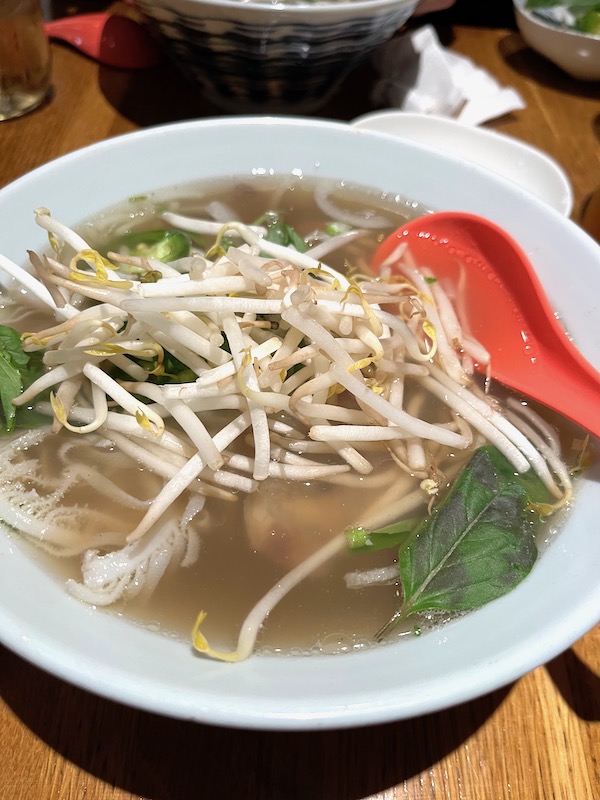
Now, onto the main event. Cha Pa’s pho soup was the clearest, richest broth I’ve had in New York. Most pho broths tend to be mild, which makes people reach for hoisin or sriracha. But here, the flavor was bold enough to stand on its own. No extra sauce needed.

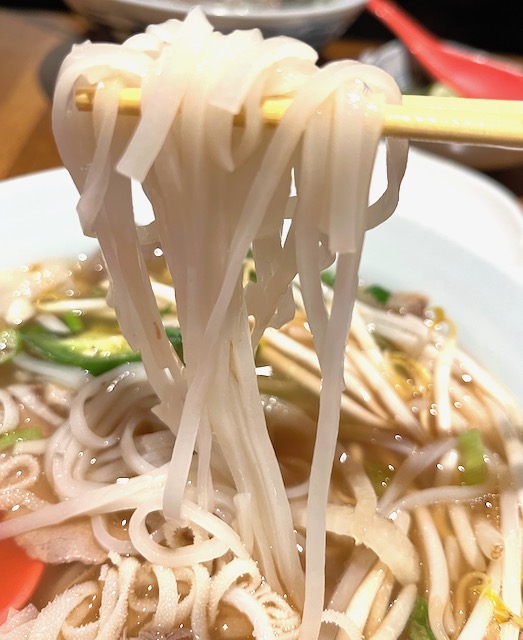
The noodles also stood out—they were slightly chewy and firm enough to hold with chopsticks without breaking apart. That texture made the whole bowl even more enjoyable.

Quality Over Quantit

Cha Pa’s isn’t about oversized portions—it’s about quality. From the rich broth to the springy noodles, every detail was thoughtfully crafted.

Final Thoughts

Cha Pa’s might just serve the best pho in Manhattan. The highlights for me were the deeply flavorful soup and the chewy noodles, both rare finds in New York’s pho scene. If you’re visiting Midtown or Times Square, this spot is absolutely worth a stop. I know I’ll be going back.

The Life-Changing Power of Vipassana Meditation Benefits

The Life-Changing Power of Vipassana Meditation Benefits

What Is Vipassana Meditation?

Vipassana meditation ( Website ) is one of the oldest and most respected meditation techniques in the world. I personally experienced it through a 10-day Vipassana meditation course, and the impact on my daily life has been profound.

Estimated reading time: 3 minutes

This practice is so popular that it’s often fully booked months in advance. For those living in New York, you can register through the Vipassana Meditation USA website, while centers in Japan also offer the same retreat.

Books about Vipassana may provide background, but the real benefits come only through immersive practice at a meditation center.

Why Daily Vipassana Meditation Practice Matters

After attending the retreat, I committed to meditating one hour each morning and one hour each evening. Making it a daily meditation routine has been the key to unlocking the true power of Vipassana.

Even just weeks into practice, I noticed remarkable Vipassana meditation benefits in my daily life.

The Personal Benefits I Experienced with Vipassana Meditation

While results differ for everyone, these are the Vipassana meditation benefits I personally experienced:

  • No longer comparing myself to others
  • Letting go of unhealthy attachments
  • Staying calm without anger
  • Stronger professionalism at work
  • Better efficiency and memory
  • Sharper focus and concentration

The most transformative shift was the disappearance of anger. By understanding that anger comes from attachment—whether to people, outcomes, or even my own ego—I was finally able to let it go.

Vipassana Meditation and Anger Management

In today’s world, anger management is a valuable skill. Anger can damage careers, health, and relationships.

Before Vipassana, I thought I wasn’t an angry person—but I realized that even small frustrations, like being pushed in the subway, triggered irritation.

With Vipassana, I developed the ability to observe emotions without reacting. This simple shift created peace of mind and improved my well-being.

Vipassana Meditation Benefits for Work and Income

One unexpected result of my daily practice was an increase in income. By quieting unnecessary thoughts and emotions, I was able to:

  • Stay focused at work
  • Avoid distractions from social media
  • Handle human relationships more calmly

This clarity improved my productivity and opened new opportunities. Truly, Vipassana meditation benefits extend beyond inner peace—they can also support career and financial growth.

Vipassana Meditation and Healing Relationships

Another surprising effect was how it helped me manage a difficult long-term relationship. For years, I dealt with frustrating behavior from a family I worked with.

Through Vipassana, I learned to:

  • Set healthy boundaries
  • Respond calmly instead of with anger
  • Approach situations with professionalism

This shift not only protected my mental health but also completely changed the dynamic of our interactions.

Why You Should Try a 10-Day Vipassana Course

Since practicing Vipassana meditation daily, my life has become calmer, healthier, and more focused.

Even though yoga and Hindu breathing techniques differ, Vipassana and Buddhism don’t reject them—they can complement each other.

If you’re seeking inner peace, clarity, and freedom from unnecessary anger or attachment, I highly recommend the 10-day Vipassana meditation retreat. The benefits are lasting and truly life-changing.

Whole Foods Can Actually Be Affordable—If You Have an Amazon Card

Is Whole Foods Really Expensive? Maybe Not.

Whole Foods often gets the reputation of being pricey, but that might not be the full story. Recently, I’ve been seeing an acupuncturist who also gives me valuable lifestyle and nutrition advice. She’s a highly sought-after practitioner who has even been featured in Forbes.

According to her, vegetables from Trader Joe’s are a big “no.” Coming from the countryside, I used to compromise on produce quality, but she was right—many of the vegetables simply lack flavor. If you want truly fresh and nutritious produce, Whole Foods is the better choice.

When I lived in the Lower East Side, visiting the Whole Foods on Houston Street became part of my daily routine.

Why Whole Foods Is Affordable with an Amazon Card

Here’s the secret: with an Amazon Card, Whole Foods isn’t just about variety and nutrition—it can actually be cheaper than you think. Surprisingly, you don’t even need to maintain a Prime membership to get the benefits. I found that you can still use the Amazon Card years after canceling Prime, and it continues to offer great discounts.

Personally, I let go of my Prime membership because I didn’t mind waiting for deliveries, but I kept the Amazon Card. It’s a titanium Mastercard, much like the Apple Card, and I’ve been able to use it almost everywhere—even in Japan.

Whole Foods App + Amazon Card = Extra Savings

alt="A picture of Whole Foods app icon"

Do you have the Whole Foods app? If not, it’s worth downloading. By registering your Amazon Card on the app, you’ll not only earn points but also unlock exclusive sale prices. Fresh produce, in particular, often comes at a significant discount.

Freshness, Variety, and Local Produce

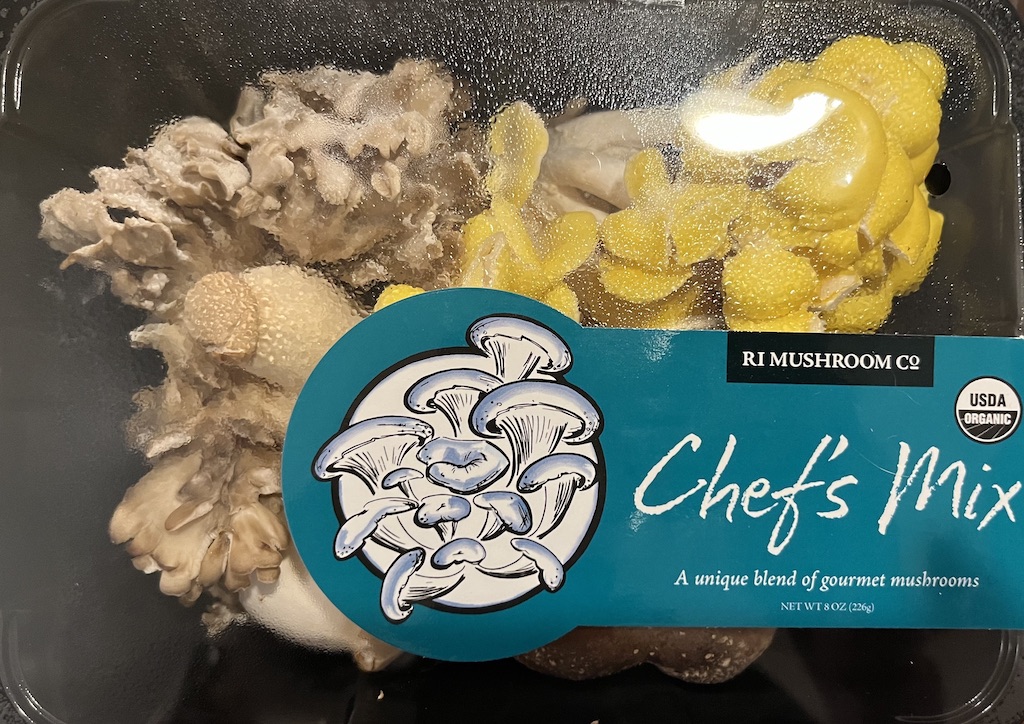
alt="assorted mushrooms sold at Amazon as a local product"

When it comes to your health, Whole Foods is the smarter option. While locally grown vegetables are always best, Whole Foods offers fresh, high-quality alternatives. Trader Joe’s produce, in contrast, often lacks flavor.

For example, here’s a photo of mushrooms I bought at Whole Foods—sourced directly from upstate New York. Simply sautéed in butter, they taste incredible. These specialty items are something you can’t easily find at Trader Joe’s.

Final Thoughts

If you have an Amazon Card, shopping at Whole Foods can be both affordable and health-conscious. It’s not just about finding the cheapest price—it’s about choosing food that truly nourishes your body.

I hope this inspires you to look at Whole Foods in a new way!

Vipassana Meditation: My 10-Day Silent Retreat Experience

Vipassana Meditation: My 10-Day Silent Retreat Experience

vipassana meditation image 10 days course

Estimated reading time: 4 minutes

Vipassana meditation is a traditional Buddhist practice that cultivates inner peace and insight. In the winter of 2022, I attended a 10-day Vipassana meditation retreat in Massachusetts first time. That year had been difficult—family conflicts left me feeling broken and lost. I decided it was time to face myself, and Vipassana became my path to healing.

What Is Vipassana Meditation?

Vipassana means “insight” in Pali, the ancient Buddhist language. It is a meditation technique that helps practitioners observe reality as it is—free from illusion, attachment, or prejudice.

During the 10-day course:

  • Silence is required (no talking to other participants).
  • No phones, computers, or writing.
  • The focus is solely on meditation, self-reflection, and discipline.

At first, I hesitated. I worried about not practicing piano for 10 days or disconnecting from people. But I realized those fears came from attachment. Letting go opened the door to deeper understanding.

Safety and Integrity of Vipassana

In Japan, meditation can sometimes be misunderstood due to past cult scandals. But Vipassana is not a sect or business. It is a universal method of mental training, available to anyone.

The program is run by volunteers, with teachers following the tradition of S.N. Goenka, who spread Vipassana worldwide. After the retreat, participants return home with greater clarity, balance, and energy.

Cost and Donations

One of the unique aspects of Vipassana: there is no fee to join.

  • Lodging and meals are provided.
  • At the end, you may donate based on your capacity.
  • I personally offered $300—modest compared to what I received.

These donations support centers around the world, allowing new meditators to experience the same benefits.

The Core Lesson: Equanimity

The most powerful teaching of Vipassana is equanimity—the ability to remain balanced regardless of pleasure or pain.

  • You learn to let go of attachments and aversions.
  • Old mental patterns dissolve.
  • Suffering (“dukkha”) is reduced at its root cause.

This training helps not only in meditation but in daily life, relationships, and work. Since practicing Vipassana, my focus improved, my productivity doubled, and anger rarely arises.

Inside the 10-Day Course

Each day begins at 4:00 AM with hours of meditation. Meals are vegetarian, and evenings include Goenka’s recorded discourses.

The process unfolds in stages:

  1. Days 1–3: Anapana meditation (observing the breath).
  2. Days 4–7: Vipassana practice (scanning body sensations with awareness).
  3. Days 8–10: Deepening the practice, breaking mental patterns.

It is intense: pain, tears, even strange dreams arise. But by Day 9, a lightness appears. On the final day, silence ends, and conversations flow joyfully.

Beyond the Retreat

Vipassana doesn’t end after 10 days. Daily practice is encouraged:

  • 1 hour in the morning, 1 hour in the evening.
  • Over time, it reshapes your mind and transforms your reactions.

For me, Vipassana has become a lifelong tool for clarity and compassion.

Why You Should Try Vipassana

Vipassana is not about religion or dogma. It is a practice of self-observation and liberation.

  • It teaches resilience.
  • It dissolves illusions.
  • It strengthens compassion for oneself and others.

There are centers worldwide—including in Japan—welcoming anyone ready for the journey inward.

Conclusion

My 10 days of Vipassana meditation were some of the hardest—and most rewarding—days of my life. At first, the silence and discipline seemed impossible. Yet by the end, I discovered freedom from old mental habits and a new way of living.

If you’re curious, I encourage you to attend a retreat yourself. Ten days may feel long, but the wisdom and peace you gain will last a lifetime.

Back to Home

Repair Your Patagonia Down Jacket in New York and Wear It Longer

Repair Your Patagonia Down Jacket in New York and Wear It Longer

Patagonia recycle or fix

Estimated reading time: 4 minutes

Patagonia is known for being durable, lightweight, and stylish, making it popular not only among outdoor enthusiasts but also city dwellers in winter. In this article, I’ll share how you can repair your Patagonia down jacket in New York and why this practice aligns with Patagonia’s philosophy of sustainability.

A Brand with Purpose: Yvon Chouinard’s Vision

Patagonia’s founder and philanthropist, Yvon Chouinard, transferred ownership of the company to a nonprofit group called The Holdfast Collective. This means Patagonia can no longer be publicly traded or inherited by his children. Instead, all profits (after operating costs) are directed toward protecting nature.

Chouinard lives a modest life—he drives a Subaru, wears old clothes, and dislikes being listed as a billionaire. A passionate climber and environmentalist, he has always pushed for a business model that protects the planet.

As he once said in The New York Times:

“I was in Forbes magazine listed as a billionaire, which really, really pissed me off. I don’t have $1 billion in the bank. I don’t drive Lexuses.”

How Much Does Patagonia Repair Cost?

Surprisingly, repairs are free—you only cover shipping.

  • Sending fee: You pay for shipping to Patagonia (usually under $10).
  • Return fee: A flat $5 charge.

This is far cheaper than having your jacket fixed at a local tailor.

How Long Does a Repair Take?

Patagonia’s repair service is thorough, but patience is required.

  • My husband’s jacket took 3 months to return.
  • In some cases, it can take up to a year.

If you’re planning to repair your jacket, don’t expect it back right away—prepare a backup for the winter season.

What Does the Repair Look Like?

Alt=" A picture of a part of outfit after the repair"

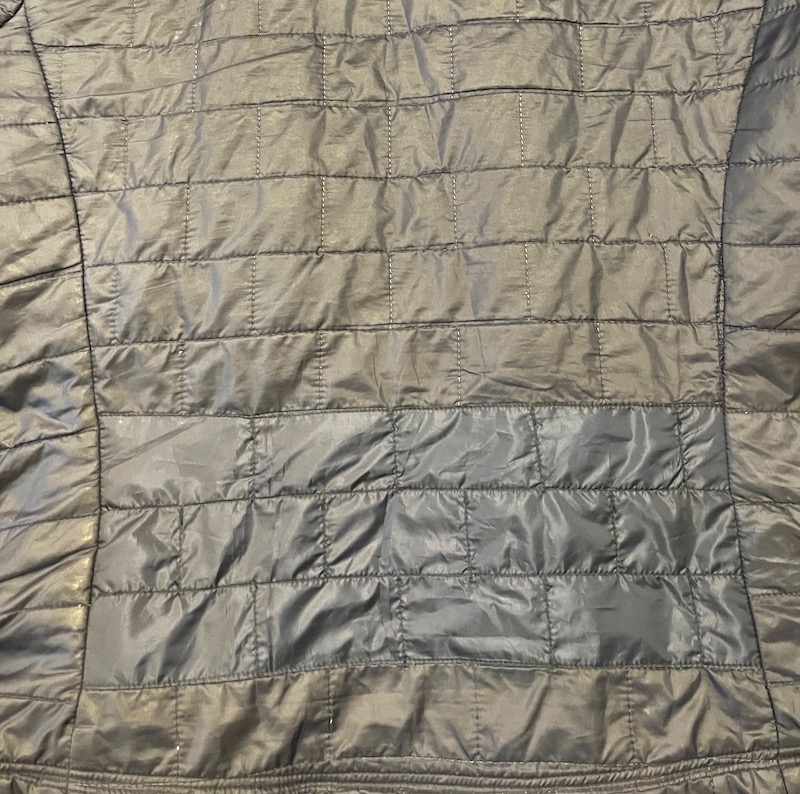
When we received the jacket back, we noticed the repaired fabric was slightly different in color under certain light. Since it was an older model, Patagonia used newer material for the patch. But it looks ok.

To us, this wasn’t a problem. In fact, it tells a story: we care about our belongings and about the planet. Still, some people who value a “perfect” finish might find it noticeable.

Repair as a Fashion Trend

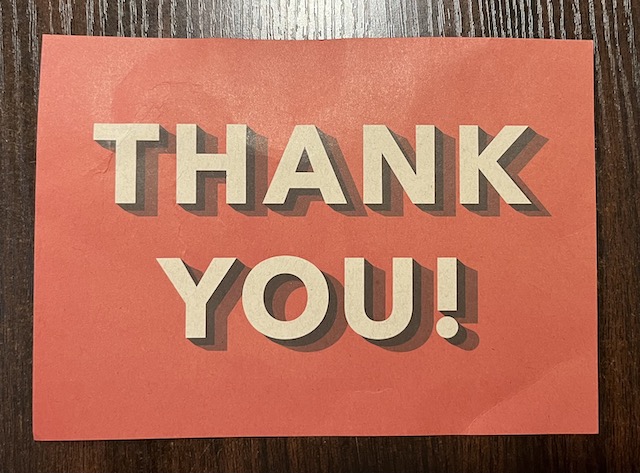
Alt="Patagonia sent me a Thank you card"
Thank you card

We live in a time when repairing and reusing clothes is becoming a fashion statement. As awareness of climate change grows, more people are moving away from fast fashion and embracing sustainable choices.

Patagonia even includes a “Thank You” card with their repairs, encouraging customers to continue supporting a culture of long-lasting clothing.

Moving Beyond Fast Fashion

The era of buying cheap clothes and throwing them away after a short time should be behind us. Fast fashion companies often overproduce, sell at massive discounts, and landfill unsold inventory.

Patagonia stands against this model by promoting long-term use and repair. Their philosophy proves that caring for clothes can also mean caring for the environment.

Conclusion

Repairing your Patagonia down jacket is not only cost-effective but also a way to participate in a sustainable lifestyle. If Yvon Chouinard had opened Patagonia to the stock market, this philosophy of “wear longer, waste less” might not have survived.

By choosing repair over replacement, we support a new kind of capitalism—one that values people and the planet over profit.

Return to Home

Is Piano Adventures Too Slow? A Look at This Popular American Piano Method

Is Piano Adventures Too Slow? A Look at This Popular American Piano Method

piano adventure

Estimated reading time: 4 minutes

The American piano method “Piano Adventures” is sometimes criticized for being “too slow.” Some piano teachers even feel that progress takes longer compared to other books. But is that really true? And why are we in such a hurry?

In this article, I’ll explain why Piano Adventures is an excellent method book—especially for building strong music theory foundations.

Is Piano Adventures Really Too Slow?

Personally, I don’t think Piano Adventures is slow. In fact, I ask—why rush?

I think – especially in Japan where I am from, many children can technically play the piano well but lack a solid understanding of music theory. As a result, their performances often sound less purposeful of what they are playing. Piano Adventures focuses on developing both technical skill and theoretical knowledge, which ultimately produces more well-rounded piano players.

Can Students Move Faster with Piano Adventures?

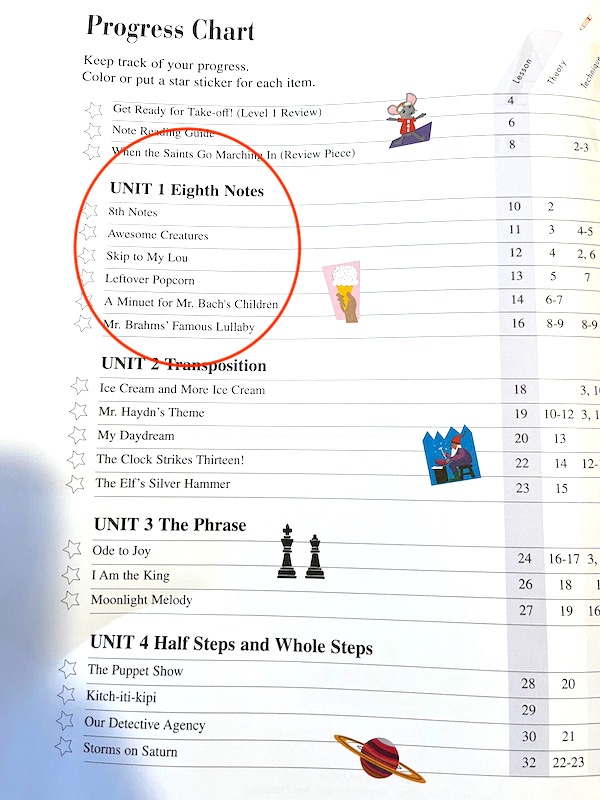
Alt="piano adventure's unit page"

Yes, the pace can be adjusted. If a child enjoys practicing, teachers can assign homework by unit instead of one page at a time. Or, it is absolutely fine to skip some pages.

For example, two of my students currently use Piano Adventures:

  • One prefers to move step by step, taking time with each piece.
  • The other progresses unit by unit and has become a much faster sight-reader.

Both approaches work—the key is that slow students build strong foundations while faster students improve fluency and reading skills.

Why Piano Adventures Is Excellent for Music Theory

One of the strongest points of Piano Adventures is its early introduction of music theory.

  • Concepts like I–V chord progressions appear as early as Book 1.
  • These theoretical elements are essential for memorizing music and understanding structure.
  • Children are introduced to concepts often taught at the conservatory level—but in a fun and accessible way with illustrations.

Skipping this foundation for the sake of speed is a mistake. Music theory helps children not only play but also understand, interpret, and memorize music effectively.

Piano Adventures: Gradual but Powerful Theory Progression

As students move through the series, the theory becomes progressively more advanced. This matters especially when it comes to memorization.

Playing a piece repeatedly until the body remembers it has limits. For complex works, students need to understand structure. Music theory acts like a map for memory—instead of relying only on repetition, they learn to rely on understanding.

Is Piano Adventures Slow or Fast? It Depends on Practice

The pace of Piano Adventures really depends on the student:

  • Some finish Book 1 in just six months.
  • Others progress more slowly but gain solid grounding in rhythm, harmony, and expression.

Many children enjoy the method because it includes a variety of styles—jazz, rock, classical, and folk tunes—which keeps learning exciting.

Should You Avoid Piano Adventures Because It’s “Slow”?

Absolutely not. Even though all beginner method books start with the basics (C–D–E–F–G), Piano Adventures stands out for its balanced approach:

  • Fun repertoire
  • Gradual progression
  • Strong music theory foundation

It’s one of the best resources for nurturing children’s musical growth at their own pace.

Final Thoughts

So, is Piano Adventures too slow? My answer is no. Progress depends on the student’s practice habits, not just the method itself. What matters most is building a solid foundation in theory and technique.

Children often experience sudden breakthroughs—so don’t rush. With patience, Piano Adventures can help them grow into expressive, confident pianists.

Return to Home

Urgent Care and Insurance: What You Should Know About Rapid Tests

Urgent Care and Insurance: What You Should Know About Rapid Tests

urgent care needed sick woman

Visiting urgent care centers in the U.S. can sometimes lead to unexpected bills—especially when you have sudden injury or sickness. Recently, I experienced diagnosed with COVID, I went to a nearby urgent care for a rapid test, only to discover that my insurance didn’t fully cover the visit because it was out of network.

What Happens During a Rapid Test at Urgent Care?

At urgent care, the rapid test process was simple and quick. I wasn’t seen by a doctor, but instead by a nurse. The steps were:

  • Measuring blood oxygen levels
  • Performing a nasal swab test
  • Leaving within about 10 minutes

Later, I received the results by email within a few hours. The process itself was smooth—but the cost was not.

The Insurance Surprise: Out of Network Charges

A few days later, I logged into my insurance account and noticed a pending charge from the urgent care. Unfortunately, that urgent care center was out of network for my insurance.

The bill? $300 per person for a rapid test. Since both my husband and I got tested, the total came to $600. Even with partial coverage, we still had to pay $223 each. And this wasn’t even for a PCR test—it was just the rapid version.

Is Urgent Care Expensive?

Alt="the price of urgent care and the amount billed $300 and after insurance paid $223.49 charged"

Urgent care clinics like CityMD or ClearMD are convenient when you’re sick, but they aren’t always cheap. Before visiting, it’s important to:

  • Check if the urgent care is in-network for your insurance
  • Ask about expected costs for tests or visits
  • Compare urgent care providers in your area

With so many urgent care companies opening, prices and insurance coverage vary widely.

Urgent Care vs. Emergency Room Costs

Although urgent care isn’t cheap, it’s still far more affordable than calling an ambulance or going to the emergency room. For non-life-threatening issues, urgent care is the smarter choice. But you should always verify insurance coverage beforehand otherwise you will be in trouble.

Final Thoughts: Be Careful with Rapid Test Costs

In my case, urgent care ended up being much more expensive than I expected. The takeaway?Always check whether your urgent care is covered by insurance before you go. Avoid COVID infection if possible.

Keep a reliable home test kit available to reduce unnecessary urgent care visits.

Return to Home