Whole Foods often gets the reputation of being pricey, but that might not be the full story. Recently, I’ve been seeing an acupuncturist who also gives me valuable lifestyle and nutrition advice. She’s a highly sought-after practitioner who has even been featured in Forbes.
According to her, vegetables from Trader Joe’s are a big “no.” Coming from the countryside, I used to compromise on produce quality, but she was right—many of the vegetables simply lack flavor. If you want truly fresh and nutritious produce, Whole Foods is the better choice.
When I lived in the Lower East Side, visiting the Whole Foods on Houston Street became part of my daily routine.
Why Whole Foods Is Affordable with an Amazon Card
Here’s the secret: with an Amazon Card, Whole Foods isn’t just about variety and nutrition—it can actually be cheaper than you think. Surprisingly, you don’t even need to maintain a Prime membership to get the benefits. I found that you can still use the Amazon Card years after canceling Prime, and it continues to offer great discounts.
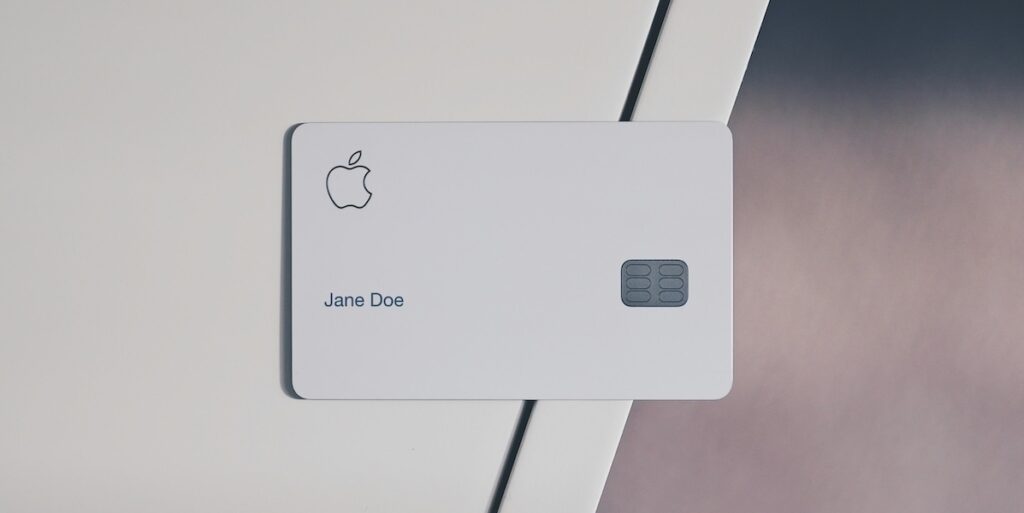
Personally, I let go of my Prime membership because I didn’t mind waiting for deliveries, but I kept the Amazon Card. It’s a titanium Mastercard, much like the Apple Card, and I’ve been able to use it almost everywhere—even in Japan.
Whole Foods App + Amazon Card = Extra Savings
Do you have the Whole Foods app? If not, it’s worth downloading. By registering your Amazon Card on the app, you’ll not only earn points but also unlock exclusive sale prices. Fresh produce, in particular, often comes at a significant discount.
Freshness, Variety, and Local Produce
When it comes to your health, Whole Foods is the smarter option. While locally grown vegetables are always best, Whole Foods offers fresh, high-quality alternatives. Trader Joe’s produce, in contrast, often lacks flavor.
For example, here’s a photo of mushrooms I bought at Whole Foods—sourced directly from upstate New York. Simply sautéed in butter, they taste incredible. These specialty items are something you can’t easily find at Trader Joe’s.
Final Thoughts
If you have an Amazon Card, shopping at Whole Foods can be both affordable and health-conscious. It’s not just about finding the cheapest price—it’s about choosing food that truly nourishes your body.
I hope this inspires you to look at Whole Foods in a new way!
Urgent Care and Insurance: What You Should Know About Rapid Tests
Visiting urgent care centers in the U.S. can sometimes lead to unexpected bills—especially when you have sudden injury or sickness. Recently, I experienced diagnosed with COVID, I went to a nearby urgent care for a rapid test, only to discover that my insurance didn’t fully cover the visit because it was out of network.
What Happens During a Rapid Test at Urgent Care?
At urgent care, the rapid test process was simple and quick. I wasn’t seen by a doctor, but instead by a nurse. The steps were:
Measuring blood oxygen levels
Performing a nasal swab test
Leaving within about 10 minutes
Later, I received the results by email within a few hours. The process itself was smooth—but the cost was not.
The Insurance Surprise: Out of Network Charges
A few days later, I logged into my insurance account and noticed a pending charge from the urgent care. Unfortunately, that urgent care center was out of network for my insurance.
The bill? $300 per person for a rapid test. Since both my husband and I got tested, the total came to $600. Even with partial coverage, we still had to pay $223 each. And this wasn’t even for a PCR test—it was just the rapid version.
Is Urgent Care Expensive?
Urgent care clinics like CityMD or ClearMD are convenient when you’re sick, but they aren’t always cheap. Before visiting, it’s important to:
Check if the urgent care is in-network for your insurance
Ask about expected costs for tests or visits
Compare urgent care providers in your area
With so many urgent care companies opening, prices and insurance coverage vary widely.
Urgent Care vs. Emergency Room Costs
Although urgent care isn’t cheap, it’s still far more affordable than calling an ambulance or going to the emergency room. For non-life-threatening issues, urgent care is the smarter choice. But you should always verify insurance coverage beforehand otherwise you will be in trouble.
Final Thoughts: Be Careful with Rapid Test Costs
In my case, urgent care ended up being much more expensive than I expected. The takeaway?Always check whether your urgent care is covered by insurance before you go. Avoid COVID infection if possible.
Keep a reliable home test kit available to reduce unnecessary urgent care visits.
In recent years, New York City has seen a shift in sneaker culture—and ASICS has surprisingly become one of the top choices. Once considered “uncool,” ASICS is now embraced for comfort, functionality, and style. Walking through Manhattan today, you’ll notice more and more people—of all backgrounds—choosing ASICS sneakers.
As someone who has worn ASICS for years, I want to share why these sneakers have become so popular in New York and why they might be the perfect fit for you.
The Perfect Fit for Wide Feet
Many Asians, including myself, have wider feet, which makes narrow Italian or slim-cut shoes nearly impossible to wear. I’ve struggled with beautiful heels that wouldn’t even let my foot slide in, and painful sneakers that left my feet red.
ASICS solves this problem with shoes designed to fit a wider range of foot shapes, offering both comfort and stability.
From Basketball to Everyday Comfort
During my six years on the basketball team, I first tried Nike basketball shoes—but they felt too heavy. I eventually switched to ASICS, and the difference was incredible. They were light, comfortable, and easy to run in.
That’s when I realized ASICS isn’t just about looks—it’s about performance.
From “Uncool” to Essential in New York
There was a time when ASICS was labeled “uncool” compared to Nike, Adidas, or Converse. But post-pandemic New York has changed. With more people walking instead of relying on the subway, comfort now outweighs fashion-only choices.
ASICS, originally designed for marathon runners, offers:
Thick cushioning to protect the knees
Research-backed arch support
Shoes built for long-distance walking
In a city where walking is a way of life, this makes ASICS the perfect sneaker.
Health, Success, and the Rise of Marathon Runners
In Manhattan, many successful professionals run marathons. Why? Running helps boost energy, maintain health, and keep the mind sharp. Long-term thinkers, especially investors, know that living longer means staying active.
Naturally, these runners turn to ASICS—a brand built for marathon performance. Try running in other brands, then switch to ASICS—you’ll immediately feel the difference.
Supporting Japanese Innovation
ASICS originated in Hyogo, Japan, and continues to lead in sports technology. Buying ASICS is not only about getting a high-quality product—it’s also about supporting Japanese innovation.
ASICS for Everyone in New York
It’s not just Japanese people wearing ASICS in New York. Recently, I’ve noticed people from many different backgrounds choosing them. When I point it out, the response is often the same: “It’s so comfortable!”
And with more stylish designs available today, ASICS blends easily into New York’s minimalist black-and-white fashion scene.
Top 5 Best ASICS Sneakers for Walking in New York
If you’re planning to walk long distances in New York—whether commuting, exploring the city, or training for a marathon—these ASICS models are highly recommended:
ASICS Gel-Kayano
Excellent stability and cushioning.
Great for people who need arch support during long walks.
ASICS Gel-Nimbus
Known for plush comfort and soft cushioning.
Perfect for all-day wear and long-distance walking.
ASICS GT-2000
Lightweight yet supportive.
A great balance between running performance and city walking.
ASICS Novablast
Modern design with a bouncy midsole.
Stylish enough for casual wear in Manhattan while offering serious comfort.
ASICS Gel-Quantum 360
Sleek, futuristic look combined with full-length cushioning.
Popular among those who want performance with a fashion-forward design.
These models are available in multiple colorways, including neutral black and white, making them easy to match with New York’s minimalist fashion trends.
*(affiliate link suggestion: “Click here to check prices on Amazon”)
Conclusion
Once considered unfashionable, ASICS has become a go-to sneaker in New York City. In a place where walking is essential, comfort and performance matter most. Whether for running, long commutes, or just everyday wear, ASICS proves that functionality and style can go hand in hand.
For me, ASICS isn’t just a sneaker—it’s a lifestyle. And I’ll continue to support this incredible Japanese brand.
Why a Solo Trip to Hokkaido is the Best Travel Idea?
Estimated reading time: 4 minutes
When life feels overwhelming, sometimes the best solution is a solo journey. If you’re traveling within Japan, one of the best destinations is Hokkaido. Compared to mainland Honshu, Hokkaido gives you the feeling of visiting another country—yet it’s surprisingly affordable to get there. Whether by plane or train, Hokkaido offers wide-open landscapes, delicious seafood, and unforgettable cultural experiences.
Why Choose Hokkaido for Solo Travel?
Travel isn’t always about going abroad. Even the act of flying across Japan can shift your perspective and give you clarity. Many travelers say that simply being above the clouds helps them make important life decisions. That’s why taking a flight to Hokkaido can be so refreshing compared to a train journey.
Train Travel is Also an Option
Of course, solo train trips are wonderful too. The views from the carriage window can inspire new thoughts. However, keep in mind that taking the Shinkansen to Hokkaido can cost around ¥60,000 one way, which is expensive.
Here’s good news for U.S. residents: if you’ve lived in America for over 10 years, you may qualify for the Japan Rail Pass, allowing unlimited JR travel for one to two weeks at a flat rate. This makes Hokkaido much more accessible.
Meeting People on the Road
One of the best parts of solo travel is the people you meet along the way. Conversations with strangers outside your usual circle often bring fresh insights. During past trips, I met university students on the train who shared valuable information about school life.
For women traveling alone: safety is important. Never follow strangers, no matter how friendly they seem.
The Challenges of Eating Alone
Traveling solo also comes with small challenges—like eating at restaurants. At 19, I once felt too shy to enter an okonomiyaki shop in Hiroshima and ended up eating convenience-store food instead. Now, in my 40s, I can confidently dine anywhere alone. Today’s younger generation seems more comfortable with this too, so don’t let it hold you back.
Must-See Places in Hokkaido
Hakodate’s Trappist Monastery Visiting Hakodate felt almost like being abroad. Its Western-influenced architecture reminded me of California’s frontier towns.
Saroma The vast plains of Saroma felt unlike anywhere else in Japan, resembling Upstate New York or even parts of Europe. It’s also home to abundant wildlife. If you’ve seen the film Drive My Car, you’ll recognize the beauty of Hokkaido’s landscapes.
The Flavors of Hokkaido
Food is one of Hokkaido’s highlights. Fresh hairy crab (kegani), uni (sea urchin), and a variety of fish are absolute must-tries. The seafood alone is worth the trip!
Flying to Hokkaido with JAL
Our family often flies with Japan Airlines (JAL), partly thanks to mileage partnerships between JAL and American Airlines. This summer, we even managed a trip using only miles.
JAL’s service stands out—especially their inflight meals, created through the RED à table project, where top chefs design dishes with sustainability and health in mind. Watching the onboard documentary made the meal even more enjoyable.
Compared to other airlines, JAL feels like the very best for international flights. For solo travelers, it’s an especially reliable choice.
Travel Tips and Safety
Flying is the easiest way to Hokkaido, but train journeys have their charm too.
If you’ve lived in the U.S. for 10+ years, the JR Pass is a great option for affordable Shinkansen travel.
Book your hotel in advance—whether budget or luxury, solo travel gives you freedom of choice.
Follow COVID-19 safety rules: wear a mask on planes, wash hands often, and avoid crowded urban areas if you’ll be returning to rural communities.
Conclusion
A trip to Hokkaido offers the perfect mix of international atmosphere, natural beauty, and delicious food—all without leaving Japan. Whether by plane or train, solo or with family, Hokkaido provides the sense of adventure and renewal that every traveler seeks.
If overseas travel feels difficult right now, remember: flying from Honshu to Hokkaido already feels like an international escape. Make the most of your trip and enjoy every moment!
The Apple Credit Card is not the same as an Apple Gift Card. This titanium Mastercard is issued in the U.S. by Apple in partnership with Goldman Sachs. However, as of January 1, 2024, Apple may end its partnership with Goldman Sachs, with a possible transition to American Express (Amex) or another issuer in the future.
Estimated reading time: 3 minutes
Key Features and Benefits
High-Yield Savings Account
When you open an Apple Credit Card, you can also set up an Apple high-yield savings account. As of 2026, the annual interest rate is 3.50% APY. While slightly lower than in previous years, it still remains well above the national average for U.S. savings accounts, making it an attractive option for Apple Card users.
Titanium Design & Contactless Payments
Durable titanium card with minimalist Apple design
Works as a physical card where Apple Pay isn’t available
Supports Apple Wallet for contactless payments via Apple Pay
Other Notable Features
Simplify your finances with one card
Accepted worldwide through Mastercard network
Instant transaction and balance updates in Wallet
Apple customer support via Wallet messages
3-digit security code (CVV) that changes regularly
No printed card number or expiration date for higher security
Compatible with iPhone and Apple Watch via Apple Pay
Up to 3% cashback at Apple and select merchants
2% cashback on Apple Pay purchases at most merchants
U.S. Citizen or Green Card Holder – You must be a citizen or permanent resident.
Visa Holders in the U.S. – Some valid visa holders may also apply.
U.S. Address – Required for application and card delivery.
Apple Pay-Compatible Device – Such as iPhone or iPad.
Good Credit History – A strong credit score is essential for approval.
Using the Apple Credit Card in Japan
The Apple Credit Card is also usable in Japan, since it runs on Mastercard’s global network. However, here are some important notes:
Card Unlock – Before inserting the titanium card into a payment terminal in Japan, make sure it’s unlocked in Apple Wallet.
Apple Pay Contactless Payments – Widely supported in Japan and recommended for convenience.
Foreign Exchange Fees – May apply for overseas transactions. Check terms carefully.
Lost or Stolen Cards – Disable immediately in Apple Wallet and request a replacement.
Conclusion
The Apple Credit Card offers:
Enhanced security with rotating CVV codes
High-yield savings account (3.50% APY) – it changes based on the interest rates.
Cashback rewards (up to 3%)
Seamless Apple Pay integration
However, it requires meeting specific eligibility criteria, including U.S. residency and good credit history. For frequent Apple users and those who value security and savings, the Apple Credit Card remains a strong option worth considering.
How Much Does It Cost to Use an Ambulance in New York City?
Estimated reading time: 4 minutes
If you call an ambulance in NYC, you could pay around US$1,385 for a standard ambulance ride with FDNY. That’s the base rate without extra charges like medical supplies, tests, or high-level emergency procedures.
My Personal Experience: What Happened
My husband was struck by a sudden, severe dizziness—so bad he couldn’t walk—and we worried it might be something serious like a stroke. We ended up calling an ambulance. Here’s what happened, and how much it cost.
Only dizziness; later doctors thought it was due to aging, possibly also contact lenses.
With insurance, we used ambulance + Emergency Room (ER). Got no medical instruments used in the ambulance (no heart monitor, respiratory device, etc.).
Total bill ≈ US$975 (about ¥120,000) after insurance.
If it had been a more serious condition (heart attack, etc.), cost would be much higher.
What Happens When You Call an Ambulance: Process
You call 911. They ask for:
Your address & phone number
Symptoms
They evaluate how urgent the case is (for serious issues like chest pain, breathing trouble, you’ll get faster response).
Paramedics may bring equipment; they might ask questions about pulse, breathing, etc.
Depending on condition, you may be asked if you want to ride in the ambulance.
Then transported to hospital ER if needed.
What the ER Does & What to Expect
ER = Emergency Room. Meant for urgent / life-threatening situations.
Many people waiting, triaged by severity. If your situation isn’t serious, you might wait a long time.
Tests like CT scans, imaging, IVs, etc., done depending on symptoms.
Sometimes you’ll stay overnight if needed.
Other Experiences
A friend with extreme depression once collapsed at night. No insurance. Went to ER (by cab). Monitored, symptoms checked; cost later ~ US$1,000.
Another time, I had a bad headache + vomiting after hot yoga. No ambulance. CT scan, pain relief, rest. Stayed overnight. Don’t remember cost exactly, but with insurance it was manageable. Without insurance, much more stressful.
Alternatives: Urgent Care, Free/Low-Cost Options
Urgent Care: e.g. CityMD and similar facilities. Good for non-life-threatening issues: cold, minor injuries, etc. Less expensive than ER. Must check whether facility is in your insurance network.
NYC Care: A program for people who don’t qualify for other insurance. Provides free or low-cost care at NYC Health + Hospitals’ clinics/hospitals depending on income.
Medicare / Medicaid: For those eligible (older people, low-income, etc.), many emergency services are covered. But you may still have copays or deductible depending on your plan.
Updated Stats & What You Need to Know Now (2025)
Service
Approximate Cost (insured vs uninsured)
Notes
FDNY standard ambulance ride
~$1,385 base rate (before extra charges)
As of May 1, 2023 rate increase. Per-mile charge increased too.
Urgent Care visit
If insured: small copay; uninsured: often $100–$200 for simple treatments.
ER visit cost
Non-emergency ER visit can easily cost $2,400+ without insurance. Even with insurance, out-of-pocket can be high.
Also important:
Many ambulance rides are out of network for insurance plans, which can lead to unexpected (“surprise”) bills. You often can’t control which ambulance service responds in emergencies.
Ambulance service from FDNY has a sliding scale or discounted rates for those without insurance or with low income.
Conclusion
In New York City, using an ambulance and going through an ER can get expensive fast, especially without insurance or for serious symptoms. But there are options: urgent care, ambulance discounts, Medicare/Medicaid, NYC Care. It helps to know what your insurance covers, where to go for what kind of symptom, and to prepare in advance if you can.
Discover the New York Public Library: Books, Events, and Culture
Estimated reading time: 3 minutes
The New York Public Library (NYPL) is one of the most famous libraries in the world. Founded in 1902, it has grown into a vast network of more than 90 branches across New York City.
The most iconic location is the Stephen A. Schwarzman Building in Manhattan, instantly recognizable for its grand entrance guarded by two stone lions. Not only is it a center of knowledge, but also a popular tourist attraction.
What Kind of Books Can You Find?
The New York Public Library offers an incredible range of books—from children’s picture books to advanced research materials. Some highlights include:
Children’s Collections: Storybooks, picture books, and regular read-aloud sessions for kids.
Historical Archives: Rich resources on American and world history.
Art & Photography: A wide selection of art books and beautifully curated photography collections.
Fun Events for Everyone
The NYPL isn’t just about books—it’s also about community. The library hosts engaging events throughout the year:
Storytime Sessions: Professional narrators bring picture books to life for children.
Workshops: Hands-on activities like crafts and science experiments that make learning fun.
Lectures: Well-known authors, scholars, and public figures share inspiring talks.
How to Use the Library
To borrow books or access e-books, you’ll need a library card. Signing up is easy through the NYPL’s official website. Once registered, you can:
Borrow physical books
Download e-books and audiobooks
Access exclusive digital resources
Why Visit the NYPL?
For book lovers, the New York Public Library is like heaven. Whether you’re exploring rare archives, attending a lecture, or simply enjoying the quiet reading spaces, there’s something for everyone.
And if you’re visiting Manhattan, you’ll also find Sunrise Mart, a popular Japanese grocery store, nearby (link: Sunrise Mart Manhattan).
Conclusion
The New York Public Library is more than a building filled with books—it’s a cultural landmark that brings people together through knowledge, history, and creativity. Next time you’re in New York, don’t miss the chance to experience its magic.
What Is the CUNY Proficiency Requirement? A Guide for International Students
Estimated reading time: 6 minutes
If you are planning to study at the City University of New York (CUNY), you may have heard about the CUNY proficiency requirement. Understanding this requirement is important because your placement in English and mathematics can affect which courses you are able to take and how efficiently you can progress toward graduation.
This is particularly important for international students, who may be academically strong but unfamiliar with the English-language academic system in the United States.
In this article, I’ll explain what the CUNY proficiency requirement is, what the English and mathematics assessments involve, what may happen if you do not meet the required level, and how you can prepare.
What Is the CUNY Proficiency Requirement?
CUNY uses assessment and placement measures to determine whether students have the necessary skills in areas such as English and mathematics.
The exact assessment and requirements can vary depending on the student’s program, college, and current CUNY policies. Students should always check the requirements of their individual CUNY college for the most up-to-date information.
In general, students may need to demonstrate college-level proficiency in:
English reading and writing
Mathematics
Meeting the required level can help students begin college-level courses without taking additional developmental or corequisite support courses.
Mathematics Requirement
For students who have not studied mathematics recently, the mathematics assessment may require some preparation.
The assessment can include fundamental concepts such as:
Basic arithmetic
Fractions and decimals
Percentages
Basic algebra
Equations
Geometry
Problem-solving
Don’t assume that the test will be easy simply because the concepts are familiar. Mathematical questions can sometimes be challenging because of the way they are worded.
How Should You Prepare for the Math Test?
One of the simplest ways to prepare is to review a basic mathematics textbook and practice problems regularly.
Pay particular attention to:
Fractions
Negative numbers
Algebraic expressions
Equations
Ratios and percentages
Geometry
Word problems
I also recommend practicing mathematics questions in English. Understanding the mathematics itself is only part of the challenge; you also need to understand what the question is asking.
English Requirement
For many international students, the English portion can be more challenging than mathematics.
The assessment focuses on your ability to understand and communicate in academic English. Depending on the assessment being used, students may be evaluated on skills such as reading comprehension and writing.
Academic English is different from conversational English.
You may be able to communicate comfortably with friends, order food at a restaurant, or have everyday conversations in English and still find an academic reading or writing assessment difficult.
Reading Comprehension
College-level reading requires you to understand:
The main idea of a passage
Supporting details
The author’s argument
The meaning of words from context
Relationships between ideas
Information that is implied rather than directly stated
For this reason, reading English regularly is one of the best ways to prepare.
You don’t need to understand every single word. Instead, practice identifying the main point and important supporting information.
Writing Skills
Writing is another important skill for international students.
In college, you will often need to write essays, responses, research papers, and discussion posts. Your writing needs to be clear, organized, and logical.
A useful way to practice is to read an English article and then write a short summary in your own words.
For example:
Read a short article.
Identify the main argument.
Write down three important points.
Summarize the article in your own words.
Explain your own opinion about the topic.
This simple exercise can help you develop both reading comprehension and academic writing skills.
What Happens If You Don’t Meet the Required Level?
If you do not demonstrate the required level of proficiency, you may be required to take additional English or mathematics support courses before or alongside college-level coursework.
These courses are designed to help students develop the skills they need for college-level study.
One important point for students to understand is that developmental or remedial coursework may not count toward the credits required for graduation. This can potentially add time and expense to your degree.
For this reason, preparing for your placement or proficiency assessment before starting college can be very worthwhile.
How to Prepare for the CUNY Proficiency Requirement
If you are planning to attend CUNY, I recommend preparing before you take the assessment rather than waiting until the last minute.
1. Don’t underestimate academic English
Even if you can have everyday conversations in English, academic English can be very different. Start reading English-language articles several months before your assessment.
2. Practice writing regularly
You don’t need to write a long essay every day. Even writing one short paragraph a day can make a significant difference. Focus on organizing your ideas clearly rather than trying to use complicated vocabulary.
3. Review basic mathematics
If you haven’t studied mathematics for several years, review the fundamentals. Practice basic calculations, algebra, geometry, fractions, percentages, and word problems.
4. Practice solving problems in English
This is particularly important for mathematics. Try finding English-language math problems so that you become comfortable with words such as equation, fraction, percentage, angle, area, and average.
5. Check your college’s current requirements
CUNY consists of many different colleges and programs. Their assessment requirements can change.Before relying on information from a blog or another website, check the official CUNY website and your individual college for the most current requirements.
CUNY Colleges in New York City
CUNY is one of the largest public university systems in the United States and includes numerous senior colleges, community colleges, and graduate and professional programs throughout New York City.
Some well-known CUNY institutions include:
CUNY School of Professional Studies
The City College of New York
Baruch College
Brooklyn College
Hunter College
Queens College
John Jay College of Criminal Justice
Queensborough Community College
LaGuardia Community College
Each college offers different programs and academic resources, so prospective students should research the specific college and program they are interested in.
Final Thoughts
The CUNY proficiency and placement requirements are important for students who want to begin their college education successfully. For international students, the biggest challenge may not necessarily be the academic material itself. Sometimes, the real challenge is understanding academic English and expressing your ideas clearly in English.
The good news is that these skills can be improved with preparation. Start reading English regularly, practice writing your own summaries and opinions, and review basic mathematics before taking your assessment.
A little preparation before entering CUNY can make your transition to college much smoother—and may help you avoid taking additional courses that could delay your progress toward graduation.
Essential Documents and Step-by-Step Guide for O-1 Artist Visa Application
Hello! This is Maegami from the blog “Megami no Maegami.” In this article, I’ll walk you through the essential documents needed at the very beginning of your artist visa application process (O-1 Visa).
Estimated reading time: 3 minutes
Collecting the right materials is one of the most important parts of applying for an artist visa. Below are the three key documents that form the foundation of your O-1 visa petition.
1. Cover Letter
The cover letter is a crucial document for your application. It serves as an introduction to the U.S. Citizenship and Immigration Services (USCIS). Your sponsor (employer) or legal representative write for you.
It typically includes:
Overview of the Applicant’s Background: A concise summary of your professional achievements and qualifications.
Endorsement from the Sponsor: Why the sponsor wants to hire you and what skills or talents they value in you.
Terms of the Agreement: A brief summary of the job responsibilities, timeline, and conditions of employment.
Signature: The sponsor must sign the letter to confirm its accuracy and legitimacy.
This document sets the tone for your entire petition and is usually prepared by an immigration attorney or paralegal. You can refer to sample formats once you have a professional version created.
2. Form I-129 (Petition for a Nonimmigrant Worker)
Form I-129 is the official petition submitted to USCIS when applying for a work visa in the U.S., including the O-1 visa.
This form includes:
Petition for a Nonimmigrant Worker: Information about your employment in the U.S., including sponsor details.
O and P Supplement: Additional details required for artist and entertainment visa categories.
Always make sure to download the latest version from the USCIS website, as the form is periodically updated. The sponsor must also sign in designated sections. If you are preparing your documents independently, it’s strongly recommended to have them reviewed by someone familiar with immigration law.
3. Contract
A legally binding contract between you (the artist) and your sponsor or employer is required as part of your visa petition.
The contract should outline:
Work Description: Details about the job responsibilities, performance dates, and locations.
Payment Terms: Salary, benefits, or compensation information.
Conditions and Obligations: Duration of the contract and any specific terms or restrictions.
Both parties have to sign this documents. Most applicants work with a legal advisor to draft a contract that meets USCIS standards and avoids potential issues during the review process.
Summary
To recap, the three essential documents you must prepare for your O-1 artist visa application are:
Cover Letter
Form I-129
Contract
You must carefully prepared and submitted them on time. I recommend you to ask the assistance of a legal expert to check your documents. Starting early and staying organized will dramatically improve your chances of a successful application.