Mala Project: Authentic Chinese Dry Pot in New York City

Mala Project: Authentic Chinese Dry Pot in New York City
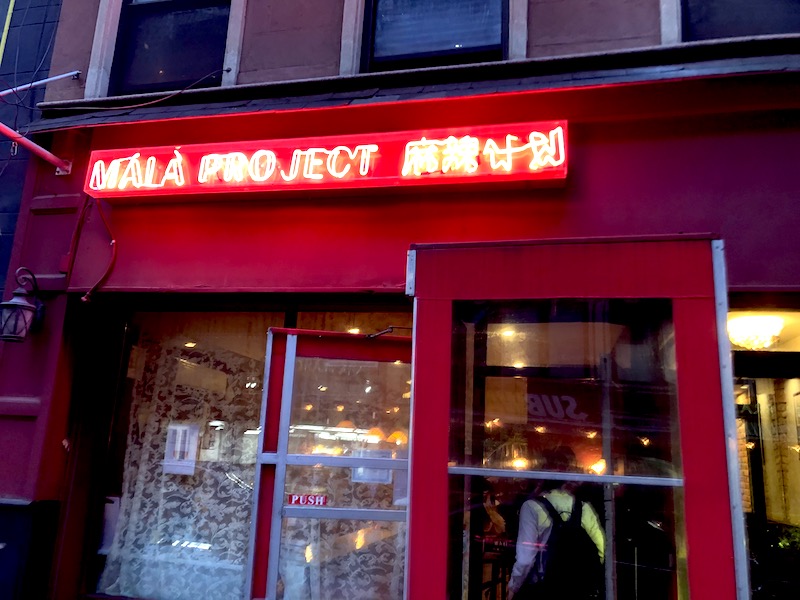
mala project restaurant image

Estimated reading time: 5 minutes

Looking for an authentic and flavorful dining experience in New York? Today, I’m introducing Mala Project, a trendy restaurant loved by young people, especially those from Asian backgrounds. Friends from Indonesia, Thailand, and China often recommend it, saying the flavors are authentic and remind them of home. For international students, it’s a taste of comfort.

Locations of Mala Project in Manhattan

Mala Project has three locations in Manhattan:
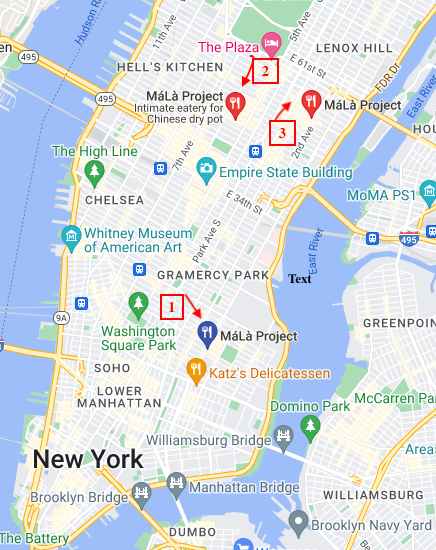
  • East Village – the original branch, opened in 2005
  • Bryant Park – popular among students and Midtown workers
  • 53rd Street – perfect for quick lunches near the business district

This time, I visited the Bryant Park branch, which seems to cater to busy professionals in Midtown. I haven’t been to the East Village location yet, but it’s definitely on my list.

Inside Mala Project
ニューヨークにあるMala Projectの店内の画像
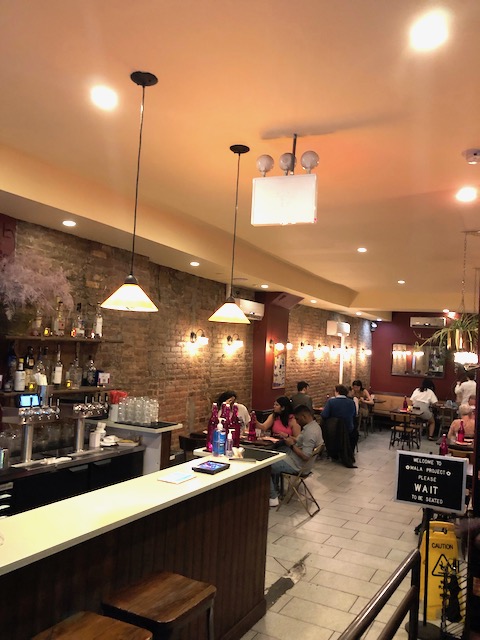
Inside the restaurant

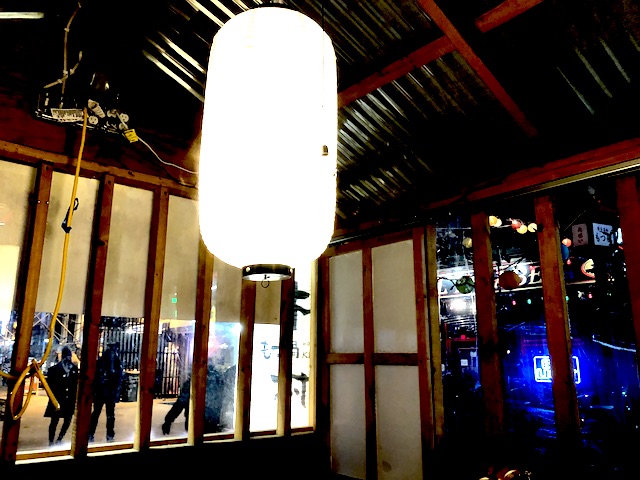
When I arrived with friends, I noticed the restaurant was packed—mostly with Asian diners, which already told me it would be authentic. The interior is lively but comfortable, with a modern vibe perfect for groups or even solo diners.

What Makes Mala Project Special: The Dry Pot

Unlike the more well-known dim sum style where you order many small dishes, Mala Project specializes in dry pot. Think of it as a big wooden bowl of rice topped with your choice of meats, seafood, and vegetables, seasoned with a variety of spices.

What’s unique is that the staff even explains the spices and their health benefits. With every bite, you can taste layers of flavor—from numbing Sichuan peppercorn to fragrant herbs. It feels both delicious and nourishing.

How to Order Your Dry Pot

  1. Choose your rice:
    • White rice
    • Brown rice
    • Red rice (with azuki beans)
  2. Pick your spice level:
    • No spice
    • Mild (recommended!)
    • Spicy (warning: very hot!)
  3. Select your toppings:
    • Meats: pork belly, beef, or even organ meats for the adventurous
    • Vegetables: broccoli, bok choy, mushrooms, and more
    • Seafood: shrimp, scallops, squid, etc.
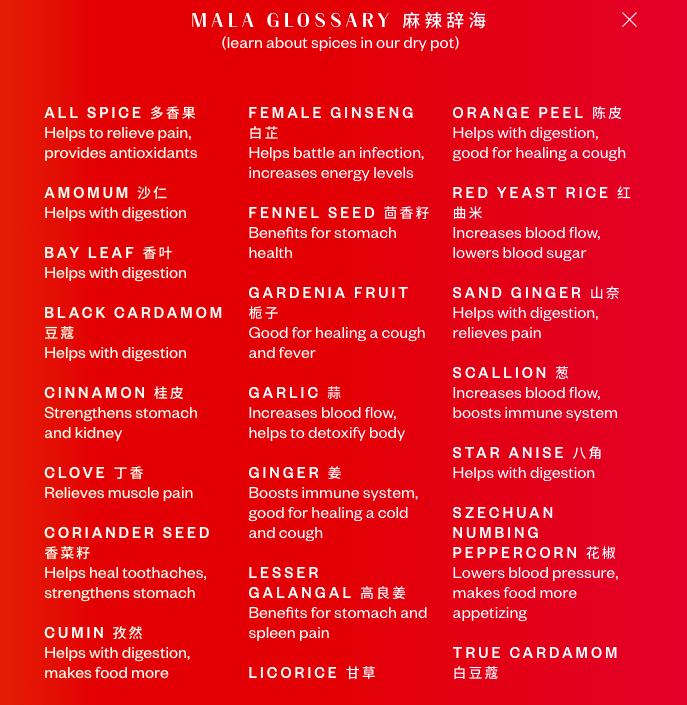
レストランのメニュー切り抜き画像

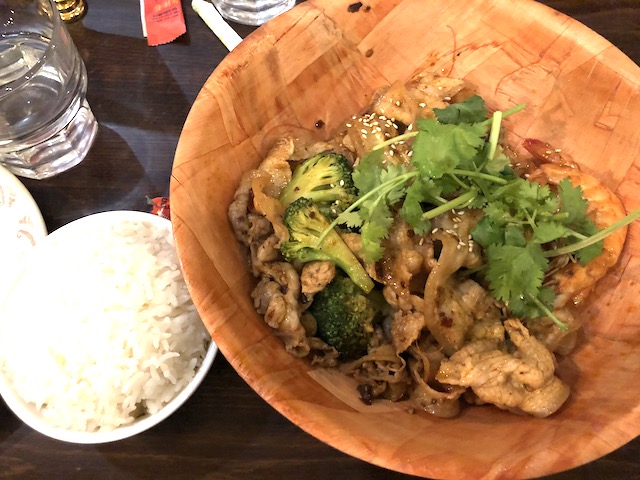
A good balance is 3–4 toppings per person. This time, I chose pork belly, broccoli, and shrimp. The flavor reminded me of home-style Chinese cooking—a rich soy-based taste that pairs perfectly with cilantro on top.

The Flavor Experience

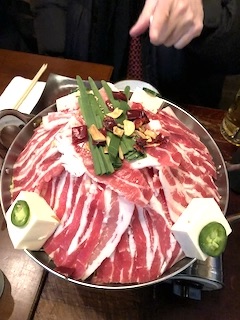
Compared to Japanese food, which uses less spice, Mala Project’s dishes are an explosion of bold flavors. The pork belly was juicy, the broth-like sauce was rich, and the mix of spices gave it a unique depth.
mala projectで食べたdry potの写真
Ordered Dry Pot

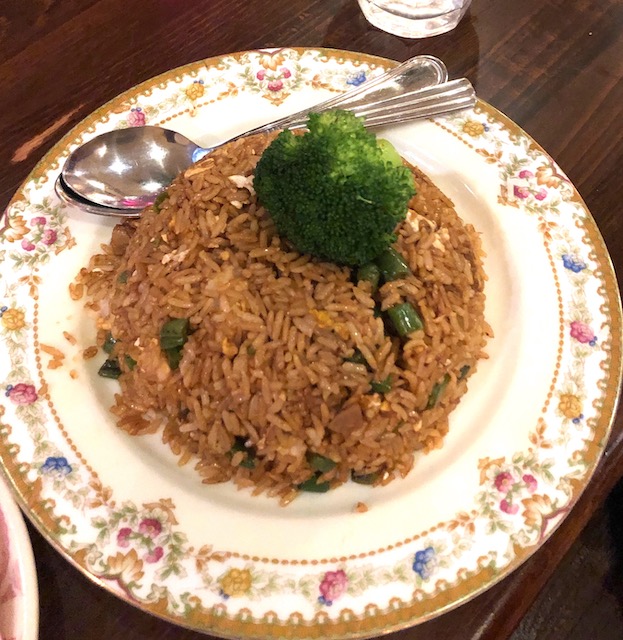
A friend from Venezuela ordered fried rice, which came with a quirky broccoli garnish—it made us laugh, but that’s part of the fun here.
チャーハンの写真

Prices at Mala Project

Like most NYC restaurants, prices have risen with inflation. My meal—a dry pot with three toppings and a Coke—came to $28 including tip (around ¥3,600). The portions are large, so you’ll definitely leave full. Alcohol is also available, though I went non-alcoholic this time.

Conclusion

Mala Project is a must-try for spice lovers and for anyone wanting to step outside the everyday flavors of Japanese or Western food. It’s also welcoming for solo diners. If you’re in Midtown or the East Village, this spot is perfect for a flavorful meal with friends or on your own.

Return to Home
How Much Does It Cost to Use an Ambulance in New York City?

How Much Does It Cost to Use an Ambulance in New York City?

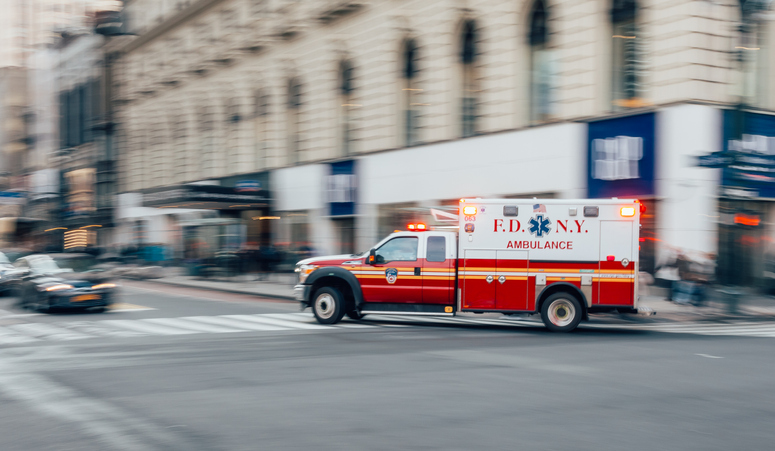
new york ambulance image

Estimated reading time: 4 minutes

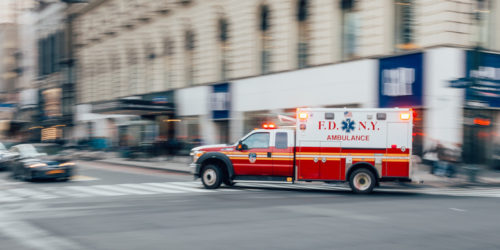
If you call an ambulance in NYC, you could pay around US$1,385 for a standard ambulance ride with FDNY. That’s the base rate without extra charges like medical supplies, tests, or high-level emergency procedures.

My Personal Experience: What Happened

My husband was struck by a sudden, severe dizziness—so bad he couldn’t walk—and we worried it might be something serious like a stroke. We ended up calling an ambulance. Here’s what happened, and how much it cost.

  • Only dizziness; later doctors thought it was due to aging, possibly also contact lenses.
  • With insurance, we used ambulance + Emergency Room (ER). Got no medical instruments used in the ambulance (no heart monitor, respiratory device, etc.).
  • Total bill ≈ US$975 (about ¥120,000) after insurance.
  • If it had been a more serious condition (heart attack, etc.), cost would be much higher.

What Happens When You Call an Ambulance: Process

  1. You call 911. They ask for:
    • Your address & phone number
    • Symptoms
  2. They evaluate how urgent the case is (for serious issues like chest pain, breathing trouble, you’ll get faster response).
  3. Paramedics may bring equipment; they might ask questions about pulse, breathing, etc.
  4. Depending on condition, you may be asked if you want to ride in the ambulance.
  5. Then transported to hospital ER if needed.

What the ER Does & What to Expect

  • ER = Emergency Room. Meant for urgent / life-threatening situations.
  • Many people waiting, triaged by severity. If your situation isn’t serious, you might wait a long time.
  • Tests like CT scans, imaging, IVs, etc., done depending on symptoms.
  • Sometimes you’ll stay overnight if needed.

Other Experiences

  • A friend with extreme depression once collapsed at night. No insurance. Went to ER (by cab). Monitored, symptoms checked; cost later ~ US$1,000.
  • Another time, I had a bad headache + vomiting after hot yoga. No ambulance. CT scan, pain relief, rest. Stayed overnight. Don’t remember cost exactly, but with insurance it was manageable. Without insurance, much more stressful.

Alternatives: Urgent Care, Free/Low-Cost Options

  • Urgent Care: e.g. CityMD and similar facilities. Good for non-life-threatening issues: cold, minor injuries, etc. Less expensive than ER. Must check whether facility is in your insurance network.
  • NYC Care: A program for people who don’t qualify for other insurance. Provides free or low-cost care at NYC Health + Hospitals’ clinics/hospitals depending on income.
  • Medicare / Medicaid: For those eligible (older people, low-income, etc.), many emergency services are covered. But you may still have copays or deductible depending on your plan.

Updated Stats & What You Need to Know Now (2025)

ServiceApproximate Cost (insured vs uninsured)Notes
FDNY standard ambulance ride~$1,385 base rate (before extra charges) As of May 1, 2023 rate increase. Per-mile charge increased too.
Urgent Care visitIf insured: small copay; uninsured: often $100–$200 for simple treatments.
ER visit costNon-emergency ER visit can easily cost $2,400+ without insurance. Even with insurance, out-of-pocket can be high.

Also important:

  • Many ambulance rides are out of network for insurance plans, which can lead to unexpected (“surprise”) bills. You often can’t control which ambulance service responds in emergencies.
  • Ambulance service from FDNY has a sliding scale or discounted rates for those without insurance or with low income.

Conclusion

In New York City, using an ambulance and going through an ER can get expensive fast, especially without insurance or for serious symptoms. But there are options: urgent care, ambulance discounts, Medicare/Medicaid, NYC Care. It helps to know what your insurance covers, where to go for what kind of symptom, and to prepare in advance if you can.

Return to Home
The Monkey Cup Harlem: A Cozy New York Café That Encourages Reading

The Monkey Cup Harlem: A Cozy New York Café That Encourages Reading

Hello, this is Maegami from the blog Megami no Maegami! Today, I’m continuing my New York Café Series, and I’m excited to share a truly unique spot in Harlem — The Monkey Cup.

This café is special because it has a clear policy: it encourages customers to read books instead of scrolling on Wi-Fi. The atmosphere is both cozy and inspiring, perfect for writers, readers, and anyone seeking a calm space in the city.

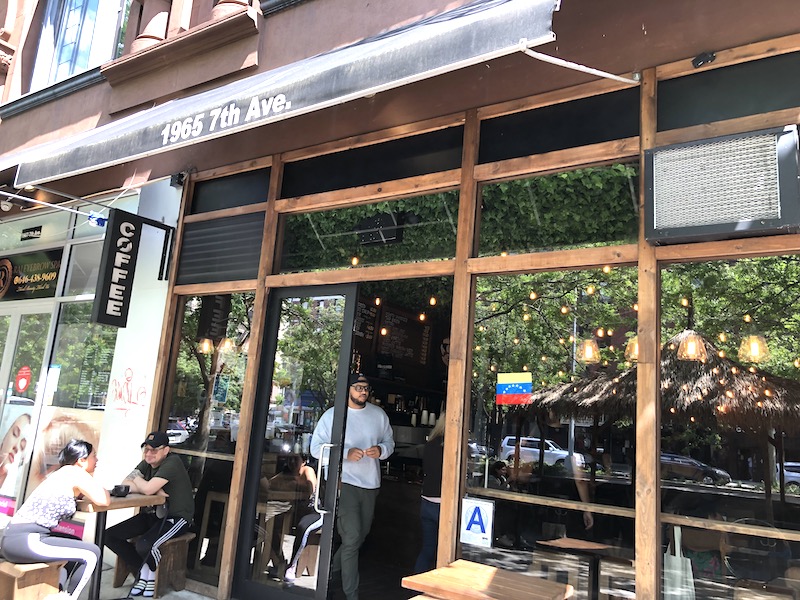
The Monkey cup the picture of the entrance
At the entrance- cute

Safe and Charming Location in Harlem

The Monkey Cupカフェの内装の本棚インテリアの画像

The Monkey Cup is located just a few blocks north of Central Park’s northern edge, in one of the safest parts of Harlem. Many professors and even Japanese residents live in this neighborhood, so while Harlem often carries an intimidating reputation, this area feels welcoming and secure.

A Very New York Café Exterior & Interior

From the outside, The Monkey Cup already feels like a classic New York café. The storefront is stylish, with large glass windows.

If you notice the blue “A” rating sticker, it means the café has passed New York City’s strict hygiene inspections — something that became especially important after past rodent incidents in other restaurants.

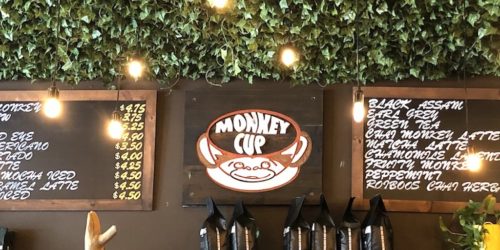
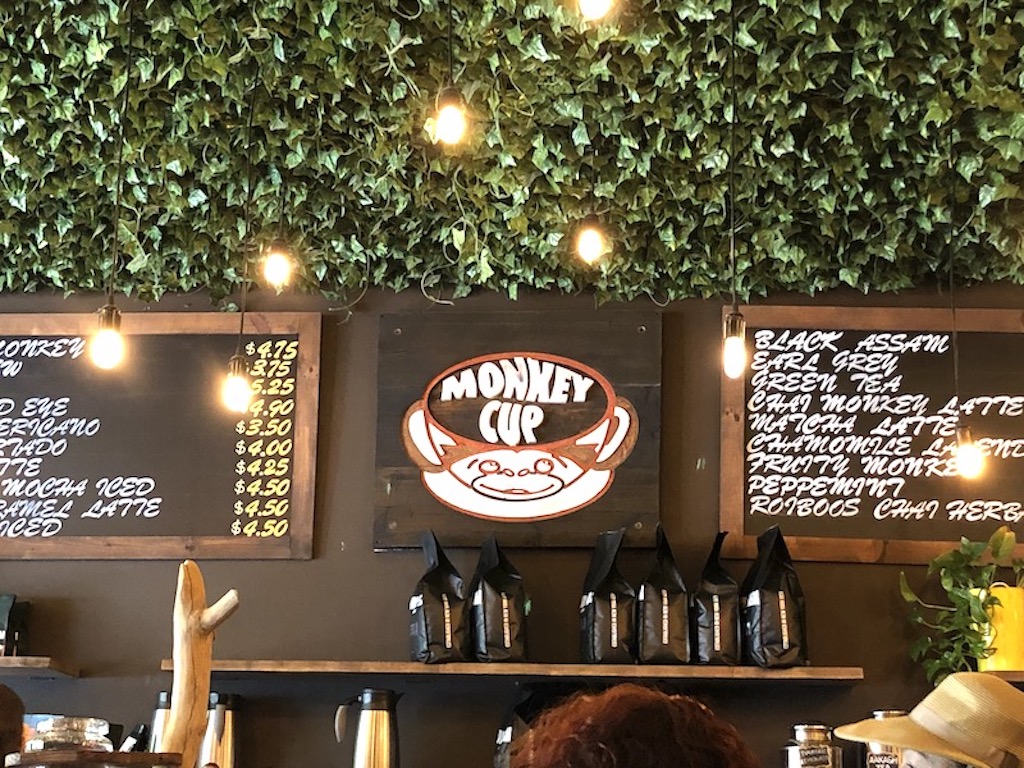
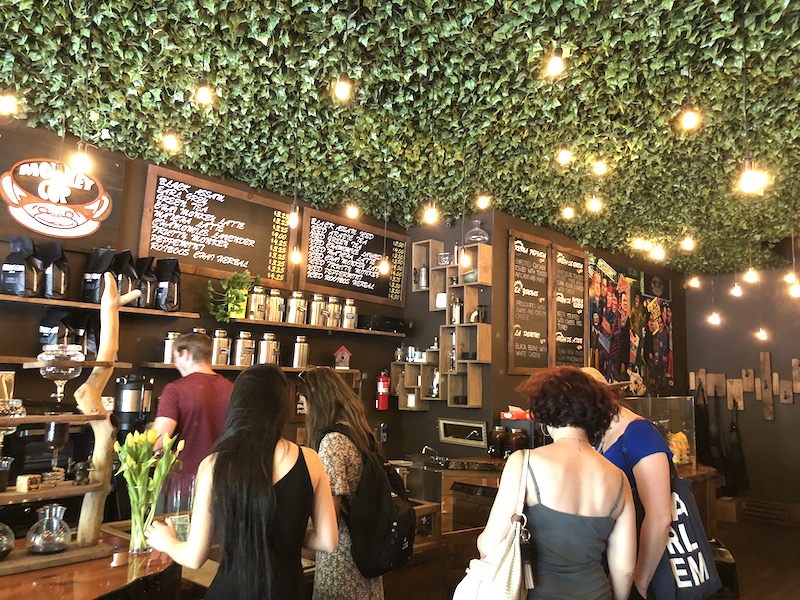
Inside, the Monkey Cup logo brings a playful charm. Order a cappuccino or latte, and you’ll often get a fun monkey-shaped latte art on your foam — made by skilled baristas who serve strong, bold coffee.

Bright, Nature-Inspired Design

The Monkey Cupカフェの内装とロゴの画像

The interior design is one of the most striking features of The Monkey Cup:

  • Ceiling covered in greenery (not real plants, but beautifully arranged)
  • Warm yellow lights scattered like stars
  • Wooden tables and walls that bring a sense of nature and calm
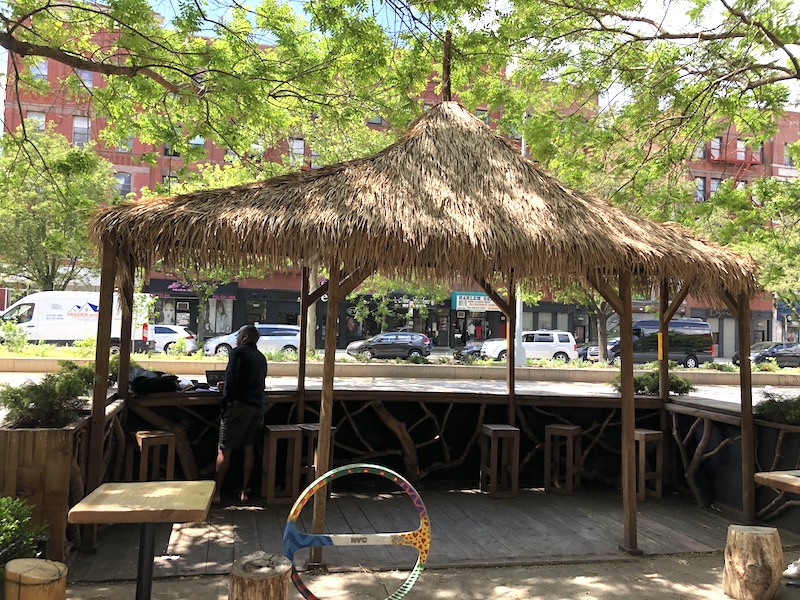
The Monkey Cupの外にあるテラスの画像

The space feels almost like a library, with tables arranged for reading and writing. It’s the kind of place where you can spend hours studying, journaling, or working on creative projects.

Even for interior design lovers, the details are worth noting. The wooden shelves, natural textures, and carefully selected décor pieces give the space a relaxing, organic feel.

The Monkey Cupの内側の写真。内装が非常に可愛い。

No Wi-Fi Policy

One of the boldest things about The Monkey Cup is that there’s no Wi-Fi.

A sign inside says:

“Sorry, no Wi-Fi. Read a book. Make a friend!”

This clear policy sets it apart from many cafés in New York. Instead of encouraging laptops and endless online time, it fosters reading, real conversations, and mindfulness.

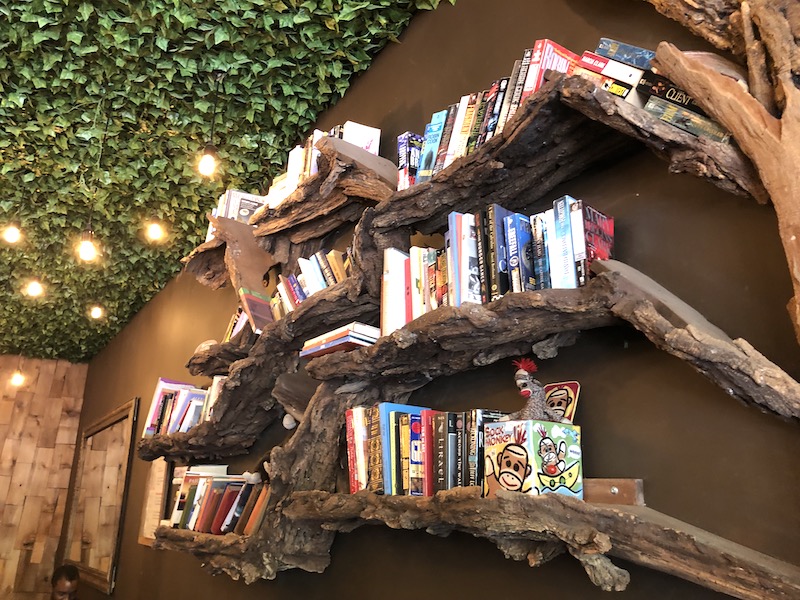
And yes, there are plenty of books available on the shelves — from philosophy texts to vintage novels. Some even have old cloth covers you’d usually only see in libraries or antique bookstores. Guests are welcome to pick them up and read.

The Monkey Cupの内装 本棚のインテリの画像

A Space That Inspires Productivity

I spent several hours here after meeting a friend, and it turned out to be an incredibly productive writing session. Without the distraction of Wi-Fi, I was able to focus deeply on my work.

For writers, readers, and students, this café offers the perfect environment to dive into your projects.

Final Thoughts

If you’re looking for a café in New York that’s not just about coffee but also about creating a thoughtful, mindful atmosphere, The Monkey Cup in Harlem is a must-visit.

Return to Home
Transform Your Financial Mindset: Warren Buffett’s Recommended Book

Transform Your Financial Mindset: Warren Buffett’s Recommended Book

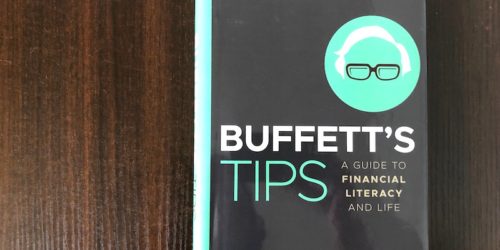
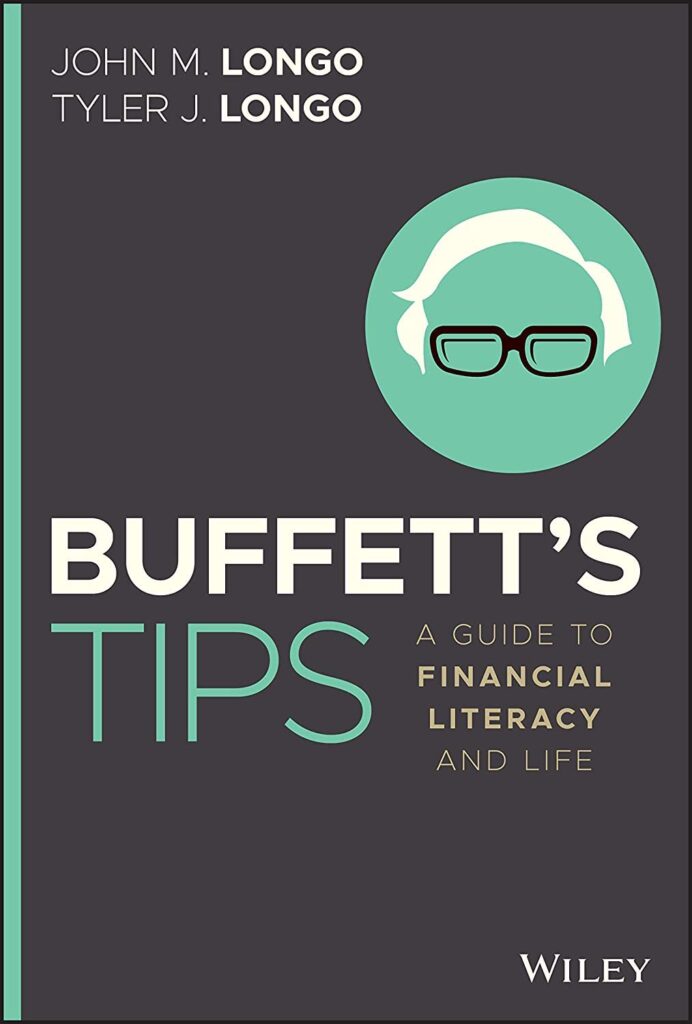
warren buffet book

Estimated reading time: 4 minutes

This book is especially relevant in today’s world of rising inflation, where saving in banks barely grows your money, yet prices keep climbing. And no—it’s not about quick money. It’s about preparing for a secure financial future from Warren Buffett’s perspective. Get this book at Amazon

Why Warren Buffett?

Warren Buffett is one of the most respected investors in the world. Some might call him a “finance nerd”—and that’s a compliment!

  • From a young age, Buffett loved numbers and started investing as a teenager using his earnings from newspaper deliveries.
  • Famous childhood stories include selling lemonade to earn extra money.
  • His lifelong passions: working hard and reading extensively.

Even today, Buffett’s lifestyle remains frugal:

  • Breakfast at McDonald’s
  • Living in a modest house
  • Investing wisely rather than indulging in luxury

Despite holding stocks like Apple, he prefers simple phones. He believes in smart financial decisions over flashy lifestyles.

Buffett’s Humor & Philanthropy

Buffett is known for his wit, always giving funny and clever answers to questions.

Key fact: He donates nearly 90% of his investment income, showing that he values purpose over luxury.

His study at Dale Carnegie’s school helped him develop interpersonal and leadership skills, which contributed to his success.

Education & Income: Buffett’s View

Buffett emphasizes the importance of education:

“The higher the degree, the higher the potential income.”

In the U.S., many adults return to college later in life because higher education improves job opportunities. Only a small number succeed without a degree.

Become a Philanthropist

Buffett is also a famous philanthropist, as is Sarah Cooper Hewitt, who supports communities like New York City. Learning from these figures helps us see beyond personal wealth and understand the impact of our financial decisions.

Why This Book Is Fascinating

Many imagine investors living carefree, extravagant lives. In reality:

  • Successful investors live disciplined lives
  • They are diligent workers
  • They value learning and preparation

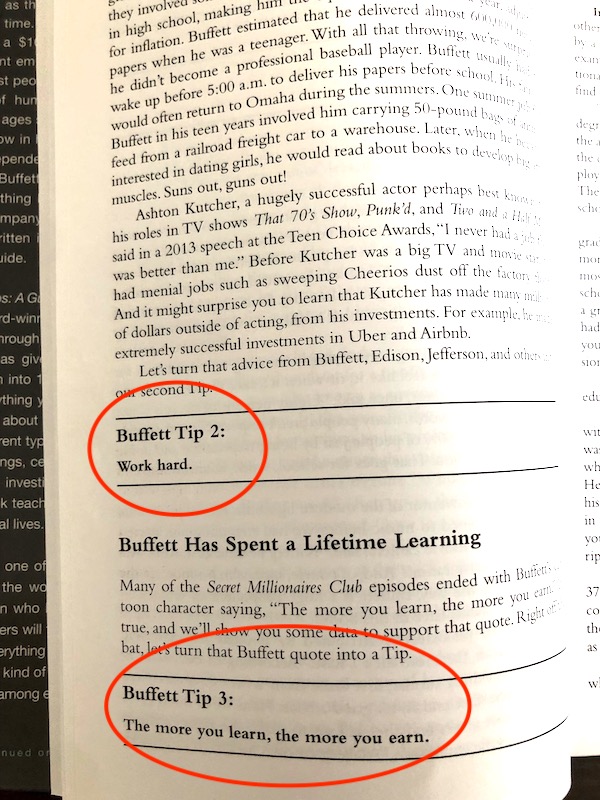
“Work hard. The more you learn, the more you earn.” — Warren Buffett

ウォーレンバフェットの本の中身の写真

Learning more today increases your future financial potential.

The book also includes Buffett’s tips in easy-to-follow sections, written by a Columbia University PhD in business. Buffett himself is a Columbia alum, so the advice is backed by experience and research.

A Word About Investment Sections

The middle of the book can be complex, as it discusses investment strategies. Individual investors need to evaluate companies based on financial performance and market trends.

  • Beginners using Vanguard or company pension plans can skip these sections.
  • For future individual investors, it’s a chance to understand Buffett’s thought process.

Dale Carnegie’s Influence

Buffett studied at Dale Carnegie Academy to improve:

  • Communication skills
  • Human interaction
  • Trust-building

Carnegie’s books remain essential reading to understand Buffett’s approach to personal and professional relationships.

Summary

Buffett’s Tips: A Guide To Financial Literacy is a must-read for anyone wanting to:

  • Rethink their financial mindset
  • Learn disciplined investing habits
  • Prepare for a secure financial future

Whether you’re saving, investing, or planning your life, this book provides practical advice inspired by one of the world’s greatest investors. Start reading today and change how you view money and work!

Return to Home
Why You’ll Love Living in Queens, New York

Why You’ll Love Living in Queens, New York

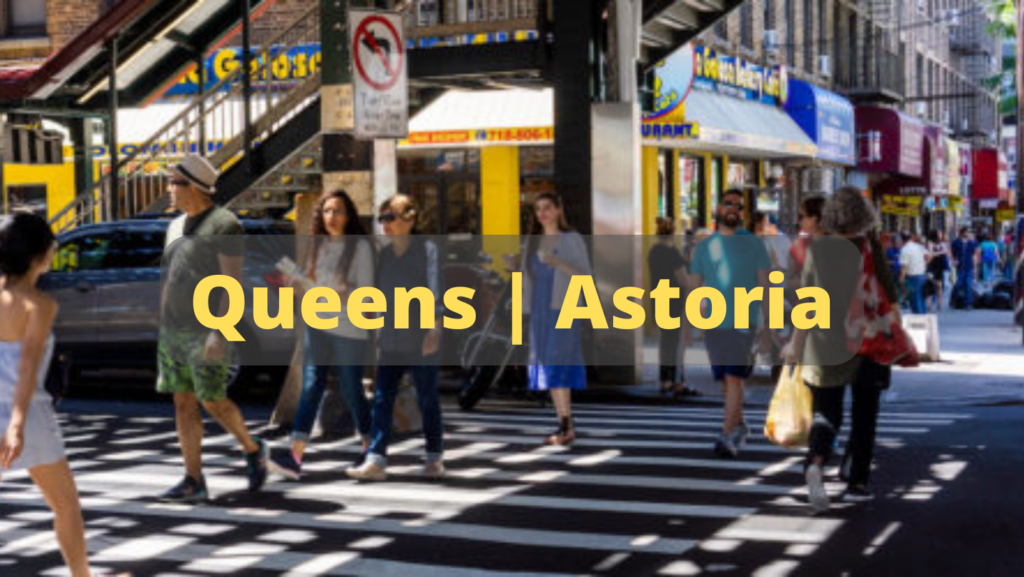
queens astoria living

Estimated reading time: 3 minutes

Are you looking for the perfect place to live in New York City? Queens might just be the hidden gem you’ve been searching for. With its incredible cultural diversity, mouthwatering food, excellent public transit, and livable neighborhoods, Queens is quickly becoming one of the most desirable boroughs in NYC.’

In this guide, we’ll explore all the reasons why living in Queens in 2024 is a smart and exciting choice.

A Culturally Rich and Welcoming Community

Queens is known as one of the most diverse places on Earth. More than 100 nationalities are represented here, creating a vibrant multicultural atmosphere where different languages, traditions, and festivals coexist.

Whether you’re attending a Colombian street fair, a Korean cultural parade, or a Diwali celebration, you’ll experience a global community right outside your door.

A Food Lover’s Paradise

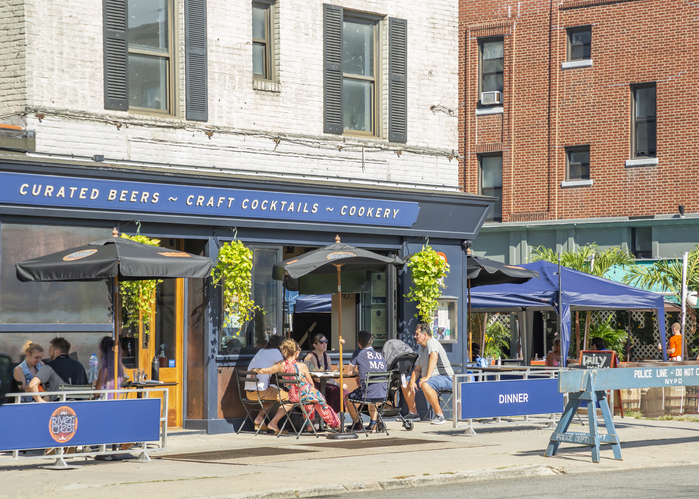
クイーンズにあるレストラン

If you love trying different cuisines, Queens will feel like heaven. It’s one of NYC’s top foodie destinations. From authentic ethnic eats to trendy cafés, the culinary scene is endlessly exciting.

  • Astoria: Famous for its Greek tavernas and Mediterranean fare
  • Flushing: A hub for some of the best Chinese food in the city
  • Jackson Heights: A must-visit for Indian, Bangladeshi, and Nepalese cuisine

Convenient Transportation Across NYC

One of the biggest perks of living in Queens is how easy it is to get around. With multiple subway and bus lines connecting to Manhattan, Brooklyn, and the Bronx, commuting is surprisingly smooth.

Plus, Queens is home to both LaGuardia Airport (LGA) and JFK International Airport, making it a top choice for frequent travelers.

Green Spaces and Outdoor Fun

Nature lovers, rejoice! Queens offers ample green space for relaxation and recreation. Highlights include:

  • Flushing Meadows-Corona Park: A massive park perfect for picnics, sports, and weekend strolls
  • Gantry Plaza State Park: Offers stunning skyline views along the East River—a favorite for sunset dates and quiet afternoons

These outdoor spots provide a refreshing escape from the urban hustle.

Comfortable and Affordable Living

クイーンズのイメージ画像

From sleek new high-rises to charming older homes, Queens has housing options for every budget and lifestyle. Compared to Manhattan and Brooklyn, rent prices in Queens tend to be more affordable, without sacrificing convenience or quality of life.

Whether you’re a student, a young professional, or a family, there’s a neighborhood in Queens that fits your needs.

Final Thoughts

Living in Queens means experiencing the very best of New York—diversity, food, community, and comfort—all in one place. If you’re considering a move, this borough offers an unbeatable balance of city life and livability.

Explore Queens for yourself—you just might fall in love.

Back to Home

Health Insurance in the U.S.: What Artist Visa Holders Need to Know

Health Insurance in the U.S.: What Artist Visa Holders Need to Know

USA_insurance1

Estimated reading time: 4 minutes

If you’ve just received your O-1 Artist Visa in the United States, congratulations! But before you dive into your creative journey, there’s something essential you need to understand—health insurance in America. Medical costs in the U.S. are among the highest in the world, and having proper coverage isn’t just a recommendation, it’s a necessity.

In this article, I’ll explain why insurance is so important for artist visa holders, what options are available, and how you can protect yourself while living in the U.S.

What Is an Artist Visa (O-1 Visa)?

The O-1 visa, commonly called an artist visa, is granted to individuals with extraordinary ability in the arts, music, film, design, or other creative fields. Unlike H-1B workers, most O-1 visa holders do not automatically receive health insurance from an employer, which means you need to arrange coverage on your own.

Do Visa Sponsors or Employers Cover Health Insurance?

In short—rarely.
Unlike in some countries, U.S. employers are not always required to provide health insurance, especially for freelancers or artists on O-1 visas. Even middle-class Americans often don’t have employer-covered insurance, so it’s up to you to secure your own plan.

The Reality of U.S. Medical Costs

American healthcare is world-class in quality—but also world-class in cost. Here are some average expenses without insurance:

  • Ambulance ride: $1,000+ (over ¥100,000)
  • Surgery: $3,000+ (over ¥300,000)
  • Doctor’s visit: $200–$300 (¥20,000–¥30,000)

For an uninsured artist, one accident or emergency could lead to overwhelming debt.

My Personal Experience With U.S. Healthcare

When I was misdiagnosed with glaucoma by a doctor in Japan, it was only at Mount Sinai Hospital in New York that I received the correct diagnosis—retinal detachment. Thanks to skilled specialists and advanced technology, I received proper treatment and recovered.

This experience showed me that while costly, U.S. healthcare can be more accurate and reliable in certain situations.

Health Insurance Options for Artist Visa Holders

If you’re a student, or even a freelancer with an O-1 visa, you’ll likely need to explore private health insurance. One reliable option is ISO International Student Insurance, which also offers plans for non-students.

Example Coverage I’ve Used:

  • Retinal detachment surgery: $3,000+ covered
  • Women’s health exams
  • Emergency medical care: $1,000+ covered

ISO Monthly Premiums:

  • Ages 20–24: $79/month
  • Ages 25–29: $89/month
  • Ages 30+: $119/month

Plans can be paid quarterly or annually, and may even help with tax deductions.

Is Health Insurance Really Necessary in New York?

Absolutely.
Living in New York means unexpected things can happen—accidents, sudden illnesses, or even health risks from diet and lifestyle. Without insurance, the financial burden can be devastating. Think of health insurance as your safety net and peace of mind.

How to Enroll in ISO Insurance

  1. Visit the ISO website.
  2. Select “Non-student” if you hold an O-1 artist visa.
  3. Enter your age to see monthly rates.
  4. Choose and purchase your plan online.

Final Thoughts

For O-1 artist visa holders in the U.S., securing health insurance is not optional—it’s essential. While ISO is one recommended option, compare different plans to find what best suits your budget and needs.

Your health is the foundation of your artistic journey—don’t risk it by going uninsured.

Back to Home

Motsunabe Kimura in New York: The Best Winter Comfort Food to Warm You Up

Motsunabe Kimura: The Ultimate Winter Comfort Food in New York

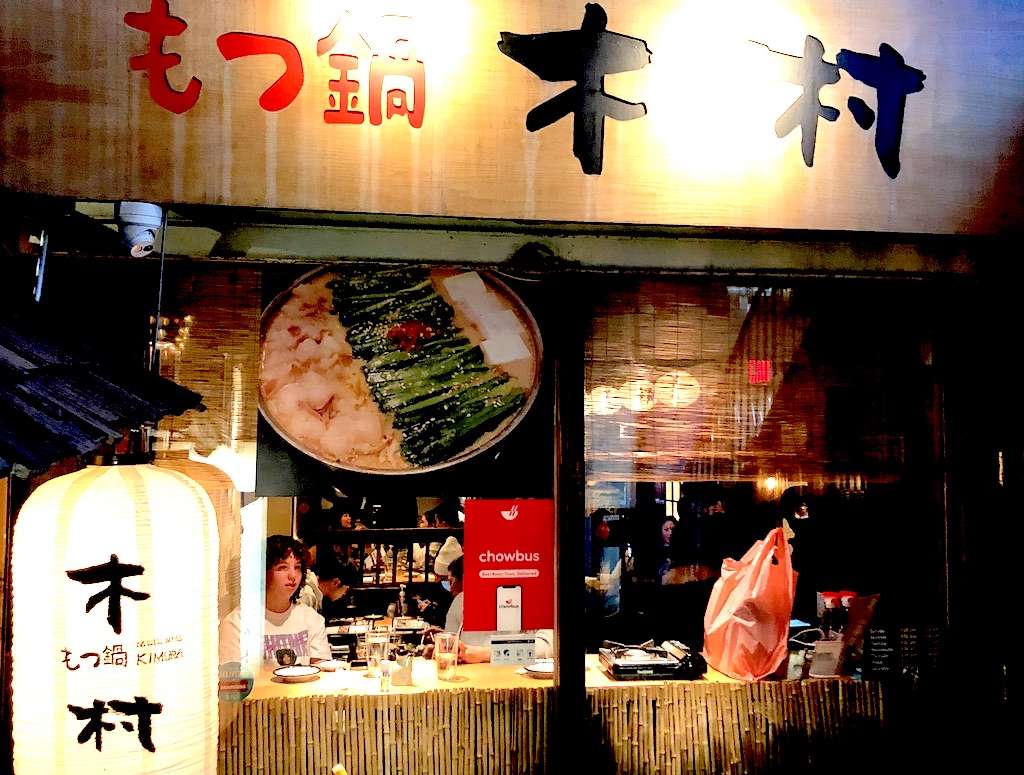
もつ鍋木村の外観の写真です
outside of the restaurant

Visiting Motsunabe Kimura in New York is a must, especially on those chilly winter nights. With temperatures dropping to as low as -11°C (12°F), we decided to warm up with one of Japan’s most beloved winter dishes – motsunabe.

If you’re in New York City and craving an authentic hot pot experience, Motsunabe Kimura in the East Village is the perfect spot to enjoy this delicious and comforting dish. Though Hakata Tonton also offers great motsunabe, Kimura brings something extra to the table!

Motsunabe Kimura Website

The Cozy Ambiance of Motsunabe Kimura

Walking into Motsunabe Kimura, you’re greeted with a nostalgic atmosphere that takes you straight to Japan. The bright lights, retro Japanese signage, and cozy, intimate setting are perfect for enjoying a traditional Japanese meal.

Despite the freezing temperatures outside, we opted for outdoor seating. While it did get a bit chilly without a heater at our feet, the comfort of hot, steamy motsunabe made it all worth it.

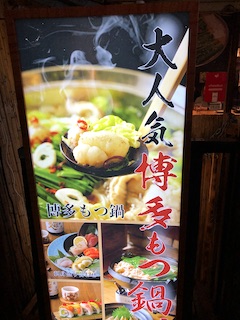
もつ鍋木村の看板です。
外の屋台テーブル
Image of the outdoor tables at Motsunabe Kimura

A Taste of Japan’s Best Hot Pots

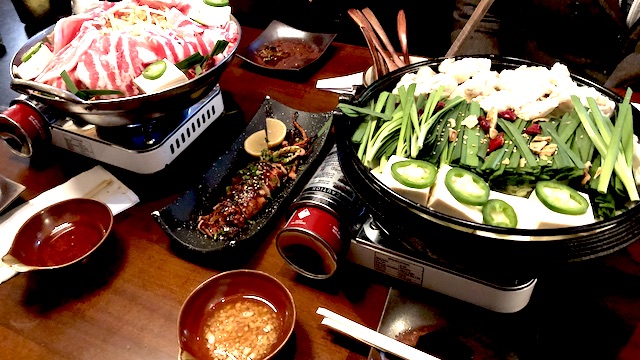
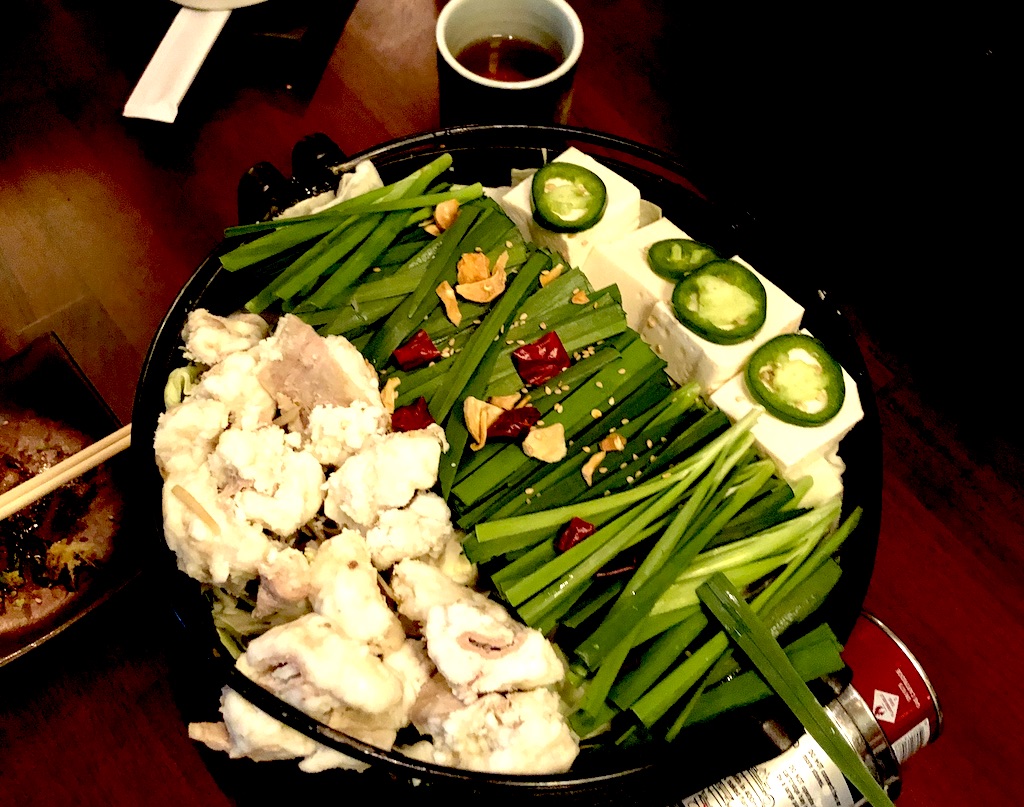
At Motsunabe Kimura, the menu offers a variety of dishes, but their Hakata motsunabe and black pork hot pot are truly standouts. We also tried the grilled squid and marinated mackerel, which were cooked to perfection and paired wonderfully with the hot pots.

Here are the highlights of the dishes we enjoyed:

  • Black Pork Hot Pot: A rich and flavorful hot pot featuring tender pork that melts in your mouth.
  • Hakata Motsunabe: A classic, hearty dish with tender beef tripe, rich broth, and an assortment of vegetables.
  • Grilled Squid: A simple but flavorful dish, perfect for sharing.
  • Marinated Mackerel: A deliciously fresh fish option that balances out the rich flavors of the hot pot.
Black Pork Hot Pot
Hakata Motsunabe
Motsu-Pork_eye_catch

Why Motsunabe Kimura is Worth the Visit

Motsunabe is not just a meal; it’s an experience, especially when enjoyed in such an authentic setting. The restaurant’s commitment to using high-quality ingredients and traditional Japanese techniques sets it apart from other restaurants in New York’s East Village. Whether you’re a fan of motsunabe or trying it for the first time, Kimura’s version will surely impress.

Conveniently located on St. Marks Place in the East Village, this cozy restaurant is easy to find. With its unique flavors and traditional atmosphere, it’s no wonder Kimura is a favorite among locals and tourists alike.

Tip: Make a Reservation in Advance

Due to its popularity, Motsunabe Kimura tends to get crowded, especially during the colder months when everyone craves a warm bowl of motsunabe. To avoid waiting, it’s best to make a reservation ahead of time.

Final Thoughts: A Perfect Winter Spot in New York

If you’re visiting New York in the winter and want to experience authentic Japanese comfort food, Motsunabe Kimura is a must-try. The Hakata motsunabe and black pork hot pot are perfect for those cold nights, and the atmosphere will make you feel like you’re dining in Japan. Don’t forget to compare Kimura’s motsunabe with other top spots like Hakata Tonton for a full taste of New York’s Japanese hot pot scene.

Back to Home

Introduction to Tara Westover’s Memoir – “Educated”

Introduction to Tara Westover’s Memoir – “Educated”

Hello, this is Maegami from the blog “Megami’s Fringes”. In today’s post, I’m introducing an essential read for anyone interested in stories about overcoming adversity and the challenges of education: Educated: A Memoir by Tara Westover. Published in 2018, this memoir has captured attention worldwide, even earning praise from figures like Bill Gates and Oprah Winfrey. If you’re looking for a compelling read, Educated will undoubtedly keep you hooked until the last page.

Estimated reading time: 5 minutes

About the Book

Tara Westover’s memoir Educated follows her journey from growing up in rural Idaho in a strict Mormon family to ultimately earning a PhD from the University of Cambridge. Her family’s isolated lifestyle – far removed from formal education- meant she had no access to school until much later in life. Despite this, Tara managed to break free from the constraints of her upbringing and pursue knowledge at all costs. This book not only covers her personal growth but also reflects on broader societal issues such as educational inequality and the polarization within America.

Book Cover and Design

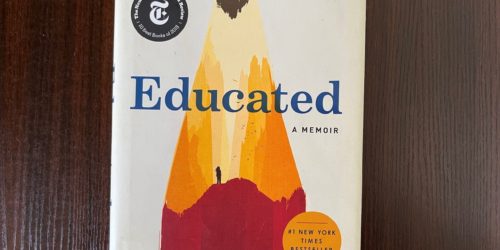
The cover of Educated was designed by Patrick Svensson. The simple yet powerful design encapsulates the essence of the book, symbolizing Tara’s journey toward enlightenment in a world where knowledge and freedom were severely restricted.

Why I Decided to Read It

I first picked up Educated during the 2020 pandemic, just before the U.S. presidential elections. Tara’s captivating storytelling drew me in from the very first page, and I couldn’t put it down. Her writing is clear, evocative, and engaging, making her experiences come alive on the page.

Summary of the Memoir

Family and Early Life

The first chapter introduces Tara’s father, whose strong religious convictions and dedication to self-sufficiency shaped her entire childhood. Raised in the rugged mountains of Idaho, her life was dictated by Mormon teachings and her father’s extreme beliefs, which included avoiding mainstream education and medical care.

Educational Inequality and the Mormon Influence

Tara’s education was limited by her family’s strict adherence to Mormonism. Her parents didn’t allow her to attend school. Rather she had to learn how to work with her hands, focused on survival skills rather than academics. The book explores the tension between religious beliefs and the necessity of a formal education.

Tara’s Relationship with Her Brother

Tara’s relationship with her brother is important in this story. He played a key role in both her isolation and eventual escape from her family’s restrictive beliefs. As their paths diverged, so did their differing understandings of freedom and knowledge.

Tara’s Writing Style

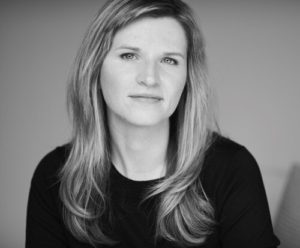
タラ ウエストオーバーのプロファイル画像
Tara Westover’s website

Tara Westover’s writing is deeply poetic, yet clear in its explanations. She has the rare ability to evoke powerful imagery while still making the narrative accessible. Her descriptions of the isolated world she grew up in feel authentic and vivid, helping readers understand the stark differences between her upbringing and the world most of us know.

Educational Inequality and America’s Polarization

Reflections on America’s Political Divide

The book takes a profound look at the social divisions in America. Tara’s story allows readers to understand the deepening educational and ideological polarization that characterizes American society today. Her childhood in rural Idaho contrasts sharply with the liberal, progressive culture of cities like New York. Tara’s observations bring a new perspective on the cultural divide -particularly the tensions between rural conservatism and urban liberalism.

New York vs. Idaho: A Contrast in Perspectives

Tara’s upbringing in Idaho was worlds apart from the urban and cosmopolitan environment of New York City. While New York represents progressive, open-minded ideals, her childhood was defined by a closed-off, religiously-driven environment. Tara’s reflections on this contrast help us see how different environments shape one’s worldview—and how we may sometimes view the world through a narrow lens based on where we live.

Tara’s Perspective on Liberalism and Success

In an interview, Tara was asked whether she thought people from rural Idaho had a narrow worldview. Her response was eye-opening: “I think the narrowest-minded people live in New York.” She was referring to how those who live in liberal, successful circles may often lack an understanding of the struggles faced by people outside their bubble, which is a sharp critique of the elite’s understanding of broader societal issues.

Conclusion

Educated: A Memoir is more than just a personal story—it’s a profound commentary on educational disparity and the divide between America’s urban and rural populations. Tara Westover’s journey is one of resilience, but also a critical lens through which to examine larger societal problems. This memoir is a must-read for anyone interested in understanding the complexities of education, family dynamics, and the broader American experience.

If you’re interested in learning more about Tara’s story and the themes of educational inequality, I highly recommend picking up Educated today. You won’t regret it!

Back to Home