Monthly Archives: August 2022

artist visa image

Artist Visa Extension: A Story of Perseverance
Artist Visa Extension: A Story of Perseverance

artist visa image

An Italian artist successfully extended her O-1 visa for 3 years with my support. But the pandemic, NYC lockdowns, and rising living costs changed everything. Here’s her story and what it reveals about life and visas in New York.

How It All Started

In early January and February 2020, I was helping an Italian friend prepare her O-1 Artist Visa extension. She had already submitted her documents through an immigration lawyer, but unfortunately, she received a request for additional evidence from USCIS.

We spent hours meeting in cafés, carefully organizing her paperwork. Finally, after weeks of effort, her 3-year O-1 extension was approved.

Then the Pandemic Hit

Just a month later, in March 2020, New York City went into lockdown due to COVID-19. My friend stayed in Manhattan for a while, but living alone during such a strict lockdown became unbearable. Eventually, she made the difficult decision to return to Italy.

Visa Interviews Canceled in Europe

Back in Italy, she faced another challenge: visa interviews. Although she scheduled an appointment at the U.S. consulate, it was repeatedly delayed and eventually canceled due to the pandemic.

By the time her visa was expiring, she still hadn’t been able to attend an interview—leaving her unable to return to New York.

Safety Concerns in New York

Another factor was the decline in safety in NYC.

She had lived alone in the East Village, but during the lockdown, the city’s atmosphere changed. Mental health patients were released from prisons during the pandemic, and the streets of Lower East Side saw more homelessness and instability.

This made her hesitant to move back, even though she missed the city deeply.

What Happened to Her Extended Visa?

Her extended O-1 visa was valid until winter 2022. But when I asked her if she planned to return, she said it wasn’t realistic.

Why? Because she would need to find a new apartment in a city where inflation had driven rents sky-high. The cost of living in New York made it impossible for her at that time.

Still Dreaming of Returning to New York

Despite these struggles, she still hopes to return to New York someday. She told me that no city feels as free as New York. Compared to Italy—and even Japan—New York represents freedom and individuality.

But to live here again, she’ll need to secure either another visa or permanent residency. Every step on that journey feels like a crossroads, where one decision can change the entire course of life.

Final Thought

This story shows the bittersweet reality of the O-1 Artist Visa. My friend succeeded in extending her visa for 3 years, but the pandemic and rising costs prevented her from returning.

Still, her love for New York remains strong. I hope one day she’ll come back—and when she does, I’ll be ready to help her again.

Return to Home
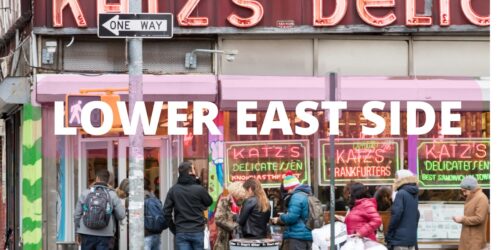
Lover East side cover image

I Want to Live in Lower East Side: A Local’s Insight

I Want to Live in Lower East Side: A Local’s Insight

Estimated reading time: 5 minutes

I lived in the Lower East Side (LES) of Manhattan for about ten years. On a personal note, this neighborhood was one of the best places for pursuing music. In this post, I’ll share the highlights of living in the Lower East Side and why I recommend it.

One of the best things? You can live here almost without needing the subway if you use a bike or take a walk—everything is within walking distance.

Where is the Lower East Side?

The Lower East Side (LES) is a neighborhood located in downtown Manhattan, New York City, on the east side of the island. It’s a compact but culturally rich area, known for its immigrant history, music venues, and vibrant lifestyle.

The History of the Lower East Side

What makes the Lower East Side fascinating is its history. This was the first neighborhood where immigrants settled in New York. At one point, nearly 6,000 people lived crammed into this small district. Families shared communal bathrooms, washrooms, and kitchens. Infrastructure was poor, and sanitation was a major issue.

Waves of Immigration

  • Early arrivals: Germans and Irish
  • Later: Jewish, Italian, and other Europeans
  • Post-WWII: Puerto Ricans and Chinese

Over time, immigrants spread out. Germans moved to the Upper East Side, Italians built Little Italy, and the Chinese community established Chinatown.

The Birthplace of American Musical Theater

After the Germans, Jewish immigrants came and played a key role in shaping New York’s culture. They were the ones who created the very first Broadway musicals. Irving Berlin, George Gershwin, and many others came from this area. This neighborhood also gave birth to Tin Pan Alley, where sheet music publishing started—making LES a cornerstone of American music history.

If you’re curious about immigrant life back then, I highly recommend visiting the Tenement Museum.

Music Venues in the Lower East Side

The Lower East Side is still known for its live music scene. Popular venues include:

  • PIANOS – where up-and-coming bands perform and young crowds gather.
  • The Living Room – a legendary venue (now closed) where Norah Jones began her career.

Many live houses and lounges attract musicians, artists, and creators. My own creative career also started right here in LES.

Essex Market – A Local Favorite

When I lived in the Lower East Side, the old Essex Market was still around. Today, the new building has opened across the street, but many of the longtime vendors remain. You can find fresh fish, local coffee, cheese, bread, and all kinds of specialty items.

It’s one of the best places to shop like a local.

Iconic Shops and Culture

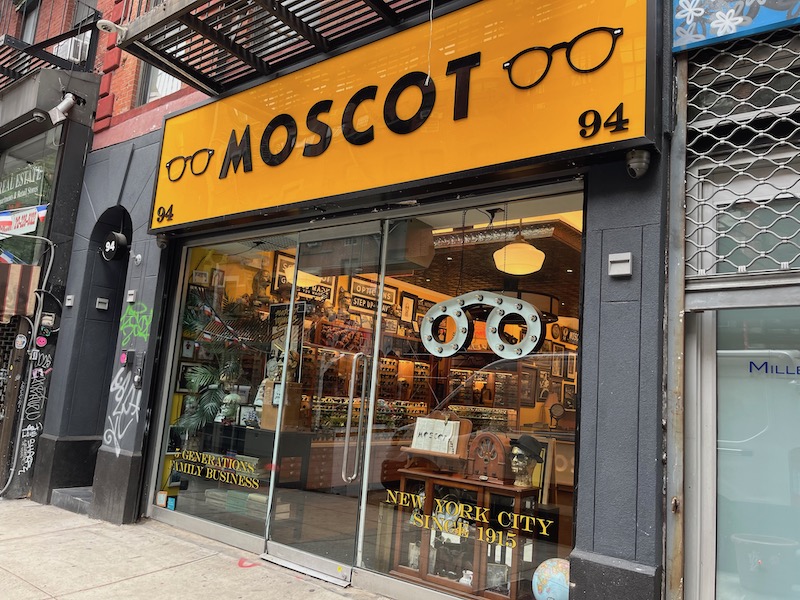
The Lower East Side has long been home to unique businesses. For example, the famous 1915 eyewear shop—once frequented by Allen Ginsberg and John Lennon—was founded by Jewish immigrants from Belarus. Their stylish black-rimmed frames became iconic thanks to this shop.

Proximity to Chinatown

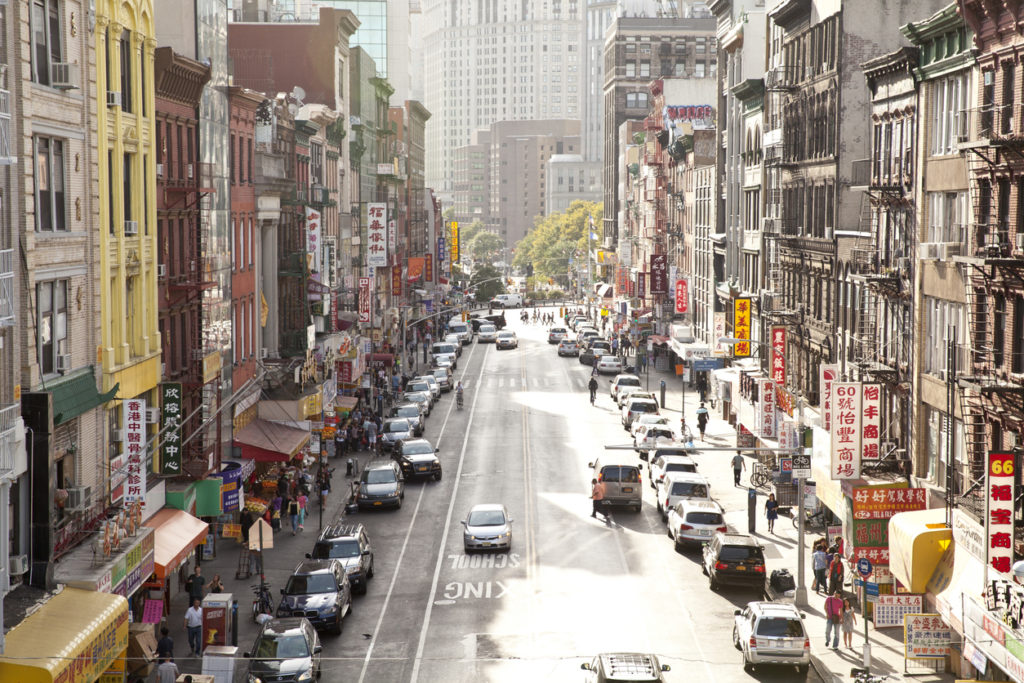
One of the great things about LES is its walking distance to Chinatown. You can easily shop for Asian ingredients, or grab delicious Chinese, Vietnamese, or other Asian food. There are even some amazing pho restaurants just around the corner.

Close to Brooklyn Too

The Lower East Side is also very close to Brooklyn. Whether by bike or just crossing a bridge, it’s easy to go back and forth. If you work in Manhattan but love Brooklyn’s vibe, LES is the perfect spot to live.

Transportation is also convenient—late at night you can still easily catch a Yellow taxi, making it a safe and practical neighborhood for creatives and night owls.

Conclusion

Living in the Lower East Side was one of the best decisions I ever made. I walked everywhere, from East Village to cozy cafés, music venues, and Chinatown. It’s a neighborhood full of history, creativity, and convenience.

If you’re moving to New York or just curious about its neighborhoods, I highly recommend experiencing life in the Lower East Side.

Back to Home