
Daily Archives: 08/05/2022

opt image picture

Get a Job in New York with OPT: A Guide for International Students

Get a Job in New York with OPT: A Guide for International Students

opt image picture

Studying abroad in the United States comes with a unique opportunity: after graduation, international students can work legally for one year through OPT (Optional Practical Training). This system allows you to gain real work experience in America, earn income in dollars, and prepare for your future career path.

Estimated reading time: 4 minutes

In this blog, we’ll explain what OPT is, how to apply, and how you can make the most of it to jump-start your career in New York or anywhere in the U.S.

What is OPT?

OPT is a special benefit for students holding an F-1 visa. After completing a degree—whether from a language school, community college, four-year university, or graduate program—you can switch to OPT. It’s optional, meaning you can either continue your studies or choose to work for one year after graduation.

Who Handles the OPT Application?

The process is simple compared to other U.S. work visas. Unlike H-1B or O-1 visas that require an immigration lawyer, most universities assist students directly with their OPT application.

Here’s how it works:

  • Your I-20 form (a crucial document for F-1 visa holders) will be updated for OPT.
  • You’ll then receive an Employment Authorization Card (EAD) from U.S. Citizenship and Immigration Services.
  • With the EAD card, you can start working in the U.S. legally.

Benefits of OPT

OPT offers international students incredible advantages:

  • Hands-on experience in the American workplace.
  • Earning U.S. dollars, which can also help you save money.
  • Career development, as real-world work experience strengthens your resume.

This year-long period can also give you time to think about your next step—whether that’s pursuing another degree or seeking long-term visa sponsorship.

Making the Most of OPT

an image of a work permission card during OPT

During OPT, you must work in a field related to your degree. For example:

  • A graduate in graphic design can start with internships at design firms.
  • A student who studied hospitality management may work at a hotel, restaurant, or bar.

The key is to focus on roles that align with your career goals. Working in unrelated jobs (like waiting tables in a Japanese restaurant without a hospitality degree) may not help your career trajectory.

A Smart Strategy for Students

For those worried about costs, consider starting with a two-year community college, then using OPT to gain work experience. Shared housing and budget living can make this path more affordable, even in New York.

With the Japanese yen weaker, earning in U.S. dollars during OPT can be a smart financial and career move.

Conclusion

OPT is more than just a one-year work permit—it’s the first step toward building your career in America. By gaining practical experience, earning in dollars, and proving your skills, you open the door to future opportunities, including long-term employment and visa sponsorship.

If studying abroad in the U.S. is your dream, remember: after graduation, you can use OPT to get a job in New York and beyond.

Return to Home

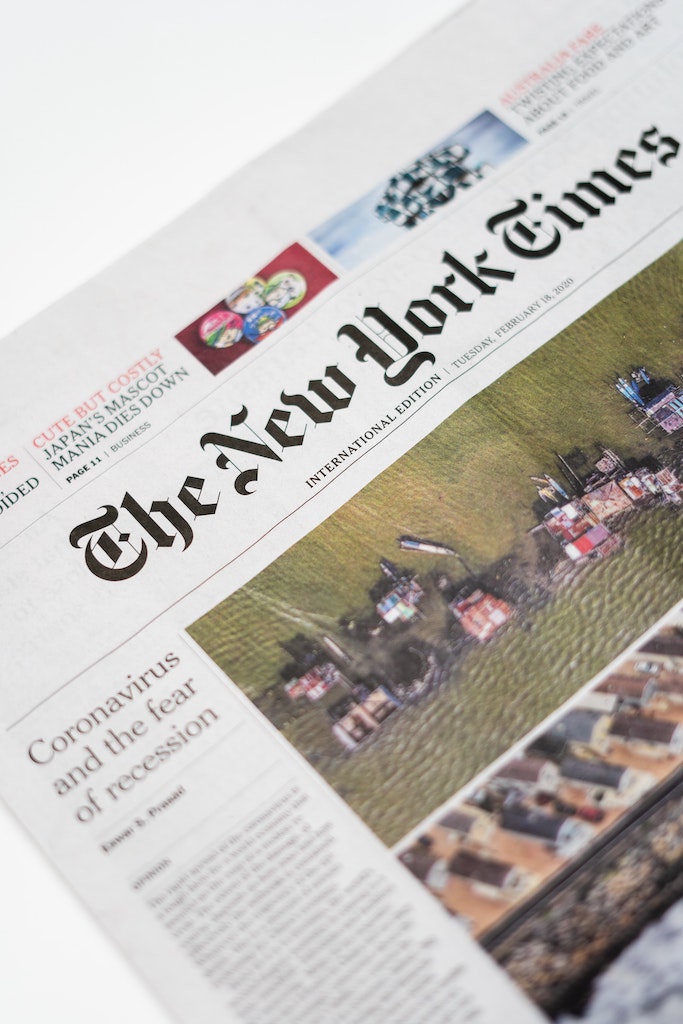
new york times image

How to Study English with The New York Times: Build Your English Brain

How to Study English with The New York Times: Build Your English Brain

new york times image

Estimated reading time: 4 minutes

Discover how to study English effectively by reading The New York Times. Learn practical tips on improving reading skills, building vocabulary, and training your “English brain” while enjoying real news and culture.

Why Reading The New York Times Helps You Learn English

How do you usually study English? Many Japanese learners start with Japanese textbooks, but relying only on them rarely builds an “English brain.”

The fastest way to think in English is to read authentic English content every day. Don’t worry about understanding everything perfectly. Start with small sections, and you’ll naturally improve. That’s why The New York Times is one of the best resources for learners.

Why Choose The New York Times for English Study?

  • Trusted source: Unlike much of today’s social media, The New York Times fact-checks its articles, making it reliable.
  • Rich vocabulary: Articles expose you to advanced English expressions and current events.
  • Global perspective: You’ll learn about politics, economics, culture, and lifestyle directly from an international viewpoint.

Common Struggles for Japanese Learners

Many learners feel they must read every word from beginning to end. They stop too often to check vocabulary, losing the overall meaning.

The key: focus on main ideas, not every single word.
For The New York Times, the first two paragraphs usually contain the most important information, and the final paragraph offers a summary.

Tips for Reading The New York Times as an English Learne

1. Don’t Read Everything at Once

Even native speakers don’t read every article in full. Choose just one article that interests you—arts, food, lifestyle, or global news—and focus only on the introduction and conclusion.

2. Limit Vocabulary Lookups

Don’t look up every unknown word. Instead, guess the meaning from context. After finishing, check only five new words per article. Write them in a notebook and review them later.

3. Summarize in Your Own Words

After reading, write a short summary (1–5 sentences) in English or Japanese. This helps confirm what you understood and improves memory retention.

4. Treat English as a Tool, Not a Subject

English is not just something to “study”—it’s a tool to access global information. When you think of it this way, reading becomes part of your daily life rather than a heavy task.

Easy Sections to Start With

www.nytimes.com
  • Arts & Culture: Easier vocabulary, fun topics.
  • Food & Lifestyle: Practical, everyday words.
  • Opinion Columns: Great for learning argument structures.

These sections are more approachable and help you stay motivated.

Practical Study Routine

  1. Pick one article from nytimes.com
  2. Read the first 2 paragraphs + last paragraph
  3. Highlight key sentences
  4. Note 5 new words
  5. Summarize in your own words

Repeat daily, and you’ll see progress in both reading speed and vocabulary.

Final Thoughts

Reading The New York Times is one of the best ways to train your English brain. It’s also practical—articles are free for up to 10 per month, or you can subscribe for $17/month.

This method is also used in ESL classes, TOEFL prep, and universities in the U.S. Start today, and make English a natural part of your life.

Return to Home