ABRSM Piano Exam: How It Enhances Applications

ABRSM Piano Exam: How It Enhances Applications

Estimated reading time: 3 minutes

Many students dream of studying at the Ivy League. Some aim for graduate programs, while others want the full four-year experience—even if it means taking on debt. For business or IT majors, the investment often pays off quickly. But for arts and humanities students, it can feel riskier. Still, there’s real value in attending those schools.

If you’re determined to apply, one powerful way to strengthen your application is through music exams, especially the internationally recognized ABRSM. – check here Website

What Is the ABRSM ?

Piano proficiency exams exist in several countries:

  • NYSSMA (New York State School Music Association) in the U.S.
  • RCM (Royal Conservatory of Music) in Canada
  • ABRSM (Associated Board of the Royal Schools of Music) in the U.K.

Among these, ABRSM is one of the most widely respected. Its certificates are accepted worldwide and look excellent on a college or Ivy League application.

Why? Because mastering piano requires daily practice, discipline, and the ability to understand complex structures. Passing ABRSM exams shows perseverance, analytical ability, and dedication—qualities universities value.

What Does the Exam Include?

The exam isn’t just about playing piano. It tests four areas:

  1. Performance – 3–4 pieces from different styles (Baroque, Classical, Romantic, Modern)
  2. Technical skills – scales, arpeggios, finger exercises
  3. Music theory – written exam
  4. Aural skills & singing – listening and pitch recognition

Exam Levels Explained

  • ABRSM: Grades 1–8 (Grade 8 is the highest)
  • NYSSMA: Levels 1–6
  • RCM: Levels 1–10

By Grade 8 ABRSM, students are performing advanced works such as Bach’s Well-Tempered Clavier Preludes or Beethoven’s sonata movements—just below conservatory entrance level.

How Long Does Preparation Take?

  • Beginner levels: about 6 months to 1 year per grade
  • Intermediate to advanced (Grade 6+): 1–1.5 years per grade
  • Success depends largely on practice time and consistency

For ABRSM, students must also pass Grade 5 Music Theory before progressing to Grade 6 and beyond.

The Challenge of Higher Levels

  • Grade 6–8 repertoire: Clementi sonatinas, Chopin mazurkas or nocturnes
  • Singing tests: Singing back short melodies by ear, sight-singing, or singing bass lines while playing melodies
  • Aural tests: Identifying styles (Baroque, Classical, Romantic, Modern) and describing musical features

These advanced skills build strong musical and intellectual foundations, making ABRSM an excellent long-term challenge.

At What Age Should You Start?

  • Ages 6–7: starting from Grade 2 is common
  • Transfer students with experience: often begin around Grade 3
  • Skipping levels is possible up to Grade 4, but not recommended for higher grades (6–8 require solid preparation).

Why ABRSM Looks Great on a Resume

Completing ABRSM exams shows:

  • Commitment and persistence
  • Intellectual growth through theory and analysis
  • International recognition of skills

This makes ABRSM valuable not only for Ivy League admission essays and resumes, but also for applications to other top universities—or even future job resumes.

Final Thoughts

The ABRSM piano exam is much more than a music test. It’s proof of discipline, resilience, and intellectual ability—qualities Ivy League admissions officers respect.

Whether your child reaches Grade 2 or pushes all the way to Grade 8, the growth along the way is remarkable. If you’re aiming for competitive universities, consider adding ABRSM achievements to your application portfolio.

Return to Home

Why I Recommend the BOKA Toothbrush

Why I Recommend the BOKA Toothbrush

BOKAの歯ブラシの画像

If you’ve ever tried buying toothbrushes in the U.S., you might have noticed something: they’re huge. For many Japanese people—especially women with smaller jawlines—American toothbrushes are simply too big and uncomfortable. Sometimes they don’t even reach the back teeth properly, making brushing a struggle.

Ideally, the best toothbrush is the one you get from your dentist in Japan. But since that’s not always possible—and dental care in the U.S. is expensive (my husband once spent around $30,000 on treatments!)—I was excited to discover a toothbrush that really works here: BOKA.

First Impressions of BOKA

I found BOKA while browsing Amazon. I had previously tried bamboo toothbrushes and charcoal toothbrushes, but they were too bulky. Honestly, I bought BOKA at first because I loved the design—the simple pink-and-white look is beautiful. But when I used it, I realized it wasn’t just stylish—it was effective.

  • The neck feels comfortable to hold.
  • The rounded brush head reaches the back teeth.
  • The bristles clean not only teeth but also the gums gently.
  • It even comes with a travel cover, which helps keep bacteria away.

Compared to typical American toothbrushes that feel square and clunky, BOKA is sleek and precise.

Why the Bristles Matter

Right now, I’m still using some toothbrushes from my dentist, which are small enough to reach the molars but often too stiff. BOKA’s bristles are different: soft yet springy, with just the right flexibility. They curve gently to clean along the gumline—the most important area to prevent cavities.

Unlike cheap toothbrushes that wear out quickly, BOKA lasts longer. The bristles don’t splay easily, and the antibacterial material keeps them hygienic.

BOKA vs. Other Options

And let’s be honest—BOKA’s design makes your bathroom look chic and minimalist. Sometimes, aesthetics matter too!

Conclusion

For anyone struggling with oversized American toothbrushes, BOKA is a game changer. It’s gentle on gums, effective at cleaning, lasts longer than cheap brushes, and even looks great in the bathroom. If you’re in the U.S. and want a toothbrush that feels as good as those from Japan, BOKA is worth a try.

Return to Home

Why It Is Hard to Read Sheet Music Fluently

Why It Is Hard to Read Sheet Music Fluently

sheet music

Many parents and students think that learning piano is simply about reading sheet music. But here’s the truth: only about one in twenty people can truly sight-read fluently. The same goes for expressive playing—among my students, only two or three have shown real natural expression. So then, why do we learn piano?

The Misunderstanding of “Reading Music”

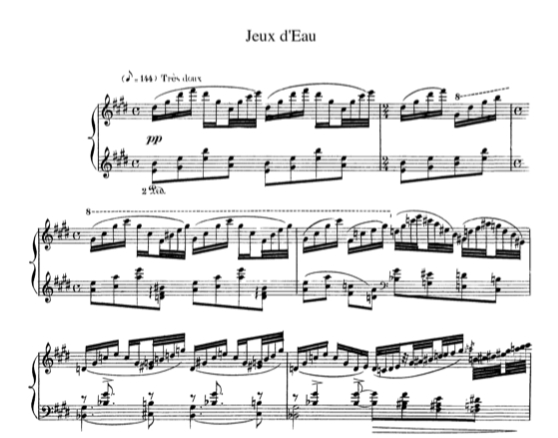
Ravel's sheet music image

Take Ravel’s Jeux d’eau (Fountains of Water). The score looks intimidating at first glance. Many assume that being able to read notes is enough, but that’s not true.

Reading sheet music means more than recognizing do-re-mi. It also means instantly grasping rhythm. Without a mental image of rhythm, no one can play a piece at sight.

How to Read Piano Music Faster

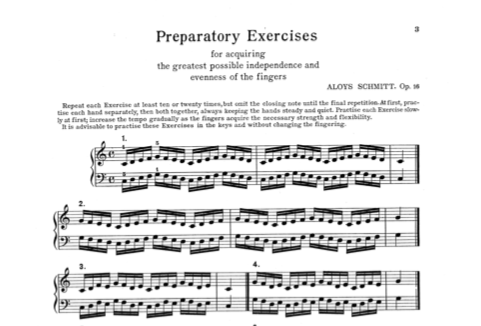
Piano etude image

The secret is surprisingly simple: practice with “boring” technical exercises like Schmitt, Hanon, and Czerny. By repeatedly exposing yourself to streams of notes, your brain becomes faster at processing music. Over time, your sight-reading naturally improves.

The Next Hurdle: Expression and Tone

It’s often said that Japanese pianists are technically strong but lack expression. One possible reason? The piano itself.

I grew up playing a German Steiner upright piano I inherited by chance. Its tone was vivid and colorful. But when I play on many students’ Yamaha uprights, the sound feels flat and uninspiring. Could this be why expressive playing is harder to achieve?

That said, Yamaha grand pianos—and their recordings used in digital pianos—are wonderful. Tone matters. And true expression often requires guidance from a teacher who can help you discover your own sound.

So Why Learn Piano?

The most important reason is joy. Music enriches life. But piano also trains the brain. Sight-reading requires constantly looking ahead—reading one line while anticipating the next, even thinking about the next page while playing the current one. This sharpens focus and insight.

And there’s more. Moving your fingers boosts dopamine release, improving mood and positivity. It’s no wonder piano practice is linked to better mental health and even dementia prevention.

Does My Child Need Talent?

Parents often ask, “Does my child have talent?” The answer: talent doesn’t matter. What matters is love. If your child can’t stop playing piano, that passion is the real sign.

Even if your child isn’t obsessed with piano, lessons are still valuable as brain training. But beware: pushing too hard or having excessive expectations often kills expression.

Conclusion

In New York, top pianists often say they play simply because they love piano—and because they need to express themselves.

Whether or not you become a professional, piano lessons are one of the best gifts you can give yourself or your child: for the brain, for creativity, and for joy. After all, as the saying goes: Those who love something will always get better at it.

Return to Home

ASICS Sneakers Is Popular in New York City Trends

ASICS Sneakers Is Popular in New York City Trends

asics sneaker image

Estimated reading time: 4 minutes

In recent years, New York City has seen a shift in sneaker culture—and ASICS has surprisingly become one of the top choices. Once considered “uncool,” ASICS is now embraced for comfort, functionality, and style. Walking through Manhattan today, you’ll notice more and more people—of all backgrounds—choosing ASICS sneakers.

As someone who has worn ASICS for years, I want to share why these sneakers have become so popular in New York and why they might be the perfect fit for you.

The Perfect Fit for Wide Feet

Many Asians, including myself, have wider feet, which makes narrow Italian or slim-cut shoes nearly impossible to wear. I’ve struggled with beautiful heels that wouldn’t even let my foot slide in, and painful sneakers that left my feet red.

ASICS solves this problem with shoes designed to fit a wider range of foot shapes, offering both comfort and stability.

From Basketball to Everyday Comfort

During my six years on the basketball team, I first tried Nike basketball shoes—but they felt too heavy. I eventually switched to ASICS, and the difference was incredible. They were light, comfortable, and easy to run in.

That’s when I realized ASICS isn’t just about looks—it’s about performance.

From “Uncool” to Essential in New York

There was a time when ASICS was labeled “uncool” compared to Nike, Adidas, or Converse. But post-pandemic New York has changed. With more people walking instead of relying on the subway, comfort now outweighs fashion-only choices.

ASICS, originally designed for marathon runners, offers:

  • Thick cushioning to protect the knees
  • Research-backed arch support
  • Shoes built for long-distance walking

In a city where walking is a way of life, this makes ASICS the perfect sneaker.

Health, Success, and the Rise of Marathon Runners

In Manhattan, many successful professionals run marathons. Why? Running helps boost energy, maintain health, and keep the mind sharp. Long-term thinkers, especially investors, know that living longer means staying active.

Naturally, these runners turn to ASICS—a brand built for marathon performance. Try running in other brands, then switch to ASICS—you’ll immediately feel the difference.

Supporting Japanese Innovation

ASICS originated in Hyogo, Japan, and continues to lead in sports technology. Buying ASICS is not only about getting a high-quality product—it’s also about supporting Japanese innovation.

ASICS for Everyone in New York

It’s not just Japanese people wearing ASICS in New York. Recently, I’ve noticed people from many different backgrounds choosing them. When I point it out, the response is often the same: “It’s so comfortable!”

And with more stylish designs available today, ASICS blends easily into New York’s minimalist black-and-white fashion scene.

Top 5 Best ASICS Sneakers for Walking in New York

If you’re planning to walk long distances in New York—whether commuting, exploring the city, or training for a marathon—these ASICS models are highly recommended:

  1. ASICS Gel-Kayano
    • Excellent stability and cushioning.
    • Great for people who need arch support during long walks.
  2. ASICS Gel-Nimbus
    • Known for plush comfort and soft cushioning.
    • Perfect for all-day wear and long-distance walking.
  3. ASICS GT-2000
    • Lightweight yet supportive.
    • A great balance between running performance and city walking.
  4. ASICS Novablast
    • Modern design with a bouncy midsole.
    • Stylish enough for casual wear in Manhattan while offering serious comfort.
  5. ASICS Gel-Quantum 360
    • Sleek, futuristic look combined with full-length cushioning.
    • Popular among those who want performance with a fashion-forward design.

These models are available in multiple colorways, including neutral black and white, making them easy to match with New York’s minimalist fashion trends.

*(affiliate link suggestion: “Click here to check prices on Amazon”)

Conclusion

Once considered unfashionable, ASICS has become a go-to sneaker in New York City. In a place where walking is essential, comfort and performance matter most. Whether for running, long commutes, or just everyday wear, ASICS proves that functionality and style can go hand in hand.

For me, ASICS isn’t just a sneaker—it’s a lifestyle. And I’ll continue to support this incredible Japanese brand.

Return to Home

Why a Solo Trip to Hokkaido is the Best Travel Idea?

Why a Solo Trip to Hokkaido is the Best Travel Idea?

An image of JAL air place flying in the sky.

Estimated reading time: 4 minutes

When life feels overwhelming, sometimes the best solution is a solo journey. If you’re traveling within Japan, one of the best destinations is Hokkaido. Compared to mainland Honshu, Hokkaido gives you the feeling of visiting another country—yet it’s surprisingly affordable to get there. Whether by plane or train, Hokkaido offers wide-open landscapes, delicious seafood, and unforgettable cultural experiences.

Why Choose Hokkaido for Solo Travel?

Travel isn’t always about going abroad. Even the act of flying across Japan can shift your perspective and give you clarity. Many travelers say that simply being above the clouds helps them make important life decisions. That’s why taking a flight to Hokkaido can be so refreshing compared to a train journey.

Train Travel is Also an Option

Of course, solo train trips are wonderful too. The views from the carriage window can inspire new thoughts. However, keep in mind that taking the Shinkansen to Hokkaido can cost around ¥60,000 one way, which is expensive.

Here’s good news for U.S. residents: if you’ve lived in America for over 10 years, you may qualify for the Japan Rail Pass, allowing unlimited JR travel for one to two weeks at a flat rate. This makes Hokkaido much more accessible.

Meeting People on the Road

One of the best parts of solo travel is the people you meet along the way. Conversations with strangers outside your usual circle often bring fresh insights. During past trips, I met university students on the train who shared valuable information about school life.

For women traveling alone: safety is important. Never follow strangers, no matter how friendly they seem.

The Challenges of Eating Alone

Traveling solo also comes with small challenges—like eating at restaurants. At 19, I once felt too shy to enter an okonomiyaki shop in Hiroshima and ended up eating convenience-store food instead. Now, in my 40s, I can confidently dine anywhere alone. Today’s younger generation seems more comfortable with this too, so don’t let it hold you back.

Must-See Places in Hokkaido

  • Hakodate’s Trappist Monastery
    Visiting Hakodate felt almost like being abroad. Its Western-influenced architecture reminded me of California’s frontier towns.
  • Saroma
    The vast plains of Saroma felt unlike anywhere else in Japan, resembling Upstate New York or even parts of Europe. It’s also home to abundant wildlife. If you’ve seen the film Drive My Car, you’ll recognize the beauty of Hokkaido’s landscapes.

The Flavors of Hokkaido

Food is one of Hokkaido’s highlights. Fresh hairy crab (kegani), uni (sea urchin), and a variety of fish are absolute must-tries. The seafood alone is worth the trip!

Flying to Hokkaido with JAL

Our family often flies with Japan Airlines (JAL), partly thanks to mileage partnerships between JAL and American Airlines. This summer, we even managed a trip using only miles.

JAL’s service stands out—especially their inflight meals, created through the RED à table project, where top chefs design dishes with sustainability and health in mind. Watching the onboard documentary made the meal even more enjoyable.

Compared to other airlines, JAL feels like the very best for international flights. For solo travelers, it’s an especially reliable choice.

Travel Tips and Safety

  • Flying is the easiest way to Hokkaido, but train journeys have their charm too.
  • If you’ve lived in the U.S. for 10+ years, the JR Pass is a great option for affordable Shinkansen travel.
  • Book your hotel in advance—whether budget or luxury, solo travel gives you freedom of choice.
  • Follow COVID-19 safety rules: wear a mask on planes, wash hands often, and avoid crowded urban areas if you’ll be returning to rural communities.

Conclusion

A trip to Hokkaido offers the perfect mix of international atmosphere, natural beauty, and delicious food—all without leaving Japan. Whether by plane or train, solo or with family, Hokkaido provides the sense of adventure and renewal that every traveler seeks.

If overseas travel feels difficult right now, remember: flying from Honshu to Hokkaido already feels like an international escape. Make the most of your trip and enjoy every moment!

Return to Home

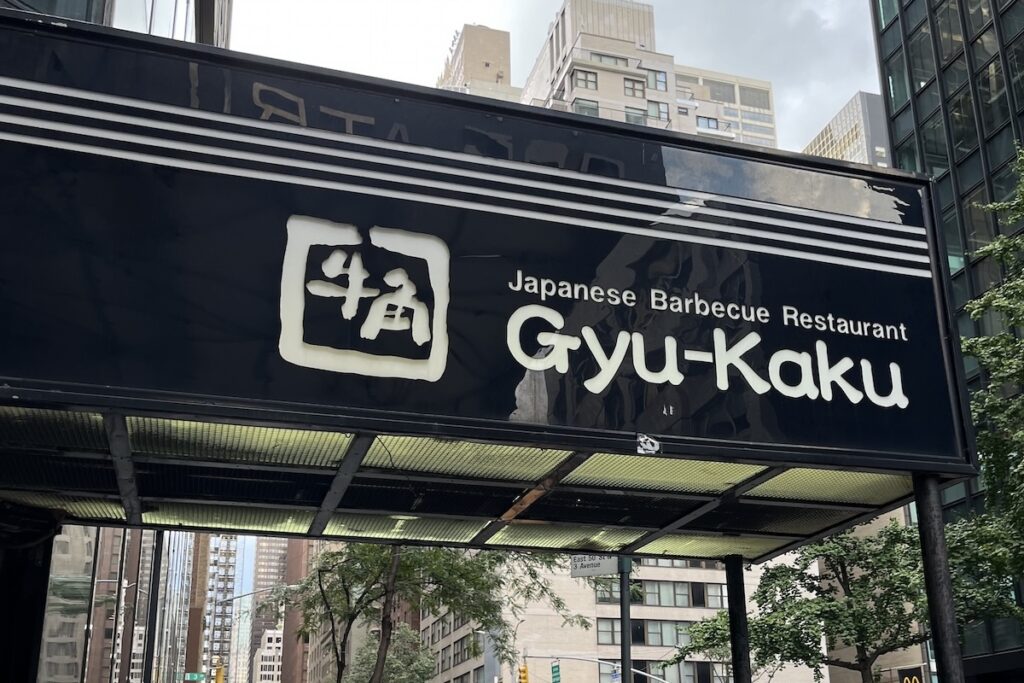
Where to Eat Japanese BBQ in NYC? Gyu-Kaku Midtown Review

Gyukaku Midtown Review : Best Japanese BBQ in New York

Estimated reading time: 5 minutes

If you’re craving authentic Japanese BBQ in New York, Gyukaku is the place to go. While New York is known for its high-quality beef—especially steaks—sometimes you just miss that classic Japanese yakiniku sauce. Gyukaku brings that nostalgic taste to the city. Last year, I visited the Upper West Side location, but since they didn’t have horumon (offal), I wasn’t fully satisfied. This time, I checked out the Midtown location, which I highly recommend!

Gyukaku Website

Where is Gyukaku Midtown Located?

Gyukaku Midtown is about a 20-minute walk from Times Square. You can also get there easily by taking the green or blue subway lines.

Important Reservation Tips

We booked a table for four, but be aware that if even one person is late, everyone will have to wait at the bar, even if you have a reservation. To avoid any inconvenience, make sure to book a time when everyone can arrive together.

If you do have to wait at the bar, why not start your meal with a drink?

Atmosphere & Interior

As a yakiniku (Japanese BBQ) restaurant, Gyukaku has excellent ventilation, which makes it a comfortable choice even for those who are concerned about indoor air quality.

The Entrance & Reception

The welcoming reception area leads to a fully stocked bar, where you can relax while waiting for your table.

Changes to Happy Hour

Before the pandemic, happy hour ran from 5 PM to 7 PM. However, due to changes in dining patterns, Gyukaku now offers happy hour from 11 AM to 5 PM. This is great news because you can now enjoy discounted prices during a safer, daylight period!

If you don’t want to spend time deciding what to order, this set course is perfect. Group menu options like this weren’t available before the pandemic, making dining even more convenient.

Must-Try Dishes

  • Gyukaku Salad – A fresh and flavorful start to your meal.
  • Spicy Fried Chicken – Crispy, juicy, and full of spice.
  • Beef Sushi – A rare and delicious treat.
  • Yaki Udon – Stir-fried udon noodles packed with flavor.
  • Plum Garlic Cabbage & Beef Tongue – Extra sides for those who want variety.

Note: If you love horumon (offal), you’ll need to order it separately since it’s not included in the set menu.

Dessert: Gyukaku’s S’mores

For dessert, Gyukaku serves s’mores—toasted marshmallows on skewers, paired with Hershey’s chocolate and biscuits. It’s a super sweet way to end your meal!

Conclusion

This visit to Gyukaku marked my first post-pandemic experience at the restaurant, and it was great to see the lively atmosphere returning to New York. If you’re craving authentic Japanese yakiniku sauce, Gyukaku is a must-visit.

Enjoy your BBQ experience in Midtown New York!

Back to Home

Tenement Museum in New York – A Journey Into Immigration History

the Tenement Museum in New York – A Journey Into Immigration History

テネメント博物館の窓の画像

Estimated reading time: 4 minutes

If you want to experience what life was like for the very first immigrants in New York, the Tenement Museum on the Lower East Side (LES) is the perfect place to visit. This museum offers an unforgettable, family-friendly experience where history comes alive.

Where is the Tenement Museum?

The Tenement Museum is located in Manhattan’s Lower East Side, a neighborhood rich in immigration history. From Times Square, it only takes about 18 minutes by subway. Take the orange lines (M or F) to Delancey Street, or the D line to Grand Street, and it’s a short walk from there.

And if you love modern and contemporary art, don’t miss the Guggenheim Museum while you’re in NYC!

Immigration Footprints in the Lower East Side

Walking around the LES, you can still feel the traces of immigrant communities that shaped New York.

According to the Tenement Museum:

  • In the 1850s, German and Irish immigrants arrived and started businesses in the garment industry.
  • In the early 20th century, Jewish and Italian immigrants continued this work, making the garment industry thrive.
  • Later, Puerto Rican and Chinese immigrants moved in, though Chinese immigration became significant only after 1965 due to restrictions.

This cultural shift can still be seen today, especially with Chinatown nearby.

Glimpses of the Past

Back in the day, apartments were tiny and had no bathrooms. Residents relied on public bathhouses and toilets, some of which still stand today. Surprisingly, they were not preserved as landmarks but simply left because demolishing them was too costly.

昔の公共トイレの画像

Unfortunately, many of these spaces have suffered from graffiti since the pandemic, but they remain an important reminder of the city’s immigrant past.

Jewish Delicatessens – An NYC Icon

The Lower East Side is also home to Jewish delicatessens, one of the neighborhood’s most famous traditions.
Shops like Katz’s Delicatessen sell sausages, smoked fish, olives, and of course Kosher meats, which are central to Jewish cuisine. These delis are as much a cultural landmark as the museum itself.

ニューヨークのデリカテッセンカッツの写真

Why Visit the Tenement Museum?

テネメント博物館の案内の様子

The highlight of the museum is the guided tours. Knowledgeable docents explain how immigrant families lived, worked, and adapted to life in New York.

  • Tickets: $30 per person
  • Experience: Step inside preserved apartments that look exactly as they did 100+ years ago
  • Bonus: Great practice for listening to English if you’re learning the language

It truly feels like stepping back in time. Please check the lates price – website

From Ellis Island to the Lower East Side

In the late 19th and early 20th centuries, immigrants arrived by ship at Ellis Island. After medical checks and paperwork, many settled in the LES.

Over time, families moved out of the crowded, unhealthy conditions:

  • Jewish immigrants to Brooklyn
  • Italians to Staten Island
  • Asian communities to Queens and Flushing

Understanding this migration helps explain how modern New York City’s neighborhoods developed.

Final Thoughts

The Tenement Museum is more than just a museum—it’s a time machine into immigrant life in New York City. You’ll see how families lived after 1850, how they contributed to the city’s growth, and why the LES is such a special place.

Return to Home

Get a Job in New York with OPT: A Guide for International Students

Get a Job in New York with OPT: A Guide for International Students

opt image picture

Studying abroad in the United States comes with a unique opportunity: after graduation, international students can work legally for one year through OPT (Optional Practical Training). This system allows you to gain real work experience in America, earn income in dollars, and prepare for your future career path.

Estimated reading time: 4 minutes

In this blog, we’ll explain what OPT is, how to apply, and how you can make the most of it to jump-start your career in New York or anywhere in the U.S.

What is OPT?

OPT is a special benefit for students holding an F-1 visa. After completing a degree—whether from a language school, community college, four-year university, or graduate program—you can switch to OPT. It’s optional, meaning you can either continue your studies or choose to work for one year after graduation.

Who Handles the OPT Application?

The process is simple compared to other U.S. work visas. Unlike H-1B or O-1 visas that require an immigration lawyer, most universities assist students directly with their OPT application.

Here’s how it works:

  • Your I-20 form (a crucial document for F-1 visa holders) will be updated for OPT.
  • You’ll then receive an Employment Authorization Card (EAD) from U.S. Citizenship and Immigration Services.
  • With the EAD card, you can start working in the U.S. legally.

Benefits of OPT

OPT offers international students incredible advantages:

  • Hands-on experience in the American workplace.
  • Earning U.S. dollars, which can also help you save money.
  • Career development, as real-world work experience strengthens your resume.

This year-long period can also give you time to think about your next step—whether that’s pursuing another degree or seeking long-term visa sponsorship.

Making the Most of OPT

an image of a work permission card during OPT

During OPT, you must work in a field related to your degree. For example:

  • A graduate in graphic design can start with internships at design firms.
  • A student who studied hospitality management may work at a hotel, restaurant, or bar.

The key is to focus on roles that align with your career goals. Working in unrelated jobs (like waiting tables in a Japanese restaurant without a hospitality degree) may not help your career trajectory.

A Smart Strategy for Students

For those worried about costs, consider starting with a two-year community college, then using OPT to gain work experience. Shared housing and budget living can make this path more affordable, even in New York.

With the Japanese yen weaker, earning in U.S. dollars during OPT can be a smart financial and career move.

Conclusion

OPT is more than just a one-year work permit—it’s the first step toward building your career in America. By gaining practical experience, earning in dollars, and proving your skills, you open the door to future opportunities, including long-term employment and visa sponsorship.

If studying abroad in the U.S. is your dream, remember: after graduation, you can use OPT to get a job in New York and beyond.

Return to Home

How to Study English with The New York Times: Build Your English Brain

How to Study English with The New York Times: Build Your English Brain

new york times image

Estimated reading time: 4 minutes

Discover how to study English effectively by reading The New York Times. Learn practical tips on improving reading skills, building vocabulary, and training your “English brain” while enjoying real news and culture.

Why Reading The New York Times Helps You Learn English

How do you usually study English? Many Japanese learners start with Japanese textbooks, but relying only on them rarely builds an “English brain.”

The fastest way to think in English is to read authentic English content every day. Don’t worry about understanding everything perfectly. Start with small sections, and you’ll naturally improve. That’s why The New York Times is one of the best resources for learners.

Why Choose The New York Times for English Study?

  • Trusted source: Unlike much of today’s social media, The New York Times fact-checks its articles, making it reliable.
  • Rich vocabulary: Articles expose you to advanced English expressions and current events.
  • Global perspective: You’ll learn about politics, economics, culture, and lifestyle directly from an international viewpoint.

Common Struggles for Japanese Learners

Many learners feel they must read every word from beginning to end. They stop too often to check vocabulary, losing the overall meaning.

The key: focus on main ideas, not every single word.
For The New York Times, the first two paragraphs usually contain the most important information, and the final paragraph offers a summary.

Tips for Reading The New York Times as an English Learne

1. Don’t Read Everything at Once

Even native speakers don’t read every article in full. Choose just one article that interests you—arts, food, lifestyle, or global news—and focus only on the introduction and conclusion.

2. Limit Vocabulary Lookups

Don’t look up every unknown word. Instead, guess the meaning from context. After finishing, check only five new words per article. Write them in a notebook and review them later.

3. Summarize in Your Own Words

After reading, write a short summary (1–5 sentences) in English or Japanese. This helps confirm what you understood and improves memory retention.

4. Treat English as a Tool, Not a Subject

English is not just something to “study”—it’s a tool to access global information. When you think of it this way, reading becomes part of your daily life rather than a heavy task.

Easy Sections to Start With

www.nytimes.com
  • Arts & Culture: Easier vocabulary, fun topics.
  • Food & Lifestyle: Practical, everyday words.
  • Opinion Columns: Great for learning argument structures.

These sections are more approachable and help you stay motivated.

Practical Study Routine

  1. Pick one article from nytimes.com
  2. Read the first 2 paragraphs + last paragraph
  3. Highlight key sentences
  4. Note 5 new words
  5. Summarize in your own words

Repeat daily, and you’ll see progress in both reading speed and vocabulary.

Final Thoughts

Reading The New York Times is one of the best ways to train your English brain. It’s also practical—articles are free for up to 10 per month, or you can subscribe for $17/month.

This method is also used in ESL classes, TOEFL prep, and universities in the U.S. Start today, and make English a natural part of your life.

Return to Home

Artist Visa Extension: A Story of Perseverance

Artist Visa Extension: A Story of Perseverance

artist visa image

An Italian artist successfully extended her O-1 visa for 3 years with my support. But the pandemic, NYC lockdowns, and rising living costs changed everything. Here’s her story and what it reveals about life and visas in New York.

How It All Started

In early January and February 2020, I was helping an Italian friend prepare her O-1 Artist Visa extension. She had already submitted her documents through an immigration lawyer, but unfortunately, she received a request for additional evidence from USCIS.

We spent hours meeting in cafés, carefully organizing her paperwork. Finally, after weeks of effort, her 3-year O-1 extension was approved.

Then the Pandemic Hit

Just a month later, in March 2020, New York City went into lockdown due to COVID-19. My friend stayed in Manhattan for a while, but living alone during such a strict lockdown became unbearable. Eventually, she made the difficult decision to return to Italy.

Visa Interviews Canceled in Europe

Back in Italy, she faced another challenge: visa interviews. Although she scheduled an appointment at the U.S. consulate, it was repeatedly delayed and eventually canceled due to the pandemic.

By the time her visa was expiring, she still hadn’t been able to attend an interview—leaving her unable to return to New York.

Safety Concerns in New York

Another factor was the decline in safety in NYC.

She had lived alone in the East Village, but during the lockdown, the city’s atmosphere changed. Mental health patients were released from prisons during the pandemic, and the streets of Lower East Side saw more homelessness and instability.

This made her hesitant to move back, even though she missed the city deeply.

What Happened to Her Extended Visa?

Her extended O-1 visa was valid until winter 2022. But when I asked her if she planned to return, she said it wasn’t realistic.

Why? Because she would need to find a new apartment in a city where inflation had driven rents sky-high. The cost of living in New York made it impossible for her at that time.

Still Dreaming of Returning to New York

Despite these struggles, she still hopes to return to New York someday. She told me that no city feels as free as New York. Compared to Italy—and even Japan—New York represents freedom and individuality.

But to live here again, she’ll need to secure either another visa or permanent residency. Every step on that journey feels like a crossroads, where one decision can change the entire course of life.

Final Thought

This story shows the bittersweet reality of the O-1 Artist Visa. My friend succeeded in extending her visa for 3 years, but the pandemic and rising costs prevented her from returning.

Still, her love for New York remains strong. I hope one day she’ll come back—and when she does, I’ll be ready to help her again.

Return to Home