How to Obtain U.S. Permanent Residency Without an Artist Visa
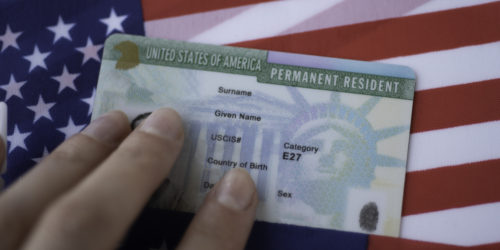
Hello! I’m Maegami, the author of the blog Goddess’ Bangs In this article, I’ll share how some artists have successfully obtained a U.S. Green Card (Permanent Residency) without first applying for an artist visa. In fact, many individuals have transitioned directly from a student visa to an artist-based Green Card through the EB-1 visa category.
Before the Year 2000: Green Cards Were Easier to Obtain
Before the tragic events of 9/11, obtaining a U.S. Green Card was significantly easier. From the 1980s through the 1990s, it was not uncommon for people to arrive in America with no clear purpose, work illegally in restaurants, and still manage to obtain permanent residency within a year thanks to employer sponsorship.
Many Japanese citizens also won permanent residency through the annual Green Card lottery.
Changes After 9/11
After the September 11 terrorist attacks, the immigration system became much stricter. Because some of the attackers had entered on student visas, immigration officers began to scrutinize visa holders more closely. Staying in the U.S. indefinitely on a language school visa became suspicious, making it harder for students to later transition into an artist visa.
EB-1 Visa: A Direct Path to a Green Card
The EB-1 visa is essentially a U.S. Green Card for individuals with extraordinary ability in the arts, sciences, business, athletics, or education. Applying directly for an EB-1, without going through an artist visa first, is possible—but it is very challenging.
You will likely need the help of an immigration attorney. The process requires a large volume of high-quality evidence and costs around 1 million yen (approx. $7,000 USD) in legal fees. Still, the reward—U.S. permanent residency—is invaluable.
Key Requirements for the EB-1 Green Card
International Awards Winning a globally recognized prize such as a Grammy, Emmy, Chopin Competition, or Van Cliburn International Piano Competition is a strong qualification.
Major Media Coverage Being featured in top media outlets such as The New York Times or The Washington Post is crucial. Immigration officers look for press coverage that is instantly recognizable.
International Recognition Documented achievements such as international tours, jury positions at competitions, teaching abroad, or global media appearances all strengthen your case.
Stable and Significant Income Demonstrating financial independence and the potential for high earnings is an essential factor for EB-1 approval.
Conclusion
Skipping the artist visa and applying directly for a U.S. Green Card through the EB-1 visa requires meeting all of the conditions above. Fulfilling just one is not enough.
However, many artists successfully move from a student visa to an artist visa, and eventually to permanent residency. The key is to build your career while on a visa and prepare your case carefully.
Remember, Green Card applications can be submitted multiple times, so don’t hesitate to try again if needed. I hope this guide helps future artists and professionals seeking to build a career in the United States.
Motsunabe Kimura: The Ultimate Winter Comfort Food in New York
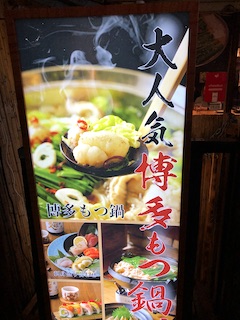
outside of the restaurant
Visiting Motsunabe Kimura in New York is a must, especially on those chilly winter nights. With temperatures dropping to as low as -11°C (12°F), we decided to warm up with one of Japan’s most beloved winter dishes – motsunabe.
If you’re in New York City and craving an authentic hot pot experience, Motsunabe Kimura in the East Village is the perfect spot to enjoy this delicious and comforting dish. Though Hakata Tonton also offers great motsunabe, Kimura brings something extra to the table!
Walking into Motsunabe Kimura, you’re greeted with a nostalgic atmosphere that takes you straight to Japan. The bright lights, retro Japanese signage, and cozy, intimate setting are perfect for enjoying a traditional Japanese meal.
Despite the freezing temperatures outside, we opted for outdoor seating. While it did get a bit chilly without a heater at our feet, the comfort of hot, steamy motsunabe made it all worth it.
Image of the outdoor tables at Motsunabe Kimura
A Taste of Japan’s Best Hot Pots
At Motsunabe Kimura, the menu offers a variety of dishes, but their Hakata motsunabe and black pork hot pot are truly standouts. We also tried the grilled squid and marinated mackerel, which were cooked to perfection and paired wonderfully with the hot pots.
Here are the highlights of the dishes we enjoyed:
Black Pork Hot Pot: A rich and flavorful hot pot featuring tender pork that melts in your mouth.
Hakata Motsunabe: A classic, hearty dish with tender beef tripe, rich broth, and an assortment of vegetables.
Grilled Squid: A simple but flavorful dish, perfect for sharing.
Marinated Mackerel: A deliciously fresh fish option that balances out the rich flavors of the hot pot.
Black Pork Hot PotHakata Motsunabe
Why Motsunabe Kimura is Worth the Visit
Motsunabe is not just a meal; it’s an experience, especially when enjoyed in such an authentic setting. The restaurant’s commitment to using high-quality ingredients and traditional Japanese techniques sets it apart from other restaurants in New York’s East Village. Whether you’re a fan of motsunabe or trying it for the first time, Kimura’s version will surely impress.
Conveniently located on St. Marks Place in the East Village, this cozy restaurant is easy to find. With its unique flavors and traditional atmosphere, it’s no wonder Kimura is a favorite among locals and tourists alike.
Tip: Make a Reservation in Advance
Due to its popularity, Motsunabe Kimura tends to get crowded, especially during the colder months when everyone craves a warm bowl of motsunabe. To avoid waiting, it’s best to make a reservation ahead of time.
Final Thoughts: A Perfect Winter Spot in New York
If you’re visiting New York in the winter and want to experience authentic Japanese comfort food, Motsunabe Kimura is a must-try. The Hakata motsunabe and black pork hot pot are perfect for those cold nights, and the atmosphere will make you feel like you’re dining in Japan. Don’t forget to compare Kimura’s motsunabe with other top spots like Hakata Tonton for a full taste of New York’s Japanese hot pot scene.
The City University of New York (CUNY) operates several community colleges that play a vital role in the American education system. These institutions offer affordable, accessible education while serving as a stepping stone to four-year universities.
Liberal Arts Education at Community Colleges
At community colleges, students study liberal arts, which include general education courses like English, mathematics, natural sciences, and social sciences. These foundational courses are essential for university-level study and help students develop a broad academic perspective.
Transferring to a Four-Year University
Many students complete two years of liberal arts education at a community college and then transfer to a four-year college or university. This pathway is especially effective for saving on tuition, as community colleges tend to be significantly more affordable than universities. After transferring, students can focus on their major or specialized field.
Cost Comparison
There is a significant difference in tuition fees between two-year and four-year institutions. For example, in the CUNY system, New York City residents or permanent residents pay lower tuition compared to out-of-state or international students. Attending a community college first is a practical way to reduce the total cost of a U.S. college education.
Important Notes for International Students
International students may be required to take ESL (English as a Second Language) classes to meet language proficiency requirements. These courses help prepare students for college-level academic work but may incur additional costs.
Educational Quality
The quality of liberal arts education at two-year community colleges is on par with that of four-year universities. Both offer strong academic environments where students can gain essential knowledge and skills needed for future degrees and careers.
Conclusion
CUNY’s community colleges are an excellent option for students looking to save on tuition without compromising the quality of their education. They provide a solid liberal arts foundation and a smooth transition into more advanced fields of study.
Hello! I’m Maegami from the blog “Goddess’ Bangs”. If you’re applying for an Artist Visa (O-1 or similar) and want to include proof of your achievements in Japan, this guide is for you—especially if you’re wondering:
Estimated reading time: 3 minutes
“Can I translate my Japanese materials into English myself?”
Short Answer: Yes!
You can hire a professional translator, but translating the documents yourself is totally acceptable—and in fact, doing so shows that you’re proficient in English, which strengthens your application.
What Is an Artist Visa?
An Artist Visa, often referred to as the O-1B visa in the U.S., is designed for individuals who possess extraordinary ability in the arts. When applying, you must provide substantial proof of your artistic career, including articles, exhibitions, awards, and more.
How to Translate Japanese Documents for an Artist Visa
If you’re using Japanese newspaper or magazine articles as part of your application, you can translate them yourself. Here’s a step-by-step guide:
Step 1: Design the Layout
Use Microsoft Word, Illustrator, or another design tool to recreate the layout of the original article. This can include:
Text blocks
Images (label them as “The Beneficiary’s Photo”)
Captions and bylines
Even if the original layout is vertical (as many Japanese articles are), it’s fine to translate it in horizontal English text while preserving the visual format.
Step 2: Translate Only Relevant Sections
If your article is part of a larger publication, only translate the parts that feature you. There’s no need to include unrelated content.
Don’t stress over small grammar issues caused by differences in nuance between Japanese and English. As long as the meaning is accurate, your translation will be accepted.
Get Your Translation Notarized
Once you’ve finished the translation, you’ll need to certify that the translation is accurate and done by you.
How to Do This:
Go to a notary public—many large U.S. banks have them on-site.
Bring your translated document and ID.
Ask for a notarized certificate of translation, which confirms that:
You are fluent in both Japanese and English.
You personally translated the document.
Having this notarization stamp is essential for your Artist Visa submission.
Summary
In this post, we covered how to:
Translate your own Japanese-language materials for an Artist Visa
Format them clearly and accurately
Get them notarized for official use
By following these steps, you’ll save money on translation fees and strengthen your Artist Visa application with confidence. Good luck!
After much anticipation, Japan’s famous conveyor belt sushi chain, Kura Sushi, has made its way to New York! Located just outside Manhattan in Fort Lee, New Jersey, Kura Sushi offers a convenient and accessible dining experience for sushi lovers. Let’s dive into the charm of this unique sushi destination.
Estimated reading time: 5 minutes
How to Get There
Getting to Kura Sushi in Fort Lee is a breeze from New York City. You can take the A line subway to 175th Street Station, and from there, take a bus across the George Washington Bridge. After a short 1-minute walk, you’ll find Kura Sushi waiting for you! It’s a convenient and easy access point for those in Manhattan and surrounding areas.
The Atmosphere Inside
Don’t worry if you’ve never visited a Kura Sushi in Japan. The Fort Lee location captures the same welcoming vibe. The aroma of vinegar rice greets you as you step inside, instantly evoking the feeling of dining in a traditional Japanese sushi restaurant. During the pandemic, many of us missed out on enjoying sushi in restaurants, but Kura Sushi provides a cozy, comfortable space where you can savor sushi at your own pace. With plenty of group and counter seating, it’s perfect for solo dining or enjoying a meal with friends and family. Don’t worry if you’re unsure how to grab sushi from the conveyor belt—the friendly staff will guide you through the process.
What Makes Kura Sushi So Special?
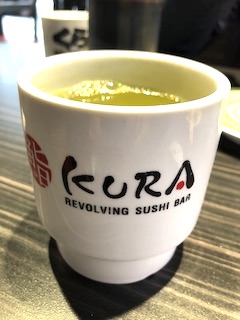
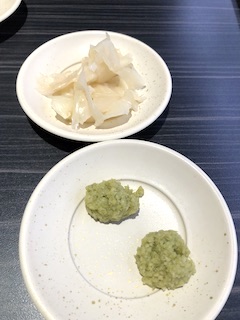
The standout feature of Kura Sushi is undoubtedly its conveyor belt sushi system. Plates of various sushi selections are placed on the conveyor, letting you grab whatever looks appetizing as it comes around. The quality is superb, especially considering the affordable prices. For just $3, you get a set that includes green tea, ginger, and wasabi—a fantastic value for the taste and experience. Sushi plates are priced at $3.15 for two pieces, making it a reasonable choice for a delicious meal in New Jersey.
Recommended Sushi Selections:
Squid
Tai with Yuzu Garlic
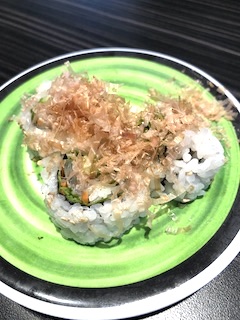
Salmon Skin Roll
Spicy Popcorn Shrimp Roll
Tuna Yukke Roll
Shimaji
Conchi (Known for its chewy texture)
SquidRed snapper with Yuzu garlic Salmon Skin RollWasabi and Gari Spicy Popcorn Shrimp Roll
While the variety of fish may be more limited compared to Japan, the selections offered at Kura Sushi in Fort Lee still provide a satisfying experience for sushi enthusiasts.
A Special Experience: Gacha-Gacha Surprise
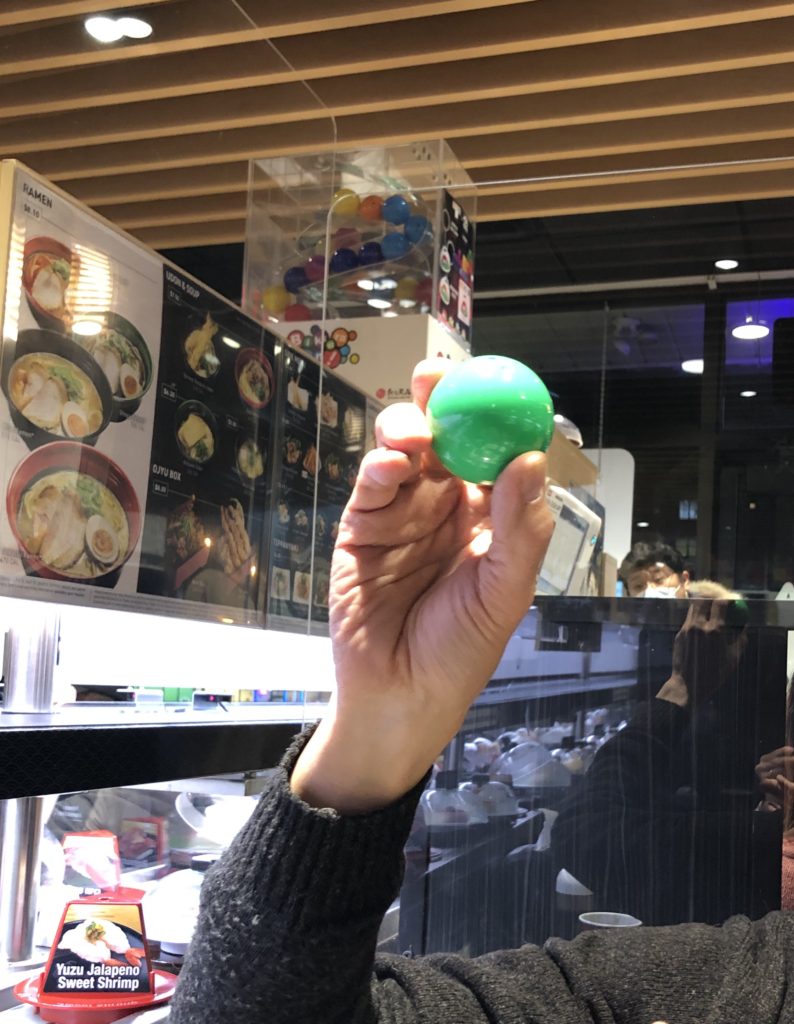
In addition to the conveyor belt sushi, Kura Sushi adds an element of fun to your dining experience. When you order sushi from the touch screen menu, you’ll encounter a Gacha-Gacha (Japanese capsule toy) surprise. From the hole next to the order screen, you might receive a fun trinket like a cleaning cloth or other small surprises. It’s a quirky touch that adds to the overall enjoyment of your meal.
Summary: A Must-Visit Sushi Spot in New Jersey
Kura Sushi in Fort Lee is the perfect place for anyone craving authentic conveyor belt sushi while in the New York area. While the fish selection might not be as extensive as in Japan, the sushi’s quality, the unique experience, and the atmosphere make it a must-try for anyone looking to indulge in Japanese sushi culture.
Whether you’re a sushi connoisseur or just looking for a fun dining experience, Kura Sushi delivers it all. Be sure to check it out on your next trip to New Jersey!
What Is the CUNY Proficiency Requirement? A Guide for International Students
Estimated reading time: 6 minutes
If you are planning to study at the City University of New York (CUNY), you may have heard about the CUNY proficiency requirement. Understanding this requirement is important because your placement in English and mathematics can affect which courses you are able to take and how efficiently you can progress toward graduation.
This is particularly important for international students, who may be academically strong but unfamiliar with the English-language academic system in the United States.
In this article, I’ll explain what the CUNY proficiency requirement is, what the English and mathematics assessments involve, what may happen if you do not meet the required level, and how you can prepare.
What Is the CUNY Proficiency Requirement?
CUNY uses assessment and placement measures to determine whether students have the necessary skills in areas such as English and mathematics.
The exact assessment and requirements can vary depending on the student’s program, college, and current CUNY policies. Students should always check the requirements of their individual CUNY college for the most up-to-date information.
In general, students may need to demonstrate college-level proficiency in:
English reading and writing
Mathematics
Meeting the required level can help students begin college-level courses without taking additional developmental or corequisite support courses.
Mathematics Requirement
For students who have not studied mathematics recently, the mathematics assessment may require some preparation.
The assessment can include fundamental concepts such as:
Basic arithmetic
Fractions and decimals
Percentages
Basic algebra
Equations
Geometry
Problem-solving
Don’t assume that the test will be easy simply because the concepts are familiar. Mathematical questions can sometimes be challenging because of the way they are worded.
How Should You Prepare for the Math Test?
One of the simplest ways to prepare is to review a basic mathematics textbook and practice problems regularly.
Pay particular attention to:
Fractions
Negative numbers
Algebraic expressions
Equations
Ratios and percentages
Geometry
Word problems
I also recommend practicing mathematics questions in English. Understanding the mathematics itself is only part of the challenge; you also need to understand what the question is asking.
English Requirement
For many international students, the English portion can be more challenging than mathematics.
The assessment focuses on your ability to understand and communicate in academic English. Depending on the assessment being used, students may be evaluated on skills such as reading comprehension and writing.
Academic English is different from conversational English.
You may be able to communicate comfortably with friends, order food at a restaurant, or have everyday conversations in English and still find an academic reading or writing assessment difficult.
Reading Comprehension
College-level reading requires you to understand:
The main idea of a passage
Supporting details
The author’s argument
The meaning of words from context
Relationships between ideas
Information that is implied rather than directly stated
For this reason, reading English regularly is one of the best ways to prepare.
You don’t need to understand every single word. Instead, practice identifying the main point and important supporting information.
Writing Skills
Writing is another important skill for international students.
In college, you will often need to write essays, responses, research papers, and discussion posts. Your writing needs to be clear, organized, and logical.
A useful way to practice is to read an English article and then write a short summary in your own words.
For example:
Read a short article.
Identify the main argument.
Write down three important points.
Summarize the article in your own words.
Explain your own opinion about the topic.
This simple exercise can help you develop both reading comprehension and academic writing skills.
What Happens If You Don’t Meet the Required Level?
If you do not demonstrate the required level of proficiency, you may be required to take additional English or mathematics support courses before or alongside college-level coursework.
These courses are designed to help students develop the skills they need for college-level study.
One important point for students to understand is that developmental or remedial coursework may not count toward the credits required for graduation. This can potentially add time and expense to your degree.
For this reason, preparing for your placement or proficiency assessment before starting college can be very worthwhile.
How to Prepare for the CUNY Proficiency Requirement
If you are planning to attend CUNY, I recommend preparing before you take the assessment rather than waiting until the last minute.
1. Don’t underestimate academic English
Even if you can have everyday conversations in English, academic English can be very different. Start reading English-language articles several months before your assessment.
2. Practice writing regularly
You don’t need to write a long essay every day. Even writing one short paragraph a day can make a significant difference. Focus on organizing your ideas clearly rather than trying to use complicated vocabulary.
3. Review basic mathematics
If you haven’t studied mathematics for several years, review the fundamentals. Practice basic calculations, algebra, geometry, fractions, percentages, and word problems.
4. Practice solving problems in English
This is particularly important for mathematics. Try finding English-language math problems so that you become comfortable with words such as equation, fraction, percentage, angle, area, and average.
5. Check your college’s current requirements
CUNY consists of many different colleges and programs. Their assessment requirements can change.Before relying on information from a blog or another website, check the official CUNY website and your individual college for the most current requirements.
CUNY Colleges in New York City
CUNY is one of the largest public university systems in the United States and includes numerous senior colleges, community colleges, and graduate and professional programs throughout New York City.
Some well-known CUNY institutions include:
CUNY School of Professional Studies
The City College of New York
Baruch College
Brooklyn College
Hunter College
Queens College
John Jay College of Criminal Justice
Queensborough Community College
LaGuardia Community College
Each college offers different programs and academic resources, so prospective students should research the specific college and program they are interested in.
Final Thoughts
The CUNY proficiency and placement requirements are important for students who want to begin their college education successfully. For international students, the biggest challenge may not necessarily be the academic material itself. Sometimes, the real challenge is understanding academic English and expressing your ideas clearly in English.
The good news is that these skills can be improved with preparation. Start reading English regularly, practice writing your own summaries and opinions, and review basic mathematics before taking your assessment.
A little preparation before entering CUNY can make your transition to college much smoother—and may help you avoid taking additional courses that could delay your progress toward graduation.
Artist Visa Application: What is a Cover Letter and How to Write It?
When applying for an Artist Visa, the cover letter is one of the first documents you will submit. It serves as a formal request from your employer or sponsor (the petitioner) for your visa approval. Below the heading, you’ll find a summary of the enclosed documents, much like a table of contents in a book.
Estimated reading time: 4 minutes
In this article, I’ll walk you through the structure of the cover letter and explain its components to help you prepare a successful Artist Visa application.
The Basic Structure of the Artist Visa Cover Letter
The cover letter follows a professional business format, similar to the one used by companies with headers. The company’s logo is typically placed on the left, while the address and contact information are on the right. Below the header, you’ll include the address of the immigration office where you are submitting your application. Note: Be sure to verify the address for each application, as it may change depending on the state or content of your submission.
What Goes After the Header?
After the header, you will include the following subject line:
Re: O-1B related I-129 Petition for YOUR NAME (the “Beneficiary”).
In this line, replace “YOUR NAME” with the name of the visa beneficiary. Beneficiary refers to you, the person applying for the visa, but remember that the petitioner (your employer or sponsor, or their lawyer) is the one submitting the application.
Key Elements to Highlight in Your Cover Letter
The language in your cover letter may vary depending on whether you hire an attorney to help with your application. If an attorney is involved, the letter will likely include more technical terms such as “EXHIBITION 1” and “EXHIBITION 2” in the list of supporting documents. However, the basic structure and content will remain the same. The most important thing is to keep the cover letter clear and easy to understand.
What Does “Enclosed Please Find” Mean?
At the beginning of the list of documents, you’ll often see the phrase:
Enclosed please find:
This means that all the necessary documents are attached to the file, and the immigration officer can refer to the following list to find them. This section acts as a table of contents for your Artist Visa application.
What Should Be Included in the Document List?
The list includes critical documents that support your application. The most important items to include are:
Form I-129 and the filing fee ($460): Make sure this is clearly marked and attached to the cover letter.
Written Consultation from a union or other relevant entity.
Personal Documents: Passport, Social Security card, and any other personal identification documents.
Employment Agreement or sponsor contract.
Personal Background Materials: A detailed account of your education, career, and artistic accomplishments.
These documents should be listed first as they are the most critical to your application.
Supporting Documents That Can Help Your Case
The second part of the document list includes supporting materials that help demonstrate your qualifications. These materials are not as essential as the first items but can strongly support your application:
Resume or CV detailing your professional experience.
Awards or scholarships you’ve received.
Programs or concerts you’ve performed at.
Press or media mentions, along with their English translations if necessary.
Letters of Recommendation (usually six letters).
Each of these documents should be organized and easy to locate. It’s recommended to use black-and-white copies for clarity and highlight your name in pink or yellow to make it stand out. By organizing your materials in a clear and logical manner, you make it easier for the immigration officer to find key information quickly.
How to Organize Your Application for Clarity
Ideally, your cover letter will help the immigration officer navigate the contents of your application by creating an easily accessible and organized file. This is especially important when you have multiple supporting documents. It’s perfectly fine to creatively organize your file, but it’s essential that it remains clear and easy to follow.
Conclusion
In this article, I’ve shared a detailed overview of the Artist Visa cover letter, including its structure and how to organize your supporting documents. The cover letter plays a vital role in guiding the immigration officer through your submission. By preparing a well-organized cover letter and supporting list, you can ensure that your application is smooth and professional.
Make sure your sponsor or employer writes the cover letter for you, and start by organizing your documents to make the process more manageable. Good luck with your Artist Visa application!
Key Points to Consider When Choosing a Sponsor for Your Artist Visa
Estimated reading time: 4 minutes
When applying for an Artist Visa, one of the most crucial steps is securing a sponsor. This sponsor is typically the organization or employer you will be working with, and they will play a key role in supporting your visa application. Whether you’re applying as an independent artist or through an agency, choosing the right sponsor is critical. In this article, we’ll guide you through the essential factors to consider when selecting your sponsor for the artist visa application process.
What is an Artist Visa Sponsor?
For your Artist Visa application, you must find a sponsor who is willing to support your petition. This can be an employer, an agency, or even an educational institution you are affiliated with. For example, if you are working at a school or performing as a part of a theater or orchestra, these organizations may act as your sponsors.
If you’re applying for an artist visa, it’s essential to secure a strong and credible sponsor. Let’s dive into what makes a good sponsor and how to select one.
My Personal Experience with Choosing a Sponsor
In my case, the places I worked at became my sponsors. I worked at two different educational institutions, both of which were LLCs (limited liability companies) and they agreed to sponsor my visa. One of the schools was a nonprofit piano school in New York, which is also an option for artist visa sponsorship. And the both sponsors are well known in New York City.
While many schools or organizations may not be willing to sponsor your visa, it’s important to note that some will specifically encourage you to apply for an Artist Visa.
The Importance of Sponsor’s Annual Revenue
One of the most important aspects of choosing a sponsor is their financial stability and the strength of their business. When applying for an artist visa, your sponsor’s ability to pay you and support your work is crucial.
In my own case, the strength of my sponsor played a major role in my visa approval. Why is this important? A sponsor with high annual revenue indicates that they have the necessary funds to compensate you adequately. This is particularly significant because this visa is a type of work visa. The sponsor must have the resources to ensure that you can work, live, and pay taxes in the U.S.
The Trustworthiness and Reputation of Your Sponsor
Whether you’re working with an agency or an employer, it’s essential to choose a sponsor that has a strong reputation in the industry. Consider the following factors when evaluating potential sponsors:
Professional Website: Does the organization maintain a professional and informative online presence?
Quality of Other Talent: Are other artists or employees associated with the sponsor of a similar high caliber?
Effective Promotion: Does the organization have a strong promotional presence and track record of successful events?
Clear Policies and Values: Does the sponsor have clear guidelines and policies that align with your professional values?
Longevity and Stability: Is the sponsor well-established with a strong history of success?
Tax and Legal Issues: Ensure the sponsor has a clean financial record and no outstanding legal issues.
For example, one of my past employers was a relatively young organization, having been in business for just a few years. Despite its age, the organization was well-structured and had excellent promotional abilities and a unique educational philosophy. This made it a strong sponsor for my visa.
Three Important Documents Required from Your Sponsor
When applying for an Artist Visa, your sponsor will need to sign and submit essential documents on your behalf. These documents play a pivotal role in supporting your application.
Final Thoughts
Choosing the right sponsor is a critical step in securing your Artist Visa. Whether you’re working directly with an employer or an agency, the criteria for selecting a sponsor remain the same. It’s also important to foster a positive, professional relationship with your sponsor. A strong sponsor can make the difference between a successful visa application and one that is delayed or denied.
Written Consultation Letter Visa Requirements Explained
Estimated reading time: 4 minutes
When applying for an artist visa in the U.S., one crucial document you will need is the Written Consultation Letter. This document, although not one of the top three most important documents that require a sponsor’s signature, plays a vital role in the approval of your application. In this guide, we’ll explain what a Written Consultation Letter is, who needs to provide it, and why it’s essential for your artist visa approval.
What is the Written Consultation Letter for an Artist Visa?
The Written Consultation is a formal letter that provides expert advice about your qualifications as an artist. Unlike a recommendation letter, which supports your application, the consultation letter is a required document for your visa process. Without it, your application may be delayed, or additional documentation may be requested.
The consultation must come from a highly reputable individual or a union closely tied to your field. This individual should be world-renowned and have significant financial standing. For example, internationally famous artists or union representatives from your artistic domain, such as the American Music Federation (AMF), are ideal sources for this letter.
Who Can Write Your Written Consultation Letter?
When applying for an artist visa, it’s crucial to ensure the person who provides your Written Consultation has significant influence and recognition within the arts world. Here are some key considerations:
Famous Individuals in Your Field: The person should be globally recognized and have an extensive professional background.
My Personal Experience with the Written Consultation
When applying for my own artist visa, I had to seek a Written Consultation from a highly respected individual or organization. While I was not internationally famous, I contacted the AMF, a nonprofit labor union for musicians based in both the U.S. and Canada, to request a consultation letter. This union protects the rights of musicians and artists to ensure they are compensated for their work.
If you’re in a similar situation, you may not need to rely on globally famous individuals but can seek a consultation from a reputable union related to your profession.
How to Apply for the Written Consultation
The process of requesting a Written Consultation is fairly straightforward but requires specific documents:
Documentation: Provide the same documents as you would for your artist visa application.
Work Contract: The most crucial document to submit is your contract with the employer or organization where you’ll be working. Ensure the contract outlines your specific work period and the dates you will be employed.
Be cautious not to submit more than 25 pages of personal history documentation. Focus on your professional engagement and the impact your work will have in the U.S.
Cost of a Written Consultation Letter
Currently, the cost to apply for a Written Consultation is around $250 (this price can be changeable). Once submitted, the letter will be signed by an AMF representative and returned to you securely.
Importance of the Written Consultation Letter in the Artist Visa Process
Submitting the Written Consultation is a critical part of the visa application. Without it, your application will not be approved, even if all other documents are complete. It’s different from a recommendation letter, which is also important but not a mandatory requirement.
This document essentially proves your eligibility as an artist of extraordinary ability and ensures your visa application proceeds smoothly.
Conclusion: Don’t Skip the Written Consultation Letter
As emphasized throughout this guide, the Written Consultation Letter is one of the most essential documents when applying for an artist visa in the U.S. If you fail to submit this letter, your visa application will be at risk of delay or rejection. Ensure you secure a consultation from a highly reputable source and submit it alongside your other visa documentation.
Be sure to apply early, as obtaining the letter can take several weeks. Taking care of this step early in your application process will help you avoid unnecessary delays and ensure a smoother visa application process.
Hello! This is Maegami from the blog “Goddess’ Bangs” Today, we’re diving into an essential part of the artist visa application process: Form I-129.
What is Form I-129?
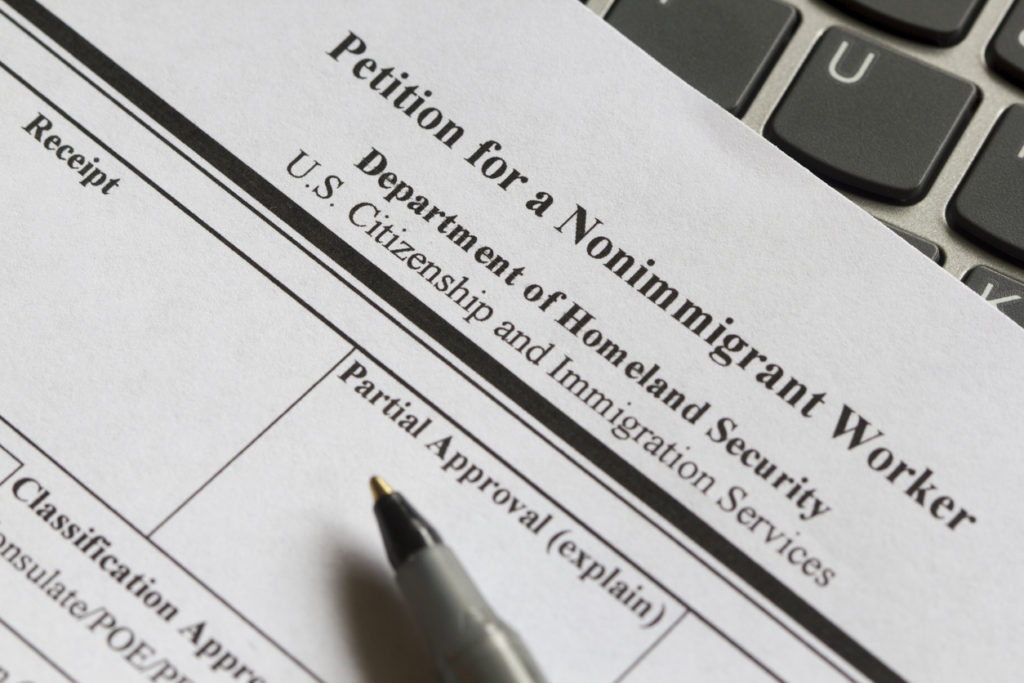
Form I-129 is a crucial immigration petition submitted to the United States Citizenship and Immigration Services (USCIS). Employers or sponsors use it to request permission for a foreign worker (the beneficiary) to work legally in the U.S.
This form can be downloaded from the USCIS website and is electronically fillable. Since accuracy is critical, any errors can delay processing. Many applicants opt to hire an immigration attorney to ensure proper completion. You could apply without a lawyer if you understand English well.
Purpose of Form I-129
Immigration Petition: Form I-129 serves as an official petition for work visas, including the O-1B artist visa.
Employer’s Role: The employer or sponsor submits the form as the petitioner, providing detailed information about the beneficiary (applicant) and the job being offered.
Submission Method: The form is available as a PDF. You have to complete it digitally before submission, along with the required supporting documents.
Importance of Accuracy
A properly completed Form I-129 is essential for a successful visa application. Mistakes or missing details may result in a Request for Evidence (RFE) from USCIS, causing delays.
Deadlines and Updates
Form I-129 has strict submission deadlines. Always check for the latest version on the USCIS website to ensure compliance. Filing an outdated form can lead to complications.
Role of an Immigration Attorney
Ensuring Accuracy
Immigration attorneys specialize in visa applications and can help minimize errors in Form I-129, reducing the risk of additional document requests.
Comprehensive Support
Attorneys provide end-to-end assistance, from form completion to legal consultation and case tracking. They can also help secure a Written Consultation, a key document for O-1B visa applications.
Conclusion
Form I-129 is a vital component of the U.S. artist visa application process. Ensuring accuracy and meeting deadlines are crucial for success. While hiring an attorney is optional, professional guidance can streamline the process and improve approval chances.
For more insights on the artist visa application, stay tuned to Goddess’ Bangs !