How to Use OMNY on NYC Buses | Transfers, Fares & Patrol Checks

How to Use OMNY on NYC Buses | Transfers, Fares & Patrol Checks

Hello! This is Maegami from the blog Goddess’ Bangs.
In New York City, OMNY is the new contactless payment system for subways and buses — similar to Japan’s PASMO, except it’s linked directly to your credit or debit card.

Estimated reading time: 3 minutes

[word_balloon id=”1″ size=”M” position=”L” radius=”true” name=”” balloon=”talk” balloon_shadow=”true”]

The bus is getting faster than ever- I see some improvement

[/word_balloon]

In this article, I’ll explain how to use OMNY on buses, including transfers, patrol checks, and things to watch out for.

Using OMNY on Buses

When you tap in with OMNY (or even a MetroCard), you automatically get one free bus transfer within two hours.

Important notes:

  • Subway-to-subway transfers are not possible with OMNY (same as MetroCard).
  • The free transfer is valid bus-to-bus or subway-to-bus only.

So if you first take the subway and then transfer to a bus within two hours, your bus ride will be free.

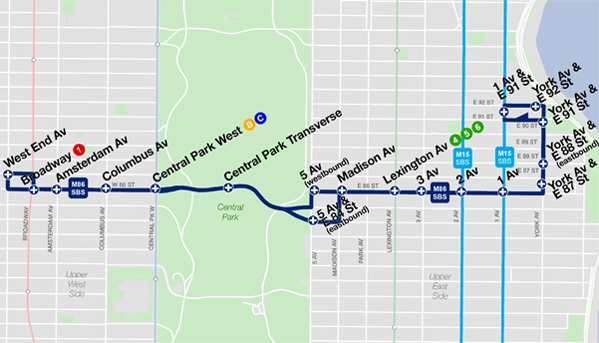
Special Case: Crosstown Buses on 86th Street

MTA buses in Manhattan, especially the crosstown routes, often use articulated buses (the long ones with two connected sections).

Unlike regular buses where passengers board only from the front, in New York you can also board from the middle or back doors. This helps save time during rush hour — but it also means some people try to ride without paying.

Because of this, MTA patrol officers occasionally board these buses to check payments.

Patrol Checks & Fines
Alt="New York City articulated crosstown bus on 86th Street"

If you’re riding without paying, you could face a $100 fine.

Here’s how it works:

  • MTA officers carry a device that scans your OMNY payment status.
  • If your payment shows as VALID, you’re safe.
  • If not, you’ll be asked to exit, give your personal details, and later pay the fine.

So even if it seems easy to sneak on, it’s not worth the risk. Always tap your OMNY card or phone before riding.

Can You Transfer Bus to Bus with OMNY?

Yes! If you tap into one bus, you can transfer to another bus for free within 2 hours.

However, a third transfer is not included. For example:

  • First bus → free transfer to second bus → third bus requires a new fare.

Conclusion

OMNY makes paying for New York City buses easy and fast, with free transfers included. Just remember:

  • Always tap in, even if the bus looks open.
  • Watch out for patrol checks — fines are expensive.
  • Use your 2-hour transfer wisely.

With OMNY, buses can be just as convenient as the subway.

Kura Sushi in Newport, Jersey City – A Convenient Spot for Downtown and Brooklyn Residents

Kura Sushi in Newport, Jersey City – A Convenient Spot for Downtown and Brooklyn Residents

Hello! This is Maegami from the blog Goddess’ Bangs. Following my visit to the Fort Lee branch of Kura Sushi, I decided to explore another location close to New York — this time in Newport, Jersey City.

[word_balloon id=”1″ size=”M” position=”L” radius=”true” name=”” balloon=”talk” balloon_shadow=”true”]

I was wondering how the new one?

[/word_balloon]

Kura Sushi in “New York” Is Actually in New Jersey

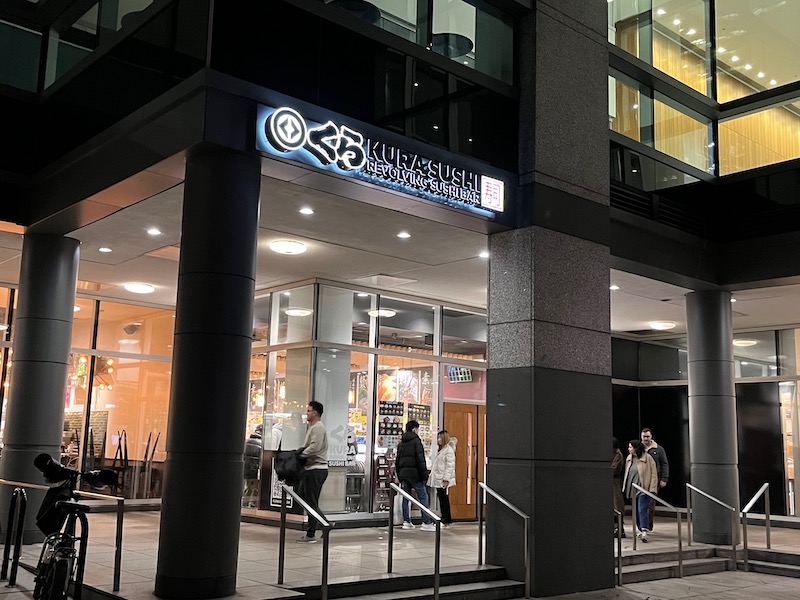
Alt="A picture of Kura Sushi Newport in a shopping mall"

Although people often call it “New York Kura Sushi,” the restaurant has been expanding across New Jersey. The Newport branch is technically the second Kura Sushi location in the area.

For those who live in Brooklyn or downtown Manhattan, this branch is much easier to reach than Fort Lee. If you’ve been missing sushi while living abroad, this is a great place to satisfy your cravings. Just note — you’ll need to take the PATH train to get there.

The Atmosphere at Kura Sushi Newport

Newport is a modern waterfront residential district filled with brand-new high-rises. The Kura Sushi here is located right under a shopping mall.

The entrance almost feels like you’re stepping into a game arcade — fun and casual, very much like the Kura Sushi experience in Japan.

How to Get to Kura Sushi Newport

To visit, take the PATH train, which is a different line from the MTA subway. You can catch the PATH from either World Trade Center or Penn Station.
The nearest station is Newport, and once you exit, the restaurant is just a short walk away.

This makes it especially convenient for people living in downtown Manhattan or Brooklyn.

Comparing Fort Lee and Newport Locations

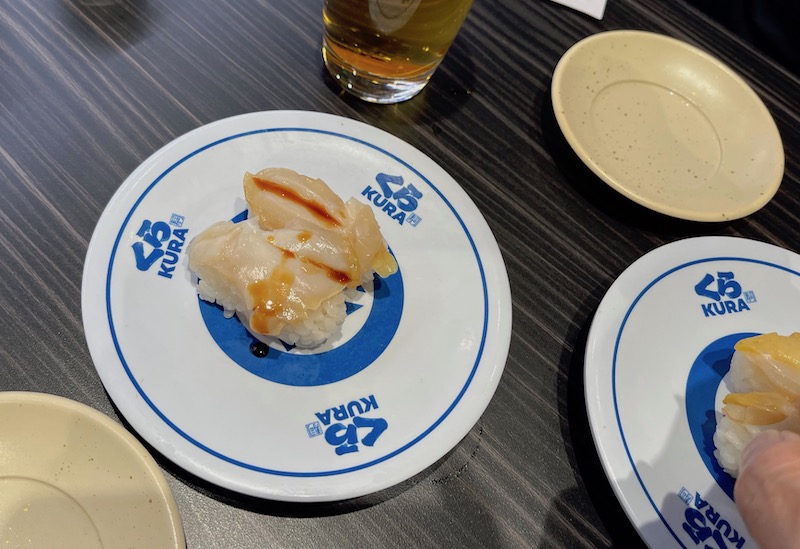
Alt="A picture of conch sushi at Kura sushi newport"

Kura Sushi first opened its U.S. East Coast location in Fort Lee, New Jersey, right across the George Washington Bridge. That location is more convenient for people living in uptown Manhattan, but for Brooklyn and downtown residents, it feels quite far.

Demographics around each branch also differ:

  • Fort Lee has a large Korean and Chinese community, along with some Japanese expatriates.
  • Jersey City (Newport) is more diverse, with many immigrants from India, Southeast Asia, and the Middle East, as well as professionals working in finance who live in the luxury apartments nearby.

Because of this, the menu items that are popular may vary. For example, Japanese curry is a surprising hit among Indian customers!

Quality of the Sushi

Between the two, the Fort Lee branch felt slightly better in terms of sushi quality — though of course, this is still within the “Kura Sushi standard.” Interestingly, even the plates differed between locations.

Still, if you’re craving sushi, the Newport branch offers a fun and satisfying experience.

Conclusion

If you live in Brooklyn or downtown Manhattan, the Newport branch of Kura Sushi is a convenient and lively spot to enjoy affordable sushi. While Fort Lee might still have the edge in sushi quality, both locations deliver the fun and casual experience that Kura Sushi is known for.

まとめ

Hunter College Elementary School in New York: A School for Gifted Children?

Hunter College Elementary School in New York: A School for Gifted Children?

If you’ve ever wondered where some of New York City’s most talented children go to school, chances are you’ve heard of Hunter College Elementary School (HCES). Often described as the most selective public elementary school in New York—and even harder to get into than Harvard—this school has become a dream for parents raising gifted children.

Estimated reading time: 3 minutes

As a piano teacher in New York, I’ve had the opportunity to teach two outstanding students who attend Hunter. Their stories shed light on the type of children who thrive in this unique academic environment.

What is Hunter College Elementary School?

Hunter College Elementary School is a public school for intellectually gifted children. According to The New York Times, it’s one of the most elite schools in NYC, with a strong reputation for sending graduates to Ivy League universities.

Each year, about 3,200 applicants compete for only 50 spots (25 boys and 25 girls). That makes it statistically harder to enter than Harvard.

Tuition

One of the most remarkable aspects of Hunter is that tuition is completely free.

The Admission Process

The selection process happens in two stages:

  1. First Stage – One-on-one evaluation with a psychologist, including IQ testing.
  2. Second Stage – Standardized exams in subjects such as English and Math.

Hunter is also considered a research school for gifted education, which makes it unique compared to other NYC public schools.

Why I’m Writing About Hunte

Recently, I saw a news story in Japan about a boy with an extremely high IQ who felt lost and unchallenged in school. It made me think about how schools like Hunter provide an outlet for gifted children—something I wish existed more in Japan.

Student A: Talented, Disciplined, and Highly Skilled

One of my former piano students, a Taiwanese girl, entered Hunter two years ago. She’s a remarkable child with a wide range of talents:

  • Played Chopin’s “Minute Waltz” at age 10
  • Won 1st place in Hunter’s annual Spelling Bee
  • Excels in swimming and fine arts
  • Studies violin in addition to piano

Her mother was initially very strict—even sitting in during piano lessons—but became more relaxed as the child grew older. Her father, by contrast, is mild-mannered and holds a Ph.D. from Columbia University, while her mother works as an anesthesiologist.

Student B: Quiet, Unique, and Naturally Gifted

Another student of mine, a Canadian-British girl, is very different but equally fascinating:

  • Recently started piano, learns very quickly
  • Loves insects (especially caterpillars!)
  • Practices martial arts (Taekwondo) and contemporary dance
  • Enjoys singing and is currently practicing Beatles songs

Her parents are both Ph.D. holders and university professors. Unlike Student A’s parents, they are not strict at all. Interestingly, her older sister—also my student—shows extraordinary musical expression.

Common Traits Among Hunter Students

While the two girls are quite different, both share:

  • High curiosity and memory skills
  • Supportive but academically ambitious parents
  • Exposure to arts, sports, and academics from an early age

Parents of Hunter students tend to observe lessons closely, but I always encourage them to give children space for creativity—especially in music.

A Note on Alumni

I also know a professional pianist who graduated from Hunter, went on to Harvard, and is now a brilliant improvisational performer. Truly a testament to how Hunter nurtures gifted minds.

Conclusion

Hunter College Elementary School isn’t just another NYC school—it’s a rare opportunity for gifted children to thrive academically and artistically. While it’s incredibly competitive, parents raising exceptionally bright children may find it worth exploring.

Café Maman NYC: A Charming Coffee Spot in the Upper East Side

Café Maman NYC: A Charming Coffee Spot in the Upper East Side

This time on my New York café-hopping series, I’m excited to introduce Café Maman. I recently visited their Upper East Side location, and it turned out to be one of the most delightful café experiences in Manhattan. From beautiful latte art to their unique tableware, Café Maman is a place that feels both stylish and comforting.

Where is Café Maman Located?

To my surprise, Café Maman has multiple locations across Manhattan, not just one shop. It seems that in New York today, it’s difficult for cafés to survive with only a single location, so many have expanded into boutique chains.

The Upper East Side branch I visited was once Irving Farm Café, but it was recently taken over and transformed into Maman.

Tip: There are also branches in SoHo, Tribeca, Nomad, and other Manhattan neighborhoods — perfect if you want to try it wherever you are in the city.

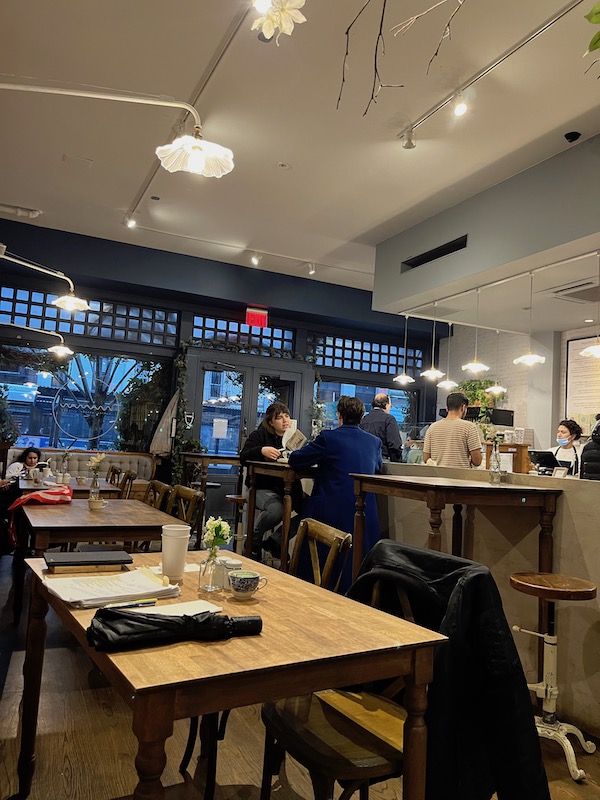
Atmosphere Inside Café Maman

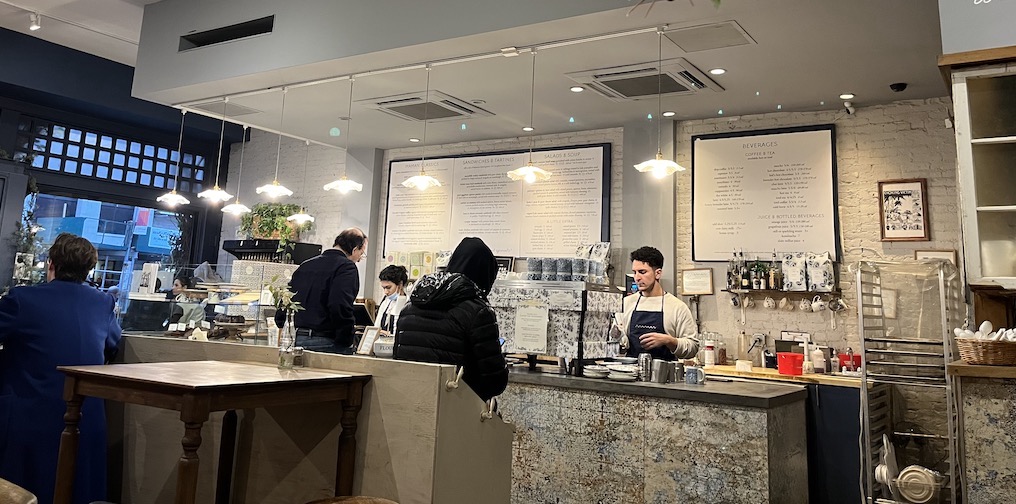
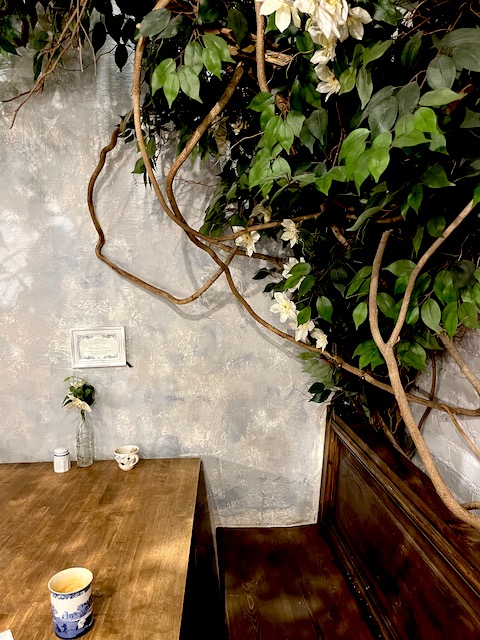
From my seat, the view was just adorable. Each corner of the café is thoughtfully decorated, creating a warm and inviting space.

But what caught my eye most were the dishes and mugs.

Unique Tableware That Stands Out

Have you ever walked into a café and noticed the cups they serve your coffee in?
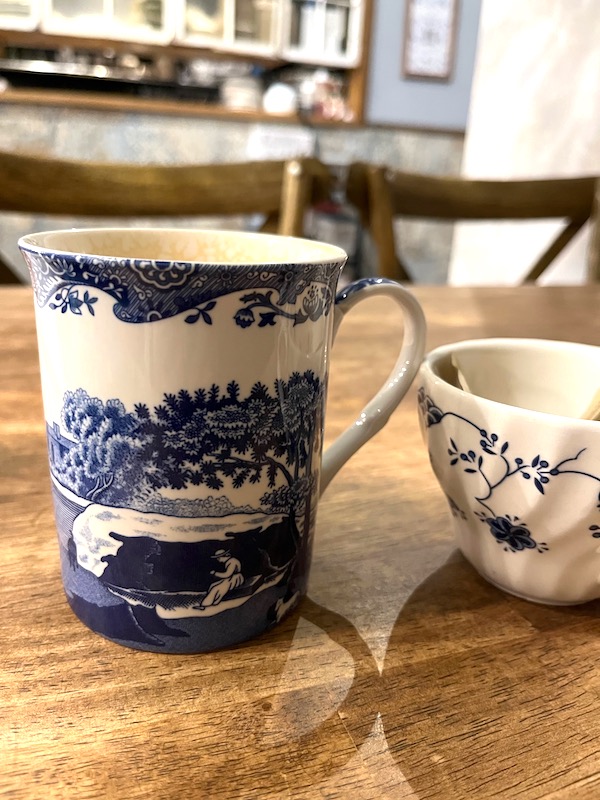
In New York, many cafés use plain white mugs or oversized latte cups. But Café Maman surprised me with something different — beautiful blue-and-white patterned tableware.

Their mugs and plates are from the Spode Blue Italian collection, a classic British brand. The designs are elegant, almost like looking at a piece of art. I immediately thought about buying a cup for myself — just seeing the patterns was soothing.

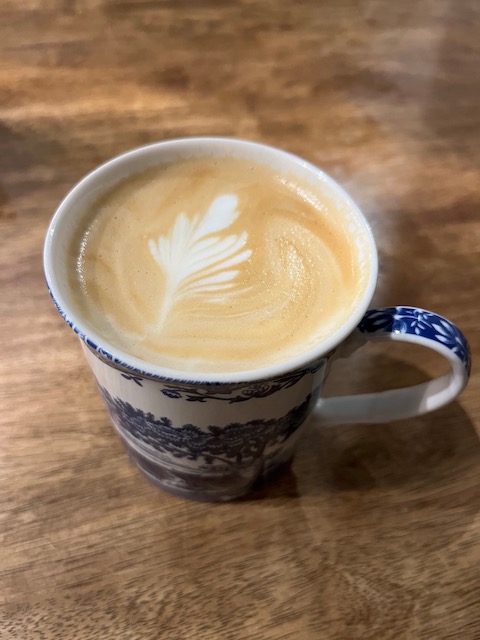
Bonus: Along with the coffee, they create lovely latte art that makes your drink even more enjoyable.

Final Thoughts

Café Maman is more than just another coffee shop. With its cozy atmosphere, signature blue tableware, and multiple locations across Manhattan, it brings a little charm and elegance to your everyday coffee break.

In today’s New York, many cafés are becoming chains, which sometimes feels a little bittersweet. Still, Café Maman manages to keep a personal and artistic touch.

Next time you’re in Manhattan, stop by Café Maman for a coffee that feels like a treat for both your taste buds and your eyes.

Don’t miss my post on another unique one-location café:
The Hungarian Pastry Shop in NYC

Spode Blue Italian – get in on Amazon buy it now

Back to Home

Cha Pa’s Pho Might Be the Best in Manhattan

Cha Pa’s Pho Might Be the Best in Manhattan

I’m a huge fan of pho, and I’ve written before about Saigon Shack in West Village. But recently, I discovered a Vietnamese restaurant that might be even better: Cha Pa’s.

Estimated reading time: 4 minutes

[word_balloon id=”1″ size=”M” position=”L” radius=”true” name=”” balloon=”talk” balloon_shadow=”true”]

Probably it’s the best so far but less potion is cons.

[/word_balloon]

Surprisingly, many Vietnamese spots in Chinatown aren’t as good anymore. Instead, Midtown, the Upper West Side, and the Upper East Side now offer higher-quality Vietnamese food. This shift probably comes from the growing Asian community thriving in Manhattan. And Cha Pa’s is a standout.

Where is Cha Pa’s?

You’ll find Cha Pa’s Vietnamese Kitchen near 52nd Street and 8th Avenue in Manhattan—just a short walk from Times Square. I actually came from Columbus Circle, walking down 8th Avenue, which was a nice stroll before a satisfying meal.

First Impressions

Alt="a picture of inside of Cha Pa's restaurant"

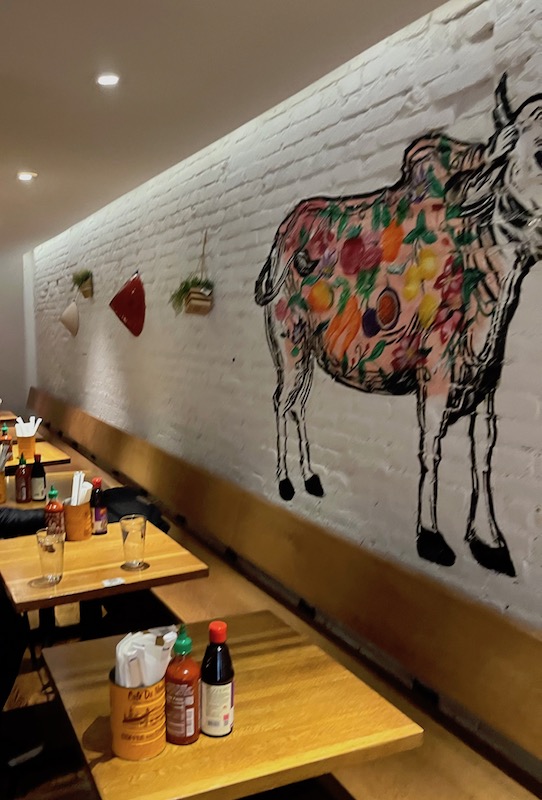
I arrived right at opening time, around 11 a.m., and within minutes the restaurant was packed with customers. The vibe is clean, modern, and welcoming—very different from the typical Chinatown pho spots. Even the décor, like the cute cow illustrations, adds charm.

The Menu: Pho and More

Alt="The menu of Cha Pa's'

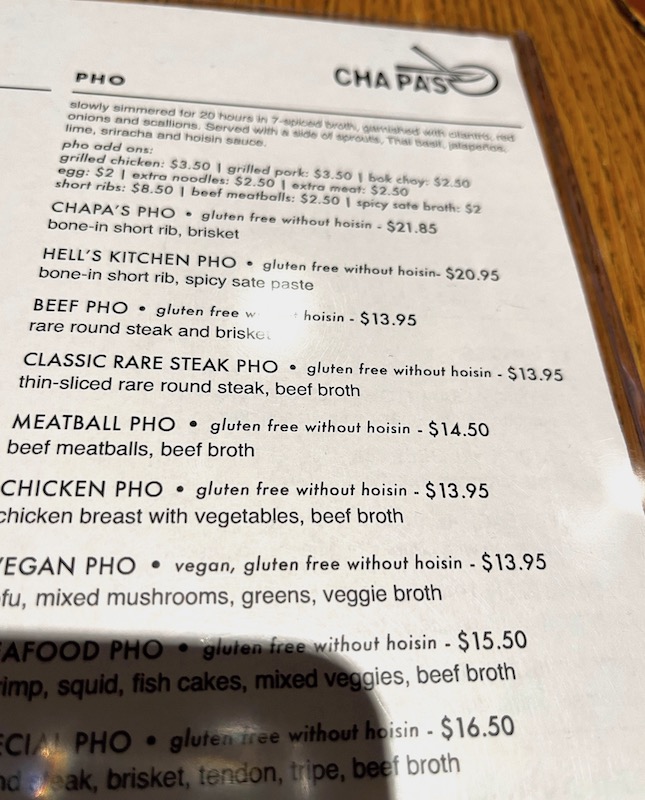
Cha Pa’s offers a wide variety of pho options, which immediately impressed me. But before diving into the soup, I tried their summer rolls—and wow.

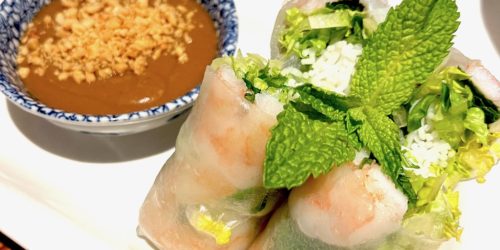
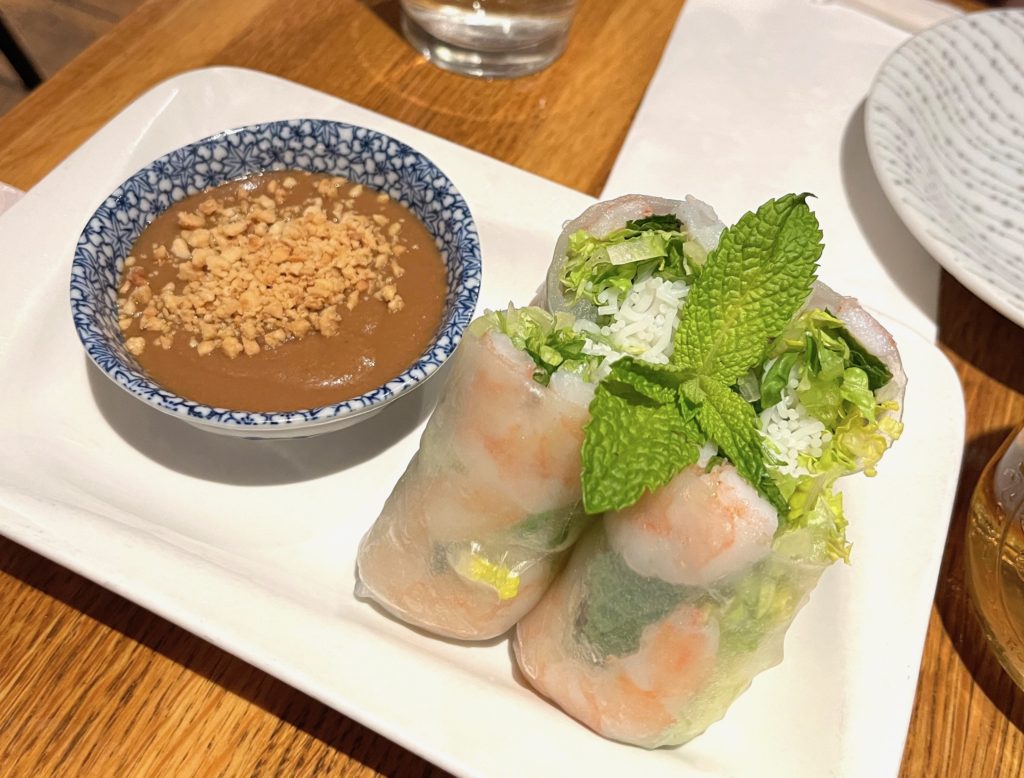
These were the most carefully prepared summer rolls I’ve ever had. The dipping sauce was peanut-butter based, reminding me of the sauce at Pho Grand on Grand Street. The fresh mint garnish was a nice touch that elevated the whole experience.

Alt="A photo of Summer roll with a mint on top of it"

The Pho: Rich Soup, Perfect Noodles

Alt="The picture of Pho with flank"
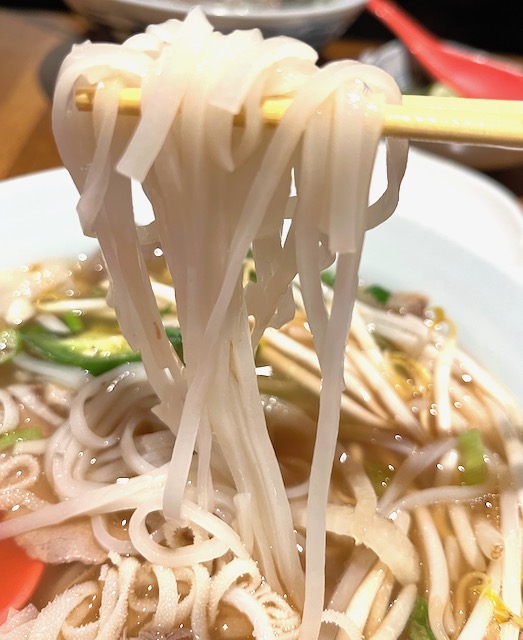
Alt="the picture of closed up noodles to show the texture"

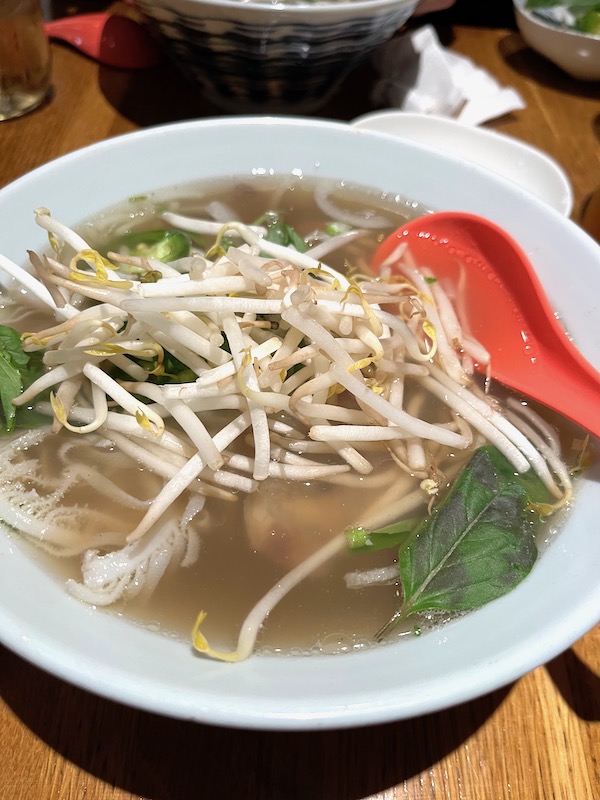
Now, onto the main event. Cha Pa’s pho soup was the clearest, richest broth I’ve had in New York. Most pho broths tend to be mild, which makes people reach for hoisin or sriracha. But here, the flavor was bold enough to stand on its own. No extra sauce needed.

The noodles also stood out—they were slightly chewy and firm enough to hold with chopsticks without breaking apart. That texture made the whole bowl even more enjoyable.

Quality Over Quantit

Cha Pa’s isn’t about oversized portions—it’s about quality. From the rich broth to the springy noodles, every detail was thoughtfully crafted.

Final Thoughts

Cha Pa’s might just serve the best pho in Manhattan. The highlights for me were the deeply flavorful soup and the chewy noodles, both rare finds in New York’s pho scene. If you’re visiting Midtown or Times Square, this spot is absolutely worth a stop. I know I’ll be going back.

The Life-Changing Power of Vipassana Meditation Benefits

The Life-Changing Power of Vipassana Meditation Benefits

What Is Vipassana Meditation?

Vipassana meditation ( Website ) is one of the oldest and most respected meditation techniques in the world. I personally experienced it through a 10-day Vipassana meditation course, and the impact on my daily life has been profound.

Estimated reading time: 3 minutes

This practice is so popular that it’s often fully booked months in advance. For those living in New York, you can register through the Vipassana Meditation USA website, while centers in Japan also offer the same retreat.

Books about Vipassana may provide background, but the real benefits come only through immersive practice at a meditation center.

Why Daily Vipassana Meditation Practice Matters

After attending the retreat, I committed to meditating one hour each morning and one hour each evening. Making it a daily meditation routine has been the key to unlocking the true power of Vipassana.

Even just weeks into practice, I noticed remarkable Vipassana meditation benefits in my daily life.

The Personal Benefits I Experienced with Vipassana Meditation

While results differ for everyone, these are the Vipassana meditation benefits I personally experienced:

  • No longer comparing myself to others
  • Letting go of unhealthy attachments
  • Staying calm without anger
  • Stronger professionalism at work
  • Better efficiency and memory
  • Sharper focus and concentration

The most transformative shift was the disappearance of anger. By understanding that anger comes from attachment—whether to people, outcomes, or even my own ego—I was finally able to let it go.

Vipassana Meditation and Anger Management

In today’s world, anger management is a valuable skill. Anger can damage careers, health, and relationships.

Before Vipassana, I thought I wasn’t an angry person—but I realized that even small frustrations, like being pushed in the subway, triggered irritation.

With Vipassana, I developed the ability to observe emotions without reacting. This simple shift created peace of mind and improved my well-being.

Vipassana Meditation Benefits for Work and Income

One unexpected result of my daily practice was an increase in income. By quieting unnecessary thoughts and emotions, I was able to:

  • Stay focused at work
  • Avoid distractions from social media
  • Handle human relationships more calmly

This clarity improved my productivity and opened new opportunities. Truly, Vipassana meditation benefits extend beyond inner peace—they can also support career and financial growth.

Vipassana Meditation and Healing Relationships

Another surprising effect was how it helped me manage a difficult long-term relationship. For years, I dealt with frustrating behavior from a family I worked with.

Through Vipassana, I learned to:

  • Set healthy boundaries
  • Respond calmly instead of with anger
  • Approach situations with professionalism

This shift not only protected my mental health but also completely changed the dynamic of our interactions.

Why You Should Try a 10-Day Vipassana Course

Since practicing Vipassana meditation daily, my life has become calmer, healthier, and more focused.

Even though yoga and Hindu breathing techniques differ, Vipassana and Buddhism don’t reject them—they can complement each other.

If you’re seeking inner peace, clarity, and freedom from unnecessary anger or attachment, I highly recommend the 10-day Vipassana meditation retreat. The benefits are lasting and truly life-changing.

Whole Foods Can Actually Be Affordable—If You Have an Amazon Card

Is Whole Foods Really Expensive? Maybe Not.

Whole Foods often gets the reputation of being pricey, but that might not be the full story. Recently, I’ve been seeing an acupuncturist who also gives me valuable lifestyle and nutrition advice. She’s a highly sought-after practitioner who has even been featured in Forbes.

According to her, vegetables from Trader Joe’s are a big “no.” Coming from the countryside, I used to compromise on produce quality, but she was right—many of the vegetables simply lack flavor. If you want truly fresh and nutritious produce, Whole Foods is the better choice.

When I lived in the Lower East Side, visiting the Whole Foods on Houston Street became part of my daily routine.

Why Whole Foods Is Affordable with an Amazon Card

Here’s the secret: with an Amazon Card, Whole Foods isn’t just about variety and nutrition—it can actually be cheaper than you think. Surprisingly, you don’t even need to maintain a Prime membership to get the benefits. I found that you can still use the Amazon Card years after canceling Prime, and it continues to offer great discounts.

Personally, I let go of my Prime membership because I didn’t mind waiting for deliveries, but I kept the Amazon Card. It’s a titanium Mastercard, much like the Apple Card, and I’ve been able to use it almost everywhere—even in Japan.

Whole Foods App + Amazon Card = Extra Savings

alt="A picture of Whole Foods app icon"

Do you have the Whole Foods app? If not, it’s worth downloading. By registering your Amazon Card on the app, you’ll not only earn points but also unlock exclusive sale prices. Fresh produce, in particular, often comes at a significant discount.

Freshness, Variety, and Local Produce

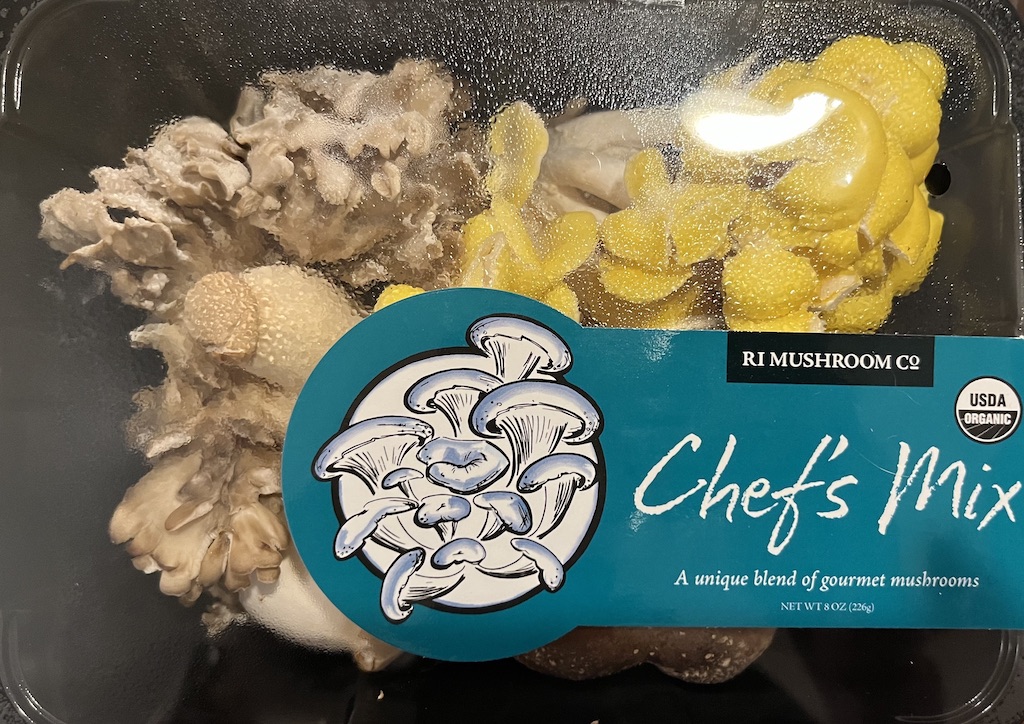
alt="assorted mushrooms sold at Amazon as a local product"

When it comes to your health, Whole Foods is the smarter option. While locally grown vegetables are always best, Whole Foods offers fresh, high-quality alternatives. Trader Joe’s produce, in contrast, often lacks flavor.

For example, here’s a photo of mushrooms I bought at Whole Foods—sourced directly from upstate New York. Simply sautéed in butter, they taste incredible. These specialty items are something you can’t easily find at Trader Joe’s.

Final Thoughts

If you have an Amazon Card, shopping at Whole Foods can be both affordable and health-conscious. It’s not just about finding the cheapest price—it’s about choosing food that truly nourishes your body.

I hope this inspires you to look at Whole Foods in a new way!

Vipassana Meditation: My 10-Day Silent Retreat Experience

Vipassana Meditation: My 10-Day Silent Retreat Experience

vipassana meditation image 10 days course

Estimated reading time: 4 minutes

Vipassana meditation is a traditional Buddhist practice that cultivates inner peace and insight. In the winter of 2022, I attended a 10-day Vipassana meditation retreat in Massachusetts first time. That year had been difficult—family conflicts left me feeling broken and lost. I decided it was time to face myself, and Vipassana became my path to healing.

What Is Vipassana Meditation?

Vipassana means “insight” in Pali, the ancient Buddhist language. It is a meditation technique that helps practitioners observe reality as it is—free from illusion, attachment, or prejudice.

During the 10-day course:

  • Silence is required (no talking to other participants).
  • No phones, computers, or writing.
  • The focus is solely on meditation, self-reflection, and discipline.

At first, I hesitated. I worried about not practicing piano for 10 days or disconnecting from people. But I realized those fears came from attachment. Letting go opened the door to deeper understanding.

Safety and Integrity of Vipassana

In Japan, meditation can sometimes be misunderstood due to past cult scandals. But Vipassana is not a sect or business. It is a universal method of mental training, available to anyone.

The program is run by volunteers, with teachers following the tradition of S.N. Goenka, who spread Vipassana worldwide. After the retreat, participants return home with greater clarity, balance, and energy.

Cost and Donations

One of the unique aspects of Vipassana: there is no fee to join.

  • Lodging and meals are provided.
  • At the end, you may donate based on your capacity.
  • I personally offered $300—modest compared to what I received.

These donations support centers around the world, allowing new meditators to experience the same benefits.

The Core Lesson: Equanimity

The most powerful teaching of Vipassana is equanimity—the ability to remain balanced regardless of pleasure or pain.

  • You learn to let go of attachments and aversions.
  • Old mental patterns dissolve.
  • Suffering (“dukkha”) is reduced at its root cause.

This training helps not only in meditation but in daily life, relationships, and work. Since practicing Vipassana, my focus improved, my productivity doubled, and anger rarely arises.

Inside the 10-Day Course

Each day begins at 4:00 AM with hours of meditation. Meals are vegetarian, and evenings include Goenka’s recorded discourses.

The process unfolds in stages:

  1. Days 1–3: Anapana meditation (observing the breath).
  2. Days 4–7: Vipassana practice (scanning body sensations with awareness).
  3. Days 8–10: Deepening the practice, breaking mental patterns.

It is intense: pain, tears, even strange dreams arise. But by Day 9, a lightness appears. On the final day, silence ends, and conversations flow joyfully.

Beyond the Retreat

Vipassana doesn’t end after 10 days. Daily practice is encouraged:

  • 1 hour in the morning, 1 hour in the evening.
  • Over time, it reshapes your mind and transforms your reactions.

For me, Vipassana has become a lifelong tool for clarity and compassion.

Why You Should Try Vipassana

Vipassana is not about religion or dogma. It is a practice of self-observation and liberation.

  • It teaches resilience.
  • It dissolves illusions.
  • It strengthens compassion for oneself and others.

There are centers worldwide—including in Japan—welcoming anyone ready for the journey inward.

Conclusion

My 10 days of Vipassana meditation were some of the hardest—and most rewarding—days of my life. At first, the silence and discipline seemed impossible. Yet by the end, I discovered freedom from old mental habits and a new way of living.

If you’re curious, I encourage you to attend a retreat yourself. Ten days may feel long, but the wisdom and peace you gain will last a lifetime.

Back to Home

Steinway Hall New York: A Tour Through History

Steinway Hall New York: A Tour Through History

Estimated reading time: 5 minutes

In the heart of Manhattan’s Midtown lies Steinway Hall, home to the world’s most coveted pianos. For over a century, Steinway has symbolized both musical excellence and New York’s cultural elite. Once a Rococo-style salon near Carnegie Hall, Steinway Hall has transformed into a modern architectural gem. Let’s take a look at the old Steinway Hall and its present-day piano salon in New York.

Where Is Steinway Hall Today?

The current Steinway Hall is located at:
1133 Avenue of the Americas, New York, NY 10036

Interestingly, this building once housed the International Center of Photography (ICP Museum). When I first moved to New York, I remember seeing photo books by the Japanese photographer Nobuyoshi Araki displayed in the windows. Today, those same windows reveal gleaming black Steinway grand pianos under bright lights.

In 2016, Steinway Hall relocated here after its legendary 57th Street salon closed due to a lease expiration. That move was bittersweet, as generations of musicians had cherished the old space. The historic building has since been converted into condominiums.

Alt="A picture of the old Steinway hall"

The Old Steinway Hall (1925–2014, 57th Street)

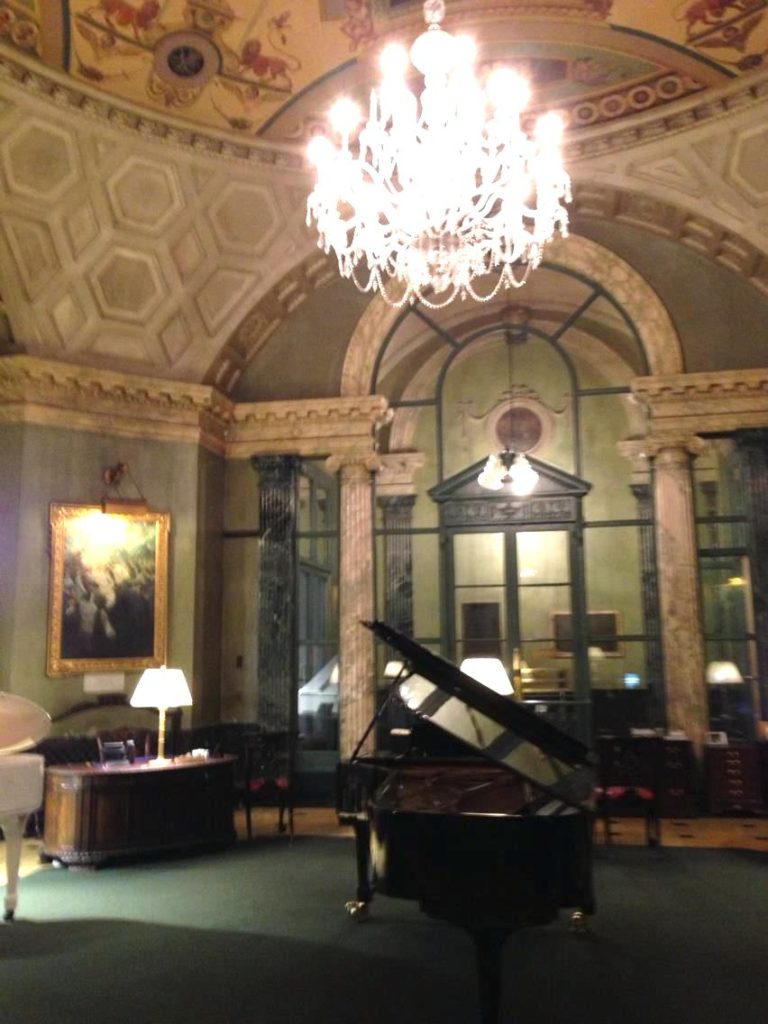
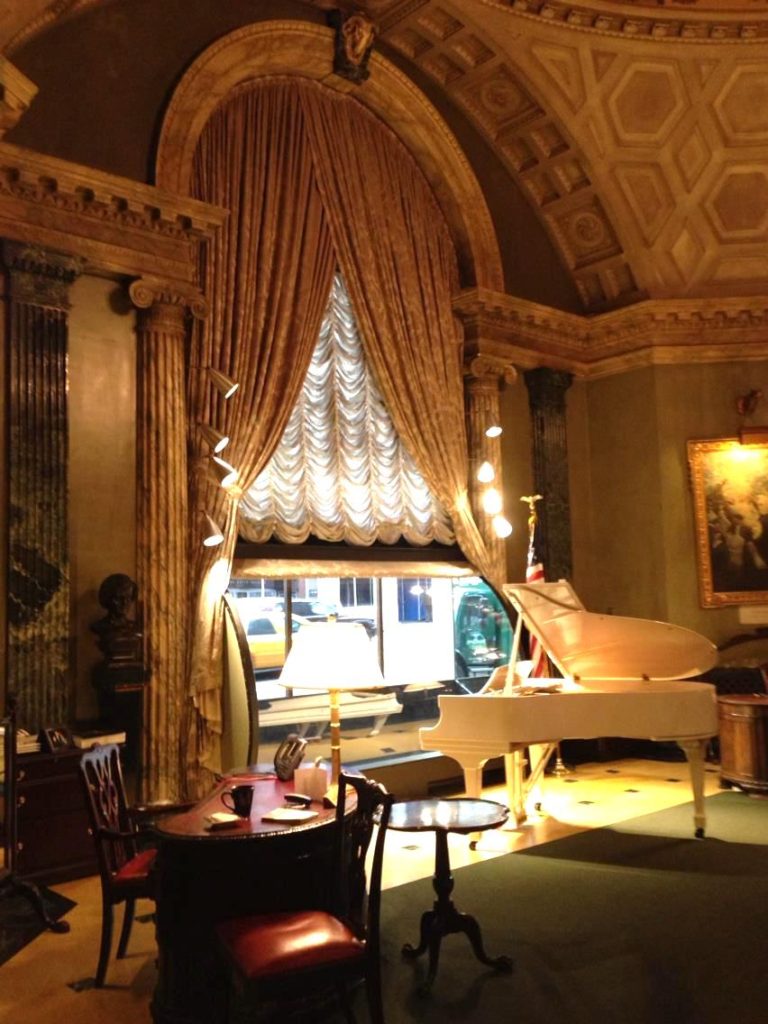
The former Steinway Hall on West 57th Street was a stunning Rococo-inspired interior. Its chandeliers and ornate details reflected European luxury and the grandeur of the Romantic music era.

This was not just a showroom—it was a cultural salon where pianists like Arthur Rubinstein and Vladimir Horowitz frequently performed. Even my own piano professor held his doctoral recital there.

Alt="The old Steinway Hall with a beautiful white grand piano by the window"

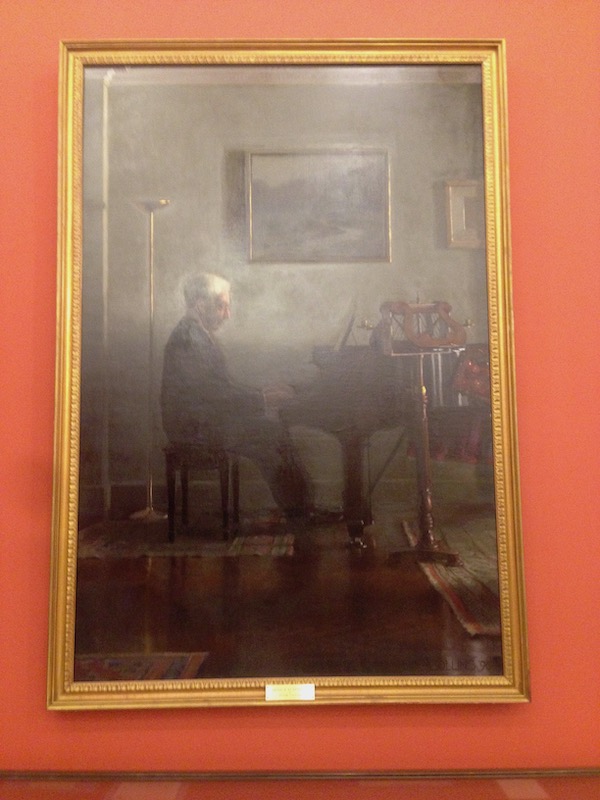
One highlight was the Rubinstein Room, with salmon-pink walls influenced by German design. Inside, visitors could play the pianos, admire Rubinstein’s portrait, and even see a bronze cast of his hands. The atmosphere evoked both pre-war Europe and post-war New York, a mix of glamour and history.

alt="A picture of Rubinstein room in salmon red"
alt="A panting of Arthur Rubinstein's portrait"

The Modern Steinway Hall (Since 2016, Midtown)

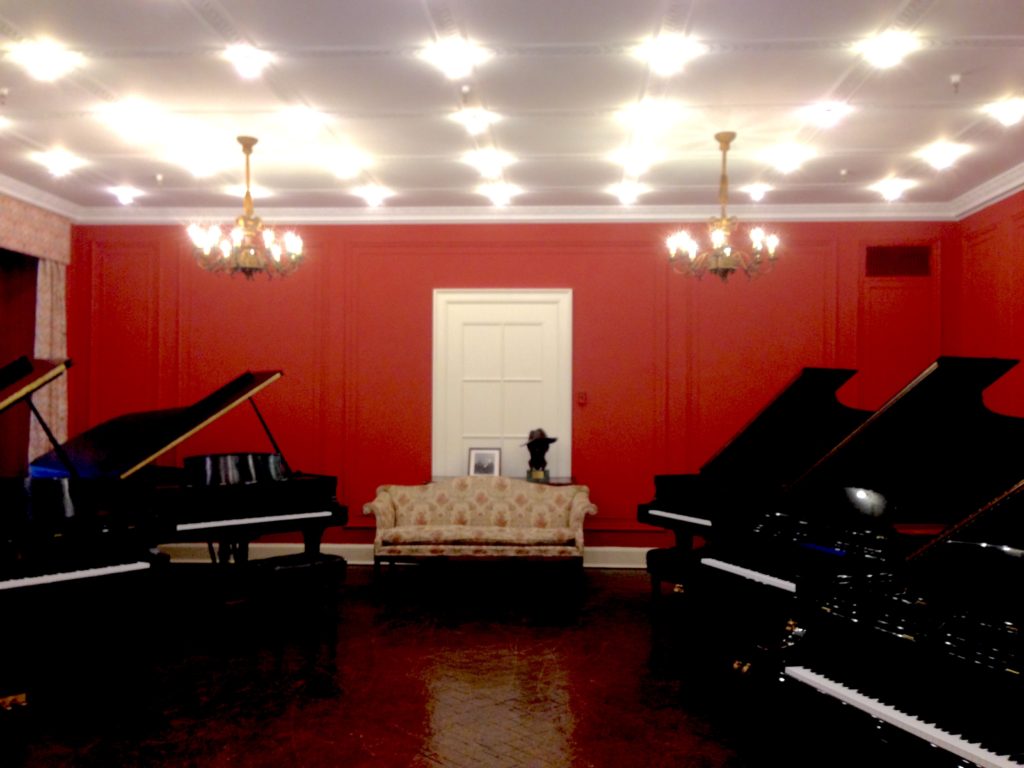
Step into today’s Steinway Hall, and you’ll find a completely different atmosphere. The chandeliers are gone, replaced by sleek minimalism.

  • Reflective black pianos line the glass walls.
  • The ceiling curves echo the shape of grand pianos.
  • The design reflects minimalist music, reminiscent of American composers like Steve Reich and Philip Glass.

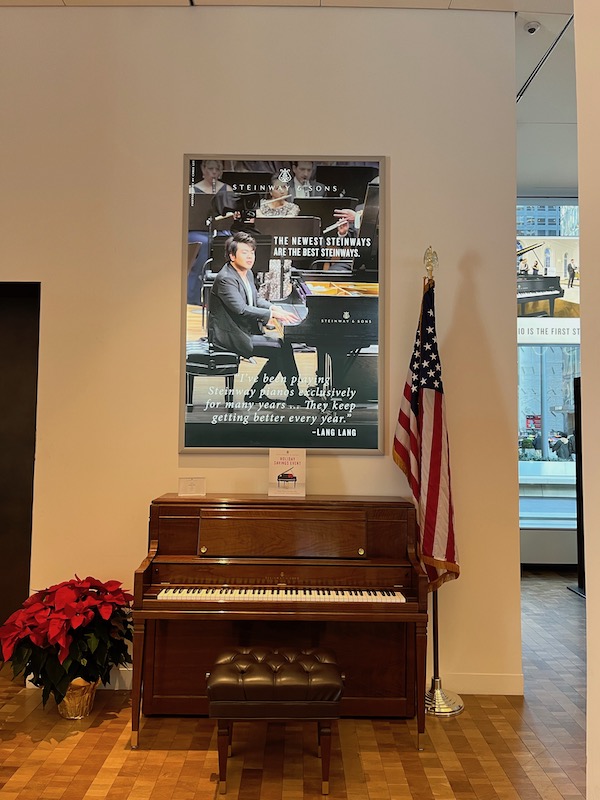
Where Rubinstein and Horowitz once dominated, today you’ll find Steinway Artists such as Lang Lang and YuJa Wang featured in displays and promotional material.

A Hidden Lighting Masterpiece

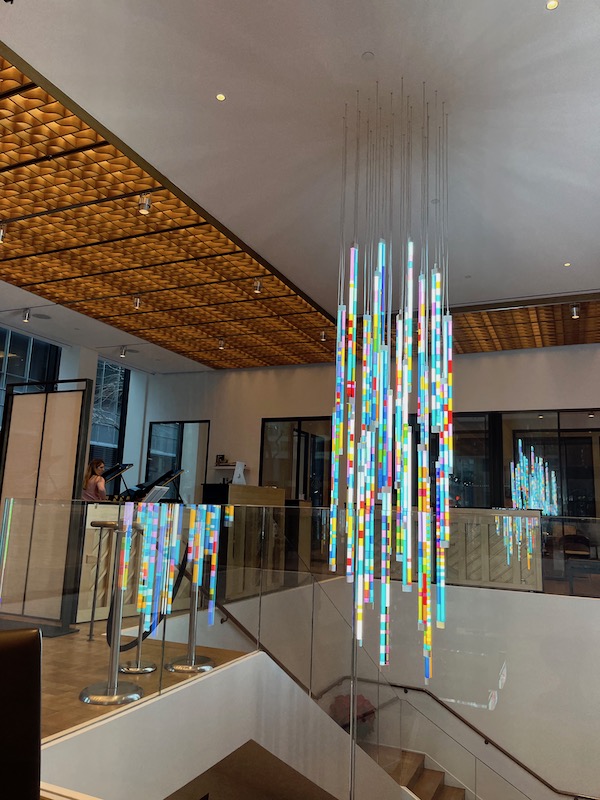
One of the most breathtaking features of the new Steinway Hall is its lighting installation, inspired by Bach’s Goldberg Variations. Each hanging light represents one of the 30 variations, resembling a cascade of origami cranes.

alt="new Steinway Hall's lighting installation, inspired by Bach’s Goldberg Variations"

This design is only visible if you walk to the back of the showroom, making it a delightful surprise for visitors. Architecture lovers will find this as inspiring as the pianos themselves.

Why Steinway Remains a Symbol of New York

From its Rococo origins to its sleek modern incarnation, Steinway Hall has always been more than a piano showroom. It is a space where history, music, and architecture meet.

Whether you admire its past grandeur or today’s minimalist elegance, Steinway Hall continues to represent the pinnacle of piano craftsmanship and cultural prestige in New York City.

alt="the pianist Lang Lang's poster above a brown upright Steinway piano and American Flag on the side"

Conclusion

The history of Steinway Hall is deeply intertwined with Manhattan itself. From 14th Street in the 19th century, to 57th Street’s legendary salon, and now Midtown’s glass-walled modern hall, Steinway has reinvented itself while staying true to its legacy of excellence.

For musicians, music lovers, and architecture enthusiasts alike, Steinway Hall remains a must-visit destination in New York City.

Return to Home

Repair Your Patagonia Down Jacket in New York and Wear It Longer

Repair Your Patagonia Down Jacket in New York and Wear It Longer

Patagonia recycle or fix

Estimated reading time: 4 minutes

Patagonia is known for being durable, lightweight, and stylish, making it popular not only among outdoor enthusiasts but also city dwellers in winter. In this article, I’ll share how you can repair your Patagonia down jacket in New York and why this practice aligns with Patagonia’s philosophy of sustainability.

A Brand with Purpose: Yvon Chouinard’s Vision

Patagonia’s founder and philanthropist, Yvon Chouinard, transferred ownership of the company to a nonprofit group called The Holdfast Collective. This means Patagonia can no longer be publicly traded or inherited by his children. Instead, all profits (after operating costs) are directed toward protecting nature.

Chouinard lives a modest life—he drives a Subaru, wears old clothes, and dislikes being listed as a billionaire. A passionate climber and environmentalist, he has always pushed for a business model that protects the planet.

As he once said in The New York Times:

“I was in Forbes magazine listed as a billionaire, which really, really pissed me off. I don’t have $1 billion in the bank. I don’t drive Lexuses.”

How Much Does Patagonia Repair Cost?

Surprisingly, repairs are free—you only cover shipping.

  • Sending fee: You pay for shipping to Patagonia (usually under $10).
  • Return fee: A flat $5 charge.

This is far cheaper than having your jacket fixed at a local tailor.

How Long Does a Repair Take?

Patagonia’s repair service is thorough, but patience is required.

  • My husband’s jacket took 3 months to return.
  • In some cases, it can take up to a year.

If you’re planning to repair your jacket, don’t expect it back right away—prepare a backup for the winter season.

What Does the Repair Look Like?

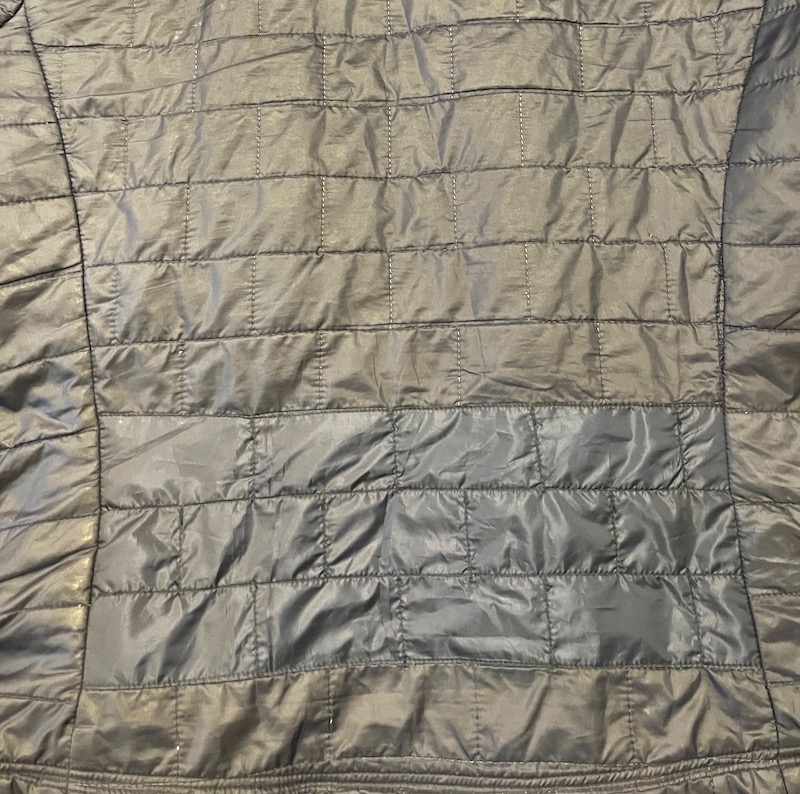
Alt=" A picture of a part of outfit after the repair"

When we received the jacket back, we noticed the repaired fabric was slightly different in color under certain light. Since it was an older model, Patagonia used newer material for the patch. But it looks ok.

To us, this wasn’t a problem. In fact, it tells a story: we care about our belongings and about the planet. Still, some people who value a “perfect” finish might find it noticeable.

Repair as a Fashion Trend

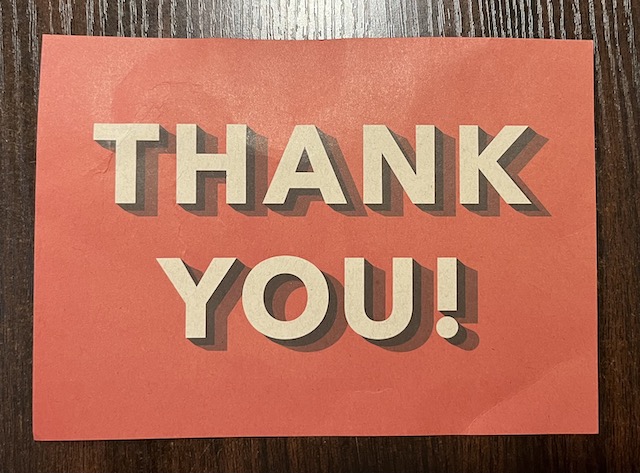
Alt="Patagonia sent me a Thank you card"
Thank you card

We live in a time when repairing and reusing clothes is becoming a fashion statement. As awareness of climate change grows, more people are moving away from fast fashion and embracing sustainable choices.

Patagonia even includes a “Thank You” card with their repairs, encouraging customers to continue supporting a culture of long-lasting clothing.

Moving Beyond Fast Fashion

The era of buying cheap clothes and throwing them away after a short time should be behind us. Fast fashion companies often overproduce, sell at massive discounts, and landfill unsold inventory.

Patagonia stands against this model by promoting long-term use and repair. Their philosophy proves that caring for clothes can also mean caring for the environment.

Conclusion

Repairing your Patagonia down jacket is not only cost-effective but also a way to participate in a sustainable lifestyle. If Yvon Chouinard had opened Patagonia to the stock market, this philosophy of “wear longer, waste less” might not have survived.

By choosing repair over replacement, we support a new kind of capitalism—one that values people and the planet over profit.

Return to Home