Best Piano Method Books: A Teacher’s Top Recommendations

Best Piano Method Books: A Teacher’s Top Recommendations

Hello! I’m Maegami, author of the blog “Goddess Bangs”.
As a piano teacher in the U.S. for over 15 years, I’ve tested many method books with students of all ages. Today, I’ll share my top recommended piano books, carefully selected from my teaching experience.

Choosing the right piano method book is a big step for beginners. The right book can make practice enjoyable and help students build a strong foundation.

1. John Thompson’s Easiest Piano Course

Why it’s recommended:
A timeless classic for beginners. Suitable for both children and adults, this book introduces note reading and essential techniques step by step.

Features:

  • Clear explanations
  • Wide variety of practice songs
  • Easy for self-learners

Get it on Amazon

2. Schmitt: Preparatory Exercises Op.16

Why it’s recommended:
Perfect for finger training once students know the basics. If you want your child to play faster passages or prepare for music school, this is essential.

Features:

  • Focuses on finger independence
  • Uses 5-finger exercises for strength and agility
  • A favorite in my own teaching and practice

Find it here

3. Piano Adventures

Why it’s recommended:
Ideal for children who want to naturally learn music theory while playing.

Features:

  • Covers styles from pop and jazz to classical
  • Easy, fun arrangements
  • Teaches rhythm and chords—great for American-style music education

See on Amazon

4. Hanon: The Virtuoso Pianist

Why it’s recommended:
A must for intermediate and advanced players who want to build stronger technique.

Features:

  • Repetition-based exercises
  • Improves speed, precision, and endurance
  • Requires patience but leads to strong technical ability

Get it here

5. Czerny Piano Studies

Why it’s recommended:
Trusted by professional pianists worldwide. Famous works like Op.599 (Practical Method) and Op.299 (School of Velocity) build both technique and musicality.

Features:

  • Wide range of difficulty levels
  • Great for scale practice and articulation
  • Strengthens both hands evenly

Check it out

6. Alfred’s Basic Piano Library

Why it’s recommended:
A comprehensive method covering all ages and levels. From beginner basics to more advanced techniques, this series supports steady progress.

Features:

  • Comes with CDs and digital tools
  • Play along with recordings for effective home practice
  • Highly recommended for adult learners too!

Buy on Amazon

Final Thoughts

This was my recommended piano method book ranking, based on years of teaching. Whether you’re a beginner child or an advanced student, these books provide the right tools for progress.

For children: any illustrated or fun book works fine to start.
For Hanon or Czerny: wait until you can read sheet music well, and check with your teacher before beginning.

Happy practicing, and may your piano journey be joyful!

The Prestige of Sacred Heart: New York’s Elite Girls’ School Nurturing Future Leaders

The Prestige of Sacred Heart: New York’s Elite Girls’ School Nurturing Future Leaders

Hello! I’m Maegami, author of the blog “Goddess Bangs”. Today, from the theme of education in New York, I’d like to introduce one of the city’s most prestigious schools: Sacred Heart.

Estimated reading time: 4 minutes

When choosing an educational environment for your child, balancing academic excellence with character development is essential. Among New York’s many renowned institutions, Sacred Heart Girls’ High School stands out. Did you know Lady Gaga is an alumna?

Alt="Lady Gaga found in the alumna photo"

This article shares the school’s unique appeal, insights from my own visit, and the inspiring history of its founder who pioneered women’s education.

What Is Sacred Heart Girls’ School?

Sacred Heart is a Catholic-based institution that educates future leaders with strong values and a global vision. With schools not only in New York but also across the world, Sacred Heart emphasizes both academics and personal growth.

Admission is open to students of all religions. One of my own students, a Hindu, is happily studying here.

The History of the Founder

Sacred Heart traces its roots back to Madeleine Sophie Barat, a French educator and nun who founded the Society of the Sacred Heart in Paris in 1800.

Alt="A portrate of Madeleine Sophie Barat"

After the French Revolution, Barat believed deeply in the need for women’s education. Her mission was to provide a holistic education based on faith, compassion, and intellectual growth.

Her philosophy—“education of the heart”—remains central today. Students are nurtured not only in academics but also in empathy, service, and leadership.

Education and Curriculum

Alt="a picture of class room"

Sacred Heart provides a well-rounded program designed to cultivate the next generation of leaders.

  • Diverse Curriculum: Beyond core subjects, students study STEM, arts, and languages. Facilities include science labs, a recording studio, and even fashion-related classes.
  • Leadership Development: Programs encourage students to voice opinions confidently and lead with impact.
  • Global Perspective: With sister schools in Africa, India, and beyond, international exchanges foster cultural understanding and global awareness.

Student Life and Culture

Sacred Heart is known for its supportive and collaborative environment. Students participate in sports, arts, music, and drama, creating a vibrant school life.

One of my piano students joined the school orchestra and musicals, and her growth was remarkable. Although she once struggled with music theory, her piano playing improved rapidly after entering Sacred Heart. She’s now preparing for the ABRSM Grade 8—the highest level!

Alumni and Future Pathways

Graduates of Sacred Heart move on to top universities such as Harvard, Columbia, and Johns Hopkins. Lady Gaga’s leadership and creativity also reflect the school’s spirit of empowerment.

My own student dreams of pursuing brain research and plans to apply to Johns Hopkins University.

Tuition and Costs

Annual tuition varies by grade. For the 2023–2024 academic year:

  • Kindergarten–8th grade: approx. $53,000–$54,000
  • High school (Grades 9–12): approx. $60,000

Additional costs include uniforms, books, extracurricular activities, and exchange programs. Financial aid and scholarships are available to support families.

Be sure to check the official school website for the latest tuition details.

Conclusion

Sacred Heart Girls’ School in New York continues to uphold the vision of its founder, Madeleine Sophie Barat: an education that values both intellect and compassion.

While tuition is undeniably high, the school’s rich history, international network, and commitment to developing future leaders make it one of the best options for girls’ education in New York.

Fun fact: The campus neighbors the Cooper Hewitt Smithsonian Design Museum, adding even more cultural richness to the learning environment.

Alt="the beautiful stair at Sacred of Hearts building"
Alt="an old decor of the school building"

Learn English with Trader Joe’s Fearless Flyer!

Learn English with Trader Joe’s Fearless Flyer!

Hello! This is Maegami from the blog Goddess Bangs. Today, let’s explore a fun way to study English using Trader Joe’s unique catalog—the Fearless Flyer.

Studying English with textbooks alone can feel boring and hard to continue. But with the witty and playful Fearless Flyer, you can naturally improve your English vocabulary and expressions while enjoying the process.

What Is the Fearless Flyer?

Alt="an excerpt of Fearless Flyer at Trader Joes"

The Fearless Flyer is Trader Joe’s monthly product catalog, available in stores and online. Unlike ordinary catalogs, it’s filled with clever writing, humor, and stylish expressions. By reading it, you’ll naturally pick up practical English phrases you can use in daily conversations.

Why Use the Fearless Flyer for English Learning

Here’s why the Fearless Flyer is perfect for international students and English learners:

  1. Rich Vocabulary
    You’ll find not only food-related words but also everyday phrases and metaphors. It’s a treasure chest of unique expressions!
  2. Casual, Friendly Writing Style
    The text is light, conversational, and close to spoken English, making it easier to understand and apply in real life.
  3. Humor Everywhere
    Studying English doesn’t have to feel stiff. The Flyer is full of jokes and creative comparisons that make learning fun.

How to Study English with the Fearless Flyer

Step 1: Read Aloud
Choose a product description and read it out loud. This helps improve your listening and pronunciation while getting used to natural English rhythm.

Step 2: Note Down Vocabulary
Words like crispy, tangy, or indulgent appear often. Write them down and practice using them in your daily conversations.

Step 3: Enjoy the Humor
Understanding puns and playful wording helps you learn cultural nuances of English. At first it may be tricky, but you’ll gradually catch the meaning.

Example Product Descriptions for Learners

  • Dark Chocolate Peanut Butter Cups
    → Words like indulgent and sinful mean “luxurious” or “decadent,” perfect for describing food or experiences.
  • Organic Roasted Seaweed Snack
    → Described as crispy and savory, useful adjectives for talking about taste and texture.

How to Access the Fearless Flyer

  • Download: Available in PDF format from Trader Joe’s official website.
  • In Store: Pick up a copy when you shop at Trader Joe’s.
  • Online Reading: Click products for detailed descriptions and extra vocabulary practice.

Final Thoughts

Trader Joe’s Fearless Flyer is more than just a shopping catalog—it’s a fun, creative tool to learn English. You’ll expand your vocabulary, get used to natural expressions, and enjoy the humor of American culture.

Next time you visit Trader Joe’s or browse their website, grab the Fearless Flyer and turn your grocery shopping into an English lesson!

How to Get a U.S. High School Equivalency: The GED Option

How to Get a U.S. High School Equivalency: The GED Option

Hello everyone! This is Maegami from the blog Goddess Bangs. Many people believe you need to graduate from high school in your home country to study abroad in the U.S., but that’s not necessarily true. Even if you didn’t finish high school in Japan (or elsewhere), you can still pursue education and career opportunities in America. Website

One way to achieve this is by earning the GED (General Educational Development), which is recognized as the equivalent of a U.S. high school diploma.

What Is the GED?

The GED is a standardized test that certifies high school-level academic skills in the United States. Passing the exam proves you have the same knowledge as a U.S. high school graduate. For international students, it’s a valuable qualification that opens doors to higher education and employment.

Benefits of Earning a GED

  1. Expand Your Education Options
    With a GED, you can apply to community colleges and universities across the U.S.—even top universities if you achieve strong results.
  2. Better Job Opportunities
    Many employers require a high school diploma or equivalent. Having a GED makes job hunting in the U.S. much smoother.
  3. A Second Chance to Learn
    Even if you left high school early, the GED gives you another opportunity to continue your education—an important aspect of American education culture.

GED Test Subjects

The GED is divided into four subjects:

  • Math
  • Science
  • Social Studies
  • Reasoning through Language Arts (Reading & Writing)

You must pass all four tests to receive your GED diploma. Good news for Japanese students: the math section is often considered easier, roughly at middle school level in Japan.

Eligibility Requirement

To take the GED, you typically need to:

  • Be 16 years or older (some states require 18+)
  • Not have a U.S. high school diploma
  • Reside in the U.S. (rules vary by state)

How to Prepare for the GED

  • Online Study Resources
    Use the official GED website or education platforms offering practice questions, mock exams, and study guides.
  • Japanese Resources
    Leverage Japanese-language books or YouTube tutorials to make learning easier.

How to Register for the GED

  1. Create an Account on the official GED website
  2. Select a Test Center and Date
  3. Pay the Fee (about $30–40 per subject, varies by state)
  4. Bring Valid ID (such as a passport) on exam day

Can You Take the GED in Japan?

Currently, the GED is not available in Japan. You must travel to the U.S. or Canada to take the test at an official center. However, you can prepare thoroughly online before sitting for the exam abroad.

Important Notes

  • State Differences: Each U.S. state may have different fees, rules, and registration steps. Always check local requirements.
  • English Proficiency: Since the exam is in English, strong reading and writing skills are crucial—especially for the Language Arts section.

Final Thoughts

Earning a GED in the U.S. is a powerful way to open doors to higher education and career opportunities. While you cannot take the exam in Japan, careful preparation with online resources can make success very achievable.

For many international students, the next step after earning a GED is enrolling in a community college—a pathway that often leads to university and beyond.

Related Articles

The Cooper Union: History, Founder, and How to Get In

The Cooper Union: History, Founder, and How to Get In

Hello, this is Maegami from the blog Goddess’ Bangs.Today, I’d like to introduce one of New York’s most prestigious universities: The Cooper Union for the Advancement of Science and Art, commonly known as The Cooper Union. This unique school is famous for offering top-quality education in art, architecture, and engineering, and historically, it was tuition-free.

What is The Cooper Union?

Located in Manhattan’s East Village, The Cooper Union was founded in 1859 by Peter Cooper, a businessman, inventor, and philanthropist. His vision was to create a place where anyone, regardless of background, could access higher education.

Peter Cooper’s daughter, Sarah Cooper Hewitt, later established the Cooper Hewitt Museum, further extending the family’s impact on arts and design.

Peter Cooper’s Vision

Peter Cooper grew up in poverty and never had access to a full education, an experience that shaped his lifelong mission. He dedicated his success in industry and invention to creating a school where education was free and open to all.

His vision is similar to Andrew Carnegie, who also rose from poverty to become one of America’s great philanthropists.

The Cooper Union in U.S. History

The school is not only an academic institution but also a place of historic importance. In 1860, Abraham Lincoln delivered his famous anti-slavery speech at Cooper Union’s Great Hall. This powerful speech helped him secure the presidency. Since then, the Great Hall has been a gathering place for many important lectures, debates, and cultural moments.

Fusion of Art, Architecture, and Engineering

Cooper Union has three main schools:

  • Art – known for its avant-garde curriculum and notable alumni.
  • Architecture – offering a highly respected program.
  • Engineering – blending theory and practice in innovative ways.

This combination makes Cooper Union a hub where art and science meet.

How to Apply to The Cooper Union

Admission to Cooper Union is highly selective. Here’s a breakdown of the process:

1. Application

All applications are submitted online via the official Cooper Union website. Depending on the program, additional materials such as portfolios may be required.

2. Entrance Exams

Each school has different requirements:

  • Art: portfolio and creative assessment.
  • Architecture: portfolio, essays, possibly interviews.
  • Engineering: academic exams, essays, and interviews.

3. Portfolio Submission

For Art and Architecture, a high-quality portfolio is essential. This should showcase your creativity, technical skills, and unique style.

4. Interviews

Some programs require interviews, giving students the opportunity to explain their motivation, vision, and how they plan to use their education after graduation.

5. Scholarships & Tuition

Originally, all students received a full scholarship, making tuition free. While that is no longer the case, Cooper Union still offers generous financial aid and scholarships, making it more affordable than most private universities.

Conclusion

The Cooper Union remains one of the most respected universities in New York, with a deep history rooted in educational equality, innovation, and cultural impact. For students passionate about art, architecture, and engineering, it offers a challenging but rewarding path.

Preparing for admission requires dedication, but if you’re ready to take on the challenge, The Cooper Union can be life-changing.

Related Articles

Kura Sushi in Scarsdale, New York: A Dining Report

Hello, this is Maegami from “Megami’s Bangs.” Today, I continue my New York restaurant series with a review of Kura Sushi in Scarsdale.

I used to think, “If I want real sushi, I’ll wait until I go back to Japan.” But recently, while exploring Upstate New York, I discovered a Kura Sushi. Living in New York, sushi is something you inevitably crave, so this became my third Kura Sushi report.

Past reviews: Kura Sushi Newport and Kura Sushi Fort Lee.

Where is Kura Sushi Scarsdale?

Alt"a sushi ordering price board at Kura Sushi Scarsdale"

Scarsdale is an affluent suburb about 30 minutes north of Manhattan by car. Many Japanese expats live in the area, so it’s not surprising that Kura Sushi chose this location.

Prices at Kura Sushi New York

When I visited Kura Sushi in New Jersey, each plate was $3.00.
In Scarsdale, however, the price had gone up to $3.95 per plate — about ¥600 in Japanese yen! A bit expensive compared to Japan, but I decided to try it anyway.

What I Ate at Kura Sushi Scarsdale

Kura Sushi isn’t just about sushi; you can enjoy other Japanese-style small plates as well. Here’s what I ordered:

  • Grilled Butter Salmon – rich and savory, though surprisingly served on a sushi plate.
  • Vegetable Tempura ($9) – a bit thin, but lightly fried.
  • Karaage (fried chicken) – crispy and satisfying.
  • Mysterious diced gunkan – possibly octopus, interesting but unusual.
  • Scallops – fresh and delicious, reminding me of Hokkaido flavors.
  • Negitoro – looked unusual, almost like chicken meatballs, but edible.
  • Kumamoto Beef – served cold and crispy, but not quite what I expected.

In total, with tip included, the bill came to about $100 (¥14,500).

Craving Fresh Sushi in New York?

While Kura Sushi is fun and convenient, if you’re craving truly fresh sushi, I recommend visiting Hashi Market in Tribeca.

Conclusion

Kura Sushi in Scarsdale offers a casual sushi experience, but at a higher price compared to other New Jersey locations. Perhaps the upscale neighborhood explains the markup. Still, I hope to see improvements in freshness and quality.

Kura Sushi in Scarsdale, New York: A Dining Report

Hello, this is Maegami from “Megami’s Bangs.” Today, I continue my New York restaurant series with a review of Kura Sushi in Scarsdale.

I used to think, “If I want real sushi, I’ll wait until I go back to Japan.” But recently, while exploring Upstate New York, I discovered a Kura Sushi. Living in New York, sushi is something you inevitably crave, so this became my third Kura Sushi report.

Past reviews: Kura Sushi Newport and Kura Sushi Fort Lee.

Where is Kura Sushi Scarsdale?

Scarsdale is an affluent suburb about 30 minutes north of Manhattan by car. Many Japanese expats live in the area, so it’s not surprising that Kura Sushi chose this location.

Prices at Kura Sushi New York

When I visited Kura Sushi in New Jersey, each plate was $3.00.
In Scarsdale, however, the price had gone up to $3.95 per plate — about ¥600 in Japanese yen! A bit expensive compared to Japan, but I decided to try it anyway.

What I Ate at Kura Sushi Scarsdale

Alt="salmon grill with vegetables'

Kura Sushi isn’t just about sushi; you can enjoy other Japanese-style small plates as well. Here’s what I ordered:

Alt="kara-age chiken with mayo"
  • Grilled Butter Salmon – rich and savory, though surprisingly served on a sushi plate.
  • Vegetable Tempura ($9) – a bit thin, but lightly fried.
  • Karaage (fried chicken) – crispy and satisfying.
  • Mysterious diced gunkan – possibly octopus, interesting but unusual.
  • Scallops – fresh and delicious, reminding me of Hokkaido flavors.
  • Negitoro – looked unusual, almost like chicken meatballs, but edible.
  • Kumamoto Beef – served cold and crispy, but not quite what I expected.

In total, with tip included, the bill came to about $100 (¥14,500).

Craving Fresh Sushi in New York?

While Kura Sushi is fun and convenient, if you’re craving truly fresh sushi, I recommend visiting Hashi Market in Tribeca.

Conclusion

Kura Sushi in Scarsdale offers a casual sushi experience, but at a higher price compared to other New Jersey locations. Perhaps the upscale neighborhood explains the markup. Still, I hope to see improvements in freshness and quality.

– Discover Oishinbo Japanese Store in Harrison: A Hidden Gem for Authentic Japanese Goods

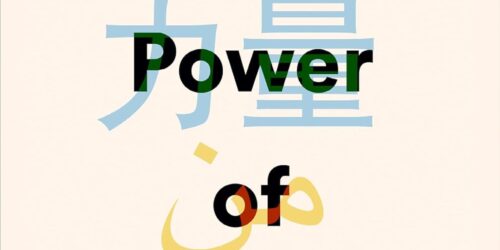
Recommended Book – The Power of Language by Viorica Marian

Recommended Book – The Power of Language by Viorica Marian

Hello, this is Maegami from the blog Megami no Maegami! Today, I’d like to introduce one of my favorite English books: The Power of Language by Viorica Marian.

→ Check it out on Amazon

→ Watch Viorica Marian on YouTube (Pivot Official Channel)

A Book That Unlocks the Power of Language

The Power of Language is written by linguist Viorica Marian, who has spent years researching how speaking multiple languages transforms the brain. Her studies reveal how bilingualism and multilingualism improve memory, creativity, and problem-solving skills.

For Japanese readers learning English, this book is an inspiring guide to understanding the benefits of multilingualism and how it can strengthen your “English brain.”

Why Multilingualism Matters

In the book, Marian explains how becoming multilingual keeps the brain more active and flexible. For English learners in Japan, knowing these benefits can boost motivation and make language learning more rewarding.

She also highlights how learning a new language enhances memory, focus, and decision-making skills—all of which can be applied to everyday life.

Key Takeaways for Japanese Reader

Practical advice for learners – If you’re struggling with language study, this book provides insights and steps to become more confident.

Science-backed knowledge – Based on Dr. Marian’s research, the book shares credible data and examples.

Language as a tool for growth – It shows how language influences the way we think, make choices, and even shape our future paths.

Who Should Read The Power of Language?

  • English learners who want to know how language changes the brain.
  • Anyone interested in neuroscience and how language impacts cognition.
  • Self-growth enthusiasts looking for ways to expand their perspective through language.

Final Thoughts

The Power of Language is a must-read for anyone curious about how words shape our minds and lives. For Japanese English learners, it’s not just about studying vocabulary—it’s about unlocking the full potential of multilingualism.

Language is more than communication; it’s a key to personal growth and new perspectives.
Why not pick up this book today and start your journey?

→And if you’re looking for another inspiring read, check out Tara Westover’s Educated.

Rising Rent Prices in New York City – 2024 Update

Rising Rent Prices in New York City – 2024 Update

Hello! This is Maegami from the blog Megami no Maegami. Today, I’d like to share useful information for anyone considering moving to New York City. One of the biggest concerns? Rent prices. Let’s take a look at the current rental situation in NYC.

Estimated reading time: 3 minutes

The Reality of NYC Rent

New York City has always been known for its high cost of living. In 2024, rent prices continue to rise, putting financial pressure on many residents. Students, in particular, often have no choice but to live in shared apartments.

For newcomers, another challenge is the credit history requirement. Many landlords ask for proof of credit history, which can be a disadvantage for those who are new to the U.S.

Average Rent Prices in New York City (2024)

Here’s a snapshot of average monthly rent for a one-bedroom apartment across the boroughs:

  • Manhattan – Around $4,500 (¥670,000). Luxury areas are often higher.
  • Brooklyn – Around $3,500 (¥520,000) and rising quickly.
  • Queens – About $2,800 (¥420,000), considered more affordable but still expensive.
  • Bronx & Staten Island – More budget-friendly, averaging $2,000 (¥300,000).

→ Read more about living in the Bronx here

Why Are NYC Rents So High?

Several factors are driving the ongoing rent hikes:

  1. Increased demand – Post-pandemic, more people have moved back to NYC, creating housing shortages.
  2. Inflation & higher costs – Rising taxes and maintenance costs have led landlords to increase rent.
  3. Remote & hybrid work – More people want to live closer to Manhattan or Brooklyn, pushing prices higher.

Rent Control in NY

Some New Yorkers are protected by Rent Control and Rent Stabilization policies, which limit sudden rent increases. However, these rules also reduce available housing and make the open market even more competitive.

Many long-term Japanese residents in NYC (myself included) benefit from rent-stabilized apartments.

Tips for Finding an Apartment in NYC

If you’re planning to rent in New York, preparation is key. Here are some tips:

  • Use an agent – They can provide updated listings and negotiation support.
  • Research rent prices – Know the average cost by neighborhood before signing.
  • Check the contract carefully – Always confirm extra fees and terms.
  • Leverage your network – Sometimes, friends share information about rent-stabilized apartments.

Final Thoughts

As of 2024, NYC rent remains extremely high, especially in popular areas like Manhattan and Brooklyn. If you’re planning to move here, careful budgeting, thorough research, and a smart rental strategy are essential.

New York is exciting, but it’s important to understand the true cost of living before making the leap.

Top 10 Recommended Cosmetics from Trader Joe’s

Top 10 Recommended Cosmetics from Trader Joe’s

Hello! This is Maegami from the blog The Goddess’s Bangs. Today, I’m bringing you another installment of the Trader Joe’s recommendation series!

[word_balloon id=”1″ size=”M” position=”L” radius=”true” name=”” balloon=”talk” balloon_shadow=”true”]

Trader Joe’s cosmetics are amazing!

[/word_balloon]

Trader Joe’s isn’t just about groceries — it’s also a hidden gem for high-quality cosmetics. Their skincare and body care products are made with natural ingredients at affordable prices, making them popular among beauty enthusiasts. Here are 10 must-try cosmetics from Trader Joe’s!

1. Rose Water Facial Toner

This rose water-based facial toner hydrates and refreshes your skin. It’s perfect for adding a quick burst of moisture to dry skin.

2. Ultra Hydrating Gel Moisturizer

A lightweight gel moisturizer that provides deep hydration. It’s ideal for oily or combination skin types.

3. Coconut Body Butter

This rich body butter with a coconut scent deeply nourishes your skin, leaving it soft and smooth. A winter essential!

4. Micellar Cleanser & Makeup Remover Towelettes

Convenient cleansing wipes that remove makeup and cleanse your face in one go. Perfect for on-the-go touch-ups.

5. Enrich Moisturizing Face Lotion SPF 15

A moisturizing face lotion that also offers SPF 15 protection. Its light texture makes it easy to include in your daily routine.

6. Tea Tree Tingle Shampoo & Conditioner

Infused with tea tree oil, this shampoo and conditioner refresh and invigorate the scalp. Ideal for oily hair types.

7. Lavender Salt Scrub

This lavender-scented salt scrub gently exfoliates dead skin cells, leaving your skin silky smooth. It’s perfect for a relaxing bath time.

8. Vitamin E Oil

Packed with nourishing Vitamin E, this versatile oil soothes dry or damaged skin. Use it for facial care, body care, or even cuticle care.

9. Trader Joe’s Daily Facial Sunscreen Broad Spectrum SPF 40

A lightweight sunscreen with a smooth finish — no greasy residue! It’s great for wearing under makeup.

[word_balloon id=”1″ size=”M” position=”L” radius=”true” name=”” balloon=”talk” balloon_shadow=”true”]

I’m using this sunscreen too, and I love it!

[/word_balloon]

10. Rich Hydrating Face Sheet Mask

A luxurious sheet mask that deeply hydrates your skin. It’s perfect for a quick skincare boost, even on busy days.

Conclusion

Trader Joe’s cosmetics are a fantastic option for those looking for natural, budget-friendly skincare. Give these products a try and incorporate them into your daily beauty routine!

Related Articles


Yuval Noah Harari and Vipassana Meditation

Yuval Noah Harari and Vipassana Meditation

Hello! This is Maegami from the blog Goddess’ Bangs. Recently, I joined a 10-day Vipassana meditation retreat. During my stay, I met a woman from Israel who had also come to practice.

When speaking about Israel, the first thing that comes to mind is last year’s Hamas attack and the ongoing military actions by the Netanyahu government in Gaza and the West Bank. Naturally, she opposes the current administration. While fighting back tears, she told me something unforgettable:

“If everyone practiced Vipassana meditation, there would be peace.”

She also introduced me to the Vipassana Center in Israel, where, to my surprise, one of the teachers is none other than Yuval Noah Harari.

[word_balloon id=”1″ size=”M” position=”L” radius=”true” name=”” balloon=”talk” balloon_shadow=”true”]

You might know him

[/word_balloon]

Who Is Yuval Noah Harari?

Yuval Noah Harari is a world-renowned historian and thinker from Israel. His bestselling books include:

  • Sapiens: A Brief History of Humankind
  • Homo Deus: A Brief History of Tomorrow
  • 21 Lessons for the 21st Century

Sapiens on Amazon → https://amzn.to/3VPi42f

Homo Deus on Amazon → https://amzn.to/4gPdnz2

21 Lessons for the 21st Century on Amazon → https://amzn.to/4pXzS9m

Through these works, Harari explores humanity’s past, present, and future from a unique perspective. His insights into technology, ethics, and the risks posed by artificial intelligence have influenced global leaders, scholars, and intellectuals.

In New York, among my musician friends and intellectual circles, his books are almost required reading.

Harari and Vipassana Meditation

Harari has openly shared that Vipassana meditation is central to his intellectual and creative process. This ancient Indian practice involves observing the mind and body with clarity and calm, cultivating self-awareness and inner peace.

He dedicates two months every year to complete silence and intensive Vipassana practice. According to him, this period of retreat provides the mental clarity to step back from the noise of modern life and gain deep insights about himself and the world.

Why Vipassana Matters in Harari’s Work

Harari argues that rapid technological progress—especially in AI—demands more ethical awareness and mindfulness. Meditation, for him, is a tool to steady the mind and face these challenges with clarity.

Many of his profound reflections on AI, human identity, and future ethics stem directly from his meditation practice.

What Is Vipassana Meditation?

Vipassana, meaning “clear insight”, was taught by the Buddha more than 2,500 years ago. It involves observing sensations, thoughts, and emotions objectively to understand the root of suffering and move toward liberation.

Unlike religious rituals, Vipassana is a universal practice—anyone can join, regardless of faith. Harari himself is Jewish, but he emphasizes that meditation transcends religion.

Harari’s Message for Modern Society

In today’s information-saturated world, Harari reminds us that silence, focus, and self-reflection are more essential than ever. His books, combined with his Vipassana practice, offer practical wisdom for navigating the challenges of the 21st century.

Vipassana is not just a meditation technique—it’s a way to cultivate resilience, ethical clarity, and balance in an age of constant distraction.

Conclusion

Yuval Noah Harari is not only a brilliant historian but also a dedicated Vipassana meditator. His writings and practice together provide powerful insights into the present and future of humanity.

If you haven’t read his works yet, I recommend starting with Sapiens or 21 Lessons for the 21st Century. For me, reading them in English was even easier than in Japanese! Next on my list is Nexus.

Return to Home