Cospa Ramen in New York City: A Light and Satisfying Japanese Ramen Experience
Estimated reading time: 4 minutes
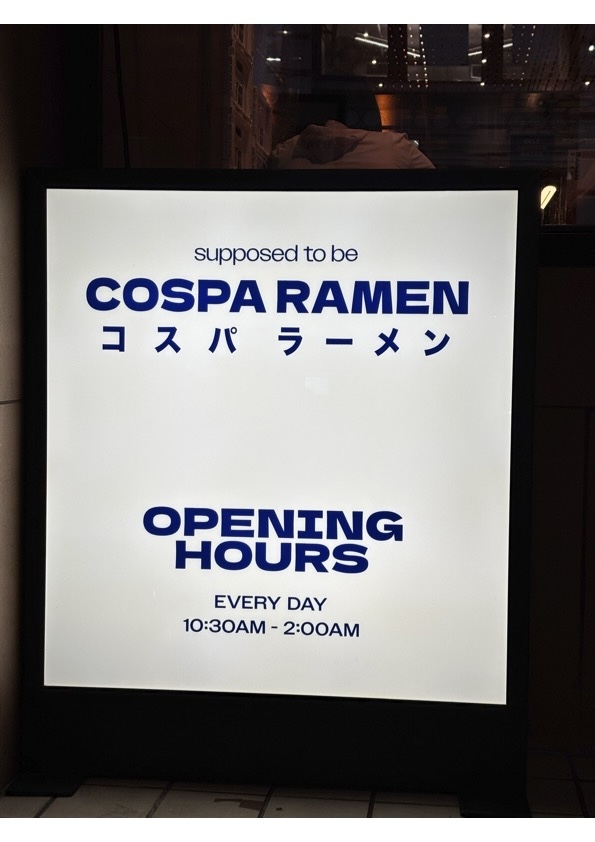
If you are looking for an affordable ramen restaurant in New York City – $10.00! It’s finally here ! Cospa Ramen is worth checking out. I recently tried and enjoyed it.
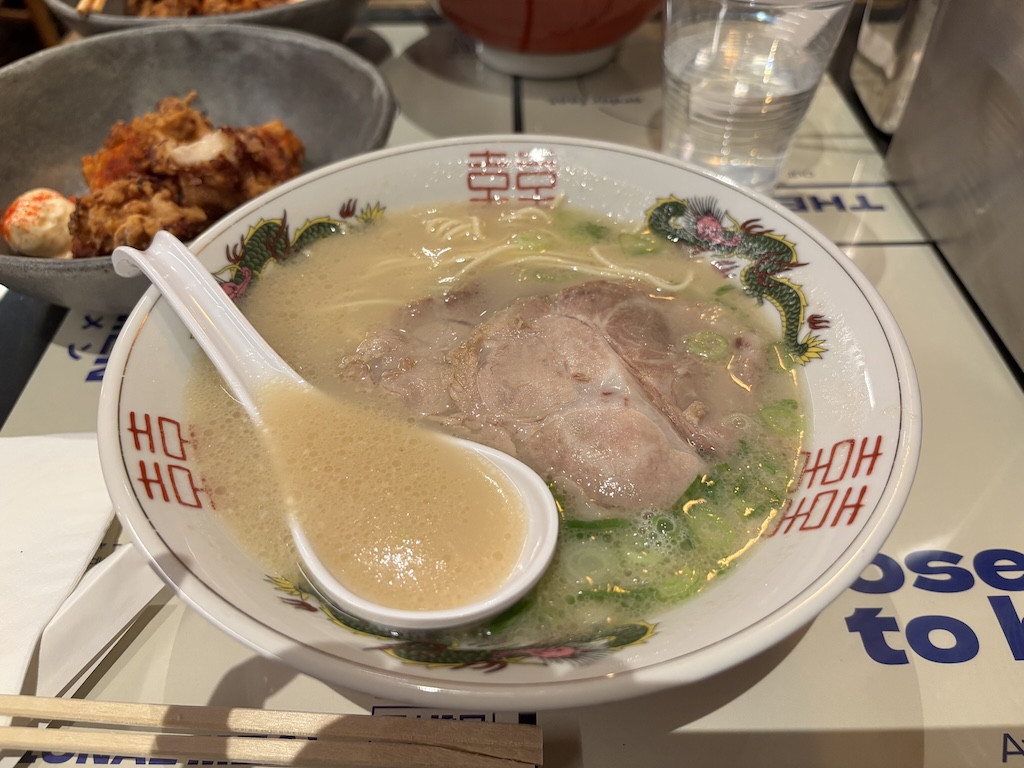
What I particularly liked was that the ramen was flavorful without being too heavy. After eating ramen, I sometimes feel that the broth is simply too rich, but I didn’t have that feeling here. The ramen was satisfying while still feeling relatively light.
My Experience at Cospa Ramen
For me, one of the pleasures of eating Japanese food in New York City is finding restaurants that offer something that feels familiar while still fitting naturally into the city’s food scene.
Cospa Ramen was one of those places.
The ramen had a good balance of flavor, and I enjoyed the overall experience. The broth wasn’t overwhelmingly heavy, which made it easy to finish the bowl. Also you should try Karaage. It was large, delicious, and not too salty.
I Loved the Free Takana
One small thing that I especially appreciated was the free takana.
Takana is Japanese mustard greens that are often pickled and seasoned. They have a slightly salty, spicy flavor and are a great accompaniment to ramen. This gives enough salt to your ramen. That makes good balance.
I thought the takana was a nice addition because you could add it to the ramen according to your taste. It also gave the meal an extra Japanese touch.
For me, little details like this can make a restaurant experience more enjoyable.
Ramen That Isn’t Too Heavy
One of the biggest reasons I enjoyed Cospa Ramen was the balance of the ramen.
New York has many ramen restaurants, and some bowls can be extremely rich and filling. While rich ramen can certainly be delicious, sometimes I want something that I can enjoy without feeling weighed down afterward.
Cospa Ramen worked well for me in that respect. The ramen was good, flavorful, and satisfying without feeling excessively heavy.
Is Cospa Ramen Worth Trying?
If you enjoy Japanese ramen and are looking for something that doesn’t feel overly rich, I think Cospa Ramen is a restaurant worth considering.
I particularly liked:
Flavorful ramen without an overly heavy feeling
Free takana to add to your meal
A satisfying Japanese-style ramen experience
A casual option for enjoying ramen in New York City
Affordable! Finally less than $20.
For me, the free takana was a particularly nice touch. I always appreciate small extras that allow customers to customize their meal.
Final Thoughts
I enjoyed my visit to Cospa Ramen. The ramen was flavorful, but it wasn’t too heavy, which was exactly what I wanted.
The free takana was another pleasant surprise and made the meal even more enjoyable.
New York City has countless places to eat ramen, so finding a bowl that fits your personal taste can take some exploring. If you prefer ramen that is satisfying without being overwhelmingly rich, Cospa Ramen may be a place to add to your NYC ramen list. Don’t forget that the basic ramen is only $10.00 + Tax ! You add if you want to more but I did not need them.
If you live in New York City but don’t own a car, Zipcar can be a convenient way to rent a car for a few hours or a day.
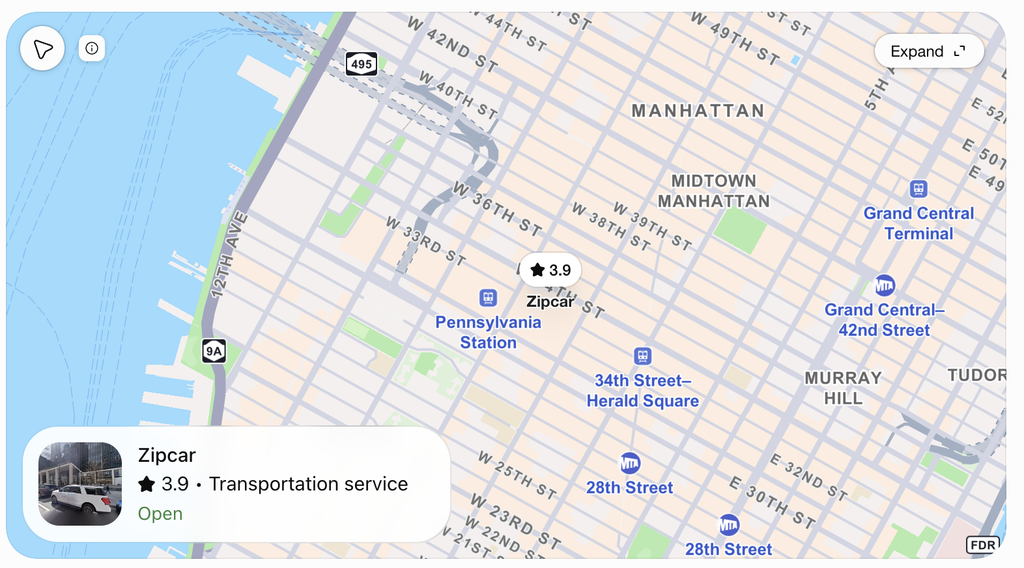
Unlike a traditional rental car, you don’t need to go to a rental counter. You can reserve a car through the Zipcar app, pick it up at a nearby location, and unlock it with your phone.
Open the app and search for a Zipcar near you. Choose the date and time you need it.
3. Reserve the car
Choose your car and reserve it by the hour or day. Check the total price before confirming.
4. Pick up the car
Go to the designated parking location at your reservation time. Use the app to unlock the car.
Before driving, take a quick look at the car and report any damage you notice.
5. Drive!
You can use the car for grocery shopping, errands, visiting friends, or getting out of the city.
Gas is generally included, although tolls and some other charges may apply.
6. Return the car
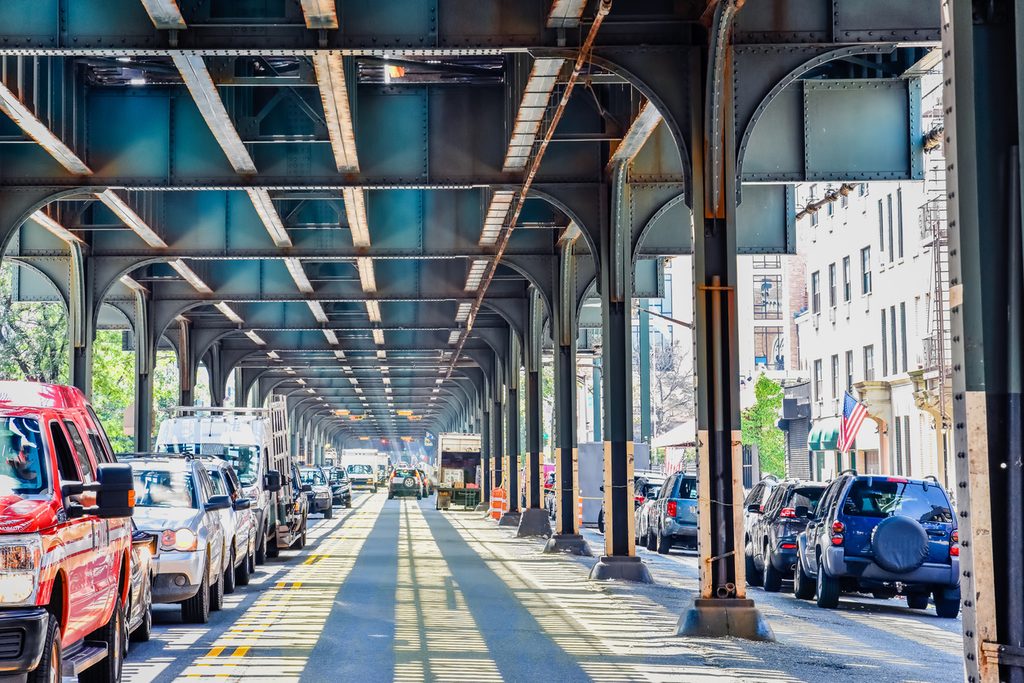
This is important: Zipcars usually need to be returned to their original parking location. Try to return the car on time. NYC traffic can be unpredictable, so give yourself some extra time. Otherwise, they will charge you extra fees.
Why I Like Using Zipcar
I like Zipcar because we don’t really need a car in New York City.
New York has an excellent public transportation system, so we can use the subway, buses, and trains for most of our everyday activities. There isn’t much reason to own a car just for daily life in the city.
But sometimes, it’s nice to have a car.
I usually book a Zipcar on weekdays, when I find it can be cheaper than weekends. You can do grocery shopping at places like Trader Joe’s and Whole Foods without having to carry everything home on public transportation.
I also like using Zipcar to visit Japanese grocery stores in Westchester.
And one of my favorite things about having a car occasionally is being able to escape the city and enjoy nature in Upstate New York. – such as Apple picking !
For me, this is the best part of car sharing. I can enjoy a road trip or a day surrounded by nature without having to own a car all year.
Much Cheaper Than Owning a Car
Owning a car in the New York City area can be expensive.
You have to pay for:
Car payments
Insurance
Gas
Parking – this is the hardest part in NYC !
Maintenance
Registration and taxes
With Zipcar, I only pay when I actually need a car.
For someone who mainly uses public transportation, renting a car occasionally can make much more financial sense than owning one.
How Much Does Zipcar Cost?
The price depends on the car, location, time, membership plan, mileage, and other fees.
There is also currently a $25 non-refundable application fee for membership.
Because Zipcar prices and plans can change, check the current price in the app before making your reservation.
Is Zipcar Worth It in NYC?
If you live in New York City and mostly use public transportation, I think Zipcar can be a great option.
You can use public transportation for everyday life and rent a car when you want to explore somewhere that is difficult to reach by train or bus.
For example:
Grocery shopping
Visiting Japanese grocery stores outside NYC
Visiting the suburbs
Taking a day trip
Exploring Upstate New York
Spending time in nature
You don’t necessarily need to own a car to enjoy the freedom of having one occasionally.
My NYC Tip
If you are flexible with your schedule, try booking a Zipcar on a weekday. I often find weekdays more convenient and less expensive than weekends.
And don’t underestimate NYC traffic. Give yourself enough time to return the car.
For me, Zipcar offers the best of both worlds: public transportation for everyday life and a car when I want to escape the city.
Frontier Market in Hartsdale: Great Japanese Beef, Sushi & Sashimi at Affordable Prices
Estimated reading time: 5 minutes
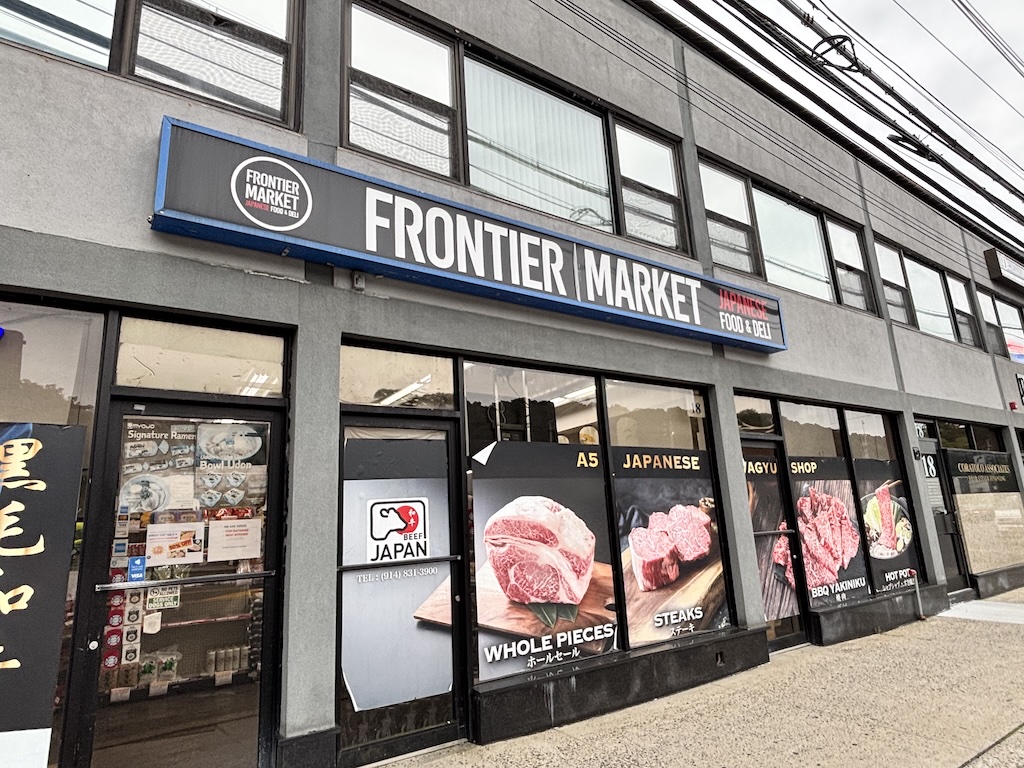
If you are looking for authentic Japanese beef, fresh sushi, sashimi, and Japanese groceries near New York City, there is a place worth discovering in Hartsdale, New York: Frontier Market.
For people living in Manhattan, Hartsdale may feel a little far compared with Japanese grocery stores in the city. However, if you have a car—or are willing to rent one—the trip can be worthwhile, especially if you are looking for high-quality Japanese beef at reasonable prices.
One of the things that makes Frontier Market interesting is its selection of Japanese meat and seafood, including fresh beef, sushi, and sashimi.
What Can You Find at Frontier Market?
Here are some of the highlights that make Frontier Market worth a visit:
Fresh Japanese beef
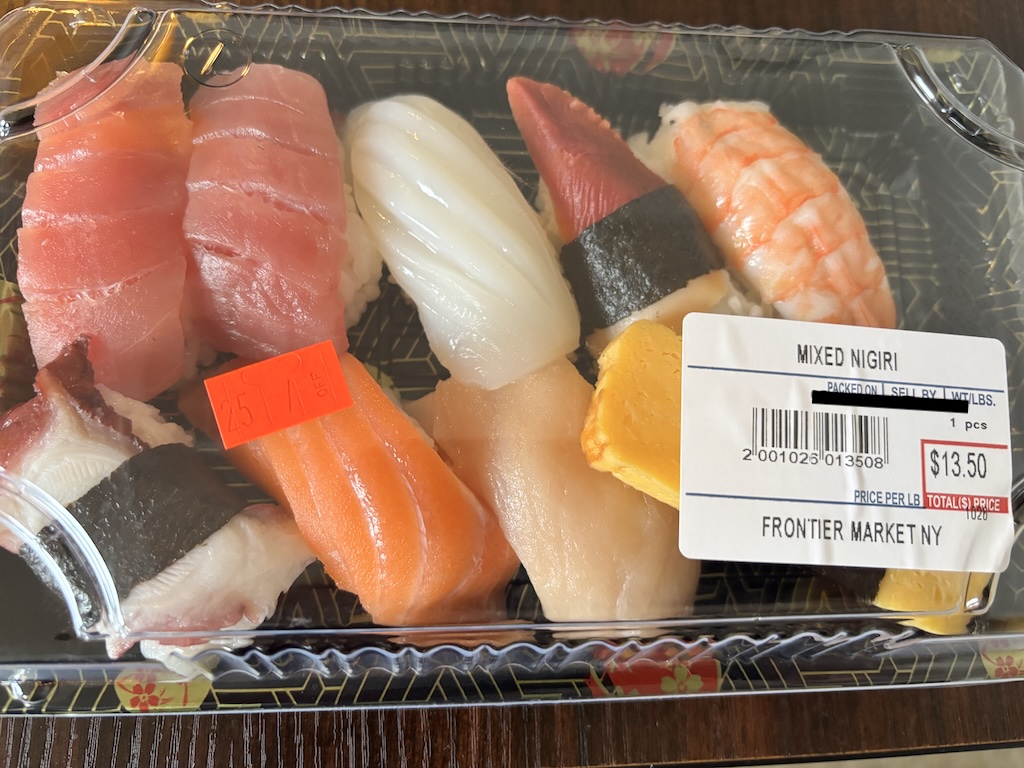
Japanese-style sushi
Fresh sashimi
Discounted sushi
Discounted fresh sashimi
Japanese groceries and food products
The prices can be surprisingly reasonable compared with what you might expect for Japanese food products in the New York City area.
Japanese Beef at a Great Price
If you enjoy Japanese beef, Frontier Market is especially interesting.
Japanese beef is famous around the world for its rich marbling and delicate texture. While Kobe beef is perhaps the best-known name internationally, there are many different varieties and grades of Japanese beef.
At Frontier Market, you may find Japanese beef at prices that seem considerably more affordable than those at specialty stores or restaurants in Manhattan.
For anyone who loves Japanese cooking, this can be a great place to stock up for a special dinner at home.
Don’t Miss the Sushi and Sashimi Discounts
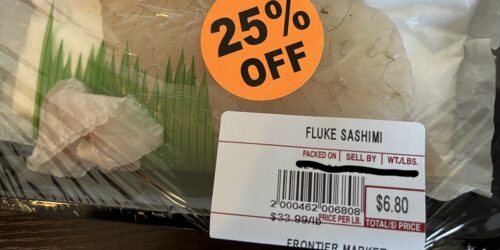
Another reason I like checking Frontier Market is the discounted sushi and sashimi.
Fresh sashimi can be expensive in New York City, so finding discounted products can make Japanese food at home much more affordable.
Depending on the day and timing of your visit, you may find sushi or fresh sashimi marked down significantly.
If you are specifically looking for discounts, it is worth checking what is available when you visit rather than expecting the same selection every day.
Why Is Frontier Market So Affordable?
You may wonder how a store can offer Japanese beef and seafood at such reasonable prices.
One possible reason is the way the business operates.
Frontier Market is not simply a traditional Japanese supermarket carrying a large selection of imported products. Its business model includes a strong focus on meat and fresh food, which can help keep the supply chain more direct.
Japanese products can also be shipped directly from Japan, including by air freight for fresh products. A more direct relationship between the supplier and retailer can potentially reduce some of the costs and middlemen involved in distribution.
The store also appears to operate with a relatively simple setup and fewer employees than some larger supermarkets. Lower overhead costs can be another factor that allows a retailer to offer competitive prices.
Of course, prices and availability change, so I recommend checking the products and prices for yourself when you visit.
Is Frontier Market Worth the Trip from Manhattan?
If you live in Manhattan, this is probably not the place you would visit just to buy one or two groceries. Hartsdale is in Westchester County, north of New York City, and getting there is much easier if you have access to a car. However, if you are planning a larger Japanese grocery shopping trip, the visit can make more sense.
You can combine your shopping trip with buying:
Japanese beef
Sushi
Sashimi
Japanese groceries
Ingredients for Japanese cooking
For Japanese food lovers, the savings can make the trip worthwhile.
A Good Option for Japanese Food Lovers Near NYC
Living in New York City does not mean you have to limit yourself to Japanese grocery stores in Manhattan.
There are Japanese supermarkets and specialty stores throughout the New York metropolitan area, and sometimes traveling outside the city can give you access to different products and better prices.
Frontier Market in Hartsdale is one place I would recommend checking out if you are looking for Japanese beef, sushi, sashimi, and Japanese groceries at reasonable prices. If you have a car, it can be an especially convenient option for a larger shopping trip. And if you are a fan of Japanese beef, don’t forget to check the fresh meat section!
Final Thoughts
For me, one of the most interesting things about Frontier Market is the combination of quality and affordability. Japanese beef and fresh sashimi can be expensive in New York, but shopping directly from a specialty market can sometimes make these foods much more accessible.
So, if you are willing to drive outside Manhattan, Frontier Market in Hartsdale, New York, may be worth adding to your list of Japanese grocery stores to explore.
Prices, discounts, and product availability can change depending on the day. Please check the store directly for the latest information before making a special trip.
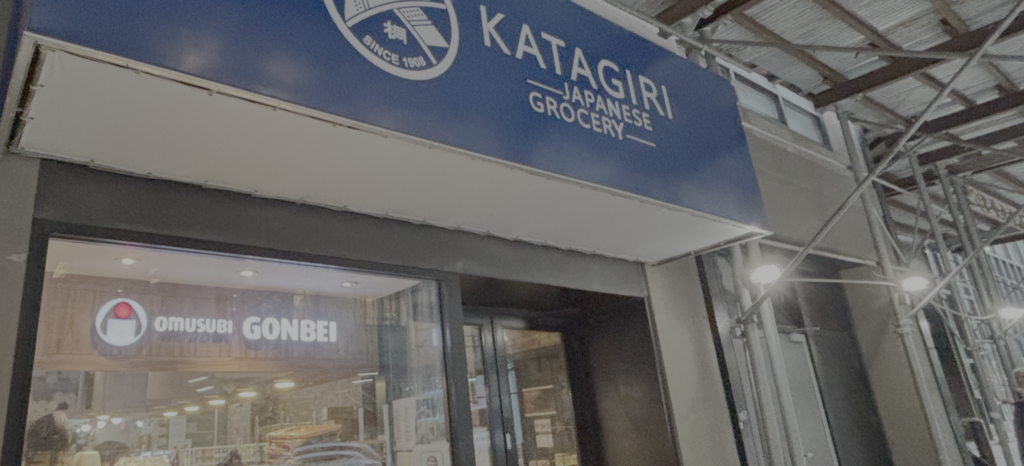
If you are looking for Japanese groceries in New York City, Katagiri Japanese Grocery is one of the first places I recommend.
Located in Midtown Manhattan, Katagiri is much more than a Japanese grocery store. Established in 1907, it is the oldest Japanese grocery store in the United States and has been part of New York City’s Japanese community for more than a century.
For Japanese people living in New York, Katagiri can feel like a little piece of Japan in Manhattan. For non-Japanese visitors, it is also a wonderful place to discover Japanese food, snacks, drinks, cooking ingredients, and prepared foods.
Where Is Katagiri Japanese Grocery?
Katagiri currently has two Manhattan locations.
59th Street Store
Katagiri Japanese Grocery 224 East 59th Street New York, NY 10022
The store is located between Second and Third Avenues in Midtown East. According to Katagiri’s official website, the 59th Street location is open every day from 10:00 AM to 8:00 PM.
Grand Central Location
Katagiri Grand Central 370 Lexington Avenue, Suite 107 New York, NY 10017
This location is particularly convenient if you work in Midtown or are traveling through Grand Central.
The official hours are 8:00 AM–9:00 PM Monday through Friday and 10:00 AM–8:00 PM on weekends and holidays.
For the most current information, it is always a good idea to check Katagiri’s official website before visiting.
What Can You Buy at Katagiri?
One of the things I enjoy about Japanese grocery stores in New York is that you can find both everyday Japanese staples and products that are difficult to find at regular American supermarkets.
Katagiri carries a wide range of Japanese food products, including:
Japanese rice
Miso
Soy sauce
Japanese noodles
Curry products
Japanese seasonings
Tofu
Seaweed and nori
Japanese snacks and candy
Green tea and other Japanese drinks
Frozen foods
Refrigerated foods
Seafood
Japanese sweets
Prepared foods
The online store also lists a very large selection of Japanese grocery products, including soy sauce, takuan, azuki beans, tofu, green tea, and many other Japanese staples.
Japanese Snacks and Drinks
If you are nostalgic for Japan, the snack section alone can be fun to explore.
You may find familiar Japanese candies, crackers, chips, cookies, drinks, and seasonal products. For Japanese people living in New York, these small things can be surprisingly comforting.
Sometimes you don’t realize how much you miss a particular Japanese snack until you see it sitting on a shelf in Manhattan!
Katagiri is also a good place to look for Japanese tea and bottled drinks.
Prepared Japanese Food for a Quick Lunch
Another reason Katagiri is popular is its selection of prepared foods.
Depending on the location and availability, shoppers can find items such as sushi, sashimi, rice bowls, ramen, bento-style meals, and onigiri. Recent customer reviews also frequently mention prepared lunch options and fresh seafood.
This makes Katagiri especially convenient for people who work in Midtown and want a quick Japanese lunch without going to a sit-down restaurant.
At the Grand Central location, prepared foods and onigiri are particularly popular with commuters and office workers. Katagiri Japanese Grocery
A Convenient Japanese Grocery Store in Manhattan
For me, one of the biggest advantages of Katagiri is simply its location.
New York City is incredibly convenient in many ways, but finding specific Japanese ingredients can sometimes require some planning.
Having a historic Japanese grocery store in Midtown means you can stop by while running errands, going to work, sightseeing, or traveling through Grand Central.
The Grand Central location is particularly convenient for commuters.
The 59th Street location is a good choice if you are in the Upper Midtown or Midtown East area.
Final Thoughts: Why Katagiri Is Worth Visiting
For anyone searching for a Japanese grocery store in NYC, Katagiri is worth knowing. It offers something that goes beyond groceries. It is a small but important part of Japanese history in New York City.
Whether you are Japanese and looking for a taste of home, an American interested in Japanese cooking, a tourist curious about Japanese food, or simply someone looking for a quick and convenient lunch in Midtown, Katagiri is a great place to explore. And perhaps the most interesting thing about the store is its history.
How to Find an Affordable Housing NYC Tips and Resources
Estimated reading time: 6 minutes
New York City has long been a magnet for artists, musicians, performers, writers, and creative professionals. The city’s vibrant arts scene offers countless opportunities for collaboration and growth, but finding affordable housing remains one of the biggest challenges for artists living and working in NYC.
Whether you’re a visual artist, musician, actor, dancer, or freelancer, understanding your housing options can make a significant difference in your ability to continue creating while managing living expenses.
In this guide, we’ll explore affordable housing opportunities for artists, useful resources and tools, practical tips for navigating the New York City housing market, and inspiring success stories from artists who have found creative solutions.
Artist-Specific Housing Programs
Several housing developments and organizations offer spaces specifically designed for artists. These communities often provide affordable rents, live-work spaces, and opportunities to connect with fellow creatives.
Many artists qualify because freelance income often falls within the required income ranges. While competition can be intense, applying consistently can significantly increase your chances.
Shared Housing and Co-Living
Many artists reduce costs through:
Roommate arrangements
Shared apartments
Artist collectives
Co-living communities
Sharing housing can provide both financial relief and valuable networking opportunities within the creative community.
Resources and Tools for Finding Affordable Housing
Searching for affordable housing can feel overwhelming, but several resources can simplify the process.
NYC Housing Connect
NYC Housing Connect is the primary platform for affordable housing lotteries in New York City. Applicants can create profiles, upload documents, and apply for available units online.
Benefits include:
Free applications
City-sponsored affordable housing listings
Income eligibility information
Application status tracking
Nonprofit Housing Organizations
Many nonprofit organizations assist artists and low-income residents with housing searches, legal support, and financial counseling.
These organizations may offer:
Housing workshops
Rental assistance programs
Tenant advocacy
Affordable housing referrals
Networking Within the Arts Community
Sometimes the best opportunities come through personal connections.
Consider:
Joining artist groups
Attending local arts events
Participating in residency programs
Connecting through social media communities
Artists frequently share apartment openings, studio opportunities, and housing leads within their networks.
When using online platforms, always verify listings carefully and avoid scams by never sending money before viewing a property.
Navigating the NYC Housing Market
The New York City housing market can be competitive and fast-moving, especially for affordable units.
Prepare Your Documents Early
Having paperwork ready can give you an advantage.
Common documents include:
Tax returns
Bank statements
Identification
Employment verification
Freelance income records
Keep good Credit scores !
Artists with irregular income may need additional documentation to demonstrate financial stability.
Understand Income Requirements
Many landlords use income multipliers requiring tenants to earn a certain amount relative to rent.
For freelancers and artists, helpful alternatives may include:
Guarantors
Savings documentation
Multiple income sources
Tax return history
Understanding these requirements before applying can save time and frustration.
Be Flexible About Location
A row of old red brick homes with plants and trees along the sidewalk in Astoria Queens New York
While neighborhoods like Manhattan and Williamsburg are highly desirable, expanding your search area may reveal more affordable options.
Emerging neighborhoods often offer:
Lower rents
Growing arts communities
Larger living spaces
Easier application processes
Transportation access should also be considered when evaluating potential neighborhoods.
Stay Organized
Housing searches can take months.
Create a spreadsheet to track:
Applications submitted
Lottery deadlines
Viewing appointments
Required documents
Follow-up dates
Organization can prevent missed opportunities and reduce stress.
Personal Experiences and Success Stories
Persistence Pays Off
Many artists who initially struggled with housing eventually found stable and affordable solutions.
One musician applied to affordable housing lotteries for several years before finally receiving an offer for a below-market-rate apartment. The reduced rent allowed them to spend more time performing and less time working multiple jobs.
Building Community Through Shared Housing
A visual artist found success by joining a shared artist residence. Not only did this reduce living costs, but it also created valuable professional relationships that led to exhibitions and collaborative projects.
Flexibility Creates Opportunities
Another artist expanded their housing search beyond their preferred neighborhood and discovered a thriving arts community in a less expensive area. The move provided a larger studio space and significantly lower monthly expenses.
The Importance of Networking
Several artists report that housing opportunities often come through word-of-mouth referrals. Maintaining strong connections within the arts community can sometimes open doors that never appear on public listings.
To improve your chances of finding affordable housing in NYC:
Apply to housing lotteries consistently.
Keep financial documents updated.
Network with other artists.
Consider shared housing arrangements.
Expand your neighborhood search.
Stay organized and persistent.
Research artist-specific housing opportunities.
Finding affordable housing in New York City can be challenging, but many artists successfully navigate the process every year.
Conclusion
New York City remains one of the world’s most inspiring places for artists, but housing costs can create significant obstacles. By understanding affordable housing options, utilizing available resources, staying organized, and learning from the experiences of other creatives, artists can improve their chances of finding a stable and affordable home.
The search may take time, but persistence, flexibility, and community connections often lead to success. With the right approach, affordable housing in NYC is possible, allowing artists to focus on what matters most: creating, performing, and contributing to the city’s vibrant cultural landscape.
Café Coppola: A Hidden Gem in New York’s West Village
Estimated reading time: 4 minutes
It’s been a while since my last café-hopping article in New York, and today I’m excited to introduce a charming little spot in West Village — Café Coppola.
The History and Charm of Café Coppola
Located in the heart of West Village, Café Coppola is a cozy hideaway loved by both locals and tourists. Established in the 1980s, it has grown alongside the neighborhood’s vibrant cultural and artistic scene.
The café’s name comes from the legendary Italian-American filmmaker Francis Ford Coppola, making it a favorite spot for movie lovers as well. Personally, I also adore Sofia Coppola’s films, so visiting this café feels extra special.
Cozy Atmosphere with an Italian Touch
One of Café Coppola’s biggest charms is its warm, homey vibe. Antique furniture and soft, rustic décor transport you straight to a small family café in Italy. It’s the perfect place to relax, enjoy a cup of coffee, and soak in the neighborhood’s artistic spirit.
What’s on the Menu?
Café Coppola offers a wide variety of authentic Italian coffee — from espresso and cappuccino to creamy lattes. For breakfast and brunch, their croissants and paninis are popular.
Must-try favorites:
Coppola Special Latte – A perfect balance of smooth espresso and rich, frothy milk.
Prosciutto & Mozzarella Sandwich – Savory prosciutto paired with fresh mozzarella, served on crunchy baguette.
The café also caters to different dietary needs, with vegan and gluten-free options available.
Location and Access
You’ll find Café Coppola right in the center of West Village, surrounded by art galleries and unique boutiques.
Address: 171 West 4th Street, New York, NY 10014 Nearest subway: Christopher St – Sheridan Sq (Line 1), about a 5-minute walk.
The cobblestone streets and historic buildings nearby make it a lovely area for a leisurely stroll before or after your coffee break.
If you’re looking for a relaxing hidden gem in West Village, Café Coppola is the place to be. With its rich history, Italian-style coffee, and cozy charm, it’s the perfect spot to enjoy quality time with friends — or even just with a good book.
Next time you’re in New York, treat yourself to a cup of coffee at Café Coppola and experience the true essence of West Village.
Why Japan’s Old English Methods Failed — And What Really Works Now
One of the reasons I started writing my blog in English is to help Japanese people improve their English reading skills.
When I browse through Japanese blogging communities — especially on Blog Mura — I notice that most posts are written entirely in Japanese, especially in the “English learning” sections. Of course, we only have 24 hours a day. If we spend most of that time surrounded by Japanese content, our exposure to English stays very limited.
That’s why I decided to write in English — so readers can experience English naturally, not just study it through translations or textbooks.
Why Do Japanese People Struggle with English?
It’s no secret that Japanese people tend to have lower English proficiency compared to many of our Asian neighbors. Over the last twenty years, I’ve seen this gap grow. People from Taiwan, Indonesia, Malaysia, and even Mongolia often speak English more comfortably than we do.
Among my musician friends in Japan, only a few can speak English well — and even fewer can read it confidently. I include myself in this; I’ve had to work hard to catch up. But why is this happening?
1. The TOEFL Test Has Become Harder
International English standards have risen. Exams like TOEFL and IELTS now require natural communication skills, not just grammar knowledge. Unfortunately, Japan’s English education system hasn’t evolved fast enough to keep up.
I also believe the recent decrease in Japanese students studying abroad isn’t only because of the yen–dollar exchange rate. The TOEFL iBT exam itself has become a real barrier — it filters out many Japanese students who haven’t had enough training in practical English communication.
2. The Education System Focuses Too Much on Grammar and Vocabulary
Most Japanese schools teach English in Japanese. Students spend years memorizing words and grammar rules, but they rarely use English to think or communicate. This creates a “translation mindset” — always converting English into Japanese instead of understanding it directly.
This issue goes deeper than just English. In Japan, students don’t often get the chance to discuss, debate, or express personal opinions — even in Japanese. So when it comes to English, we not only lack words but also the confidence and habit to express ourselves.
Before we can speak well in English, we need to practice speaking up in Japanese, too.
So How Can We Improve?
1. Read in English
Reading is the foundation. Blogs, articles, even short social media posts — try reading in English every day. Start small, but do it consistently. Your brain needs English input to think in English.
2. Speak — But Don’t Force It
Many people say, “Find foreigners to speak English with.” That’s helpful, but not the whole answer. The real problem is that Japanese people are not used to expressing opinions clearly, even in Japanese. We need to build a culture — both in schools and in society — where open discussion and self-expression are encouraged.
3. Write — Even Short Notes
With AI tools improving, writing practice is becoming easier. You can write blog posts, journal entries, or even social media captions in English. Use tools like ChatGPT or Grammarly to check your writing and learn from it.
4. Listen and Watch in English
This is the easiest way to stay immersed. Watch movies, YouTube videos, or listen to podcasts in English. You don’t need to understand everything — just keep your ears used to the rhythm and sound of natural English.
Final Thoughts
Improving English isn’t about talent; it’s about exposure and mindset. The old methods — memorizing grammar and vocabulary lists — don’t work anymore.
If we start reading, writing, and thinking in English little by little every day, Japanese learners can absolutely catch up. Let’s move beyond the classroom and create our own English environment — one blog post, one thought, one word at a time.
Zohran Mamdani has made history as the first Asian Muslim mayor of New York City, elected on November 4, 2025. His victory represents a milestone for diversity and progressive leadership in one of the world’s most influential cities.
Born in Uganda, Africa, Mamdani moved to the United States when he was five years old. Both of his parents are highly accomplished — graduates of Harvard and Columbia University. His mother is a well-known filmmaker, and Zohran himself attended Bronx High School of Science, one of New York’s most prestigious public schools, comparable to Hunter College High School, which I mentioned in a previous post.
My Political Stance: Liberal, but Not Far-Left
I consider myself a liberal, but I don’t fully align with the far-left socialism that Zohran Mamdani and many of his supporters represent.
Still, I’m genuinely happy about his election — my husband even voted for him! Yet, we must remain realistic and see how much he can actually deliver on his promises.
On Capitalism and the Wealth Gap in New York City
Zohran Mamdani’s criticism of capitalism is one area where I disagree with him.
It’s true that capitalism has deepened the gap between the rich and people with low-income. Walking through the city, it’s heartbreaking to see the rising number of homeless and drug-addicted individuals. This is an urgent social issue that must be addressed.
However, I believe that capitalism can also be part of the solution — if wealthy people are willing to share their resources generously. New York City’s economy thrives because many wealthy individuals still give back through philanthropy, investment, and community support. Not everyone who succeeds financially is an enemy of social progress.
Instead of fighting the rich, I believe we should encourage more generosity among them.
How My Perspective Changed by Working in Manhattan
Over the years, my ideas have changed greatly through my experiences working in Manhattan.
I believe that where you work and where you study strongly shape your ideology. When I studied at CUNY, I was surrounded by many students from working-class backgrounds. That environment influenced me to think like a far-left liberal, with strong beliefs in equality and social justice.
However, once I began running my own business and meeting wealthy clients and professionals, my perspective started to evolve. I realized that many of them are not bad people — in fact, many contribute significantly to society. I also came to understand why they feel the need to protect their assets.
Still, I noticed two very different kinds of wealthy families: those who genuinely care about society and those who don’t.
That’s why I hope Mayor Zohran Mamdani will go deeper into this issue — to work closely with socially conscious wealthy individuals, and also to educate those who are not yet aware of their potential role in building a fairer, more compassionate city.
A Conversation That Changed My Perspective
Recently, I attended a concert at Lincoln Center. During the intermission, a man sitting next to me started a conversation. His family was quite loud, and though he seemed pleasant, I was surprised to learn that he was a Trump supporter.
He claimed that Columbia University had become a dangerous place because of the pro-Palestine protests earlier this year. Since I am part of the university community, I knew that wasn’t true. The demonstrations were peaceful — no one was hurt — and even Orthodox Jewish students participated. This reminded me how misinformation can spread so easily.
The man, an immigrant from Greece and a real-estate businessman in Queens, had become wealthy but lacked understanding of broader social realities. He spoke negatively about undocumented immigrants, even though it was the previous administration that welcomed them before policy changes took place. How can someone feel happy seeing others suddenly detained or relocated to harsh camps?
This experience showed me how education and empathy are just as important as wealth or success.
What I Hope Mayor Zohran Mamdani Will Do
I hope Mayor Mamdani focuses on educating and engaging wealthy New Yorkers who may lack awareness of social inequality. We need leadership that bridges divides — not only between rich and poor, but also between communities, ideologies, and generations.
New York City deserves a future where economic opportunity and compassion coexist. Zohran Mamdani’s election is a symbol of progress — but the real work begins now, in how he brings people together to make change happen.
Final Thoughts
Zohran Mamdani’s rise to leadership is a historic milestone for Muslim and immigrant representation in American politics. As a liberal, I support his vision of equality — even as I remain cautious about his economic ideology.
In the end, leadership isn’t about ideology alone; it’s about uniting people to build a fairer city for all.
Living in New York City means battling harsh, dry weather almost year-round, and the water can really take a toll on your hair. My hair used to feel brittle, frizzy, and dehydrated no matter how much I conditioned it with other products.
Eventually, I returned to Japanese hair products after learning about them from my hairstylist at a popular salon in the Lower East Side, and they have completely restored my hair to its normal, healthy condition. These products not only nourish and hydrate but also help maintain smoothness and shine—even in the driest weather.
Why I Use Japanese Hair Products
The main purpose of my hair care routine is hydration and overall hair health. Japanese shampoos and conditioners are renowned for their high-quality ingredients, light formulas, and long-lasting effects. By choosing products I trust and have personally tested, I ensure that my hair stays manageable, healthy, and soft without feeling weighed down.
1. Milbon Shampoo & Conditioner
Milbon is a staple in my hair routine. Its lightweight yet nourishing formula keeps my hair hydrated without any buildup. After using Milbon, my hair feels smooth and soft, even after blow-drying. I’ve been using this product for a very long time.
Its main purpose is to cleanse your scalp. Most Japanese beauty hair salons use this product, and I learned about it from my hairstylist. It’s expensive, but it lasts a long time because you only need a small amount. My stylist also said it’s okay to use a different conditioner. She recommended Tsubaki, but it didn’t work for me. You’ll see it listed below.
Disclosure: This post contains Amazon affiliate links. As an Amazon Associate, I earn from qualifying purchases at no additional cost to you.
2. NatureLab. TOKYO Hair Care
NatureLab.TOKYO products are perfect for keeping hair healthy, especially in dry climates. Their gentle formulas help repair damage while leaving hair naturally shiny. The shampoo and conditioner are mostly chemical-free, so they’re great for sensitive skin. That said, my stylist pointed out that a tiny bit of chemicals can actually be helpful—fully organic shampoos can sometimes leave hair dry or fragile. Overall, I’ve found Tokyo Lab to be effective and gentle, making it a solid choice for maintaining healthy, shiny hair.
Tsubaki is a classic Japanese brand, loved for its nourishing oils and silky finish. It’s great for restoring moisture to dry hair while keeping it light and manageable. However, it’s not ideal for people with oily hair—like me—or for those who sweat a lot. If you have extremely dry hair, it’s definitely worth trying. Just keep in mind that it’s not the best for your scalp, as it can sometimes clog pores for certain people.
Disclosure: This post contains Amazon affiliate links. As an Amazon Associate, I earn from qualifying purchases at no additional cost to you.
Conclusion
Maintaining hydrated and healthy hair in NYC’s dry climate is a challenge, but Japanese hair products make it easier. Whether you try Milbon, NatureLab.TOKYO, and Tsubaki. These shampoos and conditioners have transformed my hair care routine. It is totally fine to combing using. The stylist said that it is important to consider your purpose of using specifically.
By investing in high-quality Japanese hair products, you can enjoy soft, shiny, and manageable hair every day.