Why You’ll Love Living in Queens, New York

Why You’ll Love Living in Queens, New York
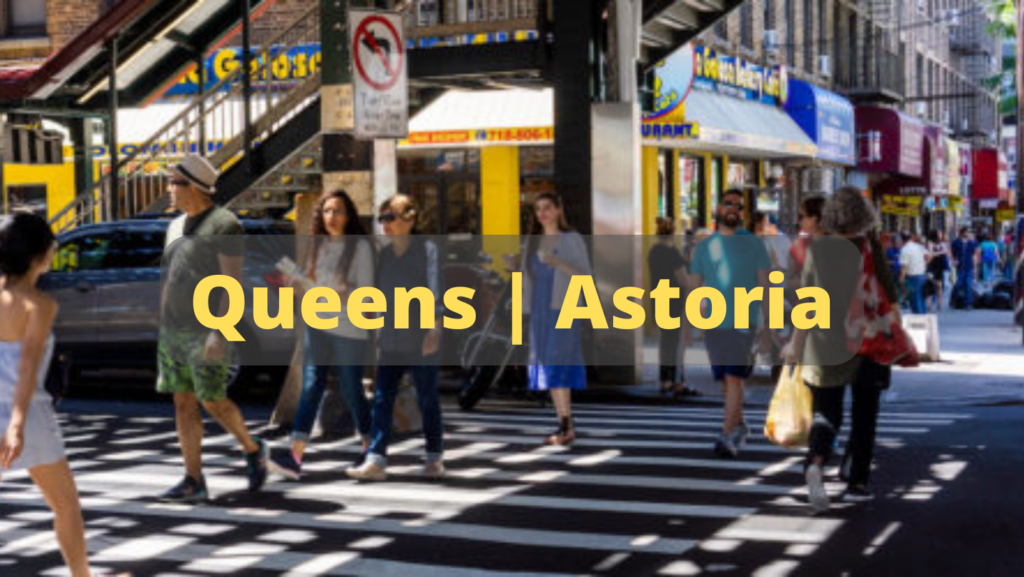
queens astoria living

Estimated reading time: 3 minutes

Are you looking for the perfect place to live in New York City? Queens might just be the hidden gem you’ve been searching for. With its incredible cultural diversity, mouthwatering food, excellent public transit, and livable neighborhoods, Queens is quickly becoming one of the most desirable boroughs in NYC.’

In this guide, we’ll explore all the reasons why living in Queens in 2024 is a smart and exciting choice.

A Culturally Rich and Welcoming Community

Queens is known as one of the most diverse places on Earth. More than 100 nationalities are represented here, creating a vibrant multicultural atmosphere where different languages, traditions, and festivals coexist.

Whether you’re attending a Colombian street fair, a Korean cultural parade, or a Diwali celebration, you’ll experience a global community right outside your door.

A Food Lover’s Paradise
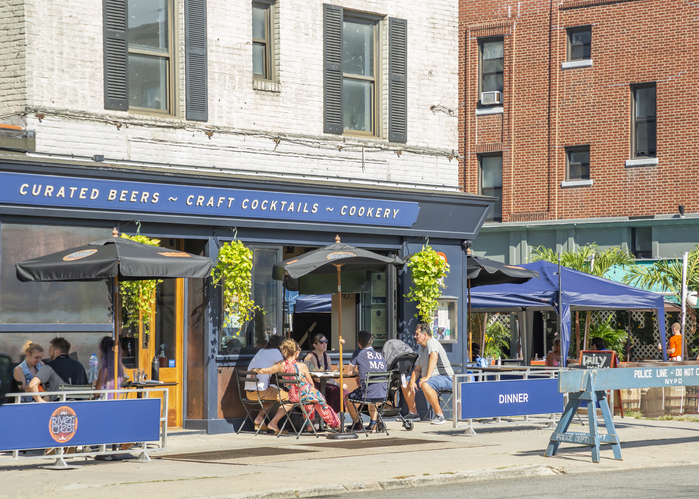
クイーンズにあるレストラン

If you love trying different cuisines, Queens will feel like heaven. It’s one of NYC’s top foodie destinations. From authentic ethnic eats to trendy cafés, the culinary scene is endlessly exciting.

  • Astoria: Famous for its Greek tavernas and Mediterranean fare
  • Flushing: A hub for some of the best Chinese food in the city
  • Jackson Heights: A must-visit for Indian, Bangladeshi, and Nepalese cuisine

Convenient Transportation Across NYC

One of the biggest perks of living in Queens is how easy it is to get around. With multiple subway and bus lines connecting to Manhattan, Brooklyn, and the Bronx, commuting is surprisingly smooth.

Plus, Queens is home to both LaGuardia Airport (LGA) and JFK International Airport, making it a top choice for frequent travelers.

Green Spaces and Outdoor Fun

Nature lovers, rejoice! Queens offers ample green space for relaxation and recreation. Highlights include:

  • Flushing Meadows-Corona Park: A massive park perfect for picnics, sports, and weekend strolls
  • Gantry Plaza State Park: Offers stunning skyline views along the East River—a favorite for sunset dates and quiet afternoons

These outdoor spots provide a refreshing escape from the urban hustle.

Comfortable and Affordable Living
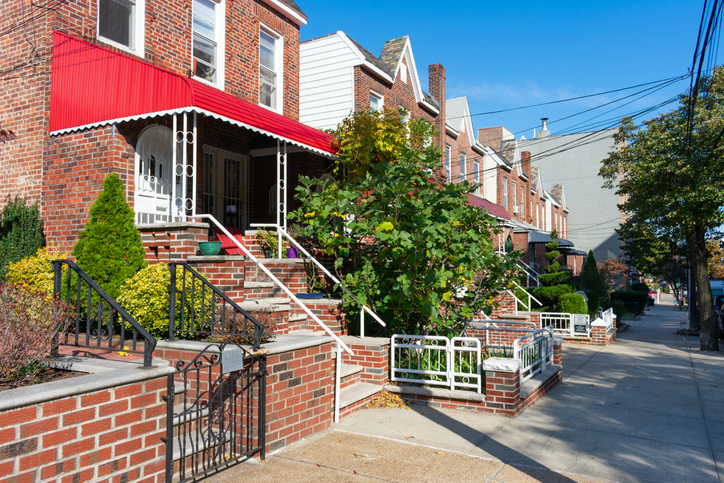
クイーンズのイメージ画像

From sleek new high-rises to charming older homes, Queens has housing options for every budget and lifestyle. Compared to Manhattan and Brooklyn, rent prices in Queens tend to be more affordable, without sacrificing convenience or quality of life.

Whether you’re a student, a young professional, or a family, there’s a neighborhood in Queens that fits your needs.

Final Thoughts

Living in Queens means experiencing the very best of New York—diversity, food, community, and comfort—all in one place. If you’re considering a move, this borough offers an unbeatable balance of city life and livability.

Explore Queens for yourself—you just might fall in love.

Back to Home
What Is OMNY? New York’s New Subway Fare Payment System

What Is OMNY?

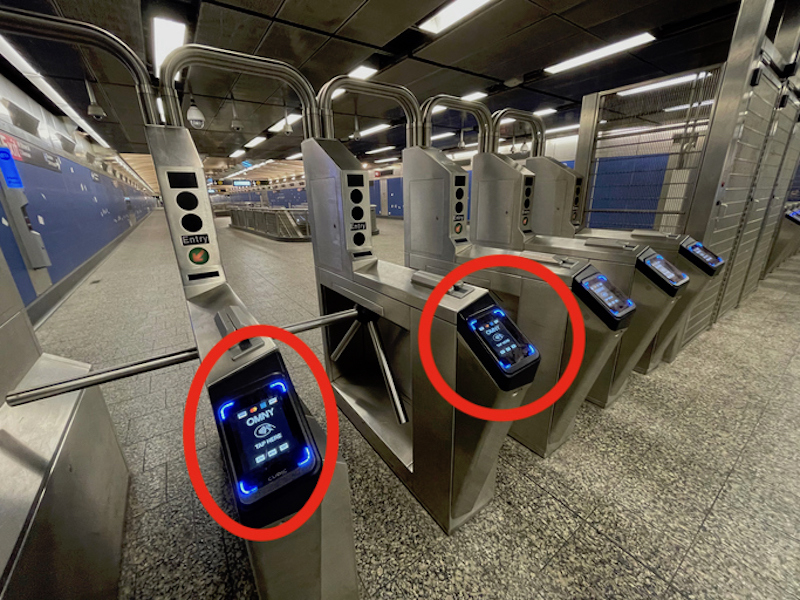
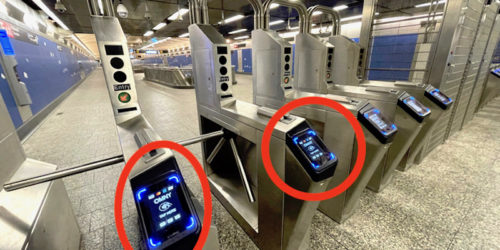
地下鉄OMNY決済の改札口の画像

Estimated reading time: 4 minutes

OMNY (One Metro New York) is the city’s new contactless payment system for subways and buses. Instead of swiping a MetroCard or paying coins for buses, you can simply tap a credit card, smartphone, or smartwatch at the turnstile. It works much like Japan’s Suica or PASMO cards.

How OMNY Works

Using OMNY is fast and convenient. For example, just hold your iPhone with Apple Pay near the OMNY reader at the subway gate, and you’re in—no swiping or waiting in line.

There are three main ways to use OMNY:

1. Tap with Your Bank Card or Credit Card

Any contactless bank card or credit card with a microchip can be used to enter the subway or bus. No more worrying about refilling a MetroCard.

2. Pay with Your Smartphone or Smartwatch

Use Apple Pay, Google Pay, or another mobile wallet. Just tap your phone or watch, and you’re good to go.

3. Buy an OMNY Card

For those who prefer not to use a credit card or phone, OMNY cards are available at CVS, Walgreens, and 7-Eleven. Load them with cash or card and use them just like a MetroCard.

OMNY Card: Where to Buy and Why It’s Useful

The OMNY Card is perfect for people who don’t have a smartphone or prefer cash payments. You can purchase one at major retailers like CVS and 7-Eleven.
While not yet as common as MetroCards, OMNY cards are expected to become more popular as MetroCards are gradually phased out.

MetroCard vs. OMN

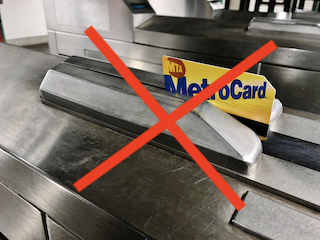
地下鉄でメトロカードをスワイプス流画像

Before the pandemic, many commuters used the Unlimited MetroCard ($127 per month). But for those who now ride the subway fewer days a week, OMNY is more flexible.

  • Daily riders: Unlimited MetroCard may still be the better deal.
  • Occasional riders: OMNY lets you pay only when you ride.

According to the MTA, MetroCards will be discontinued in the coming years.

Subway Safety and Cleanliness with OMNY

New York’s subway is busier and safer than during the pandemic, with more police presence. Still, OMNY offers two big advantages:

  • Safety: No fumbling with MetroCards at the gate, which reduces risks of being targeted.
  • Hygiene: You avoid touching MetroCard vending machines and PIN pads that thousands of people use daily—important after COVID-19.

Save Time and Money with OMNY

  • Faster commutes: No more waiting in line to buy or refill MetroCards.
  • Weekly cap: After 12 OMNY rides in one week (about $33), the rest of your rides are free until Sunday night. Just remember to use the same device or OMNY card for the rides to count.
  • Cashback perks: For example, Apple Card users get 2% cashback when paying with Apple Pay.

Is There an OMNY App?

Omny利用に必要なカードの電子決済ロゴ

Currently, there is no dedicated OMNY app. Payments are made directly with your card, phone, or OMNY card. However, you can register on the MTA OMNY website to track your trips and payment history.

OMNY and Citi Bike: Different Systems

Don’t confuse OMNY with Citi Bike. They are separate services and payments are not connected. If you exit the subway and rent a Citi Bike, you’ll need to pay separately.

For bus riders, OMNY also supports free transfers—learn more here:

Conclusion

OMNY is New York City’s future of public transit payments. Whether you use a credit card, smartphone, or OMNY card, you can now skip MetroCards and ride the subway and buses more safely, quickly, and hygienically. For tourists and locals alike, OMNY makes commuting smoother than ever.

Back to Home

Preparing for Your U.S. Visa Interview: Tips and Mindset

Preparing for Your U.S. Visa Interview: Tips and Mindset

USA Visa interview image

Estimated reading time: 3 minutes

Congratulations if your artist visa application has been approved, either locally or from Japan! That’s exciting news—but the next step is the visa interview. Don’t worry, with proper preparation, you can handle it smoothly.

I’ve attended multiple U.S. visa interviews over the years, always feeling nervous at the U.S. Embassy in Tokyo. Hearing stories of failed interviews can be intimidating, but through experience, I’ve learned ways to avoid common pitfalls.

Tip: Don’t choose a faraway embassy just because you heard it’s “less strict.” It can seem unnatural and raise questions.

What Is an Artist Visa?

An artist visa allows you to enter the U.S. for professional artistic activities. You must clearly understand your purpose and projects to explain them confidently during the interview.

Preparing for the Interview

1. Documents: Prepare and Organize

Bring all necessary documents, including:

  • Copies and originals of your visa application
  • Passport and photos
  • Supporting documents (project contracts, letters of recommendation, etc.)

Ensure your documents are well-organized and easy for the officer to review. Avoid bringing bulky folders—select the most essential materials that make the strongest impact.

2. Know Your Purpose and Anticipate Questions

The officer will ask about your visa purpose, projects, and plans in the U.S. You should also be ready to answer questions about:

  • Your profession and work experience
  • How you will support yourself financially
  • Collaborations or past projects

For example, I was asked about a movie soundtrack I worked on and whether I would collaborate with the same team again. Be honest and ready to explain your situation.

3. English Communication Skills Are Crucial

Your interview will be conducted in English. Practice basic responses and key vocabulary related to your visa application. Speak clearly, confidently, and politely.

Tip: Confidence is important, but overconfidence can create a negative impression. Stay calm and respectful.

4. Mindset and Approach

  • Be honest and transparent: Officers check consistency with your documents. Avoid exaggeration or falsification.
  • Stay calm: Take deep breaths before the interview. Being prepared reduces stress.
  • Remember: Most officers are supportive—they want you to succeed and may even wish you “Good luck.”

The Interview Proces

  1. Arrival and Security Check:
    Enter the embassy, go through security, and receive a number for your turn.
  2. Document Submission:
    Submit your visa application and supporting documents. Officers review them carefully.
  3. Interview:
    Officers ask about your visa purpose, plans in the U.S., and personal background. Be ready to answer questions about finances, living arrangements, and professional projects.

Final Tips

  • Learn from past interviews and others’ experiences to avoid mistakes.
  • Prepare thoroughly, organize your documents, and review your project details.
  • Keep a calm, confident, and polite demeanor.

With these points in mind, your artist visa interview should go smoothly. Good luck—you’ve got this!

Back to Home

The Importance of Recommendation Letters for U.S. Artist Visas and How to Collect Them

The Importance of Recommendation Letters for U.S. Artist Visas and How to Collect Them

アーティストビザ の推薦状を読むイメージ画像

Estimated reading time: 3 minutes

When applying for a U.S. artist visa, recommendation letters are one of the most important supporting documents. The quality and content of these letters can directly influence the success of your application, so it’s essential to gather them carefully.

What Is an Artist Vis

An artist visa allows you to enter the U.S. to work professionally in the arts. Your recommendation letters are key evidence of your artistic ability and international impact.

Focus on Quality, Not Quantity

A strong recommendation letter should demonstrate your achievements and influence with concrete examples. Avoid generic terms like “extraordinary” without explanation. Instead, request that the recommender highlight:

  • Past collaborative projects
  • Notable accomplishments
  • How your work contributes to your industry or community

Specific, personalized details make a much stronger impression than a generic, formulaic letter.

How to Request Recommendation Letters

  • Start early: Give your recommenders plenty of time to write.
  • Provide guidance: Share the visa requirements and sample formats to help them understand what’s needed.
  • Encourage authenticity: Let them write in their own words. Avoid making all letters identical; diversity in perspective strengthens your application.

Note: Some people may decline your request, especially if they aren’t very close to you or have limited time. Focus on those who truly know your work and can provide an honest, credible assessment.

Famous Recommenders Are Not Required

While there’s often a tendency to seek famous individuals, fame alone isn’t the key. Immigration officers may not be familiar with each field in detail.

What matters is the recommender’s credibility and standing within your field. Someone who truly understands your work can give an accurate evaluation of your talent and potential.

Collect Reliable and Honest Letters

Analyze your own achievements and collect letters that accurately reflect your experience and potential. Overstating or exaggerating accomplishments can backfire. The U.S. immigration system values honesty, sustainability, and long-term potential.

Summary

Recommendation letters play a crucial role in your artist visa application. Focus on:

  • Quality over quantity
  • Specific examples of your achievements
  • Trusted individuals within your field
  • Honest and authentic content

By carefully selecting your recommenders and collecting strong, personalized letters, you strengthen your chances of a successful visa application.

Back to Home

Explore Central Park Bike Lanes with Citi Bike

Explore Central Park Bike Lanes with Citi Bike

central park bike lane

Estimated reading time: 3 minutes

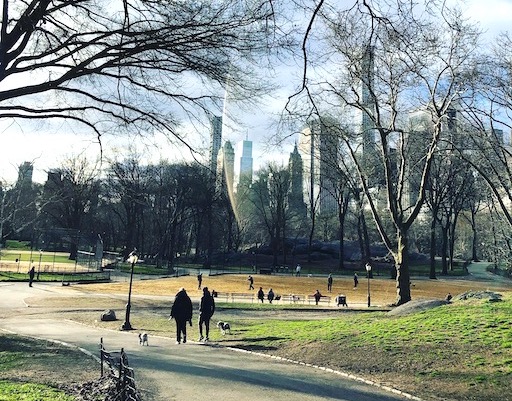
Central Park in New York City is always full of energy—even early on a Sunday morning. Joggers fill the paths, families stroll, and you’ll also see plenty of cyclists enjoying the park’s dedicated bike lanes.

If you’re visiting New York, one of the best ways to experience Central Park is to rent a Citi Bike and cycle around the park loop.

How Long Does It Take to Cycle Central Park?

Cycling the entire loop around Central Park on a Citi Bike takes about 40–50 minutes, depending on your pace. It’s the perfect workout—challenging enough to get your heart pumping, but still manageable for most riders. Be prepared: some hills will leave you a little out of breath!

Central Park in the Morning

Early mornings around Central Park are refreshing and lively. The park feels calm but vibrant at the same time. Below is a gallery of what you can expect to see during your ride.

Central Park Bike Lane Map

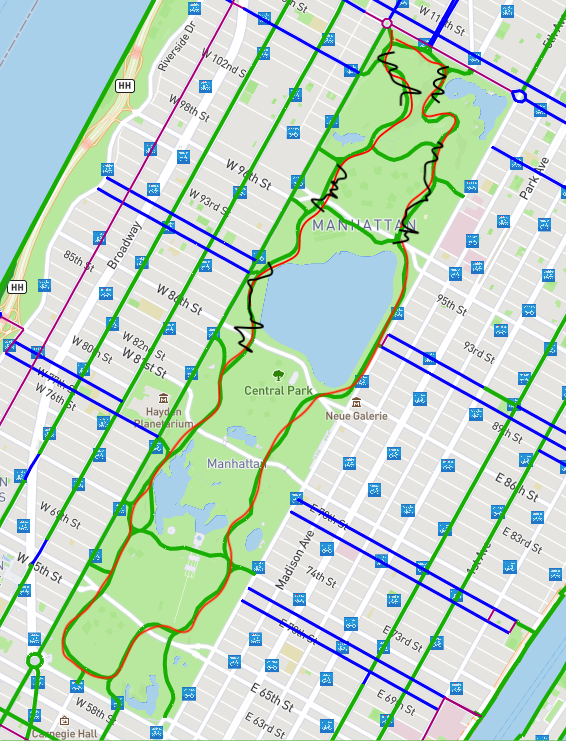
Here’s a map of the Central Park bike loop, courtesy of NYC Bike Maps.

Courtesy to https://www.nycbikemaps.com/
  • Red line = The full cycling loop (about 45 minutes for me).
  • Black wavy lines = Steep hills. These sections can be tough on a regular bike, but with an electric Citi Bike, you’ll breeze right through.
  • The west side has more uphill climbs, so expect a more intense workout. If it’s too much, you can always hop off and walk your bike.

Final Thoughts

Cycling Central Park with a Citi Bike is one of the most enjoyable ways to see New York. You’ll get exercise, fresh air, and an incredible view of the park’s trees, lakes, and landmarks—all in under an hour. Whether you’re a visitor or a local, hop on a Citi Bike and give the Central Park loop a try.

Central park west picture

Back to Home

Health Insurance in the U.S.: What Artist Visa Holders Need to Know

Health Insurance in the U.S.: What Artist Visa Holders Need to Know

USA_insurance1

Estimated reading time: 4 minutes

If you’ve just received your O-1 Artist Visa in the United States, congratulations! But before you dive into your creative journey, there’s something essential you need to understand—health insurance in America. Medical costs in the U.S. are among the highest in the world, and having proper coverage isn’t just a recommendation, it’s a necessity.

In this article, I’ll explain why insurance is so important for artist visa holders, what options are available, and how you can protect yourself while living in the U.S.

What Is an Artist Visa (O-1 Visa)?

The O-1 visa, commonly called an artist visa, is granted to individuals with extraordinary ability in the arts, music, film, design, or other creative fields. Unlike H-1B workers, most O-1 visa holders do not automatically receive health insurance from an employer, which means you need to arrange coverage on your own.

Do Visa Sponsors or Employers Cover Health Insurance?

In short—rarely.
Unlike in some countries, U.S. employers are not always required to provide health insurance, especially for freelancers or artists on O-1 visas. Even middle-class Americans often don’t have employer-covered insurance, so it’s up to you to secure your own plan.

The Reality of U.S. Medical Costs

American healthcare is world-class in quality—but also world-class in cost. Here are some average expenses without insurance:

  • Ambulance ride: $1,000+ (over ¥100,000)
  • Surgery: $3,000+ (over ¥300,000)
  • Doctor’s visit: $200–$300 (¥20,000–¥30,000)

For an uninsured artist, one accident or emergency could lead to overwhelming debt.

My Personal Experience With U.S. Healthcare

When I was misdiagnosed with glaucoma by a doctor in Japan, it was only at Mount Sinai Hospital in New York that I received the correct diagnosis—retinal detachment. Thanks to skilled specialists and advanced technology, I received proper treatment and recovered.

This experience showed me that while costly, U.S. healthcare can be more accurate and reliable in certain situations.

Health Insurance Options for Artist Visa Holders

If you’re a student, or even a freelancer with an O-1 visa, you’ll likely need to explore private health insurance. One reliable option is ISO International Student Insurance, which also offers plans for non-students.

Example Coverage I’ve Used:

  • Retinal detachment surgery: $3,000+ covered
  • Women’s health exams
  • Emergency medical care: $1,000+ covered

ISO Monthly Premiums:

  • Ages 20–24: $79/month
  • Ages 25–29: $89/month
  • Ages 30+: $119/month

Plans can be paid quarterly or annually, and may even help with tax deductions.

Is Health Insurance Really Necessary in New York?

Absolutely.
Living in New York means unexpected things can happen—accidents, sudden illnesses, or even health risks from diet and lifestyle. Without insurance, the financial burden can be devastating. Think of health insurance as your safety net and peace of mind.

How to Enroll in ISO Insurance

  1. Visit the ISO website.
  2. Select “Non-student” if you hold an O-1 artist visa.
  3. Enter your age to see monthly rates.
  4. Choose and purchase your plan online.

Final Thoughts

For O-1 artist visa holders in the U.S., securing health insurance is not optional—it’s essential. While ISO is one recommended option, compare different plans to find what best suits your budget and needs.

Your health is the foundation of your artistic journey—don’t risk it by going uninsured.

Back to Home

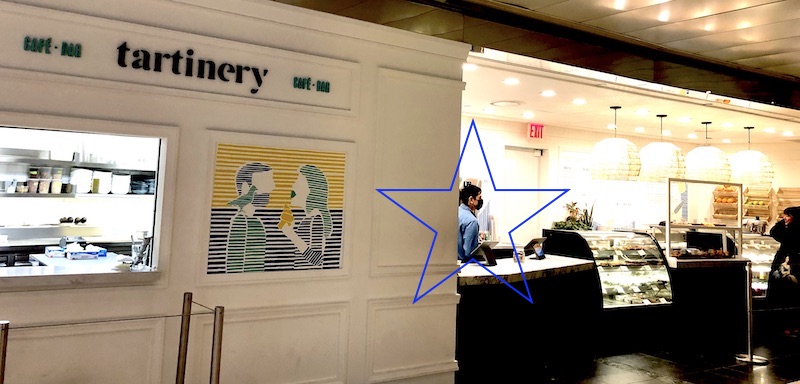
Tartinery Cafe New York – A Cozy Cafe at Columbus Circle and Grand Central 

Tartinery Cafe New York – A Cozy Cafe at Columbus Circle and Grand Central

Tartinery cafe

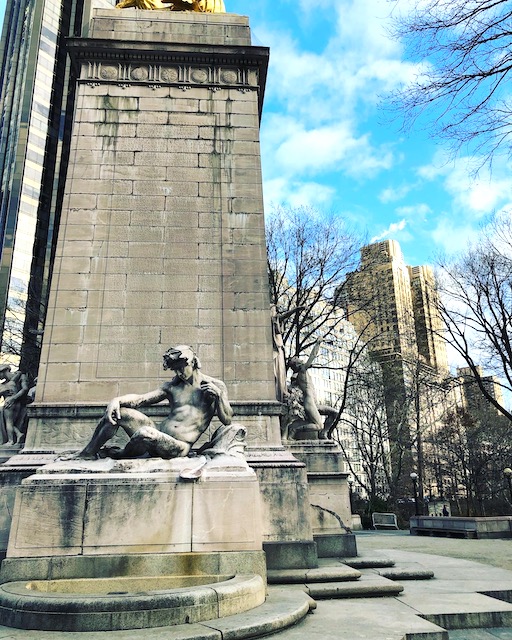
If you’re looking for a stylish and comfortable cafe in Manhattan, Tartinery Cafe is a great choice. Located inside the Time Warner Center (now Deutsche Bank Center) at Columbus Circle, this cafe is also conveniently found at Grand Central Terminal, making it perfect whether you’re shopping, commuting, or just looking for a good coffee spot in New York City.

The Atmosphere at Columbus Circle

On rainy weekday mornings, Columbus Circle can feel surprisingly calm compared to its usual busy evenings when Whole Foods Market downstairs gets crowded. That’s when Tartinery Cafe becomes the ideal spot to relax with a coffee or get some work done.

The Wi-Fi is provided by services like Amazon and Jazz at Lincoln Center, and it’s reliable enough for working online.

A Cafe with a View

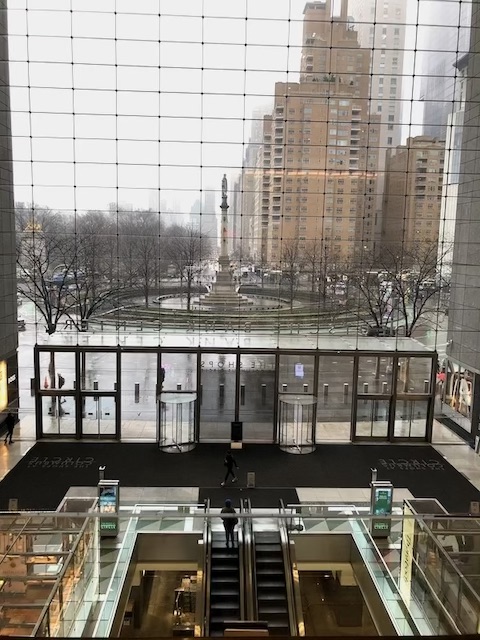
columbus_circle_inside

From the second floor of the Time Warner building, you get a nice view of Columbus Circle. Nearby, you’ll also find Amazon Books and plenty of shopping, making it a convenient location.

Tartinery itself is located on the third floor, where the cafe and restaurant share a cozy space. Previously, this spot used to be Magnolia Cafe, but it was transformed into Tartinery, bringing a new design, fresh menu, and better coffee.

What to Try at Tartinery Cafe

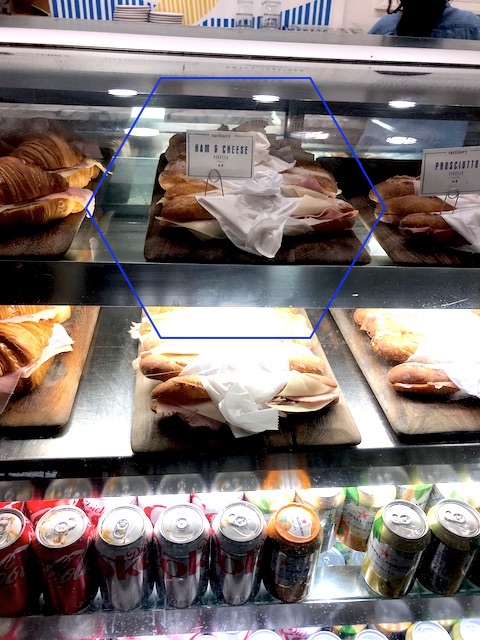
menu at the cafe

The menu is simple but delicious. When I asked the friendly staff which baguette they recommended, one of them suggested the ham and cheese baguette—and it did not disappoint!

I paired it with an iced latte that was creamy with plenty of milk, the perfect balance with the sandwich. Unlike some cafes in New York that serve very acidic coffee, Tartinery’s blend is smooth and well-balanced, making it great for those who prefer a mellow taste.

Multiple Locations in Manhattan

Ice latte at Tartinary

Besides Columbus Circle, you can also find Tartinery Cafe inside Grand Central Terminal, which is perfect for commuters or anyone passing through Midtown Manhattan.

Conclusion

If you’re searching for a comfortable cafe in New York City with good coffee, fast Wi-Fi, and a cozy atmosphere, Tartinery Cafe is worth visiting. Whether you’re near Columbus Circle or Grand Central, this cafe is ideal for both work and relaxation.

Back to Home

Cooper Hewitt: History, Ghost Stories, and My Experience

What Is the Cooper Hewitt National Design Museum?

The Cooper Hewitt, Smithsonian Design Museum is the only museum in the United States dedicated exclusively to design and design history. Located in Manhattan, it was originally established in 1897 by Sarah and Eleanor Hewitt, granddaughters of philanthropist Peter Cooper, founder of Cooper Union—a prestigious school where talented art and science students could study almost for free.

Cooper Union: A Prestigious New York University

Cooper Union has long been recognized as one of New York’s most competitive schools, offering programs in art, architecture, and science. Its mission of accessibility and excellence shaped the foundation of the Cooper Hewitt Museum.

My First Visit to Cooper Hewitt

While not as famous as the Metropolitan Museum of Art or the Whitney Museum, Cooper Hewitt became the very first museum I visited after moving to New York 20 years ago. Why? Simply because it was free admission at the time (laughs).

If you’re curious about another New York museum, check out my story about the Guggenheim Museum, which I couldn’t afford to visit back then:

A Haunting Experience at Ringwood Manor

During the pandemic, I visited Ringwood Manor, a vast historic estate in New Jersey once connected to the Cooper Hewitt family. Without much research, I went on a gloomy day, escaping Manhattan’s chaos.

Strangely, as soon as I arrived, I was overcome with severe chills and a headache. After resting briefly in the car, I forced myself inside but soon had to leave. Oddly, my headache vanished the moment I drove away.

Later, I learned that Ringwood Manor is rumored to be haunted, even featured in The New York Times.

The Hewitt Family Legacy

1. Robert Erskine – The Beginning

The estate was first built by Robert Erskine, a Scottish inventor and engineer whose ironwork impressed Benjamin Franklin.

2. The Ryerson Family – Success and Debt

Later, the Dutch Ryerson family purchased the land. Although initially successful in the iron industry, they eventually fell into heavy debt.

3. Peter Cooper – Industrialist and Philanthropist

Next came Peter Cooper, the wealthy industrialist and philanthropist who founded Cooper Union. His legacy shaped New York City’s cultural and educational landscape.

Founding of the Cooper Hewitt Museum

Sarah and Eleanor Hewitt, Peter Cooper’s granddaughters, carried forward his philanthropic vision. They established the Cooper Hewitt Museum as a free and accessible design collection.

Interestingly, the museum is now housed in the former mansion of Andrew Carnegie, another legendary philanthropist who supported education and the arts.

Ghost Stories of Ringwood Manor

Photo Courtesy to Cooper Hewitt Museum

Some say the Cooper Hewitt legacy lingers at Ringwood Manor through mysterious ghost sightings:

  • Robert Erskine: Seen holding a blue lantern by the lake.
  • An Enslaved Worker: Doors reportedly slam shut on their own, linked to spirits of the mistreated.
  • Sarah Hewitt: The smell of rose perfume is said to signal her ghost’s presence nearby.

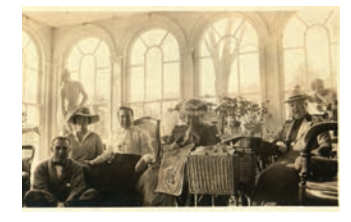
A 1918 photograph taken at Ringwood Manor even shows Sarah and Eleanor Hewitt alongside family members during the Spanish Flu era—adding to the site’s haunting atmosphere.

Conclusion

The Cooper Hewitt National Design Museum is more than just a place to admire art and design—it carries the history of New York’s influential Cooper family and a few spine-chilling legends from Ringwood Manor. Whether you go for the cutting-edge design exhibitions or the mysterious family history, it’s a must-visit for curious travelers.

Back to Home

How to Obtain U.S. Permanent Residency Without an Artist Visa

How to Obtain U.S. Permanent Residency Without an Artist Visa

Hello! I’m Maegami, the author of the blog Goddess’ Bangs
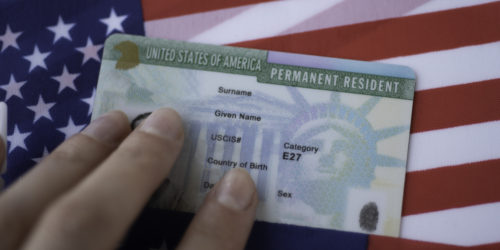
In this article, I’ll share how some artists have successfully obtained a U.S. Green Card (Permanent Residency) without first applying for an artist visa. In fact, many individuals have transitioned directly from a student visa to an artist-based Green Card through the EB-1 visa category.

Before the Year 2000: Green Cards Were Easier to Obtain

Before the tragic events of 9/11, obtaining a U.S. Green Card was significantly easier. From the 1980s through the 1990s, it was not uncommon for people to arrive in America with no clear purpose, work illegally in restaurants, and still manage to obtain permanent residency within a year thanks to employer sponsorship.

Many Japanese citizens also won permanent residency through the annual Green Card lottery.

Changes After 9/11

After the September 11 terrorist attacks, the immigration system became much stricter. Because some of the attackers had entered on student visas, immigration officers began to scrutinize visa holders more closely. Staying in the U.S. indefinitely on a language school visa became suspicious, making it harder for students to later transition into an artist visa.

EB-1 Visa: A Direct Path to a Green Card

The EB-1 visa is essentially a U.S. Green Card for individuals with extraordinary ability in the arts, sciences, business, athletics, or education. Applying directly for an EB-1, without going through an artist visa first, is possible—but it is very challenging.

You will likely need the help of an immigration attorney. The process requires a large volume of high-quality evidence and costs around 1 million yen (approx. $7,000 USD) in legal fees. Still, the reward—U.S. permanent residency—is invaluable.

Key Requirements for the EB-1 Green Card

  1. International Awards
    Winning a globally recognized prize such as a Grammy, Emmy, Chopin Competition, or Van Cliburn International Piano Competition is a strong qualification.
  2. Major Media Coverage
    Being featured in top media outlets such as The New York Times or The Washington Post is crucial. Immigration officers look for press coverage that is instantly recognizable.
  3. International Recognition
    Documented achievements such as international tours, jury positions at competitions, teaching abroad, or global media appearances all strengthen your case.
  4. Stable and Significant Income
    Demonstrating financial independence and the potential for high earnings is an essential factor for EB-1 approval.

Conclusion

Skipping the artist visa and applying directly for a U.S. Green Card through the EB-1 visa requires meeting all of the conditions above. Fulfilling just one is not enough.

However, many artists successfully move from a student visa to an artist visa, and eventually to permanent residency. The key is to build your career while on a visa and prepare your case carefully.

Remember, Green Card applications can be submitted multiple times, so don’t hesitate to try again if needed. I hope this guide helps future artists and professionals seeking to build a career in the United States.

Back to Home

Motsunabe Kimura in New York: The Best Winter Comfort Food to Warm You Up

Motsunabe Kimura: The Ultimate Winter Comfort Food in New York

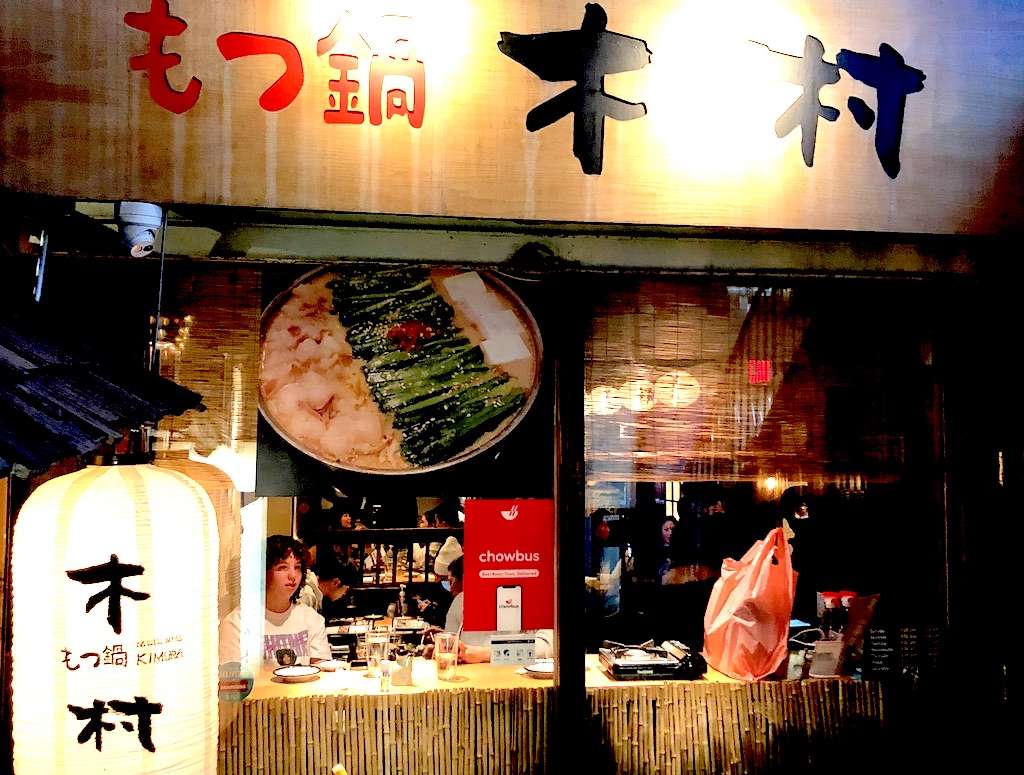
もつ鍋木村の外観の写真です
outside of the restaurant

Visiting Motsunabe Kimura in New York is a must, especially on those chilly winter nights. With temperatures dropping to as low as -11°C (12°F), we decided to warm up with one of Japan’s most beloved winter dishes – motsunabe.

If you’re in New York City and craving an authentic hot pot experience, Motsunabe Kimura in the East Village is the perfect spot to enjoy this delicious and comforting dish. Though Hakata Tonton also offers great motsunabe, Kimura brings something extra to the table!

Motsunabe Kimura Website

The Cozy Ambiance of Motsunabe Kimura

Walking into Motsunabe Kimura, you’re greeted with a nostalgic atmosphere that takes you straight to Japan. The bright lights, retro Japanese signage, and cozy, intimate setting are perfect for enjoying a traditional Japanese meal.

Despite the freezing temperatures outside, we opted for outdoor seating. While it did get a bit chilly without a heater at our feet, the comfort of hot, steamy motsunabe made it all worth it.

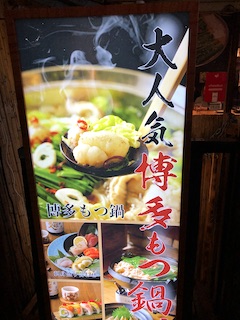
もつ鍋木村の看板です。
外の屋台テーブル
Image of the outdoor tables at Motsunabe Kimura

A Taste of Japan’s Best Hot Pots

At Motsunabe Kimura, the menu offers a variety of dishes, but their Hakata motsunabe and black pork hot pot are truly standouts. We also tried the grilled squid and marinated mackerel, which were cooked to perfection and paired wonderfully with the hot pots.

Here are the highlights of the dishes we enjoyed:

  • Black Pork Hot Pot: A rich and flavorful hot pot featuring tender pork that melts in your mouth.
  • Hakata Motsunabe: A classic, hearty dish with tender beef tripe, rich broth, and an assortment of vegetables.
  • Grilled Squid: A simple but flavorful dish, perfect for sharing.
  • Marinated Mackerel: A deliciously fresh fish option that balances out the rich flavors of the hot pot.
Black Pork Hot Pot
Hakata Motsunabe
Motsu-Pork_eye_catch

Why Motsunabe Kimura is Worth the Visit

Motsunabe is not just a meal; it’s an experience, especially when enjoyed in such an authentic setting. The restaurant’s commitment to using high-quality ingredients and traditional Japanese techniques sets it apart from other restaurants in New York’s East Village. Whether you’re a fan of motsunabe or trying it for the first time, Kimura’s version will surely impress.

Conveniently located on St. Marks Place in the East Village, this cozy restaurant is easy to find. With its unique flavors and traditional atmosphere, it’s no wonder Kimura is a favorite among locals and tourists alike.

Tip: Make a Reservation in Advance

Due to its popularity, Motsunabe Kimura tends to get crowded, especially during the colder months when everyone craves a warm bowl of motsunabe. To avoid waiting, it’s best to make a reservation ahead of time.

Final Thoughts: A Perfect Winter Spot in New York

If you’re visiting New York in the winter and want to experience authentic Japanese comfort food, Motsunabe Kimura is a must-try. The Hakata motsunabe and black pork hot pot are perfect for those cold nights, and the atmosphere will make you feel like you’re dining in Japan. Don’t forget to compare Kimura’s motsunabe with other top spots like Hakata Tonton for a full taste of New York’s Japanese hot pot scene.

Back to Home