
Visa Application: What is a Cover Letter and How to Write It?

Artist Visa Application: What is a Cover Letter and How to Write It?

When applying for an Artist Visa, the cover letter is one of the first documents you will submit. It serves as a formal request from your employer or sponsor (the petitioner) for your visa approval. Below the heading, you’ll find a summary of the enclosed documents, much like a table of contents in a book.

Estimated reading time: 4 minutes

In this article, I’ll walk you through the structure of the cover letter and explain its components to help you prepare a successful Artist Visa application.

The cover letter follows a professional business format, similar to the one used by companies with headers. The company’s logo is typically placed on the left, while the address and contact information are on the right. Below the header, you’ll include the address of the immigration office where you are submitting your application. Note: Be sure to verify the address for each application, as it may change depending on the state or content of your submission.

What Goes After the Header?

After the header, you will include the following subject line:

Re: O-1B related I-129 Petition for YOUR NAME (the “Beneficiary”).

In this line, replace “YOUR NAME” with the name of the visa beneficiary. Beneficiary refers to you, the person applying for the visa, but remember that the petitioner (your employer or sponsor, or their lawyer) is the one submitting the application.

The language in your cover letter may vary depending on whether you hire an attorney to help with your application. If an attorney is involved, the letter will likely include more technical terms such as “EXHIBITION 1” and “EXHIBITION 2” in the list of supporting documents. However, the basic structure and content will remain the same. The most important thing is to keep the cover letter clear and easy to understand.

What Does “Enclosed Please Find” Mean?

At the beginning of the list of documents, you’ll often see the phrase:

Enclosed please find:

This means that all the necessary documents are attached to the file, and the immigration officer can refer to the following list to find them. This section acts as a table of contents for your Artist Visa application.

What Should Be Included in the Document List?

The list includes critical documents that support your application. The most important items to include are:

  1. Form I-129 and the filing fee ($460): Make sure this is clearly marked and attached to the cover letter.
  2. Written Consultation from a union or other relevant entity.
  3. Personal Documents: Passport, Social Security card, and any other personal identification documents.
  4. Employment Agreement or sponsor contract.
  5. Personal Background Materials: A detailed account of your education, career, and artistic accomplishments.

These documents should be listed first as they are the most critical to your application.

Supporting Documents That Can Help Your Case

The second part of the document list includes supporting materials that help demonstrate your qualifications. These materials are not as essential as the first items but can strongly support your application:

  • Resume or CV detailing your professional experience.
  • Awards or scholarships you’ve received.
  • Programs or concerts you’ve performed at.
  • Press or media mentions, along with their English translations if necessary.
  • Letters of Recommendation (usually six letters).

Each of these documents should be organized and easy to locate. It’s recommended to use black-and-white copies for clarity and highlight your name in pink or yellow to make it stand out. By organizing your materials in a clear and logical manner, you make it easier for the immigration officer to find key information quickly.

How to Organize Your Application for Clarity

Ideally, your cover letter will help the immigration officer navigate the contents of your application by creating an easily accessible and organized file. This is especially important when you have multiple supporting documents. It’s perfectly fine to creatively organize your file, but it’s essential that it remains clear and easy to follow.

Conclusion

In this article, I’ve shared a detailed overview of the Artist Visa cover letter, including its structure and how to organize your supporting documents. The cover letter plays a vital role in guiding the immigration officer through your submission. By preparing a well-organized cover letter and supporting list, you can ensure that your application is smooth and professional.

Make sure your sponsor or employer writes the cover letter for you, and start by organizing your documents to make the process more manageable. Good luck with your Artist Visa application!

Back to Home

Key Points to Consider When Choosing a Sponsor for Your Artist Visa

Key Points to Consider When Choosing a Sponsor for Your Artist Visa

Estimated reading time: 4 minutes

When applying for an Artist Visa, one of the most crucial steps is securing a sponsor. This sponsor is typically the organization or employer you will be working with, and they will play a key role in supporting your visa application. Whether you’re applying as an independent artist or through an agency, choosing the right sponsor is critical. In this article, we’ll guide you through the essential factors to consider when selecting your sponsor for the artist visa application process.

What is an Artist Visa Sponsor?

For your Artist Visa application, you must find a sponsor who is willing to support your petition. This can be an employer, an agency, or even an educational institution you are affiliated with. For example, if you are working at a school or performing as a part of a theater or orchestra, these organizations may act as your sponsors.

If you’re applying for an artist visa, it’s essential to secure a strong and credible sponsor. Let’s dive into what makes a good sponsor and how to select one.

My Personal Experience with Choosing a Sponsor

In my case, the places I worked at became my sponsors. I worked at two different educational institutions, both of which were LLCs (limited liability companies) and they agreed to sponsor my visa. One of the schools was a nonprofit piano school in New York, which is also an option for artist visa sponsorship. And the both sponsors are well known in New York City.

While many schools or organizations may not be willing to sponsor your visa, it’s important to note that some will specifically encourage you to apply for an Artist Visa.

The Importance of Sponsor’s Annual Revenue

One of the most important aspects of choosing a sponsor is their financial stability and the strength of their business. When applying for an artist visa, your sponsor’s ability to pay you and support your work is crucial.

In my own case, the strength of my sponsor played a major role in my visa approval. Why is this important? A sponsor with high annual revenue indicates that they have the necessary funds to compensate you adequately. This is particularly significant because this visa is a type of work visa. The sponsor must have the resources to ensure that you can work, live, and pay taxes in the U.S.

Whether you’re working with an agency or an employer, it’s essential to choose a sponsor that has a strong reputation in the industry. Consider the following factors when evaluating potential sponsors:

  • Professional Website: Does the organization maintain a professional and informative online presence?
  • Quality of Other Talent: Are other artists or employees associated with the sponsor of a similar high caliber?
  • Effective Promotion: Does the organization have a strong promotional presence and track record of successful events?
  • Clear Policies and Values: Does the sponsor have clear guidelines and policies that align with your professional values?
  • Longevity and Stability: Is the sponsor well-established with a strong history of success?
  • Tax and Legal Issues: Ensure the sponsor has a clean financial record and no outstanding legal issues.

For example, one of my past employers was a relatively young organization, having been in business for just a few years. Despite its age, the organization was well-structured and had excellent promotional abilities and a unique educational philosophy. This made it a strong sponsor for my visa.

When applying for an Artist Visa, your sponsor will need to sign and submit essential documents on your behalf. These documents play a pivotal role in supporting your application.

Final Thoughts

Choosing the right sponsor is a critical step in securing your Artist Visa. Whether you’re working directly with an employer or an agency, the criteria for selecting a sponsor remain the same. It’s also important to foster a positive, professional relationship with your sponsor. A strong sponsor can make the difference between a successful visa application and one that is delayed or denied.

 Back to Home


Written Consultation Letter Visa Requirements Explained

Written Consultation Letter Visa Requirements Explained

Estimated reading time: 4 minutes

When applying for an artist visa in the U.S., one crucial document you will need is the Written Consultation Letter. This document, although not one of the top three most important documents that require a sponsor’s signature, plays a vital role in the approval of your application. In this guide, we’ll explain what a Written Consultation Letter is, who needs to provide it, and why it’s essential for your artist visa approval.

What is the Written Consultation Letter for an Artist Visa?

The Written Consultation is a formal letter that provides expert advice about your qualifications as an artist. Unlike a recommendation letter, which supports your application, the consultation letter is a required document for your visa process. Without it, your application may be delayed, or additional documentation may be requested.

The consultation must come from a highly reputable individual or a union closely tied to your field. This individual should be world-renowned and have significant financial standing. For example, internationally famous artists or union representatives from your artistic domain, such as the American Music Federation (AMF), are ideal sources for this letter.

Who Can Write Your Written Consultation Letter?

When applying for an artist visa, it’s crucial to ensure the person who provides your Written Consultation has significant influence and recognition within the arts world. Here are some key considerations:

  • Famous Individuals in Your Field: The person should be globally recognized and have an extensive professional background.
  • Labor Unions: For musicians, artists, and performers, a union such as the American Music Federation (AMF) can provide this consultation.

My Personal Experience with the Written Consultation

When applying for my own artist visa, I had to seek a Written Consultation from a highly respected individual or organization. While I was not internationally famous, I contacted the AMF, a nonprofit labor union for musicians based in both the U.S. and Canada, to request a consultation letter. This union protects the rights of musicians and artists to ensure they are compensated for their work.

If you’re in a similar situation, you may not need to rely on globally famous individuals but can seek a consultation from a reputable union related to your profession.

How to Apply for the Written Consultation

The process of requesting a Written Consultation is fairly straightforward but requires specific documents:

  1. Documentation: Provide the same documents as you would for your artist visa application.
  2. Work Contract: The most crucial document to submit is your contract with the employer or organization where you’ll be working. Ensure the contract outlines your specific work period and the dates you will be employed.

Be cautious not to submit more than 25 pages of personal history documentation. Focus on your professional engagement and the impact your work will have in the U.S.

Cost of a Written Consultation Letter

Currently, the cost to apply for a Written Consultation is around $250 (this price can be changeable). Once submitted, the letter will be signed by an AMF representative and returned to you securely.

Importance of the Written Consultation Letter in the Artist Visa Process

Submitting the Written Consultation is a critical part of the visa application. Without it, your application will not be approved, even if all other documents are complete. It’s different from a recommendation letter, which is also important but not a mandatory requirement.

This document essentially proves your eligibility as an artist of extraordinary ability and ensures your visa application proceeds smoothly.

Conclusion: Don’t Skip the Written Consultation Letter

As emphasized throughout this guide, the Written Consultation Letter is one of the most essential documents when applying for an artist visa in the U.S. If you fail to submit this letter, your visa application will be at risk of delay or rejection. Ensure you secure a consultation from a highly reputable source and submit it alongside your other visa documentation.

Be sure to apply early, as obtaining the letter can take several weeks. Taking care of this step early in your application process will help you avoid unnecessary delays and ensure a smoother visa application process.

Back to Home

Form I-129 for Artist Visa: Essential Guide for a Successful Application

Artist Visa Application: What is Form I-129?

Estimated reading time: 2 minutes

Hello! This is Maegami from the blog “Goddess’ Bangs” Today, we’re diving into an essential part of the artist visa application process: Form I-129.

What is Form I-129?

Form I-129 is a crucial immigration petition submitted to the United States Citizenship and Immigration Services (USCIS). Employers or sponsors use it to request permission for a foreign worker (the beneficiary) to work legally in the U.S.

This form can be downloaded from the USCIS website and is electronically fillable. Since accuracy is critical, any errors can delay processing. Many applicants opt to hire an immigration attorney to ensure proper completion. You could apply without a lawyer if you understand English well.

Purpose of Form I-129

  • Immigration Petition: Form I-129 serves as an official petition for work visas, including the O-1B artist visa.
  • Employer’s Role: The employer or sponsor submits the form as the petitioner, providing detailed information about the beneficiary (applicant) and the job being offered.
  • Submission Method: The form is available as a PDF. You have to complete it digitally before submission, along with the required supporting documents.

Importance of Accuracy

A properly completed Form I-129 is essential for a successful visa application. Mistakes or missing details may result in a Request for Evidence (RFE) from USCIS, causing delays.

Deadlines and Updates

Form I-129 has strict submission deadlines. Always check for the latest version on the USCIS website to ensure compliance. Filing an outdated form can lead to complications.

Role of an Immigration Attorney

Ensuring Accuracy

Immigration attorneys specialize in visa applications and can help minimize errors in Form I-129, reducing the risk of additional document requests.

Comprehensive Support

Attorneys provide end-to-end assistance, from form completion to legal consultation and case tracking. They can also help secure a Written Consultation, a key document for O-1B visa applications.

Conclusion

Form I-129 is a vital component of the U.S. artist visa application process. Ensuring accuracy and meeting deadlines are crucial for success. While hiring an attorney is optional, professional guidance can streamline the process and improve approval chances.

For more insights on the artist visa application, stay tuned to Goddess’ Bangs !

Back to Home

5 Key Factors for Successfully Applying for an Artist Visa in the U.S.

5 Key Factors for Successfully Applying for an Artist Visa in the U.S.

Applying for an artist visa (O-1B visa) in the United States requires careful preparation. The following five factors are crucial to increasing your chances of a successful application.

Estimated reading time: 3 minutes

1. No Criminal Record

U.S. immigration law takes an applicant’s criminal history seriously. Any past convictions, from felonies to misdemeanors, can impact your application. Issues such as illegal stays, involvement in communist activities, or drug use may also be considered. If you have a criminal record, obtaining a visa may become significantly more difficult.

2. Strong Sponsorship

A reputable and legally recognized sponsor is essential for a successful artist visa application. The sponsor should not only be well-known but also hold credibility within the legal and artistic community. Choosing a sponsor carefully and building a professional relationship with them can greatly enhance your application.

3. Online Presence and Recognition

U.S. immigration officers will research your name online to verify your credibility and achievements. It is essential to have sufficient media coverage, including mentions in reputable websites, magazines, and social media. Keep in mind that recognition in Japan alone may not be enough—having a strong presence in the U.S. is particularly important.

4. Comprehensive Proof of Achievements

To establish your credentials, you need solid evidence of your artistic achievements. This may include concert programs, exhibition flyers, press releases, or reviews of your work. These materials must be factual and clearly demonstrate your professional contributions.

5. Genuine Letters of Recommendation

A minimum of six heartfelt recommendation letters from reputable individuals is required. These letters should be personal and specific, rather than generic templates provided by attorneys. Personalized letters that highlight your unique talents and achievements can make a significant difference in setting you apart from other applicants.

Conclusion

Meeting these five key criteria—having a clean legal record, securing a strong sponsor, building an online presence, compiling a robust portfolio, and obtaining genuine recommendation letters—will greatly improve your chances of obtaining an artist visa. Even if you are not yet widely recognized, fulfilling these requirements can help you achieve your goal of securing a U.S. artist visa.

Back to Home

Essential Documents and Step-by-Step Guide for O-1 Artist Visa Application

Essential Documents and Step-by-Step Guide for O-1 Artist Visa Application

Hello! This is Maegami from the blog “Megami no Maegami.”
In this article, I’ll walk you through the essential documents needed at the very beginning of your artist visa application process (O-1 Visa).

Estimated reading time: 3 minutes

Collecting the right materials is one of the most important parts of applying for an artist visa. Below are the three key documents that form the foundation of your O-1 visa petition.

1. Cover Letter

The cover letter is a crucial document for your application. It serves as an introduction to the U.S. Citizenship and Immigration Services (USCIS). Your sponsor (employer) or legal representative write for you.

It typically includes:

  • Overview of the Applicant’s Background: A concise summary of your professional achievements and qualifications.
  • Endorsement from the Sponsor: Why the sponsor wants to hire you and what skills or talents they value in you.
  • Terms of the Agreement: A brief summary of the job responsibilities, timeline, and conditions of employment.
  • Signature: The sponsor must sign the letter to confirm its accuracy and legitimacy.

This document sets the tone for your entire petition and is usually prepared by an immigration attorney or paralegal. You can refer to sample formats once you have a professional version created.

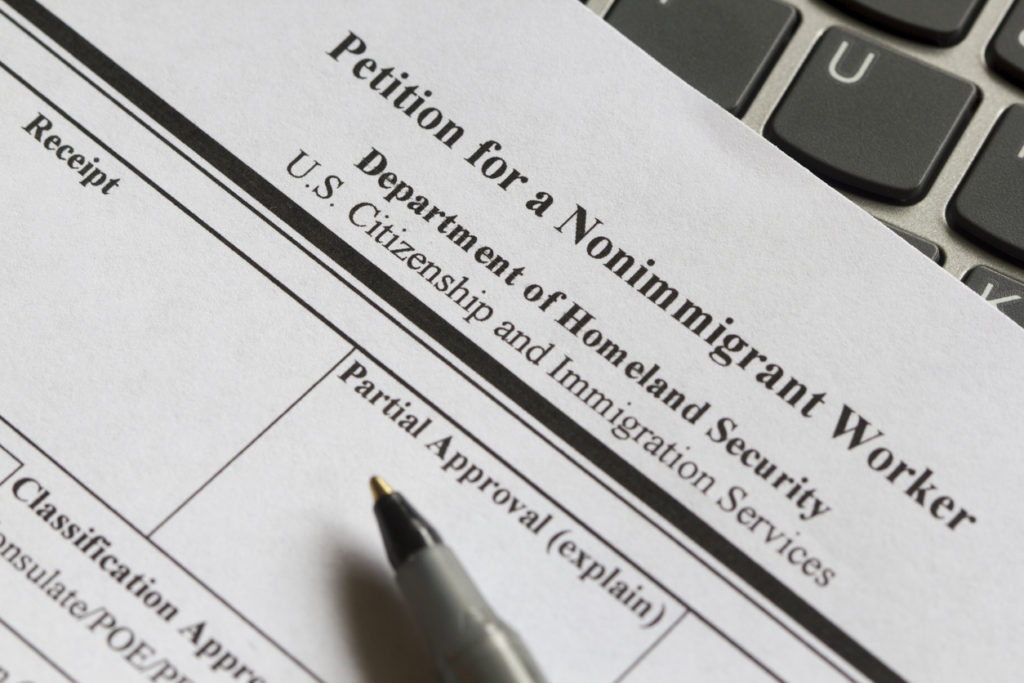
2. Form I-129 (Petition for a Nonimmigrant Worker)

Form I-129 is the official petition submitted to USCIS when applying for a work visa in the U.S., including the O-1 visa.

This form includes:

  • Petition for a Nonimmigrant Worker: Information about your employment in the U.S., including sponsor details.
  • O and P Supplement: Additional details required for artist and entertainment visa categories.

Always make sure to download the latest version from the USCIS website, as the form is periodically updated. The sponsor must also sign in designated sections. If you are preparing your documents independently, it’s strongly recommended to have them reviewed by someone familiar with immigration law.

3. Contract

A legally binding contract between you (the artist) and your sponsor or employer is required as part of your visa petition.

The contract should outline:

  • Work Description: Details about the job responsibilities, performance dates, and locations.
  • Payment Terms: Salary, benefits, or compensation information.
  • Conditions and Obligations: Duration of the contract and any specific terms or restrictions.

Both parties have to sign this documents. Most applicants work with a legal advisor to draft a contract that meets USCIS standards and avoids potential issues during the review process.

Summary

To recap, the three essential documents you must prepare for your O-1 artist visa application are:

  1. Cover Letter
  2. Form I-129
  3. Contract

You must carefully prepared and submitted them on time. I recommend you to ask the assistance of a legal expert to check your documents. Starting early and staying organized will dramatically improve your chances of a successful application.

Back to Home

Applying for an Artist Visa Under the O-1A Category

Applying for an Artist Visa Under the O-1A Category

If you’re considering applying for an artist visa under the O-1A category, this guide will provide you with essential information. Unlike the O-1B category, which is primarily for artists, O-1A is more academic-focused and applies mainly to educators and researchers.

Estimated reading time: 3 minutes

What is an Artist Visa?

The O-1 visa is a U.S. work visa designed for individuals with extraordinary ability. It is divided into two main categories:

  • O-1A: For individuals in the fields of science, education, business, and athletics.
  • O-1B: For individuals with extraordinary ability in the arts or those working in the motion picture or television industry.

This article focuses on the O-1A category, especially how a piano educator successfully extended their visa under this classification.

Key Features of the O-1A Categor

The O-1A category is designed for educators and researchers, making it different from the artist-focused O-1B. Below, we’ll explore a real case where a piano teacher successfully applied for a three-year extension under the O-1A category.

Case Study: O-1A Extension for a Piano Teacher

A friend applied for a three-year extension under the O-1A category but received a Request for Evidence (RFE) from USCIS. I assisted in preparing additional documents, and eventually, the extension was approved.

Handling a Request for Evidence (RFE)

USCIS’s RFE letter clearly outlined areas for improvement. To respond effectively:

✔️ Carefully analyze the request to determine exactly what USCIS wants.
✔️ Provide specific, well-documented evidence rather than general explanations.
✔️ Organize documents professionally to clearly demonstrate achievements.

Documents Required for an O-1A Application

Unlike O-1B applicants, O-1A applicants don’t need extensive performance experience. Instead, a strong teaching and academic background is key.

Examples of Submitted Documents

✔️ Records of Masterclasses and Lectures
✔️ Experience and achievements in group piano lessons for children
✔️ Publication of original piano teaching methods
✔️ Invitations to international music education conferences and lectures
✔️ Proof of students winning competitions

These documents should be categorized and presented logically, demonstrating both past achievements and future career plans.

Key Differences Between O-1A and O-1B

FeatureO-1AO-1B
Main FocusEducation & ResearchPerformance & Artistic Impact
Required DocumentsTeaching credentials, academic research, conference participationConcert programs, reviews, awards
Who Should Apply?Educators, researchers, scholarsPerformers, actors, musicians

Even without an extensive performance history, you can still qualify for O-1A by highlighting achievements in music education.

The Importance of Media Exposure

Regardless of whether you apply for O-1A or O-1B, media coverage is essential. Public recognition through:

✔️ Newspaper and magazine articles
✔️ Interviews and features in industry publications
✔️ Social media presence and professional website

helps demonstrate your influence and credibility.

Conclusion

In this guide, we explored how to apply for an artist visa under the O-1A category and highlighted key differences from O-1B. While the required documentation differs, both categories emphasize media exposure and evidence of influence.

If you’re considering an O-1 visa application, start building your portfolio and leveraging social media to boost your visibility.

Back to Home

How to Apply for an O-1B Artist Visa: A Complete Guide for Musicians & Performers

How to Apply for an O-1B Artist Visa: A Pianist’s Real-Life Experience

Estimated reading time: 2 minutes

The O-1 visa—often called the “extraordinary ability visa”—is a popular option for artists, musicians, performers, and other professionals aiming to work in the U.S. It comes in several categories, and in this article, I’ll focus on the O-1B visa, which I personally applied for and successfully received as a pianist and piano teacher. I’ll also briefly touch on the O-1A visa, which I helped a friend obtain.

What Is the Artist Visa (O-1)?

The O-1 visa is designed for individuals with extraordinary ability in their field. It is divided into several categories:

  • O-1A: For individuals in science, education, business, or athletics
  • O-1B: For individuals with extraordinary ability in the arts or motion picture/TV industry

There are also support and family visas related to O-1:

  • O-2: For essential assistants of O-1 holders
  • O-3: For the spouse and children of O-1 holders

In this post, we’ll go deeper into the O-1A and O-1B categories.

O-1A Visa Overview

The O-1A is for professionals with exceptional skills in science, business, education, or athletics. If that’s your field, I recommend consulting a detailed guide (or an immigration attorney) to determine eligibility and gather required evidence.

My O-1B Visa Application Story

As a pianist and piano teacher, I applied for the O-1B visa and was successfully approved. It’s important to present a well-rounded application that highlights both educational qualifications and artistic achievements.

Educational Documentation (approx. 15%)

  • High student success rate in piano certification exams
  • Sponsor’s cover letter highlighting my teaching credentials
  • Certificates of excellence from reputable institutions (e.g., a music school in Manhattan)

Artistic Documentation (approx. 75%)

  • Records of concert performances
  • Published videos of live or online performances
  • Original compositions or recordings used in films
  • Articles and press coverage in local New York newspapers

Building this portfolio takes time, so I recommend starting early and documenting every milestone.

Key Takeaway: Know Your Category

Success starts with knowing which category you fall under. In my case, the O-1B visa fit perfectly. If you’re unsure about your category or need help gathering the proper documentation, consulting an immigration expert or mentor in your field can be very helpful.

Back to Home

How to Apply for an Artist Visa Without a Lawyer

How to Apply for an Artist Visa Without a Lawyer

Applying for an artist visa in the United States can be done in two ways: through a sponsor or employer or with the help of an immigration lawyer. In either case, the petitioner submits the application to the U.S. Citizenship and Immigration Services (USCIS). I chose to have my employer file the petition on my behalf while collaborating on the application materials. My sponsor was an American citizen.

Estimated reading time: 3 minutes

Deciding to Prepare the Artist Visa Application Independently

Applying for an artist visa without legal assistance requires determination and careful preparation. For example, filling out Form I-129 must be error-free. Understanding the roles of the petitioner and beneficiary is crucial since the petitioner—not you—is the one formally submitting the application.

What Convinced Me That I Could Apply for an Artist Visa on My Own

Reviewing a Friend’s Application

A pivotal moment was when a pianist friend who was working with a lawyer shared her application materials with me. I noticed that she had prepared many of the documents herself. This reassured me that I could handle my own application.

Guidance from a Knowledgeable Friend

Another friend at my workplace successfully obtained an EB-1 (Artist Green Card) by gathering the necessary documents on his own. His guidance was invaluable, as he helped me review the contents of Form I-129 and other materials.

Taking Action to Prepare the Application Materials

Creating an Artist Website

Once I was confident in my ability to prepare the application, I took immediate action. I built a website showcasing my career, upcoming performances, and achievements. Though I lacked professional design skills, I structured the content effectively for an American audience.

Utilizing Skills from College

I applied the basic web development skills I had learned in college to create a functional and professional-looking artist portfolio.

Gaining Momentum Through Action

Once I started taking action, others began supporting me. A contemporary music composer asked me to perform his work, and a university acquaintance used my performance in a film scene. By establishing an online presence, I gradually accumulated more supporting materials for my application. This process continued for about eight months.

Collecting Essential Documents

One of the first documents I secured was the Written Consultation, which I obtained early in the process. Additionally, I reached out to individuals willing to provide recommendation letters and other supporting documents.

Organizing a Compelling Application File

Creating a Clear and Professional File Structure

  • Arranging documents in a logical order for easy review.
  • Highlighting key accomplishments and qualifications.
  • Providing a well-organized cover letter outlining the application.

Presenting Strong Supporting Evidence

  • Submitting authentic, well-prepared materials.
  • Including detailed letters of recommendation and evidence of artistic achievements.

Conclusion

In this article, I shared how I gathered and prepared my artist visa application materials independently. Taking the first step led to more opportunities and valuable support from others. If you’re considering applying for an artist visa without a lawyer, I hope this article motivates and inspires you to take action.

Back to Home

Artist Visa : Experience of Receiving Two RFEs

Experience of Receiving Two RFEs

Hello! I’m Maegami, the author of the blog Goddess Bangs. Today, I would like to share my experience of receiving an RFE.

Estimated reading time: 3 minutes

When applying for an artist visa in the U.S., if there are insufficient documents, you may receive a Request for Evidence (RFE). If you receive this letter, you’ll need to gather additional documents and submit them within the specified deadline. USCIS – Artist Visa information

What is a Request for Evidence?

A Request for Evidence (RFE) is a letter from the U.S. Citizenship and Immigration Services (USCIS) requesting additional documents. The letterhead typically includes information about the missing documents and the reason for the request.

My Experience: 2017 RFE

In 2017, when I tried to extend my visa for three years, I received an RFE from USCIS. The reason was that the documents I submitted were insufficient. At the bottom of the letter, a deadline for submitting the missing documents was indicated. Generally, you are given a few months from the time the letter is issued.

RFE Details

First Request

I applied to extend my visa from one year to three years, but I was notified that the necessary documents were insufficient. The RFE asked me to provide detailed evidence and plans for the next three years.

For example, while I had previously conducted one-on-one piano lessons, I needed to prove my future involvement with educational institutions or collaborations in the business field. It was also required to show career progression under the same employer, such as taking on roles like a manager or coordinator.

My Response to the First RFE

The first RFE was unclear about what exactly was missing. Despite the lack of clarity, I submitted additional documents with more detailed plans. However, I received a second RFE.

Second Request

The second RFE specified that I needed to clearly demonstrate the differences between my past work and my future work over the next three years. This time, it was easier to understand what was required.

My Response to the Second RFE

To address the second RFE, I created documents highlighting the differences between my past and future work. Here’s how I approached it:

  • Comparison Essay
    Using my knowledge from university writing classes, I wrote a contrast essay. I explicitly detailed how my future work would differ from my past activities.
  • Four Short Essays
    I created four concise comparison essays and had my sponsor (employer) sign them. The signature served as evidence that the content I provided was truthful. By submitting only these four essays, I successfully obtained my three-year visa extension.

Conclusion

Today, I shared my experience of receiving two RFEs from USCIS. Receiving an RFE can be incredibly stressful, but staying calm and responding appropriately will get you through it. I also appreciated the kindness and understanding of the immigration officers during the process. I hope this information helps anyone facing a similar situation.

 Back to Home