
Apple Picking Near NYC: Why Pennings Orchard Is Perfect for Families

Apple Picking Near NYC: Why Pennings Orchard Is Perfect for Families

alt="A picture of a bag of Apples at Penning Orchard"

Estimated reading time: 3 minutes

If you’re looking for a fun fall activity just outside New York City, apple picking is the way to go. Freshly picked apples taste amazing, and upstate New York is one of the best places to experience it. You can visit by a car or rent a car.

Today, I’ll introduce Pennings Orchard, a family-friendly spot that’s perfect for kids (and fun for adults too).

How to Get to Pennings Orchard from NYC

We rented a Zipcar for about 5 hours ($90 total) and left Manhattan around 10 a.m. The drive took just over an hour, passing through New Jersey before arriving at the orchard. If you’re setting your GPS, use Times Square as your starting point.

Apple Picking at Pennings Orchard

At Pennings, you pay $35 for a large picking bag. At first, it might seem pricey, but the bag holds 40+ apples—enough for cooking, snacking, and even sharing with neighbors.

The best part? You get to try different varieties right in the orchard. Our favorites were Honeycrisp and Fuji (yes, the Japanese variety). You’ll find rows labeled with apple names like:

  • Honeycrisp
  • Fuji
  • McIntosh
  • Granny Smith
alt="A picture of a bag of Fuji apple and a tree behind"
Fuji apple – my favorite

McIntosh apples are tart with a tougher skin, perfect if you like a little bite—or for making apple cider.

More Than Just Apple Picking: Family Fun
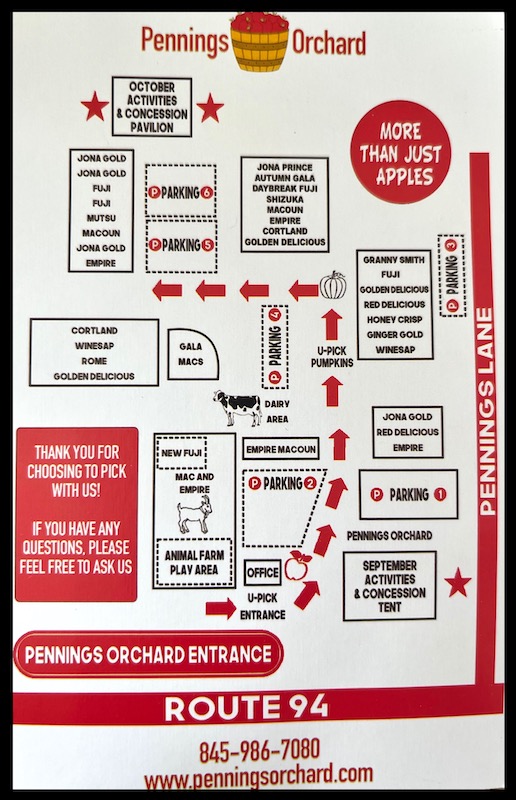
alt="A map of a Penning Orchard"

Pennings Orchard isn’t only about apples. Kids can enjoy a maze, playground, and even meet animals. It’s a lively atmosphere where children play together while parents relax.

The scenery is also a treat—rolling hills, farm animals, and a slower pace that feels refreshing after the hustle of Manhattan.

alt="A picture of cows eating grass at Penning Orchard"

Why Visit Pennings Orchard?

  • Taste and pick multiple apple varieties
  • Perfect for families with kids
  • Relaxing escape from NYC
  • Fun extras like animals and play areas

If you’re looking for a fall getaway close to the city, Pennings Orchard is a must-visit. Whether you’re with kids or just want to enjoy nature and fresh apples, it’s a wonderful weekend trip.

Return to Home

Why a Solo Trip to Hokkaido is the Best Travel Idea?

Why a Solo Trip to Hokkaido is the Best Travel Idea?

An image of JAL air place flying in the sky.

Estimated reading time: 4 minutes

When life feels overwhelming, sometimes the best solution is a solo journey. If you’re traveling within Japan, one of the best destinations is Hokkaido. Compared to mainland Honshu, Hokkaido gives you the feeling of visiting another country—yet it’s surprisingly affordable to get there. Whether by plane or train, Hokkaido offers wide-open landscapes, delicious seafood, and unforgettable cultural experiences.

Why Choose Hokkaido for Solo Travel?

Travel isn’t always about going abroad. Even the act of flying across Japan can shift your perspective and give you clarity. Many travelers say that simply being above the clouds helps them make important life decisions. That’s why taking a flight to Hokkaido can be so refreshing compared to a train journey.

Train Travel is Also an Option

Of course, solo train trips are wonderful too. The views from the carriage window can inspire new thoughts. However, keep in mind that taking the Shinkansen to Hokkaido can cost around ¥60,000 one way, which is expensive.

Here’s good news for U.S. residents: if you’ve lived in America for over 10 years, you may qualify for the Japan Rail Pass, allowing unlimited JR travel for one to two weeks at a flat rate. This makes Hokkaido much more accessible.

Meeting People on the Road

One of the best parts of solo travel is the people you meet along the way. Conversations with strangers outside your usual circle often bring fresh insights. During past trips, I met university students on the train who shared valuable information about school life.

For women traveling alone: safety is important. Never follow strangers, no matter how friendly they seem.

The Challenges of Eating Alone

Traveling solo also comes with small challenges—like eating at restaurants. At 19, I once felt too shy to enter an okonomiyaki shop in Hiroshima and ended up eating convenience-store food instead. Now, in my 40s, I can confidently dine anywhere alone. Today’s younger generation seems more comfortable with this too, so don’t let it hold you back.

Must-See Places in Hokkaido

  • Hakodate’s Trappist Monastery
    Visiting Hakodate felt almost like being abroad. Its Western-influenced architecture reminded me of California’s frontier towns.
  • Saroma
    The vast plains of Saroma felt unlike anywhere else in Japan, resembling Upstate New York or even parts of Europe. It’s also home to abundant wildlife. If you’ve seen the film Drive My Car, you’ll recognize the beauty of Hokkaido’s landscapes.

The Flavors of Hokkaido

Food is one of Hokkaido’s highlights. Fresh hairy crab (kegani), uni (sea urchin), and a variety of fish are absolute must-tries. The seafood alone is worth the trip!

Flying to Hokkaido with JAL

Our family often flies with Japan Airlines (JAL), partly thanks to mileage partnerships between JAL and American Airlines. This summer, we even managed a trip using only miles.

JAL’s service stands out—especially their inflight meals, created through the RED à table project, where top chefs design dishes with sustainability and health in mind. Watching the onboard documentary made the meal even more enjoyable.

Compared to other airlines, JAL feels like the very best for international flights. For solo travelers, it’s an especially reliable choice.

Travel Tips and Safety

  • Flying is the easiest way to Hokkaido, but train journeys have their charm too.
  • If you’ve lived in the U.S. for 10+ years, the JR Pass is a great option for affordable Shinkansen travel.
  • Book your hotel in advance—whether budget or luxury, solo travel gives you freedom of choice.
  • Follow COVID-19 safety rules: wear a mask on planes, wash hands often, and avoid crowded urban areas if you’ll be returning to rural communities.

Conclusion

A trip to Hokkaido offers the perfect mix of international atmosphere, natural beauty, and delicious food—all without leaving Japan. Whether by plane or train, solo or with family, Hokkaido provides the sense of adventure and renewal that every traveler seeks.

If overseas travel feels difficult right now, remember: flying from Honshu to Hokkaido already feels like an international escape. Make the most of your trip and enjoy every moment!

Return to Home

Tenement Museum in New York – A Journey Into Immigration History

the Tenement Museum in New York – A Journey Into Immigration History

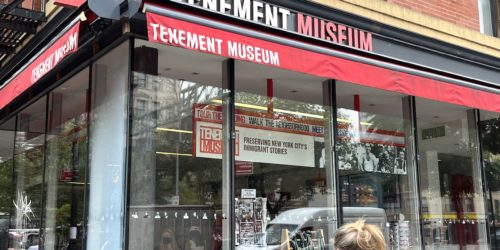
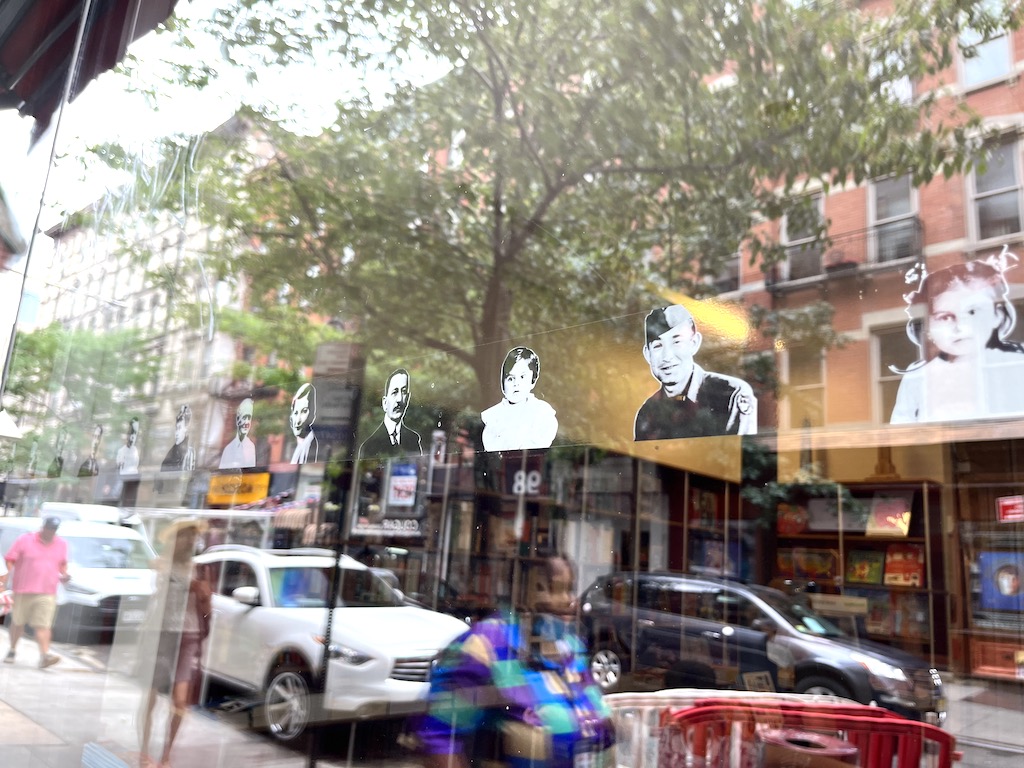
テネメント博物館の窓の画像

Estimated reading time: 4 minutes

If you want to experience what life was like for the very first immigrants in New York, the Tenement Museum on the Lower East Side (LES) is the perfect place to visit. This museum offers an unforgettable, family-friendly experience where history comes alive.

Where is the Tenement Museum?

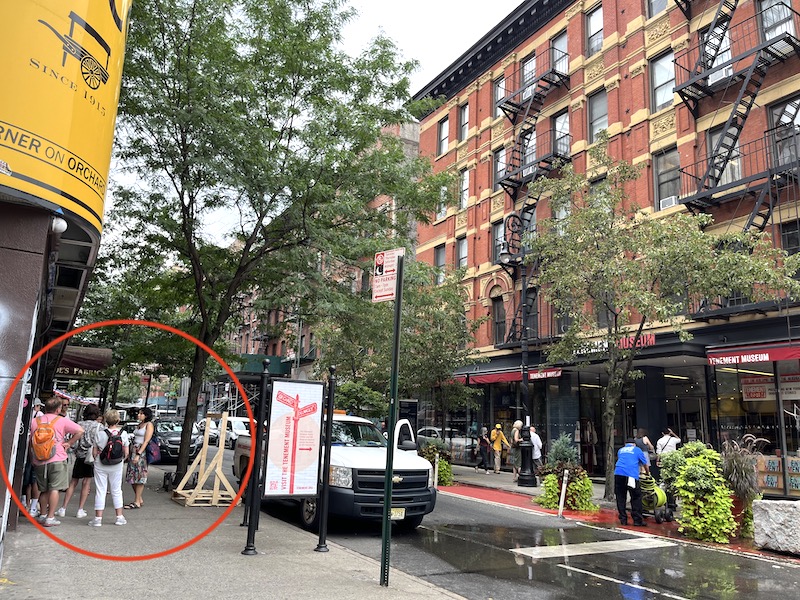
The Tenement Museum is located in Manhattan’s Lower East Side, a neighborhood rich in immigration history. From Times Square, it only takes about 18 minutes by subway. Take the orange lines (M or F) to Delancey Street, or the D line to Grand Street, and it’s a short walk from there.

And if you love modern and contemporary art, don’t miss the Guggenheim Museum while you’re in NYC!

Immigration Footprints in the Lower East Side

Walking around the LES, you can still feel the traces of immigrant communities that shaped New York.

According to the Tenement Museum:

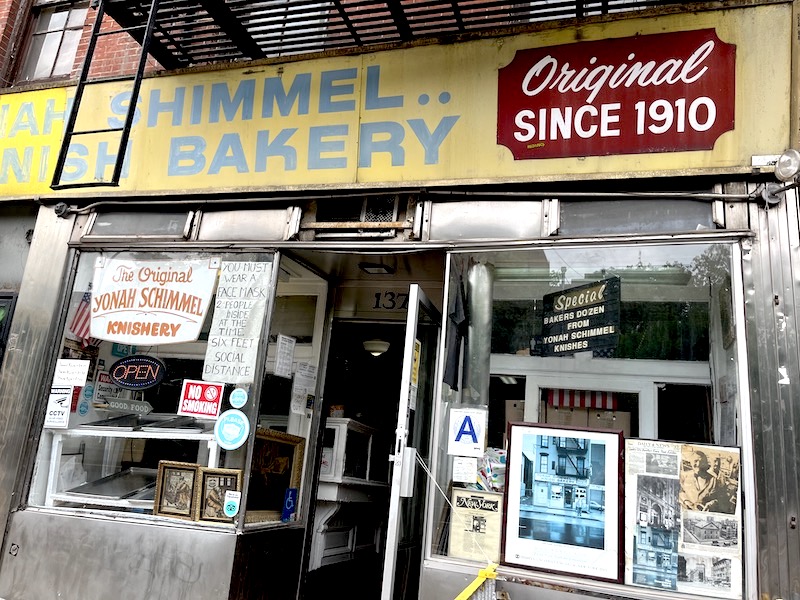
  • In the 1850s, German and Irish immigrants arrived and started businesses in the garment industry.
  • In the early 20th century, Jewish and Italian immigrants continued this work, making the garment industry thrive.
  • Later, Puerto Rican and Chinese immigrants moved in, though Chinese immigration became significant only after 1965 due to restrictions.

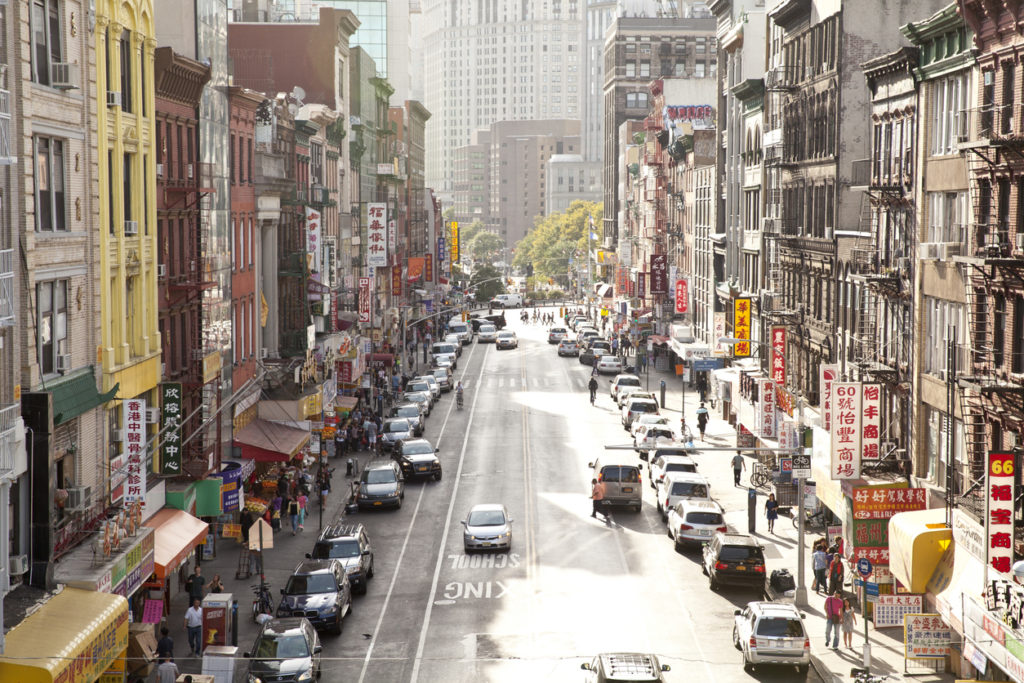
This cultural shift can still be seen today, especially with Chinatown nearby.

Glimpses of the Past

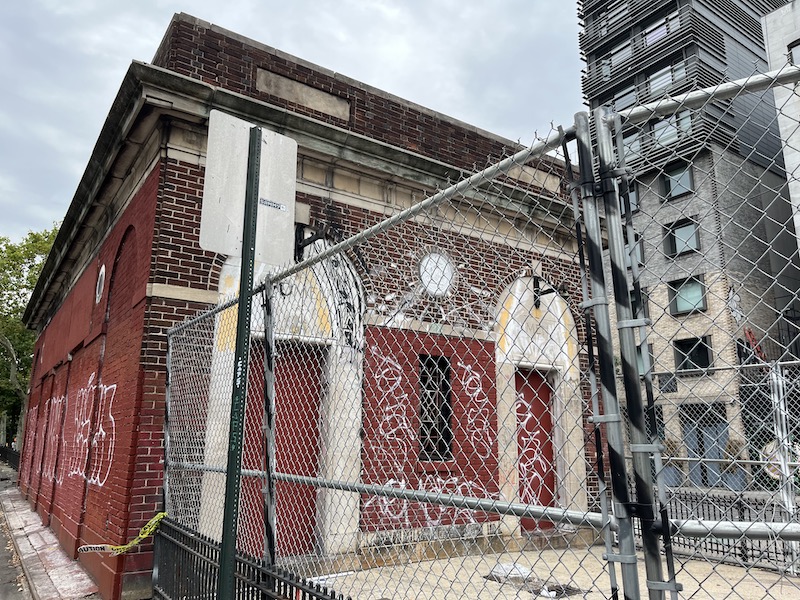
Back in the day, apartments were tiny and had no bathrooms. Residents relied on public bathhouses and toilets, some of which still stand today. Surprisingly, they were not preserved as landmarks but simply left because demolishing them was too costly.

昔の公共トイレの画像

Unfortunately, many of these spaces have suffered from graffiti since the pandemic, but they remain an important reminder of the city’s immigrant past.

Jewish Delicatessens – An NYC Icon

The Lower East Side is also home to Jewish delicatessens, one of the neighborhood’s most famous traditions.
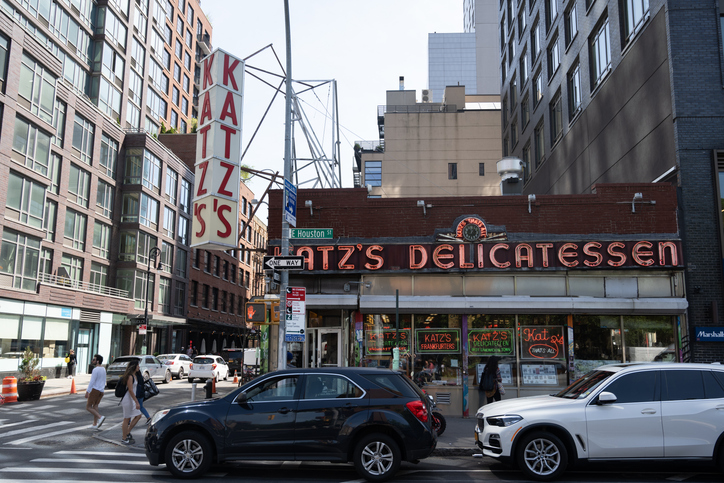
Shops like Katz’s Delicatessen sell sausages, smoked fish, olives, and of course Kosher meats, which are central to Jewish cuisine. These delis are as much a cultural landmark as the museum itself.

ニューヨークのデリカテッセンカッツの写真

Why Visit the Tenement Museum?

テネメント博物館の案内の様子

The highlight of the museum is the guided tours. Knowledgeable docents explain how immigrant families lived, worked, and adapted to life in New York.

  • Tickets: $30 per person
  • Experience: Step inside preserved apartments that look exactly as they did 100+ years ago
  • Bonus: Great practice for listening to English if you’re learning the language

It truly feels like stepping back in time. Please check the lates price – website

From Ellis Island to the Lower East Side

In the late 19th and early 20th centuries, immigrants arrived by ship at Ellis Island. After medical checks and paperwork, many settled in the LES.

Over time, families moved out of the crowded, unhealthy conditions:

  • Jewish immigrants to Brooklyn
  • Italians to Staten Island
  • Asian communities to Queens and Flushing

Understanding this migration helps explain how modern New York City’s neighborhoods developed.

Final Thoughts

The Tenement Museum is more than just a museum—it’s a time machine into immigrant life in New York City. You’ll see how families lived after 1850, how they contributed to the city’s growth, and why the LES is such a special place.

Return to Home
Times When You Can’t Catch a Yellow taxi in New York

West 4th Station in Manhattan

Times When You Can’t Catch a Yellow taxi in New York

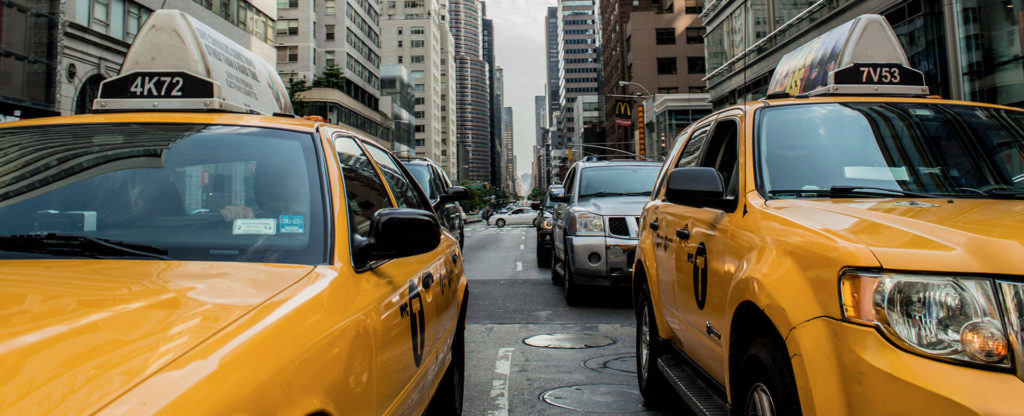
yellow taxi in new york

Estimated reading time: 4 minutes

After the pandemic, I tried taking the subway late at night! It had been a long time since I rode the subway alone at 1 a.m., and honestly, it was terrifying. Previously, I wrote about using New York Yellow Taxis, but during the pandemic, I realized I’d overlooked one important point: there are times when you simply cannot catch a Yellow Taxi.

What happened at theWest 4th Station?

One day, I tried to catch a Yellow Taxi in Greenwich Village. This area is home to the famous Jazz Bar Blue Note New York and many other venues with live jazz performances. As a result, it’s always lively at night.

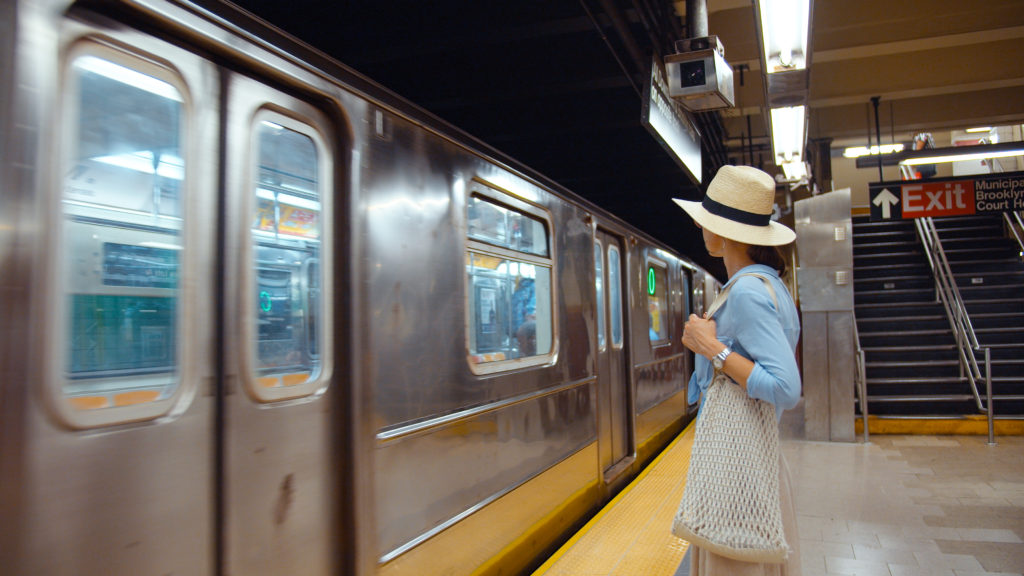
This is just an image that an Asian woman waiting for a train in the mid night in NYC

Additionally, New York University (NYU) is located in Greenwich Village. With student dormitories and numerous young people frequenting bars and restaurants, the area has a high concentration of youth.

Washington Square Park is always buzzing with artists, performers, and people talking late into the night. So, walking around this area at night is relatively safe nowadays.

Yellow Taxis Are Hard to Catch After Midnight

Before 11 p.m., catching a taxi is generally easy. But around midnight, finding a Yellow Taxi becomes difficult. One exception is if you’re heading to Queens—congratulations! Many taxi drivers live in Queens, so your chances of getting a ride are higher.

Being Rejected by Yellow Taxis

Descending into the West 4th subway station at 1 a.m. was terrifying! I was turned away by five Yellow Taxis, all saying, “I’m done.” Since I live on the West Side, getting there would have been a long detour for the drivers.

After midnight, ride share services like Lyft or Uber can cost $100 or more for a one-way trip. During the daytime, these services are fine, but taking the subway after midnight can be quite nerve-wracking.

The Subway at Night

When I passed through the turnstile and headed to the platform, the station was packed with people, and there were 3–4 police officers present. I should have just taken the subway from the start!

I rode the A Train, known as one of the “most dangerous” lines. Surprisingly, it was filled with young people, many of whom were a bit tipsy. They seemed like college students or people returning from work and nightlife. Next to me, a Korean woman was dozing off, which made me a little worried.

Even so, the subway felt safer than a few weeks ago—not dark and intimidating, but closer to the pre-pandemic sense of security.

How the Subway Used to Be

Before the pandemic, riding the subway for work or going out was just part of life. Despite being dirty and always crowded, it made people tough.

After the recent Brooklyn shooting, many people still took the subway the next day. This shows the resilience of New Yorkers.

Voices of Subway Riders

“This is New York.”
“I have to work; I can’t be scared.”
“New York has always been like this.”
“It’s scary, but what can you do?”

These are tough, determined voices. Compared to subway scenes in movies like Ghost, modern New York subways feel safer. Yet, the mental strength of New Yorkers is remarkable.

With a mindset of “Don’t be afraid, just be alert,” people go about work and play safely.

I was also surprised to see ads about cannabis in the subway!
Read more about cannabis in NYC →

Summary

In this post, I shared my experience taking the subway at 1 a.m. After the pandemic, the presence of police and lively crowds has improved safety. The key point to remember: after midnight, Yellow Taxis are hard to catch. Unless you’re heading to Queens, many drivers won’t pick you up. If you live in Midtown, you’re generally fine, since bridges to Queens start from Midtown.

Return to Home

Discover the New York Public Library: Books, Events, and Culture

Discover the New York Public Library: Books, Events, and Culture

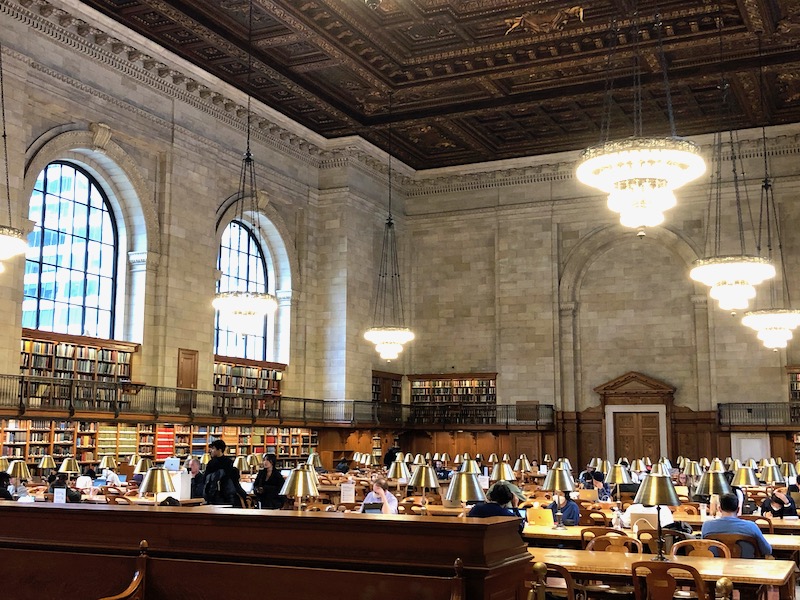
new york public library

Estimated reading time: 3 minutes

The New York Public Library (NYPL) is one of the most famous libraries in the world. Founded in 1902, it has grown into a vast network of more than 90 branches across New York City.

The most iconic location is the Stephen A. Schwarzman Building in Manhattan, instantly recognizable for its grand entrance guarded by two stone lions. Not only is it a center of knowledge, but also a popular tourist attraction.

What Kind of Books Can You Find?

The New York Public Library offers an incredible range of books—from children’s picture books to advanced research materials. Some highlights include:

  • Children’s Collections: Storybooks, picture books, and regular read-aloud sessions for kids.
  • Historical Archives: Rich resources on American and world history.
  • Art & Photography: A wide selection of art books and beautifully curated photography collections.

Fun Events for Everyone

The NYPL isn’t just about books—it’s also about community. The library hosts engaging events throughout the year:

  • Storytime Sessions: Professional narrators bring picture books to life for children.
  • Workshops: Hands-on activities like crafts and science experiments that make learning fun.
  • Lectures: Well-known authors, scholars, and public figures share inspiring talks.

How to Use the Library

To borrow books or access e-books, you’ll need a library card. Signing up is easy through the NYPL’s official website. Once registered, you can:

  • Borrow physical books
  • Download e-books and audiobooks
  • Access exclusive digital resources

Why Visit the NYPL?

For book lovers, the New York Public Library is like heaven. Whether you’re exploring rare archives, attending a lecture, or simply enjoying the quiet reading spaces, there’s something for everyone.

And if you’re visiting Manhattan, you’ll also find Sunrise Mart, a popular Japanese grocery store, nearby (link: Sunrise Mart Manhattan).

Conclusion

The New York Public Library is more than a building filled with books—it’s a cultural landmark that brings people together through knowledge, history, and creativity. Next time you’re in New York, don’t miss the chance to experience its magic.

Back to Home

Yellow Taxi vs. Uber in NYC: Why You Should Try the Curb App

Yellow Taxi vs. Uber in NYC: Why You Should Try the Curb App

yellow taxi in new york

Estimated reading time: 3 minutes

When you think of New York City, one image that probably comes to mind is the iconic Yellow Taxi. You’ve seen them in movies, on postcards, and cruising through Manhattan traffic.

Traditionally, you’d raise your hand to hail one—but did you know you can now call a Yellow Taxi using an app?

Yellow Taxis Can Be Hard to Find at Certain Times

In this blog post, I’ll explain why Yellow Taxis are often cheaper than Uber or Lyft, and introduce you to the Curb app, which makes hailing one quick and easy.

Yellow Taxi Fares in NYC: What’s Changed?

Let’s take a look at how Yellow Taxi pricing has changed since the pandemic—and how it compares to Uber and Lyft today.

Before the Pandemic: Rideshare Was Cheaper

Before 2020, Uber and Lyft were usually cheaper than Yellow Taxis. Why?
Because ridesharing options like Uber Pool allowed passengers to split costs with others.
The price was fixed upfront, regardless of traffic or distance, which made it attractive and predictable.

Meanwhile, Yellow Taxis had a different system:

  • Starting fare: $2.50
  • +$0.50 for every 1/5 mile or minute in traffic
    That means heavy traffic could quickly increase the fare.

After the Pandemic: Yellow Taxis Are Competitive

Recently, Uber and Lyft fares have skyrocketed due to:

  • Higher demand
  • Gas price inflation
  • Dynamic pricing algorithms

I once tried to book a Lyft:

  • First price: $38
  • After a cancellation: $51
  • Tried again: $61 (!)

Frustrated, I gave Yellow Taxi a try. With the same distance, my fare was just $48 including tip—cheaper than the $61 + tip on Lyft.

Are Yellow Taxis Safe?

Yes—and here’s why:

  • NYC Yellow Taxis are regulated by the city.
  • Most drivers are immigrants who undergo training and licensing exams at official taxi schools.
  • This ensures a basic level of professionalism and safety.

By contrast, Uber or Lyft drivers only need a standard driver’s license. While many are friendly and competent, there have been safety concerns and reported incidents.

What Is the Curb App?

The Curb app lets you hail a Yellow Taxi directly from your phone.
Just download the app, register your payment info, and input your pickup address. That’s it!

You’ll see the fare estimate upfront, so there’s no need to worry about unexpected charges or being taken on a detour.

Conclusion: Yellow Taxis Are Back—and Better Than Ever

If you want a cheaper and safer alternative to Uber or Lyft in NYC, don’t overlook the Yellow Taxi.
With the Curb app, you can easily call a cab without stepping into the street.

Supporting local taxis also helps strengthen the NYC community.
Next time you’re heading out, give Yellow Taxis a try—you might be pleasantly surprised.

Back to Home

What Is OMNY? New York’s New Subway Fare Payment System

What Is OMNY?

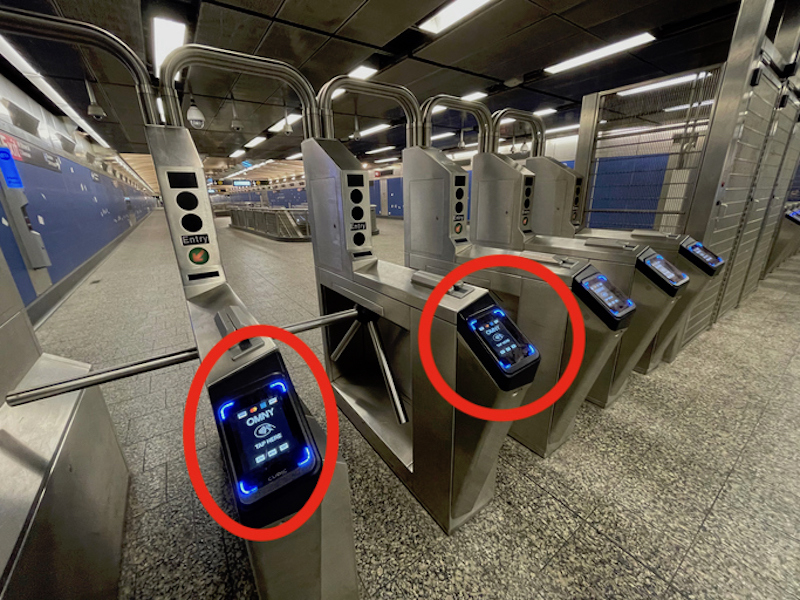
地下鉄OMNY決済の改札口の画像

Estimated reading time: 4 minutes

OMNY (One Metro New York) is the city’s new contactless payment system for subways and buses. Instead of swiping a MetroCard or paying coins for buses, you can simply tap a credit card, smartphone, or smartwatch at the turnstile. It works much like Japan’s Suica or PASMO cards.

How OMNY Works

Using OMNY is fast and convenient. For example, just hold your iPhone with Apple Pay near the OMNY reader at the subway gate, and you’re in—no swiping or waiting in line.

There are three main ways to use OMNY:

1. Tap with Your Bank Card or Credit Card

Any contactless bank card or credit card with a microchip can be used to enter the subway or bus. No more worrying about refilling a MetroCard.

2. Pay with Your Smartphone or Smartwatch

Use Apple Pay, Google Pay, or another mobile wallet. Just tap your phone or watch, and you’re good to go.

3. Buy an OMNY Card

For those who prefer not to use a credit card or phone, OMNY cards are available at CVS, Walgreens, and 7-Eleven. Load them with cash or card and use them just like a MetroCard.

OMNY Card: Where to Buy and Why It’s Useful

The OMNY Card is perfect for people who don’t have a smartphone or prefer cash payments. You can purchase one at major retailers like CVS and 7-Eleven.
While not yet as common as MetroCards, OMNY cards are expected to become more popular as MetroCards are gradually phased out.

MetroCard vs. OMN

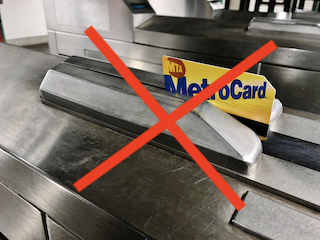
地下鉄でメトロカードをスワイプス流画像

Before the pandemic, many commuters used the Unlimited MetroCard ($127 per month). But for those who now ride the subway fewer days a week, OMNY is more flexible.

  • Daily riders: Unlimited MetroCard may still be the better deal.
  • Occasional riders: OMNY lets you pay only when you ride.

According to the MTA, MetroCards will be discontinued in the coming years.

Subway Safety and Cleanliness with OMNY

New York’s subway is busier and safer than during the pandemic, with more police presence. Still, OMNY offers two big advantages:

  • Safety: No fumbling with MetroCards at the gate, which reduces risks of being targeted.
  • Hygiene: You avoid touching MetroCard vending machines and PIN pads that thousands of people use daily—important after COVID-19.

Save Time and Money with OMNY

  • Faster commutes: No more waiting in line to buy or refill MetroCards.
  • Weekly cap: After 12 OMNY rides in one week (about $33), the rest of your rides are free until Sunday night. Just remember to use the same device or OMNY card for the rides to count.
  • Cashback perks: For example, Apple Card users get 2% cashback when paying with Apple Pay.

Is There an OMNY App?

Omny利用に必要なカードの電子決済ロゴ

Currently, there is no dedicated OMNY app. Payments are made directly with your card, phone, or OMNY card. However, you can register on the MTA OMNY website to track your trips and payment history.

OMNY and Citi Bike: Different Systems

Don’t confuse OMNY with Citi Bike. They are separate services and payments are not connected. If you exit the subway and rent a Citi Bike, you’ll need to pay separately.

For bus riders, OMNY also supports free transfers—learn more here:

Conclusion

OMNY is New York City’s future of public transit payments. Whether you use a credit card, smartphone, or OMNY card, you can now skip MetroCards and ride the subway and buses more safely, quickly, and hygienically. For tourists and locals alike, OMNY makes commuting smoother than ever.

Back to Home

Explore Central Park Bike Lanes with Citi Bike

Explore Central Park Bike Lanes with Citi Bike

central park bike lane

Estimated reading time: 3 minutes

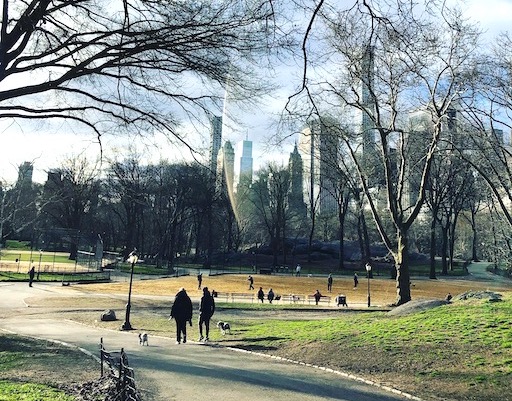
Central Park in New York City is always full of energy—even early on a Sunday morning. Joggers fill the paths, families stroll, and you’ll also see plenty of cyclists enjoying the park’s dedicated bike lanes.

If you’re visiting New York, one of the best ways to experience Central Park is to rent a Citi Bike and cycle around the park loop.

How Long Does It Take to Cycle Central Park?

Cycling the entire loop around Central Park on a Citi Bike takes about 40–50 minutes, depending on your pace. It’s the perfect workout—challenging enough to get your heart pumping, but still manageable for most riders. Be prepared: some hills will leave you a little out of breath!

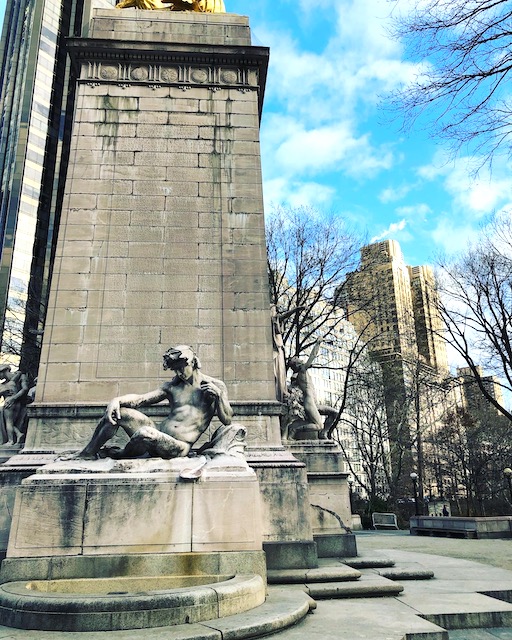
Central Park in the Morning

Early mornings around Central Park are refreshing and lively. The park feels calm but vibrant at the same time. Below is a gallery of what you can expect to see during your ride.

Central Park Bike Lane Map

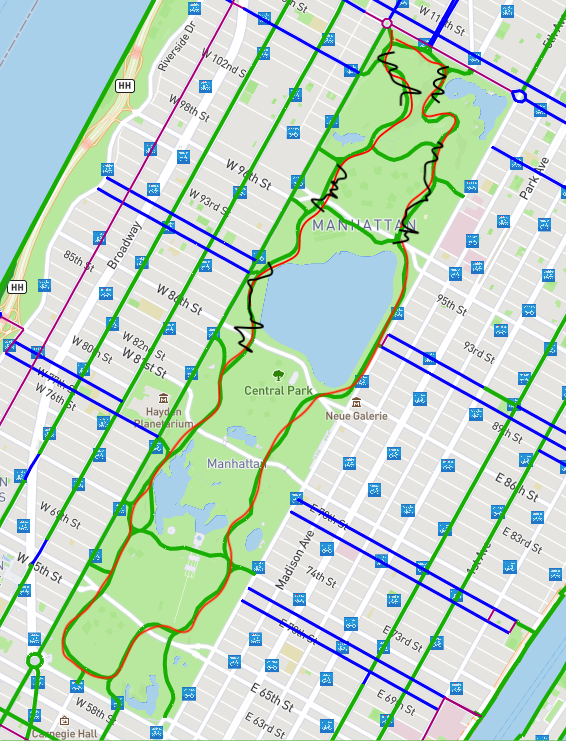
Here’s a map of the Central Park bike loop, courtesy of NYC Bike Maps.

Courtesy to https://www.nycbikemaps.com/
  • Red line = The full cycling loop (about 45 minutes for me).
  • Black wavy lines = Steep hills. These sections can be tough on a regular bike, but with an electric Citi Bike, you’ll breeze right through.
  • The west side has more uphill climbs, so expect a more intense workout. If it’s too much, you can always hop off and walk your bike.

Final Thoughts

Cycling Central Park with a Citi Bike is one of the most enjoyable ways to see New York. You’ll get exercise, fresh air, and an incredible view of the park’s trees, lakes, and landmarks—all in under an hour. Whether you’re a visitor or a local, hop on a Citi Bike and give the Central Park loop a try.

Central park west picture

Back to Home

Cooper Hewitt: History, Ghost Stories, and My Experience

What Is the Cooper Hewitt National Design Museum?

The Cooper Hewitt, Smithsonian Design Museum is the only museum in the United States dedicated exclusively to design and design history. Located in Manhattan, it was originally established in 1897 by Sarah and Eleanor Hewitt, granddaughters of philanthropist Peter Cooper, founder of Cooper Union—a prestigious school where talented art and science students could study almost for free.

Cooper Union: A Prestigious New York University

Cooper Union has long been recognized as one of New York’s most competitive schools, offering programs in art, architecture, and science. Its mission of accessibility and excellence shaped the foundation of the Cooper Hewitt Museum.

My First Visit to Cooper Hewitt

While not as famous as the Metropolitan Museum of Art or the Whitney Museum, Cooper Hewitt became the very first museum I visited after moving to New York 20 years ago. Why? Simply because it was free admission at the time (laughs).

If you’re curious about another New York museum, check out my story about the Guggenheim Museum, which I couldn’t afford to visit back then:

A Haunting Experience at Ringwood Manor

During the pandemic, I visited Ringwood Manor, a vast historic estate in New Jersey once connected to the Cooper Hewitt family. Without much research, I went on a gloomy day, escaping Manhattan’s chaos.

Strangely, as soon as I arrived, I was overcome with severe chills and a headache. After resting briefly in the car, I forced myself inside but soon had to leave. Oddly, my headache vanished the moment I drove away.

Later, I learned that Ringwood Manor is rumored to be haunted, even featured in The New York Times.

The Hewitt Family Legacy

1. Robert Erskine – The Beginning

The estate was first built by Robert Erskine, a Scottish inventor and engineer whose ironwork impressed Benjamin Franklin.

2. The Ryerson Family – Success and Debt

Later, the Dutch Ryerson family purchased the land. Although initially successful in the iron industry, they eventually fell into heavy debt.

3. Peter Cooper – Industrialist and Philanthropist

Next came Peter Cooper, the wealthy industrialist and philanthropist who founded Cooper Union. His legacy shaped New York City’s cultural and educational landscape.

Founding of the Cooper Hewitt Museum

Sarah and Eleanor Hewitt, Peter Cooper’s granddaughters, carried forward his philanthropic vision. They established the Cooper Hewitt Museum as a free and accessible design collection.

Interestingly, the museum is now housed in the former mansion of Andrew Carnegie, another legendary philanthropist who supported education and the arts.

Ghost Stories of Ringwood Manor

Photo Courtesy to Cooper Hewitt Museum

Some say the Cooper Hewitt legacy lingers at Ringwood Manor through mysterious ghost sightings:

  • Robert Erskine: Seen holding a blue lantern by the lake.
  • An Enslaved Worker: Doors reportedly slam shut on their own, linked to spirits of the mistreated.
  • Sarah Hewitt: The smell of rose perfume is said to signal her ghost’s presence nearby.

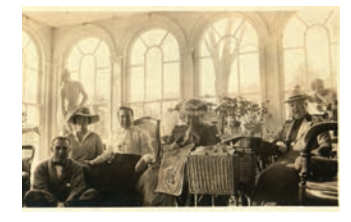
A 1918 photograph taken at Ringwood Manor even shows Sarah and Eleanor Hewitt alongside family members during the Spanish Flu era—adding to the site’s haunting atmosphere.

Conclusion

The Cooper Hewitt National Design Museum is more than just a place to admire art and design—it carries the history of New York’s influential Cooper family and a few spine-chilling legends from Ringwood Manor. Whether you go for the cutting-edge design exhibitions or the mysterious family history, it’s a must-visit for curious travelers.

Back to Home